Filter
1422
Text search:
CDC
United
States
Featured
160
402
Language
Document type
744
230
205
90
70
38
24
10
7
3
1
Countries
68
45
41
39
37
35
34
31
27
27
22
21
20
20
19
19
19
19
19
18
17
15
15
15
14
13
12
11
11
11
10
9
8
8
7
7
7
7
7
7
7
7
6
6
6
6
6
5
5
4
4
4
4
4
4
4
3
3
3
3
3
3
2
2
2
2
2
2
2
2
2
2
2
2
2
2
2
2
2
2
2
2
1
1
1
1
1
1
1
1
1
1
1
1
1
1
1
1
1
1
1
1
1
1
1
1
1
1
1
1
1
1
1
Authors & Publishers
Publication Years
Category
512
140
94
76
57
26
19
Toolboxes
167
110
82
80
66
54
52
52
43
40
38
33
24
19
18
16
14
13
13
13
13
12
12
8

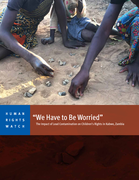
Children in Kabwe are especially at risk because they are more likely to ingest lead dust when playing in the soil, their brains and bodies are still developing, and they absorb four to five times as much lead as adults. The consequences for children who are exposed to high levels of lead and are no
...
Clinical features and management of human monkeypox: a retrospective observational study in the UK
recommended
Cases of human monkeypox are rarely seen outside of west and central Africa. There are few data regarding viral kinetics or the duration of viral shedding and no licensed treatments. Two oral drugs, brincidofovir and tecovirimat, have been approved for treatment of smallpox and have demonstrated eff
...
Nigeria Malaria Indicator Survey (NMIS) - Key Indicators 2021

2nd edition

Guidelines for the Prevention of Tuberculosis in Health Care Facilities in Resource-limited Settings
These guidelines are designed for settings with limited resources to provide inexpensive and effective control strategies for prevention of TB transmission in health care workers (HCW).