
Filter
7026
Text search:
WHO
Africa
Featured
672
1543
Language
6573
304
141
136
132
94
50
40
13
9
9
9
8
8
7
7
7
7
7
6
6
6
6
6
5
5
5
5
4
4
4
4
3
3
3
3
3
3
3
3
3
3
3
3
3
3
3
3
3
3
3
3
2
2
2
2
2
2
2
2
2
2
2
2
2
2
2
2
1
1
1
1
1
1
1
1
1
1
1
1
1
1
1
1
1
1
1
1
1
1
1
1
1
1
1
1
1
1
1
1
1
Document type
3403
1564
842
383
265
225
142
73
34
30
25
23
9
4
Countries / Regions
364
323
236
232
199
184
174
173
157
129
126
119
117
112
98
98
96
94
91
84
83
78
72
69
68
66
65
62
60
50
49
47
44
39
38
36
32
30
29
28
27
27
26
25
25
24
24
23
20
18
18
18
17
17
17
17
17
17
15
15
14
13
13
11
11
11
11
10
9
9
9
8
8
8
7
7
6
6
6
6
6
5
5
5
5
5
4
4
4
4
4
4
4
4
4
4
4
3
3
3
3
3
3
3
3
3
3
2
2
2
2
2
2
2
2
2
2
2
2
2
1
1
1
1
1
1
1
1
1
1
1
1
1
1
1
1
1
1
1
1
1
Authors & Publishers
982
340
315
186
185
142
127
115
97
97
88
78
67
44
40
36
35
34
30
28
27
27
25
25
24
23
23
23
22
22
21
21
21
20
20
20
20
19
19
18
18
18
17
17
17
17
16
16
16
16
16
16
15
15
15
15
15
14
14
14
14
14
14
14
13
13
13
13
13
13
13
13
12
12
12
11
11
11
11
11
10
10
10
10
10
10
10
10
10
10
10
10
10
10
9
9
9
9
9
9
9
9
9
9
9
9
9
9
9
9
8
8
8
8
8
8
8
8
8
8
8
8
7
7
7
7
7
7
7
7
7
7
7
7
7
7
7
6
6
6
6
6
6
6
6
6
6
6
6
6
6
6
6
6
6
6
6
6
6
6
6
6
6
6
6
5
5
5
5
5
5
5
5
5
5
5
5
5
5
5
5
5
5
5
5
5
5
5
5
5
5
5
5
5
5
5
5
5
5
5
5
5
5
5
5
5
5
4
4
4
4
4
4
4
4
4
4
4
4
4
4
4
4
4
4
4
4
4
4
4
4
4
4
4
4
4
4
4
4
4
4
4
4
4
4
4
4
4
4
4
4
4
4
4
4
4
4
4
4
4
4
4
4
4
4
4
4
4
4
4
4
4
4
4
4
4
4
4
4
4
4
4
4
4
4
4
4
4
4
4
4
4
4
4
4
3
3
3
3
3
3
3
3
3
3
3
3
3
3
3
3
3
3
3
3
3
3
3
3
3
3
3
3
3
3
3
3
3
3
3
3
3
3
3
3
3
3
3
3
3
3
3
3
3
3
3
3
3
3
3
3
3
3
3
3
3
3
3
3
3
3
3
3
3
3
3
3
3
3
3
3
3
3
3
3
3
3
3
3
3
3
3
3
3
3
3
3
3
3
3
3
3
3
3
3
3
3
3
3
3
3
3
3
3
3
3
3
3
3
3
3
3
3
3
3
3
3
3
3
3
3
3
3
3
3
3
3
3
3
3
3
3
3
3
3
3
3
3
3
3
3
3
3
3
3
3
3
3
3
2
2
2
2
2
2
2
2
2
2
2
2
2
2
2
2
2
2
2
2
2
2
2
2
2
2
2
2
2
2
2
2
2
2
2
2
2
2
2
2
2
2
2
2
2
2
2
2
2
2
2
2
2
2
2
2
2
2
2
2
2
2
2
2
2
2
2
2
2
2
2
2
2
2
2
2
2
2
2
2
2
2
2
2
2
2
2
2
2
2
2
2
2
2
2
2
2
2
2
2
2
2
2
2
2
2
2
2
2
2
2
2
2
2
2
2
2
2
2
2
2
2
2
2
2
2
2
2
2
2
2
2
2
2
2
2
2
2
2
2
2
2
2
2
2
2
2
2
2
2
2
2
2
2
2
2
2
2
2
2
2
2
2
2
2
2
2
2
2
2
2
2
2
2
2
2
2
2
2
2
2
2
2
2
2
2
2
2
2
2
2
2
2
2
2
2
2
2
2
2
2
2
2
2
2
2
2
2
2
2
2
2
2
2
2
2
2
2
2
2
2
2
2
2
2
2
2
2
2
2
2
2
2
2
2
2
2
2
2
2
2
2
2
2
2
2
2
2
2
2
2
2
2
2
2
2
2
2
2
2
2
2
2
2
2
2
2
2
2
2
2
2
2
2
2
2
2
2
2
2
2
2
2
2
2
2
2
2
2
2
2
2
2
2
2
2
2
2
2
2
2
2
2
2
2
2
2
2
2
2
2
2
2
2
2
2
2
2
2
2
2
2
2
2
2
2
2
2
2
2
2
2
2
2
2
2
2
1
1
1
1
1
1
1
1
1
1
1
1
1
1
1
1
1
1
1
1
1
1
1
1
1
1
1
1
1
1
1
1
1
1
1
1
1
1
1
1
1
1
1
1
1
1
1
1
1
1
1
1
1
1
1
1
1
1
1
1
1
1
1
1
1
1
1
1
1
1
1
1
1
1
1
1
1
1
1
1
1
1
1
1
1
1
1
1
1
1
1
1
1
1
1
1
1
1
1
1
1
1
1
1
1
1
1
1
1
1
1
1
1
1
1
1
1
1
1
1
1
1
1
1
1
1
1
1
1
1
1
1
1
1
1
1
1
1
1
1
1
1
1
1
1
1
1
1
1
1
1
1
1
1
1
1
1
1
1
1
1
1
1
1
1
1
1
1
1
1
1
1
1
1
1
1
1
1
1
1
1
1
1
1
1
1
1
1
1
1
1
1
1
1
1
1
1
1
1
1
1
1
1
1
1
1
1
1
1
1
1
1
1
1
1
1
1
1
1
1
1
1
1
1
1
1
1
1
1
1
1
1
1
1
1
1
1
1
1
1
1
1
1
1
1
1
1
1
1
1
1
1
1
1
1
1
1
1
1
1
1
1
1
1
1
1
1
1
1
1
1
1
1
1
1
1
1
1
1
1
1
1
1
1
1
1
1
1
1
1
1
1
1
1
1
1
1
1
1
1
1
1
1
1
1
1
1
1
1
1
1
1
1
1
1
1
1
1
1
1
1
1
1
1
1
1
1
1
1
1
1
1
1
1
1
1
1
1
1
1
1
1
1
1
1
1
1
1
1
1
1
1
1
1
1
1
1
1
1
1
1
1
1
1
1
1
1
1
1
1
1
1
1
1
1
1
1
1
1
1
1
1
1
1
1
1
1
1
1
1
1
1
1
1
1
1
1
1
1
1
1
1
1
1
1
1
1
1
1
1
1
1
1
1
1
1
1
1
1
1
1
1
1
1
1
1
1
1
1
1
1
1
1
1
1
1
1
1
1
1
1
1
1
1
1
1
1
1
1
1
1
1
1
1
1
1
1
1
1
1
1
1
1
1
1
1
1
1
1
1
1
1
1
1
1
1
1
1
1
1
1
1
1
1
1
1
1
1
1
1
1
1
1
1
1
1
1
1
1
1
1
1
1
1
1
1
1
1
1
1
1
1
1
1
1
1
1
1
1
1
1
1
1
1
1
1
1
1
1
1
1
1
1
1
1
1
1
1
1
1
1
1
1
1
1
1
1
1
1
1
1
1
1
1
1
1
1
1
1
1
1
1
1
1
1
1
1
1
1
1
1
1
1
1
1
1
1
1
1
1
1
1
1
1
1
1
1
1
1
1
1
1
1
1
1
1
1
1
1
1
1
1
1
1
1
1
1
1
1
1
1
1
1
1
1
1
1
1
1
1
1
1
1
1
1
1
1
1
1
1
1
1
1
1
1
1
1
1
1
1
1
1
1
1
1
1
1
1
1
1
1
1
1
1
1
1
1
1
1
1
1
1
1
1
1
1
1
1
1
1
1
1
1
1
1
1
1
1
1
1
1
1
1
1
1
1
1
1
1
1
1
1
1
1
1
1
1
1
1
1
1
1
1
1
1
1
1
1
1
1
1
1
1
1
1
1
1
1
1
1
1
1
1
1
1
1
1
1
1
1
1
1
1
1
1
1
1
1
1
1
1
1
1
1
1
1
1
1
1
1
1
1
1
1
1
1
1
1
1
1
1
1
1
1
1
1
1
1
1
1
1
1
1
1
1
1
1
1
1
1
1
1
1
1
1
1
1
1
1
1
1
1
1
1
1
1
1
1
1
1
1
1
1
1
1
1
1
1
1
1
1
1
1
1
1
1
1
1
1
1
1
1
1
1
1
1
1
1
1
1
1
1
1
1
1
1
1
1
1
1
1
1
1
1
1
1
1
1
1
1
1
1
1
1
1
1
1
1
1
1
1
1
1
1
1
1
1
1
1
1
1
1
1
1
1
1
1
1
1
1
1
1
1
1
1
1
1
1
1
1
1
1
1
1
1
1
1
1
1
1
1
1
1
1
1
1
1
1
1
1
1
1
1
1
1
1
1
1
1
1
1
1
1
1
1
1
1
1
1
1
1
1
1
1
1
1
1
1
1
1
1
1
1
1
1
1
1
1
1
1
1
1
1
1
1
1
1
1
1
1
1
1
1
1
1
1
1
1
1
1
1
1
1
1
1
1
1
1
1
1
1
1
1
1
1
1
1
1
1
1
1
1
1
1
1
1
1
1
1
1
1
1
1
1
1
1
1
1
1
1
1
1
1
1
1
1
1
1
1
1
1
1
1
1
1
1
1
1
1
1
1
1
1
1
1
1
1
1
1
1
1
1
1
1
1
1
1
1
1
1
1
1
1
1
1
1
1
1
1
1
1
1
1
1
1
1
1
1
1
1
1
1
1
1
1
1
1
1
1
1
1
1
1
1
1
1
1
1
1
1
1
1
1
1
1
1
1
1
1
1
1
1
1
1
1
1
1
1
1
1
1
1
1
1
1
1
1
1
1
1
1
1
1
1
1
1
1
1
1
1
1
1
1
1
1
1
1
1
1
1
1
1
1
1
1
1
1
1
1
1
1
1
1
1
1
1
1
1
1
1
1
1
1
1
1
1
1
1
1
1
1
1
1
1
1
1
1
1
1
1
1
1
1
1
1
1
1
1
1
1
1
1
1
1
1
1
1
1
1
1
1
1
1
1
1
1
1
1
1
1
1
1
1
1
1
1
1
1
1
1
1
1
1
1
1
1
1
1
1
1
1
1
1
1
1
1
1
1
1
1
1
1
1
1
1
1
1
1
1
1
1
1
1
1
1
1
1
1
1
1
1
1
1
1
1
1
1
1
1
1
1
1
1
1
1
1
1
1
1
1
1
1
1
1
1
1
1
1
1
1
1
1
1
1
1
1
1
1
1
1
1
1
1
1
1
1
1
1
1
1
1
1
1
1
1
1
1
1
1
1
1
1
1
1
1
1
1
1
1
1
1
1
1
1
1
1
1
1
1
1
1
1
1
1
1
1
1
1
1
1
1
1
1
1
1
1
1
1
1
1
1
1
1
1
1
1
1
1
1
1
1
1
1
1
1
1
1
1
1
1
1
1
1
1
1
1
1
1
1
1
1
1
1
1
1
1
1
1
1
1
1
1
1
1
1
1
1
1
1
1
1
1
1
1
1
1
1
1
1
1
1
1
1
1
1
1
1
1
1
1
1
1
1
1
1
1
1
1
1
1
1
1
1
1
1
1
1
1
1
1
1
1
1
1
1
1
1
1
1
1
1
1
1
1
1
1
1
1
1
1
1
1
1
1
1
1
1
1
1
1
1
1
1
1
1
1
1
1
1
1
1
1
1
1
1
1
1
1
1
1
1
1
1
1
1
1
1
1
1
1
1
1
1
1
1
1
1
1
1
1
1
1
1
1
1
1
1
1
1
1
1
1
1
1
1
1
1
1
1
1
1
1
1
1
1
1
1
1
1
1
1
1
1
1
1
1
1
1
1
1
1
1
1
1
1
1
1
1
1
1
1
1
1
1
1
1
1
1
1
1
1
1
1
1
1
1
1
1
1
1
1
1
1
1
1
1
1
1
1
1
1
1
1
1
1
1
1
1
1
1
1
1
1
1
1
1
1
1
1
1
1
1
1
1
1
1
1
1
1
1
1
1
1
1
1
1
1
1
1
1
1
1
1
1
1
1
1
1
1
1
1
1
1
1
1
1
1
1
1
1
1
1
1
1
1
1
1
1
1
1
1
1
1
1
1
1
1
1
1
1
1
1
1
1
1
1
1
1
1
1
1
1
1
1
1
1
1
1
1
1
1
1
1
1
1
1
1
1
1
1
1
1
1
1
1
1
1
1
1
1
1
1
1
1
1
1
1
1
1
1
1
1
1
1
1
1
1
1
1
1
1
1
1
1
1
1
1
1
1
1
1
1
1
1
1
1
1
1
1
1
1
1
1
1
1
1
1
1
1
1
1
1
1
1
1
1
1
1
1
1
1
1
1
1
1
1
1
1
1
1
1
1
1
1
1
1
1
1
1
1
1
1
1
1
1
1
1
1
1
1
1
1
1
1
1
1
1
1
1
1
1
1
1
1
1
1
1
1
1
1
1
1
1
1
1
1
1
1
1
1
1
1
1
1
1
1
1
1
1
1
1
1
1
1
1
1
1
1
1
1
1
1
1
1
1
1
1
1
1
1
1
1
1
1
1
1
1
1
1
1
1
1
1
1
1
1
1
1
1
1
1
1
1
1
1
1
1
1
1
1
1
1
1
1
1
1
1
1
1
1
1
1
1
1
1
1
1
1
1
1
1
1
1
1
1
1
1
1
1
1
1
1
1
1
1
1
1
1
1
1
1
1
1
1
1
1
1
1
1
1
1
1
1
1
1
1
1
1
1
1
1
1
1
1
1
1
1
1
1
1
1
1
1
1
1
1
1
1
1
1
1
1
1
1
1
1
1
1
1
1
1
1
1
1
1
1
1
1
1
1
1
1
1
1
1
1
1
1
1
1
1
1
1
1
1
1
1
1
1
1
1
1
1
1
1
1
1
1
1
1
1
1
1
1
1
1
1
1
1
1
1
1
1
1
1
1
1
1
1
1
1
1
1
1
1
1
1
1
1
1
1
1
1
1
1
1
1
1
1
1
1
1
1
1
1
1
1
1
1
1
1
1
1
1
1
1
1
1
1
1
1
1
1
1
1
1
1
1
1
1
1
1
1
1
1
1
1
1
1
1
1
1
1
1
1
1
1
1
1
1
1
1
1
1
1
1
1
1
1
1
1
1
1
1
1
1
1
1
1
1
1
1
1
1
1
1
1
1
1
1
1
1
1
1
1
1
1
1
1
1
1
1
1
1
1
1
1
1
1
1
1
1
1
1
1
1
1
1
1
1
1
1
1
1
1
1
1
1
1
1
1
1
1
1
1
1
1
1
1
1
1
1
1
1
1
1
1
1
1
1
1
1
1
1
1
1
1
1
1
1
1
1
1
1
1
1
1
1
1
1
1
1
1
1
1
1
1
1
1
1
1
1
1
1
1
1
1
1
1
1
1
1
1
1
1
1
1
1
1
1
1
1
1
1
1
1
1
1
1
1
1
1
1
1
1
1
1
1
1
1
1
1
1
1
1
1
1
1
1
1
1
1
1
1
1
1
1
1
1
1
1
1
1
1
1
1
1
1
1
1
1
1
1
1
1
1
1
1
1
1
1
1
1
1
1
1
1
1
1
1
1
1
1
1
1
1
1
1
1
1
1
1
1
1
1
1
1
1
1
1
1
1
1
1
1
1
1
1
1
1
1
1
1
1
1
1
1
1
1
1
1
1
1
1
1
1
1
1
1
1
1
1
1
1
1
1
1
1
1
1
1
1
1
1
1
1
1
1
1
1
1
1
1
1
1
1
1
1
1
1
1
1
1
1
1
1
1
1
1
1
1
1
1
1
1
1
1
1
1
1
1
1
1
1
1
1
1
1
1
1
1
1
1
1
1
1
1
1
1
1
1
1
1
1
1
1
1
1
1
1
1
1
1
1
1
1
1
1
1
1
1
1
1
1
1
1
1
1
1
1
1
1
1
1
1
1
1
1
1
1
1
1
1
1
1
1
1
1
1
1
1
1
1
1
1
1
1
1
1
1
1
1
1
1
1
1
1
1
1
1
1
1
1
1
1
1
1
1
1
1
1
1
1
1
1
1
1
1
1
1
1
1
1
1
1
1
1
1
1
1
1
1
1
1
1
1
1
1
1
1
1
1
1
1
1
1
1
1
1
1
1
1
1
1
1
1
1
1
1
1
1
1
1
1
1
1
1
1
1
1
1
1
1
1
1
1
1
1
1
1
1
1
1
1
1
1
1
1
1
1
1
1
1
1
1
1
1
1
1
1
1
1
1
1
1
1
1
1
1
1
1
1
1
1
1
1
1
1
1
1
1
1
1
1
1
1
1
1
1
1
1
1
1
1
1
1
1
1
1
1
1
1
1
1
1
1
1
1
1
1
1
1
1
1
1
1
1
1
1
1
1
1
1
1
1
1
1
1
1
1
1
1
1
1
1
1
1
1
1
1
1
1
1
1
1
1
1
1
1
1
1
1
1
1
1
1
1
1
1
1
1
1
1
1
1
1
1
1
1
1
1
1
1
1
1
1
1
1
1
1
1
1
1
1
1
1
1
1
1
1
1
1
1
1
1
1
1
1
1
1
1
1
1
1
1
1
1
1
1
1
1
1
1
1
1
1
1
1
1
1
1
1
1
1
1
1
1
1
1
1
1
1
1
1
1
1
1
1
1
1
1
1
1
1
1
1
1
1
1
1
1
1
1
1
1
1
1
1
1
1
1
1
1
1
1
1
1
1
1
1
1
1
1
1
1
1
1
1
1
1
1
1
1
1
1
1
1
1
1
1
1
1
1
1
1
1
1
1
1
1
1
1
1
1
1
1
1
1
1
1
1
1
1
1
1
1
1
1
1
1
1
1
1
1
1
1
1
1
1
1
1
1
1
1
1
1
1
1
1
1
1
1
1
1
1
1
1
1
1
1
1
1
1
1
1
1
1
1
1
1
1
1
1
1
1
1
1
1
1
1
1
1
1
1
1
1
1
1
1
1
1
1
1
1
1
1
1
1
1
1
1
1
1
1
1
1
1
1
1
1
1
1
1
1
1
1
1
1
1
1
1
1
1
1
1
1
1
1
1
1
1
1
1
1
1
1
1
1
1
1
1
1
1
1
1
1
1
1
1
1
1
1
1
1
1
1
1
1
1
1
1
1
1
1
1
1
1
1
1
1
1
1
1
1
1
1
1
1
1
1
1
1
1
1
1
1
1
1
1
1
1
1
1
1
1
1
1
1
1
1
1
1
1
1
1
1
1
1
1
1
1
1
1
1
1
1
1
1
1
1
1
1
1
1
1
1
1
1
1
1
1
1
1
1
1
1
1
1
1
1
1
1
1
1
1
1
1
1
1
1
1
1
1
1
1
1
1
1
1
1
1
1
1
1
1
1
1
1
1
1
1
1
1
1
1
1
1
1
1
1
1
1
1
1
1
1
1
1
1
1
1
1
1
1
1
1
1
1
1
1
1
1
1
1
1
1
1
1
1
1
1
1
1
1
1
1
1
1
1
1
1
1
1
1
1
1
1
1
1
1
1
1
1
1
1
1
1
1
1
1
1
1
1
1
1
1
1
1
1
1
1
1
1
1
1
1
1
1
1
1
1
1
1
1
1
1
1
1
1
1
1
1
1
1
1
1
1
1
1
1
1
1
1
1
1
1
1
1
1
1
1
1
1
1
1
1
1
1
1
1
1
1
1
1
1
1
1
1
1
1
1
1
1
1
1
1
1
1
1
1
1
1
1
1
1
1
1
1
1
1
1
1
1
1
1
1
1
1
1
1
1
1
1
1
1
1
1
1
1
1
1
1
1
1
1
1
1
1
1
1
1
1
1
1
1
1
1
1
1
1
1
1
1
1
1
1
1
1
1
1
1
1
1
1
1
1
1
1
1
1
1
1
1
1
1
1
1
1
1
1
1
1
1
1
1
1
1
1
1
1
1
1
1
1
1
1
1
1
1
1
1
1
1
1
1
1
1
1
1
1
1
1
1
1
1
1
1
1
1
1
1
1
1
1
1
1
1
1
1
1
1
1
1
1
1
1
1
1
1
1
1
1
1
1
1
1
1
1
1
1
1
1
1
1
1
1
1
1
1
1
1
1
1
1
1
1
1
1
1
1
1
1
1
1
1
1
1
1
1
1
1
1
1
1
1
1
1
1
1
1
1
1
1
1
1
1
1
1
1
1
1
1
1
1
1
1
1
1
1
1
1
1
1
1
1
1
1
1
1
1
1
1
1
1
1
1
1
1
1
1
1
1
1
1
1
1
1
1
1
1
1
1
1
1
1
1
1
1
1
1
1
1
1
1
1
1
1
1
1
1
1
1
1
1
1
1
1
1
1
1
1
1
1
1
1
1
1
1
1
1
1
1
1
1
1
1
1
1
1
1
1
1
1
1
1
1
1
1
1
1
1
1
1
1
1
1
1
1
1
1
1
1
1
1
1
1
1
1
1
1
1
1
1
1
1
1
1
1
1
1
1
1
1
1
1
1
1
1
1
1
1
1
1
1
1
1
1
1
1
1
1
1
1
1
1
1
1
1
1
1
1
1
1
1
1
1
1
1
1
1
1
1
1
1
1
1
1
1
1
1
1
1
1
1
1
1
1
1
1
1
1
1
1
1
1
1
1
1
1
1
1
1
1
1
1
1
1
1
1
1
1
1
1
1
1
1
1
1
1
1
1
1
1
1
1
1
1
1
1
1
1
1
1
1
1
1
1
1
1
1
1
1
1
1
1
1
1
1
1
1
1
1
1
1
1
1
1
1
1
1
1
1
1
1
1
1
1
1
1
1
1
1
1
1
1
1
1
1
1
1
1
1
1
1
1
1
1
1
1
1
1
1
1
1
1
1
1
1
1
1
1
1
1
1
1
1
1
1
1
1
1
1
1
1
1
1
1
1
1
1
1
1
1
1
1
1
1
1
1
1
1
1
1
1
1
1
1
1
1
1
1
1
1
1
1
1
1
1
1
1
1
1
1
1
1
1
1
1
1
1
1
1
1
1
1
1
1
1
1
1
1
1
1
1
1
1
1
1
1
1
1
1
1
1
1
1
1
1
1
1
1
1
1
1
1
1
1
1
1
1
1
1
1
1
1
1
1
1
1
1
1
1
1
1
1
1
1
1
1
1
1
1
1
1
1
1
1
1
1
1
1
1
1
1
1
1
1
1
1
1
1
1
1
1
1
1
1
1
1
1
1
1
1
1
1
1
1
1
1
1
1
1
1
1
1
1
1
1
1
1
1
1
1
1
1
1
1
1
1
1
1
1
1
1
1
1
1
1
1
1
1
1
1
1
1
1
1
1
1
1
1
1
1
1
1
1
1
1
1
1
1
1
1
1
1
1
1
1
1
1
1
1
1
1
1
1
1
1
1
1
1
1
1
1
1
1
1
1
1
1
1
1
1
1
1
1
1
1
1
1
1
1
1
1
1
1
1
1
1
1
1
1
1
1
1
1
1
1
1
1
1
1
1
1
1
1
1
1
1
1
1
1
1
1
1
1
1
1
1
1
1
1
1
1
1
1
1
1
1
1
1
1
1
1
1
1
1
1
1
1
1
1
1
1
1
1
1
1
1
1
1
1
1
1
1
1
1
1
1
1
1
1
1
1
1
1
1
1
1
1
1
1
1
1
1
1
1
1
1
1
1
1
1
1
1
1
1
1
1
1
1
1
1
1
1
1
1
1
1
1
1
1
1
1
1
1
1
1
1
1
1
1
1
1
1
1
1
1
1
1
1
1
1
1
1
1
1
1
1
1
1
1
1
1
1
1
1
1
1
1
1
1
1
1
1
1
1
1
1
1
1
1
1
1
1
1
1
1
1
1
1
1
1
1
1
1
1
1
1
1
1
1
1
1
1
1
1
1
1
1
1
1
1
1
1
1
1
1
1
1
1
1
1
1
1
1
1
1
1
1
1
1
1
1
1
1
1
1
1
1
1
1
1
1
1
1
1
1
1
1
1
1
1
1
1
1
1
1
1
1
1
1
1
1
1
1
1
1
1
1
1
1
1
1
1
1
1
1
1
1
1
1
1
1
1
1
1
1
1
1
1
1
1
1
1
1
1
1
1
1
1
1
1
1
1
1
1
1
1
1
1
1
1
1
1
1
1
1
1
1
1
1
1
1
1
1
1
1
1
1
1
1
1
1
1
1
1
1
1
1
1
1
1
1
1
1
1
1
1
1
1
1
1
1
1
1
1
1
1
1
1
1
1
1
1
1
1
1
1
1
1
1
1
1
1
1
1
1
1
1
1
1
1
1
1
1
1
1
1
1
1
1
1
1
1
1
1
1
1
1
1
1
1
1
1
1
1
1
1
1
1
1
1
1
1
1
1
1
1
1
1
1
1
1
1
1
1
1
1
1
1
1
1
1
1
1
1
1
1
1
1
1
1
1
1
1
1
1
1
1
1
1
1
1
1
1
1
1
1
1
1
1
1
1
1
1
1
1
1
1
1
1
1
1
1
1
1
1
1
1
1
1
1
1
1
1
1
1
1
1
1
1
1
1
1
1
1
1
1
1
1
1
1
1
1
1
1
1
1
1
1
1
1
1
1
1
1
1
1
1
1
1
1
1
1
1
1
1
1
1
1
1
1
1
1
1
1
1
1
1
1
1
1
1
1
1
1
1
1
1
1
1
1
1
1
1
1
1
1
1
1
1
1
1
1
1
1
1
1
1
1
1
1
1
1
1
1
1
1
1
1
1
1
1
1
1
1
1
1
1
1
1
1
1
1
1
1
1
1
1
1
1
1
1
1
1
1
1
1
1
1
1
1
1
1
1
1
1
1
1
1
1
1
1
1
1
1
1
1
1
1
1
1
1
1
1
1
1
1
1
1
1
1
1
1
1
1
1
1
1
1
1
1
1
1
1
1
1
1
1
1
1
1
1
1
1
1
1
1
1
1
1
1
1
1
1
1
1
1
1
1
1
1
1
1
1
1
1
1
1
1
1
1
1
1
1
1
1
1
1
1
1
1
1
1
1
1
1
1
1
1
1
1
1
1
1
1
1
1
1
1
1
1
1
1
1
1
1
1
1
1
1
1
1
1
1
1
1
1
1
1
1
1
1
1
1
1
1
1
1
1
1
1
1
1
1
1
1
1
1
1
1
1
1
1
1
1
1
1
1
1
1
1
1
1
1
1
1
1
1
1
1
1
1
1
1
1
1
1
1
1
1
1
1
1
1
1
1
1
1
1
1
1
1
1
1
1
1
1
1
1
1
1
1
1
1
1
1
1
1
1
1
1
1
1
1
1
1
1
1
1
1
1
1
1
1
1
1
1
1
1
1
1
1
1
1
1
1
1
1
1
1
1
1
1
1
1
1
1
1
1
1
1
1
1
1
1
1
1
1
1
1
1
1
1
1
1
1
1
1
1
1
1
1
1
1
1
1
1
1
1
1
1
1
1
1
1
1
1
1
1
1
1
1
1
1
1
1
1
1
1
1
1
1
1
1
1
1
1
1
1
1
1
1
1
1
1
1
1
1
1
1
1
1
1
1
1
1
1
1
1
1
1
1
1
1
1
1
1
1
Publication Years
2417
4063
511
31
1
2
1
Category
2498
498
386
378
367
147
70
2
Toolboxes
671
511
441
379
378
289
285
283
171
168
154
154
140
134
133
129
108
101
101
68
51
46
44
37
19
3
2
The objective of the evaluation is to understand whether the CHW program has achieved its intended objectives, thus contributing to the overarching objectives defined in the HSSP III of improving the health status of the population by “Ensuring universal accessibility of quality health services fo
...
r all Rwandans”.
This evaluation has focused on CHWs, who are selected, trained and deployed by the MoH to deliver a defined set of tasks at community level. CHWs are the central element of the Community Health Policy and of the community health strategy plan (CHSP) of the MoH.
more
While the ratification of the Convention and its Optional Protocol has proceeded rapidly, knowledge on how to implement and monitor them has not kept pace. Conscious of this challenge, my Office has developed this Training Guide on the Convention and its Optional Protocol. It is complemented by eigh
...
t training modules, designed to inform and empower those who are involved in ratifying, implementing and monitoring the two instruments. While the Training Guide is mainly targeted at facilitators of training courses on the Convention and its Optional Protocol, it acknowledges that each and every one of us has a role to play. I recommend wide dissemination of the training package, and its use by all those who want to embark upon the essential journey towards greater awareness and effective implementation of the rights of persons with disabilities and, ultimately, the building of an inclusive society for all.
more

Afr J Tradit Complement Altern Med. (2016) 13(4):123-131
Out of 400 questionnaires distributed to the participants, 389 were returned with data acceptable for analysis. Ages of the participants ranged from 18 to 75 years (Mean=43 + 11.6). Out of the 272 (69.9%) participants ... who conceded that they had used medicinal herbs at least once, 30 (7.7%) participants used medicinal herbs frequently while 242 (62.2 %) rarely used the herbs. At least 20 plant species belonging to 16 families were reportedly used by the participants. Asteraceae was the most common plant family reportedly used by the participants. Allium sativum and Dicoma anomala, reportedly used by 21.0% and 14.3% respectively, were the most commonly used medicinal herbs in this population. In addition, boosting the immune system and treating gastrointestinal ailments, apparently cited by 32% and 28% participants respectively, were the most commonly reported reasons for using medicinal herbs.
http://dx.doi.org/10.21010/ajtcam.v13i4.17 more
Out of 400 questionnaires distributed to the participants, 389 were returned with data acceptable for analysis. Ages of the participants ranged from 18 to 75 years (Mean=43 + 11.6). Out of the 272 (69.9%) participants ... who conceded that they had used medicinal herbs at least once, 30 (7.7%) participants used medicinal herbs frequently while 242 (62.2 %) rarely used the herbs. At least 20 plant species belonging to 16 families were reportedly used by the participants. Asteraceae was the most common plant family reportedly used by the participants. Allium sativum and Dicoma anomala, reportedly used by 21.0% and 14.3% respectively, were the most commonly used medicinal herbs in this population. In addition, boosting the immune system and treating gastrointestinal ailments, apparently cited by 32% and 28% participants respectively, were the most commonly reported reasons for using medicinal herbs.
http://dx.doi.org/10.21010/ajtcam.v13i4.17 more
The Pocket Guide to Managing Contraceptive Supplies addresses one of
the most important components of any program that provides family
planning services—the logistics system that manages the delivery,
quality, and storage of contraceptive supplies. These supplies are
essential; without them, f
...
amily planning services cannot be provided.
This guide is for the staff of family planning or health clinics who
manage contraceptive supplies and for the supervisor who oversees
these logistics activities. This booklet is not a complete logistics text;
its purpose is to be a quick reference for logistics formulas and
principles to help you manage your supplies (both contraceptives and
other commodities) correctly and efficiently.
more

The magnitude and complexity of these mental health conditions caused by prolonged and extensive trauma requires a diagnosis fitting the unique context of the Syrian conflict. Over half a million people have been killed since the beginning of the conflict in 2011, and more than 6.4 million are inter
...
nally displaced with over 5 million living as refugees. SAMS documents the multi-dimensional nature of mental health disorders afflicting Syrians, including accounts of refugee experiences from Eastern Ghouta, Idlib, and beyond. This qualitative report seeks to raise awareness about increasing mental health needs, while sharing personal stories of those who have been affected by the trauma of the conflict.
more

Ending Child Marriage: Child Marriage Laws ad Their Limitations
Wodon, Q., Tavares, P., Fiala, O., Nestour, A. & Wise, L.
Save the Children and The World Bank
(2017)
C1
Child marriage is defined as a formal or informal union before the age of 18. The practice affects mostly girls. While child marriage is especially prevalent in low and lower-middle income countries, it is also observed in other countries. It endangers the life trajectories of girls in multiple ways
...
. Child brides are at greater risk of experiencing a range of poor health outcomes, having children at younger ages when they are not yet ready to do so, dropping out of school, earning less over their lifetimes and living in poverty compared to their peers who marry at later ages. Child brides may also be more likely to experience intimate partner violence, have restricted physical mobility, and limited decision making ability. M
more
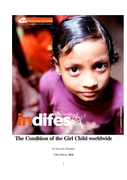
In the last five years, i.e. how old turned the Campaign “Indifesa” (Defenceless) in 2016, that was launched by Terre des Hommes in 2012, the world has become smaller. One can actually say that the derangements following the Arab Spring in 2011 reshuffled what is stable and what produces instabi
...
lity; between those, who live in a peaceful world, and those, who try to survive in areas affected by violence. All that significantly reduced the distance between those, who live there, along the Mediterranean cost, and those, who live here. Such deep disorder made even more acute, visible and tangible also for the so called developed world all the serious violations of the human rights suffered by little girls and girls: on the one hand the widespread political instability and violence made even more precarious the little girls and young women’s conditions on the Mediterranean southern coast, where they were already fragile; and on the other hand the migration flows further worsened them, matching at the same time the conditions of those young and very young migrants to those of the European girls of the same age.
more
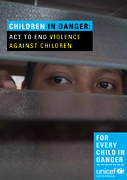
Every five minutes a child dies as the result of violence, according to a ground-breaking report from Unicef UK. The report reveals that the vast majority of children are killed outside warzones and that physical, sexual and emotional abuse is widespread with millions of children unsafe in their hom
...
es, schools and communities. Some 345 children could die from violence each day in the next year, unless governments act.
The report also finds that:
(1) Children who are victims of violence have brain activity similar to soldiers exposed to combat;
(2) A third of children who are victims of violence are likely to develop long-lasting symptoms of post-traumatic stress disorder;
(3) Those living in poverty are more likely to be victims of violence, wherever they live in the world;
(4) Over 7% of child deaths due to violence each day are the result of interpersonal violence, rather than conflict.
more
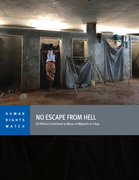
EU Policies Contribute to Abuse of Migrants in Libya
This report documents severe overcrowding, unsanitary conditions, malnutrition, and lack of adequate health care. Human Rights Watch found violent abuse by guards in four official detention centers in western Libya, including beatings and whippin
...
gs. Human Rights Watch witnessed large numbers of children, including newborns, detained in grossly unsuitable conditions in three out of the four detention centers. Almost 20 percent of those who reached Europe by sea from Libya in 2018 were children.
more

The project was developed by the International Federation of Medical Students’ Associations (IFMSA), in line with the Federation’s statement “a world in which students are equipped with knowledge, skills and value to take on health leadership roles locally and globally so to
...
shape a sustainable future”. This was supported by an ongoing and vital engagement from the World Health Organization (WHO) and their work the United Nations Alliance on Climate Change Education, Training and Public Awareness. The overall objective was to create a “all in one” type of resource to bring together climate change, health and youth advocacy.
more
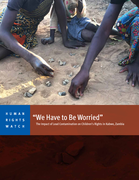
Children in Kabwe are especially at risk because they are more likely to ingest lead dust when playing in the soil, their brains and bodies are still developing, and they absorb four to five times as much lead as adults. The consequences for children who
...
are exposed to high levels of lead and are not treated include reading and learning barriers or disabilities; behavioral problems; impaired growth; anemia; brain, liver, kidney, nerve, and stomach damage; coma and convulsions; and death. After prolonged exposure, the effects are irreversible. Lead also increases the risk of miscarriage and can be transmitted through both the placenta and breastmilk.
more

The Cholera Q&A Fact Sheet provides essential information about cholera, including its causes, symptoms, treatment, and prevention. Cholera is an acute diarrheal disease caused by Vibrio cholerae, which spreads through contaminated water and food. It leads to rapid dehydration and can be fatal if un
...
treated. Symptoms range from mild diarrhea to severe dehydration, shock, and death.
Treatment primarily involves Oral Rehydration Therapy (ORT) to replace lost fluids, and in severe cases, intravenous fluids. Antibiotics are generally not recommended for mass treatment. Prevention focuses on safe drinking water, sanitation, hand hygiene, and proper food handling.
The document also discusses cholera vaccination, with three WHO-approved oral vaccines available. However, vaccines should be used alongside other control measures. The Global Task Force on Cholera Control (GTFCC) aims to eliminate cholera transmission in 20 countries by 2030 through improved sanitation, vaccination, and rapid outbreak response.
more
This third booklet of the World Drug Report 2022 has a dual focus: opioids and cannabis.
The first chapter of the booklet provides an overview of opioids as a group of substances and their patterns of non-medical use at the global level. It also reviews the latest trends in the global supply of opi
...
ates and synthetic opioids and the availability of pharmaceutical opioids for medical consumption. Issues specific to regional patterns and trends in opioid markets are also analysed, including the opioid crisis in North America and in Africa and the Middle East. The chapter also includes a discussion of the potential impact, in the region and worldwide, of changes in opium poppy cultivation and opium production in Afghanistan. reireg
more

Objective: The study aimed to describe the current epidemiological, clinical and immunological profile of newly
detected HIV - positive patients in Northern Benin by 2016. Methods: It was a prospective study conducted from May 2 to
October 31, 2016 on three main sites of care of people living with
...
HIV (PLHIV) in the department of Borgou in Benin. All
new cases of HIV infection have been systematically and comprehensively recruited. Initial epidemiological, clinical and
immunological data were collected using a questionnaire. These data were entered and analyzed using the Epi Info 7 software.
Results: In total, 185 adults (68 male and 117 female) newly screened HIV positive were included in this study. The middle age
was 36.2 ± 10.9 years and the sex ratio was 0.6 One hundred and thirty-five patients (73%) were between 25 and 50 years old.
In terms of the profession, 132 patients (71.3%) were engaged in liberal activities (craftmen, traders and retailers). The
majority was schooled (113 or 61.1%) and resided in urban areas (146 or 79%). One hundred and sixteen patients lived in
couple (62.7%) with an average monthly income estimated at 70 US Dollars. Clinically, 123 patients (66.5%) were in WHO
stage III. The body mass index was over 18.5 kg/m2 in 124 patients (67%). The median number of TCD4 lymphocytes was
254.5 cells/ml and 25 patients (13.5%) had a number of CD4 over 500 cells/ml. HIV1 was really predominant (97.8%). Most
patients (152 or 82.2%) had been screened for clinical suspicion. Conclusion: HIV infection in Benin remains the prerogative
of young, female, educated and poor people. Screening is delayed and hence the need to develop innovative strategies for early
more
Drivers, Dynamics and Epidemiology of Antimicrobial Resistance in Animal Production
B.A. Wall, A. Mateus, L. Marshall et al.
Food and Agriculture Organization of the United Nations FAO
(2016)
C2
Antimicrobial resistance (AMR) both in human and veterinary medicine has reached alarming levels in
most parts of the world and has now been recognized as a significant emerging threat to global public
health and food security. In June 2015, the Food and Agriculture Organization of the United Nati
...
ons
(FAO) passed a resolution on AMR at its governing
Conference. This followed the adoption of counterpart
resolutions on AMR by The World Organisation
for Animal Health (OIE) and the World Health Organization
(WHO) in May 20152, and marked the
beginning of a joint effort by the three organizations
to combat AMR globally.
more
Induced abortion is permitted in Burkina Faso only to save the life and protect the health of a
pregnant woman, or in cases of rape, incest, and severe fetal impairment. As a result, the vast
majority of women who end unintended pregnancies do so
...
in secrecy, out of fear of prosecution
and to avoid the social stigma that surrounds this practice. Most clandestine abortions are carried
out in unsafe conditions that jeopardize women’s health and sometimes their lives. This report
presents estimates of the number and rate of induced abortions that occurred in Burkina Faso in
2008 and 2012; reports levels of unintended pregnancy (the major reason that women seek
abortions in the first place); and describes some of the adverse consequences of unsafe abortion
for women, their families and society.
more
“They Treated Us in Monstrous Ways”.
Since the Syrian conflict began in March 2011, men and boys and transgender women have been subjected to rape and other forms of sexual violence by the Syrian government and non-state armed groups, including the extremist armed group Islamic State (also kno
...
wn as ISIS). Heterosexual men and boys are vulnerable to sexual violence in Syria, but men who are gay or bisexual—or perceived to be—and transgender women are particularly at risk.
more
The Government of the Republic of Zambia has placed priority on ensuring that Zambians are healthy and productive as a catalyst to the attainment of socioeconomic development . The Vision 2030 aims to transform Zambia into a prosperous middle-income country as articulated also in the 7th National De
...
velop-ment Plan (7NDP) and National Health Strategic Plan 2017 – 2021 (NHSP 2017-2020). However, this aspiration is threatened by the double burden of Communicable and Non-Communicable Diseas¬es. Zambia has been recording an increase in morbidity and mortality due to Non-Communicable Diseases (NCDs) such as cancers, diabetes, chronic respiratory and cardiovascular diseases. According to the 2016 WHO NCD country profiles, 29% of all deaths in Zambia are attributed to NCDs. This is unacceptably high, considering that most of these diseases can be reduced by modifying four main behavioural risk factors for NCDs which are tobacco use, harmful use of alcohol, unhealthy diets and physical inactivity.
more
This technical report contains the results from the FEEDcities Project – Eastern Europe and Central Asia, a cross-sectional survey of the local urban food environment conducted in Chișinău, Republic of Moldova between June and August 2016. It characterizes the vending sites, the food offered and
...
the nutritional composition of both industrial and homemade street foods. It also describes the nutritional composition of foods sold in supermarkets and fast-food outlets.
The study was conducted within a bilateral partnership between the World Health Organization and the Institute of Public Health of the University of Porto, in collaboration with the Faculty of Medicine, the Faculty of Nutrition and Food Sciences and the Faculty of Pharmacy of the University of Porto (WHO registration 2015/591370 and 2017/698514). The study was funded through a voluntary contribution of the Ministry of Health of the Russian Federation.
more
This technical report presents the results of a cross-sectional survey conducted in Sarajevo, the Federation of Bosnia and Herzegovina, Bosnia and Herzegovina, between June and August 2017, as part of the FEEDcities Project (Food Environment Description in cities – eastern Europe and central Asia)
...
. The aim of the report is to describe the city’s local street food and takeaway food environment, exploring the characteristics of food vending sites, the industrially produced and homemade foods they typically offer, and the nutritional composition of these foods. Finally, the report provides guidance on how to address its findings through policy action.
The study was conducted through a bilateral partnership between the World Health Organization (WHO) and the Institute of Public Health of the University of Porto, in collaboration with the Faculty of Medicine, the Faculty of Nutrition and Food Sciences, the Faculty of Pharmacy of the University of Porto (WHO registration 2015/591370 and 2017/698514) and the Institute of Public Health of the Federation of Bosnia and Herzegovina. The study was funded through a voluntary contribution of the Ministry of Health of the Russian Federation, and through a contribution made by the Swiss Agency for Development and Cooperation (SDC)/Swiss Government to a joint WHO/SDC project, “Reducing Health Risk Factors in Bosnia and Herzegovina: Developing and Advancing Modern and Sustainable Public Health Strategies, Capacities and Services to Improve Population Health”, implemented in Bosnia and Herzegovina.
more
