
Filter
1931
Text search:
poverty
trends
Featured
105
582
Language
1889
30
22
20
18
6
6
5
3
1
1
1
Document type
1067
551
108
96
52
20
19
13
5
Countries
136
80
78
55
53
49
49
47
42
39
38
38
37
36
34
34
33
33
31
29
25
21
19
19
16
16
15
15
14
13
13
12
11
11
11
10
10
9
9
9
9
8
8
8
8
7
7
7
6
6
5
5
5
5
5
5
5
5
4
4
4
4
4
4
4
3
3
3
3
3
3
2
2
2
2
2
2
2
1
1
1
1
1
1
1
1
1
1
1
1
1
1
1
1
1
1
1
1
1
1
1
1
1
1
1
1
1
1
1
1
1
1
1
1
1
Authors & Publishers
154
63
52
45
42
35
25
23
21
19
16
16
14
13
13
13
13
11
11
11
11
10
10
9
9
8
8
8
7
7
7
7
7
7
7
7
7
7
6
6
6
6
6
6
6
6
5
5
5
5
5
5
5
5
5
5
5
5
5
4
4
4
4
4
4
4
4
4
4
4
4
4
4
4
4
3
3
3
3
3
3
3
3
3
3
3
3
3
3
3
3
3
3
3
3
3
3
3
3
3
3
3
3
3
3
3
3
3
3
3
3
3
3
3
3
3
3
3
3
3
3
3
3
3
3
3
2
2
2
2
2
2
2
2
2
2
2
2
2
2
2
2
2
2
2
2
2
2
2
2
2
2
2
2
2
2
2
2
2
2
2
2
2
2
2
2
2
2
2
2
2
2
2
2
2
2
2
2
2
2
2
2
2
2
2
2
2
2
2
2
2
2
2
2
2
2
2
2
2
2
2
2
2
2
2
2
2
2
2
2
2
2
2
2
2
2
2
2
2
2
2
2
2
2
2
2
2
2
2
2
2
2
2
2
2
2
2
2
2
2
2
2
2
2
2
2
2
2
2
2
2
2
1
1
1
1
1
1
1
1
1
1
1
1
1
1
1
1
1
1
1
1
1
1
1
1
1
1
1
1
1
1
1
1
1
1
1
1
1
1
1
1
1
1
1
1
1
1
1
1
1
1
1
1
1
1
1
1
1
1
1
1
1
1
1
1
1
1
1
1
1
1
1
1
1
1
1
1
1
1
1
1
1
1
1
1
1
1
1
1
1
1
1
1
1
1
1
1
1
1
1
1
1
1
1
1
1
1
1
1
1
1
1
1
1
1
1
1
1
1
1
1
1
1
1
1
1
1
1
1
1
1
1
1
1
1
1
1
1
1
1
1
1
1
1
1
1
1
1
1
1
1
1
1
1
1
1
1
1
1
1
1
1
1
1
1
1
1
1
1
1
1
1
1
1
1
1
1
1
1
1
1
1
1
1
1
1
1
1
1
1
1
1
1
1
1
1
1
1
1
1
1
1
1
1
1
1
1
1
1
1
1
1
1
1
1
1
1
1
1
1
1
1
1
1
1
1
1
1
1
1
1
1
1
1
1
1
1
1
1
1
1
1
1
1
1
1
1
1
1
1
1
1
1
1
1
1
1
1
1
1
1
1
1
1
1
1
1
1
1
1
1
1
1
1
1
1
1
1
1
1
1
1
1
1
1
1
1
1
1
1
1
1
1
1
1
1
1
1
1
1
1
1
1
1
1
1
1
1
1
1
1
1
1
1
1
1
1
1
1
1
1
1
1
1
1
1
1
1
1
1
1
1
1
1
1
1
1
1
1
1
1
1
1
1
1
1
1
1
1
1
1
1
1
1
1
1
1
1
1
1
1
1
1
1
1
1
1
1
1
1
1
1
1
1
1
1
1
1
1
1
1
1
1
1
1
1
1
1
1
1
1
1
1
1
1
1
1
1
1
1
1
1
1
1
1
1
1
1
1
1
1
1
1
1
1
1
1
1
1
1
1
1
1
1
1
1
1
1
1
1
1
1
1
1
1
1
1
1
1
1
1
1
1
1
1
1
1
1
1
1
1
1
1
1
1
1
1
1
1
1
1
1
1
1
1
1
1
1
1
1
1
1
1
1
1
1
1
1
1
1
1
1
1
1
1
1
1
1
1
1
1
1
1
1
1
1
1
1
1
1
1
1
1
1
1
1
1
1
1
1
1
1
1
1
1
1
1
1
1
1
1
1
1
1
1
1
1
1
1
1
1
1
1
1
1
1
1
1
1
1
1
1
1
1
1
1
1
1
1
1
1
1
1
1
1
1
1
1
1
1
1
1
1
1
1
1
1
1
1
1
1
1
1
1
1
1
1
1
1
1
1
1
1
1
1
1
1
1
1
1
1
1
1
1
1
1
1
1
1
1
1
1
1
1
1
1
1
1
1
1
1
1
1
1
1
1
1
1
1
1
1
1
1
1
1
1
1
1
1
1
1
1
1
1
1
1
1
1
1
1
1
1
1
1
1
1
1
1
1
1
1
1
1
1
1
1
1
1
1
1
1
1
1
1
1
1
1
1
1
1
1
1
1
1
1
1
1
1
1
1
1
1
1
1
1
1
1
1
1
1
1
1
1
1
1
1
1
1
1
1
1
1
1
1
1
1
1
1
1
1
1
1
1
1
1
1
1
1
1
1
1
1
1
1
1
1
1
1
1
1
1
1
1
1
1
1
1
1
1
1
1
1
1
1
1
1
1
1
1
1
1
1
1
1
1
1
1
1
1
1
1
1
1
1
1
1
1
1
1
1
1
1
1
1
1
1
1
1
1
1
1
1
1
1
1
1
1
1
1
1
1
1
1
1
1
1
1
1
1
1
1
1
1
1
1
1
1
1
1
1
1
1
1
1
1
1
1
1
1
1
1
1
1
1
1
1
1
1
1
1
1
1
1
1
1
1
1
1
1
1
1
1
1
1
1
1
1
1
1
1
1
1
1
1
1
1
1
1
1
1
1
1
1
1
1
1
1
1
1
1
1
1
1
1
1
1
1
1
1
1
1
1
1
1
1
1
1
1
1
1
1
1
1
1
1
1
1
1
1
1
1
1
1
1
1
1
1
1
1
1
1
1
1
1
1
1
1
1
1
1
1
1
1
1
1
1
1
1
1
1
1
1
1
1
1
1
1
1
1
1
1
1
1
1
1
1
1
1
1
1
1
1
1
1
1
1
1
1
1
1
1
1
1
1
1
1
1
1
1
1
1
1
1
1
1
1
1
1
1
1
1
1
1
1
1
1
1
1
1
1
1
1
1
1
1
1
1
1
1
1
1
1
1
1
1
1
1
1
1
1
1
1
1
1
1
1
1
1
1
1
1
1
1
1
1
1
1
1
1
1
1
1
1
1
1
1
1
1
1
1
1
1
1
1
1
1
1
1
1
1
1
1
1
1
1
1
1
1
1
1
1
1
1
1
1
1
1
1
1
1
1
1
1
1
1
1
1
1
1
1
1
1
1
1
1
1
1
1
1
1
1
1
1
1
1
1
1
1
1
1
1
1
1
1
1
1
1
1
1
1
1
1
1
1
1
1
1
1
1
1
1
1
1
1
1
1
1
1
1
1
1
1
1
1
1
1
1
1
1
1
1
1
1
1
1
1
1
1
1
1
1
1
1
1
1
1
1
1
1
1
1
1
1
1
1
1
1
1
1
1
1
1
1
1
1
1
1
1
1
1
1
1
1
1
1
1
1
1
1
1
1
1
1
1
1
1
1
1
1
1
1
1
1
1
1
1
1
1
1
1
1
1
1
1
1
1
1
1
1
1
1
1
1
1
1
1
1
1
1
1
1
1
1
1
1
1
1
1
1
1
1
1
1
1
1
1
1
1
1
1
1
1
1
1
1
1
1
1
1
1
1
1
1
1
1
1
1
1
1
1
1
1
1
1
1
1
1
1
1
1
1
1
1
1
1
1
1
1
1
1
1
1
1
1
1
1
1
1
1
1
1
1
1
1
1
1
1
1
1
1
1
1
1
1
1
1
1
1
1
1
1
1
1
1
1
1
1
1
1
1
1
1
1
1
1
1
1
1
1
1
1
1
1
1
1
1
1
1
1
1
1
1
1
1
1
1
1
1
1
1
1
1
1
1
1
1
1
1
1
1
1
1
1
1
1
1
1
1
1
1
1
1
1
1
1
1
1
1
1
1
1
1
1
1
1
1
1
1
1
1
1
1
1
1
1
1
1
1
1
1
1
1
1
1
1
1
1
1
1
1
1
1
1
1
1
1
1
1
1
1
1
1
1
1
1
1
1
1
1
1
1
1
1
1
1
1
1
1
1
1
1
1
1
1
1
1
1
1
1
1
1
1
1
1
1
1
1
1
1
1
1
1
1
1
1
1
1
1
1
1
1
1
1
1
1
1
1
1
1
1
1
1
1
1
1
1
1
1
1
1
1
1
1
1
1
1
1
1
1
1
1
1
1
1
1
1
1
1
1
1
1
1
1
1
1
1
1
1
1
1
1
1
1
1
1
1
1
1
1
1
1
1
1
1
1
1
1
1
1
1
1
1
1
1
1
1
1
1
1
1
1
1
1
1
1
1
1
1
1
1
1
1
1
1
1
1
1
1
1
1
1
1
1
1
1
1
1
1
1
1
1
1
1
1
1
1
1
1
1
1
1
1
1
1
1
1
1
1
1
1
1
1
1
1
1
1
1
1
1
1
1
1
1
1
1
1
1
1
1
1
1
1
1
1
1
1
1
1
1
1
1
1
1
1
1
1
1
1
1
1
1
1
1
1
Publication Years
604
1188
138
1
Category
883
114
108
91
47
22
4
Toolboxes
153
113
109
94
84
77
71
64
53
44
43
35
34
33
24
24
21
14
13
8
8
7
3
2
1
1
1

Refugee protection in the country is provided within the framework of these international and national refugee laws as well as the core international human rights treaties that have been ratified by the country. Continued insecurity within neighbouring states has resulted in sustained refugee moveme
...
nts, either directly as a result of internal conflict and human rights abuses or as a result of conflict related to competition for scare natural resources and drought related food insecurity.
more

This new plan has been developed to build on successes made and lessons learnt from implementation of the two initial plans and to provide a short to medium term strategic anchor against which preparedness and response plans to the corona virus disease COVID-19 epidemic in the country should focus o
...
n for the period June 2021 to June 2022.
more
English Analysis on World and 26 other countries about Agriculture, Climate Change and Environment, Drought, Epidemic and more; published on 26 Oct 2021 by WMO
The unparalleled action needed to combat unprecedented inequality in the wake of COVID-19.
New billionaire minted every 26 hours, as inequality contributes to the death of one person every four seconds
Available in English, French, Spanish and Arabic https://www.oxfam.org/en/research/inequality-ki
...
lls
more
The roadmap describes the actions needed to
achieve the three development goals for TB
vaccines set by the WHO:
1. A safe, effective and affordable TB vaccine
for adolescents and adults.
2. An affordable TB vaccine for neonates and
infants with improved safety and efficacy.
3. A therapeutic v
...
accine to improve TB
treatment outcomes
more

The disease burden caused by poor water, sanitation and hygiene is significant. For instance, soil transmitted helminthes (hookworm, roundworm, ringworm) infest approximately two billion people. Shistosomiasis infects and debilitates 200 million people. Trachoma, a disease related to poor sanitation
...
and hygiene which can cause blindness, infects five million people. However, the most serious health impact of poor WASH is diarrheal disease, particularly on children.
more

WHY THIS GUIDE?
Because, in the face of crises and emergencies, it is vital to include a human rights perspective in responses. Vulnerable groups face major obstacles to accessing and benefiting from prevention, mitigation, and health care policies due to structural barriers of inequality. To offer
...
guidelines to the countries of the Americas for crafting and implementing inclusive and accessible, human rights-based responses to a pandemic that is unprecedented in the region and in the world as a whole.
more

Climate change presents the single biggest threat to human development, and its widespread impacts disproportionately burden the poorest and most vulnerable households in fragile and rural developing contexts – particularly women and children.
According to the Intergovernmental Panel on Climate C
...
hange’s (IPCC) latest report, ‘between 2010 and 2020, droughts, floods and storms killed 15 times as many people in highly vulnerable countries, particularly in Africa — which is responsible for less than 3 percent of global emissions – than in the wealthiest countries’.
Recognising environmental degradation and climate change are key accelerators of extreme child vulnerability, World Vision (WV) approved the Environmental Stewardship Management Policy (‘the Policy’) and Guidelines (‘the Guidelines’) in 2021.
To support the implementation of the Policy and Guidelines, WV has developed this Environmental Stewardship and Climate Action Handbook (‘the Handbook’) to help offices across the WV Partnership implement best practice environmental management strategies both in the field and in our operations and facilities.
Integrating environmental stewardship and climate action into all our work – whether that be in our Area Programmes, grant projects, responses to disasters or advocacy – is critical to achieving WV’s strategy.
As a Christian organisation we are compelled to follow the ways of Jesus Christ, calling us to care for the ‘least of these’ (Matthew 25:40) – the vulnerable children who are disproportionately impacted by climate change. Our response to the degradation of the environment is not motivated by political expediency or funding – but because we are called to steward God’s creation (Genesis 1:28).
more
From February 22-23, 2023, the Wellcome Trust and the Global Task Force on Cholera Control (GTFCC) brought together researchers, decision makers, and public health implementers to participate in a virtual workshop focused on cholera and climate. Day 1 involved a technical workshop to identify key re
...
search themes as well as the challenges, gaps, and opportunities in using climate information for cholera decision making. Day 2 was an open forum focused on information-sharing and updates from countries and partners, including a call for stronger research and data on the connection between climate and cholera.
The overarching discussion outlined the complex relationship between climate and cholera. Materials from the event – including a recording of the Day 2 open forum, key findings/messages, and a final event report – can be accessed below
more

This report presents findings from research conducted by Economist Impact to assess the health, demographic, social and economic impacts associated with different scenarios for financing the HIV epidemic across 13 selected countries in Sub-Saharan Africa. The sponsorship of UNAIDS towards this repor
...
t is gratefully acknowledged. However, the findings and ideas expressed herein represent those of Economist Impact. They do not necessarily reflect the views and opinions of UNAIDS, nor do they engage the responsibility of UNAIDS.
more
2023 is seeing intense heatwaves. According to a July 2023 briefing by the World Meteorological Association temperatures will frequently reach above 35–40°C in many places across the Mediterranean region, with temperatures in the Middle East and southeastern Türkiye reaching up to 45°C and, in
...
North Africa, 44–49°C. April–May 2023 also saw temperature records broken across many parts of Asia, including Thailand, Laos and Myanmar.
The IPCC predicts that 420 million people will be exposed to extreme heat and heatwaves in the near future. Hundreds of thousands of people die from preventable heat-related causes each year, while temperature extremes and wildfires cause devastation to lives and livelihoods. According to the WMO, ‘heatwaves are amongst the deadliest natural hazards [and] heat is a rapidly growing health risk’.
more
The Guidelines for drinking-water quality: small water supplies have been developed to address the needs and opportunities associated with small supplies to facilitate progressive improvement towards safe and sustainable drinking-water services for all. These Guidelines are based on the principal re
...
commendation in the World Health Organization’s Guidelines for drinking-water quality, and they provide guidance on applying that recommendation to small water supplies in particular. These Guidelines aim to help governments and practitioners improve the safety of drinking-water delivered through small supplies.
more
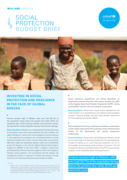
Based on an increasing body of evidence pointing at the positive impact that social assistance has had in Malawi, the region and beyond, government is encouraged to continue investing in and supporting the expansion and comprehensiveness of social protection programmes in both rural and urban areas,
...
ensuring they effectively target and adequately address needs and vulnerabilities across the lifecycle, in line with the Malawi National Social Support Programme (MNSSP II) and Vision 2063. In addition, Government and Development Partners are encouraged to further the integration between social protection, the humanitarian and the disaster risk management sectors in response to shocks and stresses, through the roll out of a fully shock-sensitive social protection system.
more

Reflecting its commitment to achieving the Sustainable Development Goals (SDGs), Namibia volunteered to undertake a second national review of the SDGs in 2021. The focus is on three SDG dimensions, namely, Economic, Social, and Environmental. These three dimensions are comprehensively integrated in
...
the fifth National Development Plan (NDP5) pillars: Economic Progression, Social Transformation, Environmental Sustainability, and Good Governance.
more

Diabetes is an increasingly prevalent yet under-recognised health crisis in Africa, driven by demographic and socioeconomic transitions. In 2021, 24 million adults in the region were living with diabetes, and this figure is expected to increase by 129% by 2045.

This Toolkit for ensuring rights-based and ethical use of digital technologies in HIV and health programmes is derived from the comprehensive UNDP Guidance on the rights-based and ethical use of digital technologies in HIV and health programmes document. The foundational UNDP Guidance document outli
...
nes key ethical, human rights and technical considerations for countries adopting digital technologies for health, detailing human rights risks, norms and standards, and provides a practical checklist for assessment.
The Toolkit serves as a quick reference guide for UNDP staff, governments, partners, technology developers, and civil society organizations, designed to provide practical guidance for implementing ethical digital health solutions by distilling and structuring the in-depth information from the broader UNDP Guidance into six easy-access modules. Each module addresses a specific key issue by outlining definitions, ethical principles, key considerations, and recommendations that align with the comprehensive framework established by the UNDP Guidance.
more

DHS Working Papers No. 69
This paper uses data from the three Indian National Family Health Surveys (1992-93, 1998-99, 2005-06) to examine how the relationship between household wealth and child mortality evolved during a time of significant economic change in India. The main predictor is a new ... measure of household wealth that captures changes in wealth over time. Outcomes include neonatal mortality, postneonatal mortality, child mortality, and under-five mortality. Multivariate analysis is conducted at the national, urban, rural, and regional levels.
Results indicate that the overall relationship between household wealth and mortality weakened over time, as evidenced by the coefficients for under-five mortality at the national level. more
This paper uses data from the three Indian National Family Health Surveys (1992-93, 1998-99, 2005-06) to examine how the relationship between household wealth and child mortality evolved during a time of significant economic change in India. The main predictor is a new ... measure of household wealth that captures changes in wealth over time. Outcomes include neonatal mortality, postneonatal mortality, child mortality, and under-five mortality. Multivariate analysis is conducted at the national, urban, rural, and regional levels.
Results indicate that the overall relationship between household wealth and mortality weakened over time, as evidenced by the coefficients for under-five mortality at the national level. more

The power relations around global decisions which shape population health can be changed through new alliances and information flows. The Democratising Global Health Governance Initiative, of which WHO Watch is a project, is designed to contribute to improved population health (and health equity) th
...
rough new alliances and information flows.
more

Nutrition Surveys

Food Security And Nutrition In Emergency
recommended
Chapter 9: Public health guide for emergencies
