
Filter
2938
Text search:
stigma
Featured
311
712
Language
2775
95
71
52
43
31
24
19
9
6
6
5
4
4
4
3
3
3
3
3
3
3
2
2
2
2
2
2
2
2
2
2
1
1
1
1
1
1
1
1
1
1
1
1
1
1
1
1
1
1
Document type
1697
420
334
152
108
88
74
14
13
11
10
4
4
1
1
Countries
150
105
90
84
74
67
67
60
55
52
48
47
46
43
41
36
36
35
34
33
32
29
28
28
27
26
24
23
21
21
20
19
19
18
15
15
14
14
12
11
11
11
10
10
10
10
9
9
9
9
8
8
8
8
7
7
6
6
6
6
6
6
5
5
5
5
4
4
4
3
3
3
3
3
3
3
3
2
2
2
2
2
2
2
2
2
2
2
2
2
2
2
2
2
2
2
2
2
2
1
1
1
1
1
1
1
1
1
1
1
1
1
1
1
1
1
1
1
1
1
1
1
1
1
1
Authors & Publishers
336
120
118
111
66
64
58
51
47
44
40
38
32
26
23
21
21
18
17
17
16
16
16
16
16
16
15
15
14
13
13
13
12
12
12
11
11
11
11
10
10
10
10
10
10
9
9
9
9
8
8
8
7
7
7
7
7
7
7
7
7
7
7
7
7
7
7
6
6
6
6
6
6
6
6
6
6
6
6
6
5
5
5
5
5
5
5
5
5
5
5
5
5
5
5
5
5
5
5
5
5
5
5
5
5
5
4
4
4
4
4
4
4
4
4
4
4
4
4
4
4
4
4
4
4
4
4
4
4
4
4
4
4
4
4
4
4
4
4
4
3
3
3
3
3
3
3
3
3
3
3
3
3
3
3
3
3
3
3
3
3
3
3
3
3
3
3
3
3
3
3
3
3
3
3
3
3
3
3
3
3
3
3
3
3
3
3
3
3
3
3
3
3
3
3
3
3
3
3
2
2
2
2
2
2
2
2
2
2
2
2
2
2
2
2
2
2
2
2
2
2
2
2
2
2
2
2
2
2
2
2
2
2
2
2
2
2
2
2
2
2
2
2
2
2
2
2
2
2
2
2
2
2
2
2
2
2
2
2
2
2
2
2
2
2
2
2
2
2
2
2
2
2
2
2
2
2
2
2
2
2
2
2
2
2
2
2
2
2
2
2
2
2
2
2
2
2
2
2
2
2
2
2
2
2
2
2
2
2
2
2
2
2
2
2
2
2
2
2
2
2
2
2
2
2
2
2
2
2
2
2
2
2
2
2
2
2
2
2
2
2
2
2
2
2
2
2
2
2
2
2
2
2
2
2
2
2
2
2
2
2
2
2
2
2
2
2
2
2
2
2
2
2
1
1
1
1
1
1
1
1
1
1
1
1
1
1
1
1
1
1
1
1
1
1
1
1
1
1
1
1
1
1
1
1
1
1
1
1
1
1
1
1
1
1
1
1
1
1
1
1
1
1
1
1
1
1
1
1
1
1
1
1
1
1
1
1
1
1
1
1
1
1
1
1
1
1
1
1
1
1
1
1
1
1
1
1
1
1
1
1
1
1
1
1
1
1
1
1
1
1
1
1
1
1
1
1
1
1
1
1
1
1
1
1
1
1
1
1
1
1
1
1
1
1
1
1
1
1
1
1
1
1
1
1
1
1
1
1
1
1
1
1
1
1
1
1
1
1
1
1
1
1
1
1
1
1
1
1
1
1
1
1
1
1
1
1
1
1
1
1
1
1
1
1
1
1
1
1
1
1
1
1
1
1
1
1
1
1
1
1
1
1
1
1
1
1
1
1
1
1
1
1
1
1
1
1
1
1
1
1
1
1
1
1
1
1
1
1
1
1
1
1
1
1
1
1
1
1
1
1
1
1
1
1
1
1
1
1
1
1
1
1
1
1
1
1
1
1
1
1
1
1
1
1
1
1
1
1
1
1
1
1
1
1
1
1
1
1
1
1
1
1
1
1
1
1
1
1
1
1
1
1
1
1
1
1
1
1
1
1
1
1
1
1
1
1
1
1
1
1
1
1
1
1
1
1
1
1
1
1
1
1
1
1
1
1
1
1
1
1
1
1
1
1
1
1
1
1
1
1
1
1
1
1
1
1
1
1
1
1
1
1
1
1
1
1
1
1
1
1
1
1
1
1
1
1
1
1
1
1
1
1
1
1
1
1
1
1
1
1
1
1
1
1
1
1
1
1
1
1
1
1
1
1
1
1
1
1
1
1
1
1
1
1
1
1
1
1
1
1
1
1
1
1
1
1
1
1
1
1
1
1
1
1
1
1
1
1
1
1
1
1
1
1
1
1
1
1
1
1
1
1
1
1
1
1
1
1
1
1
1
1
1
1
1
1
1
1
1
1
1
1
1
1
1
1
1
1
1
1
1
1
1
1
1
1
1
1
1
1
1
1
1
1
1
1
1
1
1
1
1
1
1
1
1
1
1
1
1
1
1
1
1
1
1
1
1
1
1
1
1
1
1
1
1
1
1
1
1
1
1
1
1
1
1
1
1
1
1
1
1
1
1
1
1
1
1
1
1
1
1
1
1
1
1
1
1
1
1
1
1
1
1
1
1
1
1
1
1
1
1
1
1
1
1
1
1
1
1
1
1
1
1
1
1
1
1
1
1
1
1
1
1
1
1
1
1
1
1
1
1
1
1
1
1
1
1
1
1
1
1
1
1
1
1
1
1
1
1
1
1
1
1
1
1
1
1
1
1
1
1
1
1
1
1
1
1
1
1
1
1
1
1
1
1
1
1
1
1
1
1
1
1
1
1
1
1
1
1
1
1
1
1
1
1
1
1
1
1
1
1
1
1
1
1
1
1
1
1
1
1
1
1
1
1
1
1
1
1
1
1
1
1
1
1
1
1
1
1
1
1
1
1
1
1
1
1
1
1
1
1
1
1
1
1
1
1
1
1
1
1
1
1
1
1
1
1
1
1
1
1
1
1
1
1
1
1
1
1
1
1
1
1
1
1
1
1
1
1
1
1
1
1
1
1
1
1
1
1
1
1
1
1
1
1
1
1
1
1
1
1
1
1
1
1
1
1
1
1
1
1
1
1
1
1
1
1
1
1
1
1
1
1
1
1
1
1
1
1
1
1
1
1
1
1
1
1
1
1
1
1
1
1
1
1
1
1
1
1
1
1
1
1
1
1
1
1
1
1
1
1
1
1
1
1
1
1
1
1
1
1
1
1
1
1
1
1
1
1
1
1
1
1
1
1
1
1
1
1
1
1
1
1
1
1
1
1
1
1
1
1
1
1
1
1
1
1
1
1
1
1
1
1
1
1
1
1
1
1
1
1
1
1
1
1
1
1
1
1
1
1
1
1
1
1
1
1
1
1
1
1
1
1
1
1
1
1
1
1
1
1
1
1
1
1
1
1
1
1
1
1
1
1
1
1
1
1
1
1
1
1
1
1
1
1
1
1
1
1
1
1
1
1
1
1
1
1
1
1
1
1
1
1
1
1
1
1
1
1
1
1
1
1
1
1
1
1
1
1
1
1
1
1
1
1
1
1
1
1
1
1
1
1
1
1
1
1
1
1
1
1
1
1
1
1
1
1
1
1
1
1
1
1
1
1
1
1
1
1
1
1
1
1
1
1
1
1
1
1
1
1
1
1
1
1
1
1
1
1
1
1
1
1
1
1
1
1
1
1
1
1
1
1
1
1
1
1
1
1
1
1
1
1
1
1
1
1
1
1
1
1
1
1
1
1
1
1
1
1
1
1
1
1
1
1
1
1
1
1
1
1
1
1
1
1
1
1
1
1
1
1
1
1
1
1
1
1
1
1
1
1
1
1
1
1
1
1
1
1
1
1
1
1
1
1
1
1
1
1
1
1
1
1
1
1
1
1
1
1
1
1
1
1
1
1
1
1
1
1
1
1
1
1
1
1
1
1
1
1
1
1
1
1
1
1
1
1
1
1
1
1
1
1
1
1
1
1
1
1
1
1
1
1
1
1
1
1
1
1
1
1
1
1
1
1
1
1
1
1
1
1
1
1
1
1
1
1
1
1
1
1
1
1
1
1
1
1
1
1
1
1
1
1
1
1
1
1
1
1
1
1
1
1
1
1
1
1
1
1
1
1
1
1
1
1
1
1
1
1
1
1
1
1
1
1
1
1
1
1
1
1
1
1
1
1
1
1
1
1
1
1
1
1
1
1
1
1
1
1
1
1
1
1
1
1
1
1
1
1
1
1
1
1
1
1
1
1
1
1
1
1
1
1
1
1
1
1
1
1
1
1
1
1
1
1
1
1
1
1
1
1
1
1
1
1
1
1
1
1
1
1
1
1
1
1
1
1
1
1
1
1
1
1
1
1
1
1
1
1
1
1
1
1
1
1
1
1
1
1
1
1
1
1
1
1
1
1
1
1
1
1
1
1
1
1
1
1
1
1
1
1
1
1
1
1
1
1
1
1
1
1
1
1
1
1
1
1
1
1
1
1
1
1
1
1
1
1
1
1
1
1
1
1
1
1
1
1
1
1
1
1
1
1
1
1
1
1
1
1
1
1
1
1
1
1
1
1
1
1
1
1
1
1
1
1
1
1
1
1
1
1
1
1
1
1
1
1
1
1
1
1
1
1
1
1
1
1
1
1
1
1
1
1
1
1
1
1
1
1
1
1
1
1
1
1
1
1
1
1
1
1
1
1
1
1
1
1
1
1
1
1
1
1
1
1
1
1
1
1
1
1
1
1
1
1
1
1
1
1
1
1
1
1
1
1
1
1
1
1
1
1
1
1
1
1
1
1
1
1
1
1
1
1
1
1
1
1
1
1
1
1
1
1
1
1
1
1
1
1
1
1
1
1
1
1
1
1
1
1
1
1
1
1
1
1
1
1
1
1
1
1
1
1
1
1
1
1
1
1
1
1
1
1
1
1
1
1
1
1
1
1
1
1
1
1
1
1
1
1
1
1
1
1
1
1
1
1
1
1
1
1
1
1
1
1
1
1
1
1
1
1
1
1
1
1
1
1
1
1
1
1
1
1
1
1
1
1
1
1
1
1
1
1
1
1
1
1
1
1
1
1
1
1
1
1
1
1
1
1
1
1
1
1
1
1
1
1
1
1
1
1
1
1
1
1
1
1
1
1
1
1
1
1
1
1
1
1
1
1
1
1
1
1
1
1
1
1
1
1
1
1
1
1
1
1
1
1
1
1
1
1
1
1
1
1
1
1
1
1
1
1
1
1
1
1
1
1
1
1
1
1
1
1
1
1
1
1
1
1
1
1
1
1
1
1
1
1
1
1
1
1
1
1
1
1
1
1
1
1
1
1
1
1
1
1
1
1
1
1
1
1
1
1
1
1
1
1
1
1
1
1
1
1
1
1
1
1
1
1
1
1
1
1
1
1
1
1
1
1
1
1
1
1
1
1
1
1
1
1
1
1
1
1
1
1
1
1
1
1
1
1
1
1
1
1
1
1
1
1
1
1
1
1
1
1
1
1
1
1
1
1
1
1
1
1
1
1
1
1
1
1
1
1
1
1
1
1
1
1
1
1
1
1
1
1
1
1
1
1
1
1
1
1
1
1
1
1
1
1
1
1
1
1
1
1
1
1
1
1
1
1
1
1
1
1
1
1
1
1
1
1
1
1
1
1
1
1
1
1
1
1
1
1
1
1
1
1
1
1
1
1
1
1
1
1
1
1
1
1
1
1
1
1
1
1
1
1
1
1
1
1
1
1
1
1
1
1
1
1
1
1
1
1
1
1
1
1
1
1
1
1
1
1
1
1
1
1
1
1
1
1
1
1
1
1
1
1
1
1
1
1
1
1
1
1
1
1
1
1
1
1
1
1
1
1
1
1
1
1
1
Publication Years
940
1766
229
3
Category
1098
137
133
117
97
85
4
Toolboxes
483
302
250
246
200
121
102
68
61
50
34
26
24
21
15
13
10
9
8
8
8
7
6
4
2
1
Interium guidance, 25 June 2021Timely and accurate diagnostic testing is an essential tool in preventing and controlling the spread of COVID-19. This document describes recommendations for national testing strategies and the use of PCR and rapid antigen tests in different transmission scenarios of t
...
he COVID-19 outbreak, including how testing might be rationalized in low resource settings. All testing should be followed by a strong public health response including isolating those who test positive and providing them care, contact tracing and quarantine of contacts.
more
COVID-19 Response Plan
OCHA; Reliefweb; Philippines Humanitarian Country Team
OCHA; Reliefweb; Philippines Humanitarian Country Team
(2020)
C2
March – June 2020
This update: 3 April 2020
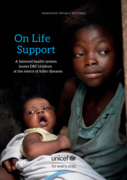
ON LIFE SUPPORT3The Democratic Republic of Congo’s Ebola outbreak has been contained, but confl ict and under-development leave over three million children at risk from measles and other killer diseases. The country’s medical services – ill-equipped and under-resourced – are on life support
...
and in no condition to protect children unless urgent measures are taken.
more

Human rights must be at the centre of all prevention, preparedness, containment and treatment efforts from the start, in order to best protect public health and support the groups and people who are most at risk. States have an obligation to protect and guarantee everyone the right to the highest at
...
tainable standard of health.
All European states have committed to fulfilling the right to health and have signed international and regional human rights treaties to that purpose. In the context of the current pandemic, authorities should engage all available resources to counter the pandemic while fulfilling the right to health.
more

Frequently asked questions (FAQs)
This document highlights COVID-19 specific considerations in relation to camp and camp-like settings, and is intended to assist in guiding operations where camp/site management5 is being implemented. Although the guidance - structured around questions from the fiel
...
d - is intended for camp/site managers, UNHCR senior managers/ heads of ooffices, field coordinators and other staff (e.g. programme, protection) should be aware of the guidance and the operational implications in order to provide appropriate support, including to partners implementing camp/site management programmes.
more
Women, the elderly, adolescents, youth, and children,
persons with disabilities, indigenous populations, refugees,
migrants, and minorities experience the highest degree
of socio-economic marginalization. Marginalized people
become even more vulnerable in emergencies.1 This is due
to factors su
...
ch as their lack of access to effective surveillance
and early-warning systems, and health services. The
COVID-19 outbreak is predicted to have significant impacts
on various sectors.
The populations most at risk are those that:
• depend heavily on the informal economy;
• occupy areas prone to shocks;
• have inadequate access to social services or political
influence;
• have limited capacities and opportunities to cope and
adapt and;
• limited or no access to technologies.
By understanding these issues, we can support the capacity
of vulnerable populations in emergencies. We can give
them priority assistance, and engage them in decision-making
processes for response, recovery, preparedness, and
risk reduction.
more
COVID-19 Book of Five - Response and Containment Measures for ANM, ASHA, AWW
Ministry of Health & Family Welfare Government of India; National Health Mission
Ministry of Health & Family Welfare Government of India; National Health Mission
(2020)
C2
Accessed: 20.04.2020
Thematic Report– 3 April 2020
ACAPS Risk Analysis: COVID19
info@acaps.org
The Government of Malawi, in fulfilling its primary role of protecting the lives of its vulnerable citizens during disasters and reducing their exposure to risk through preparedness, led the development of a National Coronavirus Disease (COVID-19) Preparedness and Response Plan.
Updated guidance. The guidance provides useful information to staff working in prisons, as well as to health and prison authorities, explaining how to prevent and address a potential outbreak of COVID-19. In addition, it aims to protect the health and well-being of all those who live and work in, an
...
d visit, these settings and the general population at large. People deprived of their liberty, and living or working in enclosed environments in close proximity, are likely to be more vulnerable to the COVID-19 disease than the general population. Moreover, correctional facilities may amplify and enhance COVID-19 transmission beyond their walls.
more
Putting Human Rights at the Heart of the Response
Topic in Focus: COVID-19 and Women’s Human Rights
15 April 2020
Stay-at-home restrictions and other measures restricting the movement of people contribute to an increase in genderbased violence, a finding confirmed by media reports, official
...
statements and information received from OHCHR field presences and human rights defenders in many countries.
Women and girls already in abusive situations are more exposed to increased control and restrictions by their abusers, with little or no recourse to seek support. Hotlines receive reports of women being threatened with being thrown out of their homes, exposed to the infection, or having financial resources and medical aid withheld.
more
30/03/2020 (V1) 06/04/2020 (V2)
Selon l’Organisation Mondiale de la Santé (OMS), la COVID-19 est la maladie infectieuse causée par le dernier coronavirus qui a été découvert. Ce nouveau virus était inconnu avant l’apparition de la flambée à Wuhan en Chine en décembre 2019.
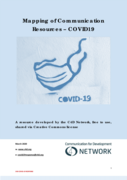
Mapping of Communication Resources COVID-19
recommended
This resource mapping contains signposting and direct links to a range of resource sites and content online; this includes information about the main sources for trustworthy information about the pandemic; sites for e-learning; organisations providing COVID-19 communication response guidance and too
...
ls; and sites providing downloadable materials such as factsheets and posters and access to material such as videos and audio.
more
27 March 2020
Countrys: World and Kenya, Zambia, Ethiopia
The restrictions on movement imposed as a result of the COVID-19 pandemic constitute one of the largest single global challenges that the humanitarian community has ever encountered. Maintaining continuity and quality in the delivery of e
...
ssential assistance and services, including protection services, in the face of these restrictions requires operations to quickly innovate, leveraging fully the rich capacities and established networks within both communities of persons of concern, as well as host communities.
more

Nearly 800 women die every day from preventable maternal causes, and in 2022 alone, an estimated 2.3 million newborns died. For every maternal death, countless more women endure life-altering injuries, infections, and disabilities related to childbirth.
Maternal deaths are concentrated in the poo
...
rest regions and conflict-affected areas. In 2020, sub-Saharan Africa accounted for nearly 70% of all maternal deaths, with just 22 countries responsible for 81% of the global total. Humanitarian crises and fragile health systems exacerbate these challenges, with maternal mortality rates in crisis-affected areas often double the global average. The barriers to progress are multifaceted, including inadequate funding, poor-quality healthcare, harmful gender and social norms, and critical gaps in data and accountability.
more
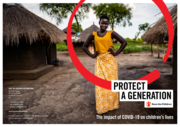
An estimated 99% of children worldwide – or more than 2.3 billion children – live in one of the 186 countries that have implemented some form of restrictions due to COVID-191. Although children are not at a high risk of direct harm from the virus, they are disproportionately affected by its hid
...
den impacts.
more
19 April 2020
To contain the spread of COVID-19 and to keep infections at a manageable level, many countries have instituted lockdowns and social distancing. In India, a nationwide 21-day lockdown was announced with effect from 25 March 2020. This lockdown is expected to avert a sudden and large in
...
crease in the number of infections in the short term. Additionally, interventions such as social distancing and isolation of infected individuals over several months could reduce peak infections. Interventions such as frequent handwashing, reduced mass gatherings, contact tracing, and quarantines could slow transmission and reduce overall infections.
more
Muitos países já demonstraram que a transmissão por COVID- 19 de uma pessoa para outra pode ser desacelerada ou interrompida. Essas ações salvaram vidas e deram ao restante do mundo mais tempo para se preparar para a chegada da COVID-19: prontidão dos sistemas de resposta a emergências; aumen
...
to da capacidade de detecção e assistência aos pacientes; garantia de espaço, insumos e equipes necessárias nos hospitais, e desenvolvimento de intervenções médicas que salvam vidas. Todos os países devem urgentemente tomar as medidas necessárias para desacelerar a disseminação e evitar que seus sistemas de saúde fiquem sobrecarregados, em função de pacientes gravemente doentes por COVID-19.
more

Community-based health care, including outreach and campaigns,in the context of the COVID-19 pandemic
recommended
The COVID-19 pandemic is challenging health systems across the world. Rapidly increasing demand for care of people with COVID-19 is compounded by fear, misinformation and limitations on the movement of people and supplies that disrupt the delivery of frontline health care for all people...
This g
...
uidance addresses the specific role of community-based health care in the pandemic context and outlines the adaptations needed to keep people safe, maintain continuity of essential services and ensure an effective response to COVID-19. It is intended for decision-makers and managers at the national and subnational levels and complements a range of other guidance, including that on priority public health interventions, facility-based care, and risk communication and community engagement in the setting of the COVID-19 pandemic.
more
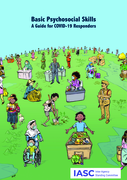
Basic psychosocial support skills are at the core of any Mental Health and PsychosocialSupport (MHPSS) intervention. Such skills are also indispensable for many others involvedin the COVID-19 response, whether they identify as an MHPSS provider or not. Thus, this guide is meant for all COVID-19 resp
...
onders.
It is available in different languages: English, French, Spanish, Arabic, Amharic, Greek, Chinese, Bahasa Indonesia, Russian
more
