
Filter
7699
Text search:
disease
response
Featured
815
1853
Language
7181
278
216
182
132
113
51
39
31
9
7
6
6
6
5
5
5
5
5
5
3
3
3
2
2
2
2
2
2
2
1
1
1
1
1
1
1
1
1
1
1
1
1
1
1
1
1
1
1
1
1
1
1
1
1
1
1
1
1
1
1
1
1
Document type
3472
1477
1288
472
374
263
153
95
42
25
22
9
4
1
Countries
413
317
215
202
192
153
149
146
145
140
133
122
106
98
97
97
96
91
89
85
81
80
78
69
67
67
65
65
63
62
62
61
55
54
51
49
47
45
41
37
37
36
35
35
29
27
27
25
24
22
21
20
20
19
19
18
18
17
17
16
15
15
13
13
12
12
12
11
11
10
10
9
9
9
8
8
8
8
7
7
7
6
6
6
6
6
6
6
6
5
5
4
4
4
4
4
4
4
4
4
4
4
4
3
3
3
3
3
3
3
3
3
3
3
3
3
3
2
2
2
2
2
2
2
2
2
2
2
2
2
1
1
1
1
1
1
1
1
1
1
1
1
1
1
1
1
1
1
1
1
1
1
1
1
1
Authors & Publishers
1271
328
244
216
197
139
119
82
77
69
66
66
63
51
51
48
47
46
42
32
30
30
28
27
26
25
25
24
24
24
23
23
22
22
21
21
21
20
20
20
20
20
20
19
19
19
19
18
18
18
18
18
17
17
17
17
17
16
16
16
16
16
16
16
16
16
15
15
15
15
14
14
14
14
14
14
14
14
14
14
13
13
13
13
13
13
13
13
13
13
12
12
12
12
12
11
11
11
11
11
11
11
10
10
10
10
10
10
10
10
10
10
10
10
10
9
9
9
9
9
9
9
9
9
9
9
9
9
9
9
9
9
8
8
8
8
8
8
8
8
8
8
8
8
7
7
7
7
7
7
7
7
7
7
7
7
7
7
7
6
6
6
6
6
6
6
6
6
6
6
6
6
6
6
6
6
6
6
6
6
6
6
6
6
6
6
6
5
5
5
5
5
5
5
5
5
5
5
5
5
5
5
5
5
5
5
5
5
5
5
5
5
5
5
5
5
5
5
5
5
5
5
5
5
5
5
5
5
5
5
5
4
4
4
4
4
4
4
4
4
4
4
4
4
4
4
4
4
4
4
4
4
4
4
4
4
4
4
4
4
4
4
4
4
4
4
4
4
4
4
4
4
4
4
4
4
4
4
4
4
4
4
4
4
4
4
4
4
4
4
4
4
4
4
4
3
3
3
3
3
3
3
3
3
3
3
3
3
3
3
3
3
3
3
3
3
3
3
3
3
3
3
3
3
3
3
3
3
3
3
3
3
3
3
3
3
3
3
3
3
3
3
3
3
3
3
3
3
3
3
3
3
3
3
3
3
3
3
3
3
3
3
3
3
3
3
3
3
3
3
3
3
3
3
3
3
3
3
3
3
3
3
3
3
3
3
3
3
3
3
3
3
3
3
3
3
3
3
3
3
3
3
3
3
3
3
3
3
3
3
3
3
3
3
3
3
3
3
3
3
3
3
3
3
3
3
3
3
3
3
3
3
3
3
3
2
2
2
2
2
2
2
2
2
2
2
2
2
2
2
2
2
2
2
2
2
2
2
2
2
2
2
2
2
2
2
2
2
2
2
2
2
2
2
2
2
2
2
2
2
2
2
2
2
2
2
2
2
2
2
2
2
2
2
2
2
2
2
2
2
2
2
2
2
2
2
2
2
2
2
2
2
2
2
2
2
2
2
2
2
2
2
2
2
2
2
2
2
2
2
2
2
2
2
2
2
2
2
2
2
2
2
2
2
2
2
2
2
2
2
2
2
2
2
2
2
2
2
2
2
2
2
2
2
2
2
2
2
2
2
2
2
2
2
2
2
2
2
2
2
2
2
2
2
2
2
2
2
2
2
2
2
2
2
2
2
2
2
2
2
2
2
2
2
2
2
2
2
2
2
2
2
2
2
2
2
2
2
2
2
2
2
2
2
2
2
2
2
2
2
2
2
2
2
2
2
2
2
2
2
2
2
2
2
2
2
2
2
2
2
2
2
2
2
2
2
2
2
2
2
2
2
2
2
2
2
2
2
2
2
2
2
2
2
2
2
2
2
2
2
2
2
2
2
2
2
2
2
2
2
2
2
2
2
2
2
2
2
2
2
2
2
2
2
2
2
2
2
2
2
2
2
2
2
2
2
2
2
2
2
2
2
2
2
2
2
2
2
2
2
2
2
2
2
2
2
2
2
2
2
2
2
2
2
2
2
2
2
2
2
2
2
2
2
2
2
2
2
2
2
2
2
2
2
2
2
2
2
2
2
2
2
2
2
2
2
2
2
2
2
2
2
2
2
2
2
2
2
2
2
2
2
2
2
2
2
1
1
1
1
1
1
1
1
1
1
1
1
1
1
1
1
1
1
1
1
1
1
1
1
1
1
1
1
1
1
1
1
1
1
1
1
1
1
1
1
1
1
1
1
1
1
1
1
1
1
1
1
1
1
1
1
1
1
1
1
1
1
1
1
1
1
1
1
1
1
1
1
1
1
1
1
1
1
1
1
1
1
1
1
1
1
1
1
1
1
1
1
1
1
1
1
1
1
1
1
1
1
1
1
1
1
1
1
1
1
1
1
1
1
1
1
1
1
1
1
1
1
1
1
1
1
1
1
1
1
1
1
1
1
1
1
1
1
1
1
1
1
1
1
1
1
1
1
1
1
1
1
1
1
1
1
1
1
1
1
1
1
1
1
1
1
1
1
1
1
1
1
1
1
1
1
1
1
1
1
1
1
1
1
1
1
1
1
1
1
1
1
1
1
1
1
1
1
1
1
1
1
1
1
1
1
1
1
1
1
1
1
1
1
1
1
1
1
1
1
1
1
1
1
1
1
1
1
1
1
1
1
1
1
1
1
1
1
1
1
1
1
1
1
1
1
1
1
1
1
1
1
1
1
1
1
1
1
1
1
1
1
1
1
1
1
1
1
1
1
1
1
1
1
1
1
1
1
1
1
1
1
1
1
1
1
1
1
1
1
1
1
1
1
1
1
1
1
1
1
1
1
1
1
1
1
1
1
1
1
1
1
1
1
1
1
1
1
1
1
1
1
1
1
1
1
1
1
1
1
1
1
1
1
1
1
1
1
1
1
1
1
1
1
1
1
1
1
1
1
1
1
1
1
1
1
1
1
1
1
1
1
1
1
1
1
1
1
1
1
1
1
1
1
1
1
1
1
1
1
1
1
1
1
1
1
1
1
1
1
1
1
1
1
1
1
1
1
1
1
1
1
1
1
1
1
1
1
1
1
1
1
1
1
1
1
1
1
1
1
1
1
1
1
1
1
1
1
1
1
1
1
1
1
1
1
1
1
1
1
1
1
1
1
1
1
1
1
1
1
1
1
1
1
1
1
1
1
1
1
1
1
1
1
1
1
1
1
1
1
1
1
1
1
1
1
1
1
1
1
1
1
1
1
1
1
1
1
1
1
1
1
1
1
1
1
1
1
1
1
1
1
1
1
1
1
1
1
1
1
1
1
1
1
1
1
1
1
1
1
1
1
1
1
1
1
1
1
1
1
1
1
1
1
1
1
1
1
1
1
1
1
1
1
1
1
1
1
1
1
1
1
1
1
1
1
1
1
1
1
1
1
1
1
1
1
1
1
1
1
1
1
1
1
1
1
1
1
1
1
1
1
1
1
1
1
1
1
1
1
1
1
1
1
1
1
1
1
1
1
1
1
1
1
1
1
1
1
1
1
1
1
1
1
1
1
1
1
1
1
1
1
1
1
1
1
1
1
1
1
1
1
1
1
1
1
1
1
1
1
1
1
1
1
1
1
1
1
1
1
1
1
1
1
1
1
1
1
1
1
1
1
1
1
1
1
1
1
1
1
1
1
1
1
1
1
1
1
1
1
1
1
1
1
1
1
1
1
1
1
1
1
1
1
1
1
1
1
1
1
1
1
1
1
1
1
1
1
1
1
1
1
1
1
1
1
1
1
1
1
1
1
1
1
1
1
1
1
1
1
1
1
1
1
1
1
1
1
1
1
1
1
1
1
1
1
1
1
1
1
1
1
1
1
1
1
1
1
1
1
1
1
1
1
1
1
1
1
1
1
1
1
1
1
1
1
1
1
1
1
1
1
1
1
1
1
1
1
1
1
1
1
1
1
1
1
1
1
1
1
1
1
1
1
1
1
1
1
1
1
1
1
1
1
1
1
1
1
1
1
1
1
1
1
1
1
1
1
1
1
1
1
1
1
1
1
1
1
1
1
1
1
1
1
1
1
1
1
1
1
1
1
1
1
1
1
1
1
1
1
1
1
1
1
1
1
1
1
1
1
1
1
1
1
1
1
1
1
1
1
1
1
1
1
1
1
1
1
1
1
1
1
1
1
1
1
1
1
1
1
1
1
1
1
1
1
1
1
1
1
1
1
1
1
1
1
1
1
1
1
1
1
1
1
1
1
1
1
1
1
1
1
1
1
1
1
1
1
1
1
1
1
1
1
1
1
1
1
1
1
1
1
1
1
1
1
1
1
1
1
1
1
1
1
1
1
1
1
1
1
1
1
1
1
1
1
1
1
1
1
1
1
1
1
1
1
1
1
1
1
1
1
1
1
1
1
1
1
1
1
1
1
1
1
1
1
1
1
1
1
1
1
1
1
1
1
1
1
1
1
1
1
1
1
1
1
1
1
1
1
1
1
1
1
1
1
1
1
1
1
1
1
1
1
1
1
1
1
1
1
1
1
1
1
1
1
1
1
1
1
1
1
1
1
1
1
1
1
1
1
1
1
1
1
1
1
1
1
1
1
1
1
1
1
1
1
1
1
1
1
1
1
1
1
1
1
1
1
1
1
1
1
1
1
1
1
1
1
1
1
1
1
1
1
1
1
1
1
1
1
1
1
1
1
1
1
1
1
1
1
1
1
1
1
1
1
1
1
1
1
1
1
1
1
1
1
1
1
1
1
1
1
1
1
1
1
1
1
1
1
1
1
1
1
1
1
1
1
1
1
1
1
1
1
1
1
1
1
1
1
1
1
1
1
1
1
1
1
1
1
1
1
1
1
1
1
1
1
1
1
1
1
1
1
1
1
1
1
1
1
1
1
1
1
1
1
1
1
1
1
1
1
1
1
1
1
1
1
1
1
1
1
1
1
1
1
1
1
1
1
1
1
1
1
1
1
1
1
1
1
1
1
1
1
1
1
1
1
1
1
1
1
1
1
1
1
1
1
1
1
1
1
1
1
1
1
1
1
1
1
1
1
1
1
1
1
1
1
1
1
1
1
1
1
1
1
1
1
1
1
1
1
1
1
1
1
1
1
1
1
1
1
1
1
1
1
1
1
1
1
1
1
1
1
1
1
1
1
1
1
1
1
1
1
1
1
1
1
1
1
1
1
1
1
1
1
1
1
1
1
1
1
1
1
1
1
1
1
1
1
1
1
1
1
1
1
1
1
1
1
1
1
1
1
1
1
1
1
1
1
1
1
1
1
1
1
1
1
1
1
1
1
1
1
1
1
1
1
1
1
1
1
1
1
1
1
1
1
1
1
1
1
1
1
1
1
1
1
1
1
1
1
1
1
1
1
1
1
1
1
1
1
1
1
1
1
1
1
1
1
1
1
1
1
1
1
1
1
1
1
1
1
1
1
1
1
1
1
1
1
1
1
1
1
1
1
1
1
1
1
1
1
1
1
1
1
1
1
1
1
1
1
1
1
1
1
1
1
1
1
1
1
1
1
1
1
1
1
1
1
1
1
1
1
1
1
1
1
1
1
1
1
1
1
1
1
1
1
1
1
1
1
1
1
1
1
1
1
1
1
1
1
1
1
1
1
1
1
1
1
1
1
1
1
1
1
1
1
1
1
1
1
1
1
1
1
1
1
1
1
1
1
1
1
1
1
1
1
1
1
1
1
1
1
1
1
1
1
1
1
1
1
1
1
1
1
1
1
1
1
1
1
1
1
1
1
1
1
1
1
1
1
1
1
1
1
1
1
1
1
1
1
1
1
1
1
1
1
1
1
1
1
1
1
1
1
1
1
1
1
1
1
1
1
1
1
1
1
1
1
1
1
1
1
1
1
1
1
1
1
1
1
1
1
1
1
1
1
1
1
1
1
1
1
1
1
1
1
1
1
1
1
1
1
1
1
1
1
1
1
1
1
1
1
1
1
1
1
1
1
1
1
1
1
1
1
1
1
1
1
1
1
1
1
1
1
1
1
1
1
1
1
1
1
1
1
1
1
1
1
1
1
1
1
1
1
1
1
1
1
1
1
1
1
1
1
1
1
1
1
1
1
1
1
1
1
1
1
1
1
1
1
1
1
1
1
1
1
1
1
1
1
1
1
1
1
1
1
1
1
1
1
1
1
1
1
1
1
1
1
1
1
1
1
1
1
1
1
1
1
1
1
1
1
1
1
1
1
1
1
1
1
1
1
1
1
1
1
1
1
1
1
1
1
1
1
1
1
1
1
1
1
1
1
1
1
1
1
1
1
1
1
1
1
1
1
1
1
1
1
1
1
1
1
1
1
1
1
1
1
1
1
1
1
1
1
1
1
1
1
1
1
1
1
1
1
1
1
1
1
1
1
1
1
1
1
1
1
1
1
1
1
1
1
1
1
1
1
1
1
1
1
1
1
1
1
1
1
1
1
1
1
1
1
1
1
1
1
1
1
1
1
1
1
1
1
1
1
1
1
1
1
1
1
1
1
1
1
1
1
1
1
1
1
1
1
1
1
1
1
1
1
1
1
1
1
1
1
1
1
1
1
1
1
1
1
1
1
1
1
1
1
1
1
1
1
1
1
1
1
1
1
1
1
1
1
1
1
1
1
1
1
1
1
1
1
1
1
1
1
1
1
1
1
1
1
1
1
1
1
1
1
1
1
1
1
1
1
1
1
1
1
1
1
1
1
1
1
1
1
1
1
1
1
1
1
1
1
1
1
1
1
1
1
1
1
1
1
1
1
1
1
1
1
1
1
1
1
1
1
1
1
1
1
1
1
1
1
1
1
1
1
1
1
1
1
1
1
1
1
1
1
1
1
1
1
1
1
1
1
1
1
1
1
1
1
1
1
1
1
1
1
1
1
1
1
1
1
1
1
1
1
1
1
1
1
1
1
1
1
1
1
1
1
1
1
1
1
1
1
1
1
1
1
1
1
1
1
1
1
1
1
1
1
1
1
1
1
1
1
1
1
1
1
1
1
1
1
1
1
1
1
1
1
1
1
1
1
1
1
1
1
1
1
1
1
1
1
1
1
1
1
1
1
1
1
1
1
1
1
1
1
1
1
1
1
1
1
1
1
1
1
1
1
1
1
1
1
1
1
1
1
1
1
1
1
1
1
1
1
1
1
1
1
1
1
1
1
1
1
1
1
1
1
1
1
1
1
1
1
1
1
1
1
1
1
1
1
1
1
1
1
1
1
1
1
1
1
1
1
1
1
1
1
1
1
1
1
1
1
1
1
1
1
1
1
1
1
1
1
1
1
1
1
1
1
1
1
1
1
1
1
1
1
1
1
1
1
1
1
1
1
1
1
1
1
1
1
1
1
1
1
1
1
1
1
1
1
1
1
1
1
1
1
1
1
1
1
1
1
1
1
1
1
1
1
1
1
1
1
1
1
1
1
1
1
1
1
1
1
1
1
1
1
1
1
1
1
1
1
1
1
1
1
1
1
1
1
1
1
1
1
1
1
1
1
1
1
1
1
1
1
1
1
1
1
1
1
1
1
1
1
1
1
1
1
1
1
1
1
1
1
1
1
1
1
1
1
1
1
1
1
1
1
1
1
1
1
1
1
1
1
1
1
1
1
1
1
1
1
1
1
1
1
1
1
1
1
1
1
1
1
1
1
1
1
1
1
1
1
1
1
1
1
1
1
1
1
1
1
1
1
1
1
1
1
1
1
1
1
1
1
1
1
1
1
1
1
1
1
1
1
1
1
1
1
1
1
1
1
1
1
1
1
1
1
1
1
1
1
1
1
1
1
1
1
1
1
1
1
1
1
1
1
1
1
1
1
1
1
1
1
1
1
1
1
1
1
1
1
1
1
1
1
1
1
1
1
1
1
1
1
1
1
1
1
1
1
1
1
1
1
1
1
1
1
1
1
1
1
1
1
1
1
1
1
1
1
1
1
1
1
1
1
1
1
1
1
1
1
1
1
1
1
1
1
1
1
1
1
1
1
1
1
1
1
1
1
1
1
1
1
1
1
1
1
1
1
1
1
1
1
1
1
1
1
1
1
1
1
1
1
1
1
1
1
1
1
1
1
1
1
1
1
1
1
1
1
1
1
1
1
1
1
1
1
1
1
1
1
1
1
1
1
1
1
1
1
1
1
1
1
1
1
1
1
1
1
1
1
1
1
1
1
1
1
1
1
1
1
1
1
1
1
1
1
1
1
1
1
1
1
1
1
1
1
1
1
1
1
1
1
1
1
1
1
1
1
1
1
1
1
1
1
1
1
1
1
1
1
1
1
1
1
1
1
1
1
1
1
1
1
1
1
1
1
1
1
1
1
1
1
1
1
1
1
1
1
1
1
1
1
1
1
1
1
1
1
1
1
1
1
1
1
1
1
1
1
1
1
1
1
1
1
1
1
1
1
1
1
1
1
1
1
1
1
1
1
1
1
1
1
1
1
1
1
1
1
1
1
1
1
1
1
1
1
1
1
1
1
1
1
1
1
1
1
1
1
1
1
1
1
1
1
1
1
1
1
1
1
1
1
1
1
1
1
1
1
1
1
1
1
1
1
1
1
1
1
1
1
1
1
1
1
1
1
1
1
1
1
1
1
1
1
1
1
1
1
1
1
1
1
1
1
1
1
1
1
1
1
1
1
1
1
1
1
1
1
1
1
1
1
1
1
1
1
1
1
1
1
1
1
1
1
1
1
1
1
1
1
1
1
1
1
1
1
1
1
1
1
1
1
1
1
1
1
1
1
1
1
1
1
1
1
1
1
1
1
1
1
1
1
1
1
1
1
1
1
1
1
1
1
1
1
1
1
1
1
1
1
1
1
1
1
1
1
1
1
1
1
1
1
1
1
1
1
1
1
1
1
1
1
1
1
1
1
1
1
1
1
1
1
1
1
1
1
1
1
1
1
1
1
1
1
1
1
1
1
1
1
1
1
1
1
1
1
1
1
1
1
1
1
1
1
1
1
1
1
1
1
1
1
1
1
1
1
1
1
1
1
1
1
1
1
1
1
1
1
1
1
1
1
1
1
1
1
1
1
1
1
1
1
1
1
1
1
1
1
1
1
1
1
1
1
1
1
1
1
1
1
1
1
1
1
1
1
1
1
1
1
1
1
1
1
1
1
1
1
1
1
1
1
1
1
1
1
1
1
1
1
1
1
1
1
1
1
1
1
1
1
1
1
1
1
1
1
1
1
1
1
1
1
1
1
1
1
1
1
1
1
1
1
1
1
1
1
1
1
1
1
1
1
1
1
1
1
1
1
1
1
1
1
1
1
1
1
1
1
1
1
1
1
1
1
1
1
1
1
1
1
1
1
1
1
1
1
1
1
1
1
1
1
1
1
1
1
1
1
1
1
1
1
1
1
1
1
1
1
1
1
1
1
1
1
1
1
1
1
1
1
1
1
1
1
1
1
1
1
1
1
1
1
1
1
1
1
1
1
1
1
1
1
1
1
1
1
1
1
1
1
1
1
1
1
1
1
1
1
1
1
1
1
1
1
1
1
1
1
1
1
1
1
1
1
1
1
1
1
1
1
1
1
1
1
1
1
1
1
1
1
1
1
1
1
1
1
1
1
1
1
1
1
1
1
1
1
1
1
1
1
1
1
1
1
1
1
1
1
1
1
1
1
1
1
1
1
1
1
1
1
1
1
1
1
1
1
1
1
1
1
1
1
1
1
1
1
1
1
1
1
1
1
1
1
1
1
1
1
1
1
1
1
1
1
1
1
1
1
1
1
1
1
1
1
1
1
1
1
1
1
1
1
1
1
1
1
1
1
1
1
1
1
1
1
1
1
1
1
1
1
1
1
1
1
1
1
1
1
1
1
1
1
1
1
1
1
1
1
1
1
1
1
1
1
1
1
1
1
1
1
1
1
1
1
1
1
1
1
1
1
1
1
1
1
1
1
1
1
1
1
1
1
1
1
1
1
1
1
1
1
1
1
1
1
1
1
1
1
1
1
1
1
1
1
1
1
1
1
1
1
1
1
1
1
1
1
1
1
1
1
1
1
1
1
1
1
1
1
1
1
1
1
1
1
1
1
1
1
1
1
1
1
1
1
1
1
1
1
1
1
1
1
1
1
1
1
1
1
1
1
1
1
1
1
1
1
1
1
1
1
1
1
1
1
1
1
1
1
1
1
1
1
1
1
1
1
1
1
1
1
1
1
1
1
1
1
1
1
1
1
1
1
1
1
1
1
1
1
1
1
1
1
1
1
1
1
1
1
1
1
1
1
1
1
1
1
1
1
1
1
1
1
1
1
1
1
1
1
1
1
1
1
1
1
1
1
1
1
1
1
1
1
1
1
1
1
1
1
1
1
1
1
1
1
1
1
1
1
1
1
1
1
1
1
1
1
1
1
1
1
1
1
1
1
1
1
1
1
1
1
1
1
1
1
1
1
1
1
1
1
1
1
1
1
1
1
1
1
1
1
1
1
1
1
1
1
1
1
1
1
1
1
1
1
1
1
1
1
1
1
1
1
1
1
1
1
1
1
1
1
1
1
1
1
1
1
1
1
1
1
1
1
1
1
1
1
1
1
1
1
1
1
1
1
1
1
1
1
1
1
1
1
1
1
1
1
1
1
1
1
1
1
1
1
1
1
1
1
1
1
1
1
1
1
1
1
1
1
1
1
1
1
1
1
1
1
1
1
1
1
1
1
1
1
1
1
1
1
1
1
1
1
1
1
1
1
1
1
1
1
1
1
1
1
1
1
1
1
1
1
1
1
1
1
1
1
1
1
1
1
1
1
1
1
1
1
1
1
1
1
1
1
1
1
1
1
1
1
1
1
1
1
1
1
1
1
1
1
1
1
1
1
1
1
1
1
1
1
1
1
1
1
1
1
1
1
1
1
1
1
1
1
1
1
1
1
1
1
1
1
1
1
1
1
1
1
1
1
1
1
1
1
1
1
1
1
1
1
1
1
1
1
1
1
1
1
1
1
1
1
1
1
1
1
1
1
1
1
1
1
1
1
1
1
1
1
1
1
1
1
1
1
1
1
1
1
1
1
1
1
1
1
1
1
1
1
1
1
1
1
1
1
1
1
1
1
1
1
1
1
1
1
1
1
1
1
1
1
1
1
1
1
1
1
1
1
1
1
1
1
1
1
1
1
1
1
1
1
1
1
1
1
1
1
1
1
1
1
1
1
1
1
1
1
1
1
1
1
1
1
1
1
1
1
1
1
1
1
1
1
1
1
1
1
1
1
1
1
1
1
1
1
1
1
1
1
1
1
1
1
1
1
1
1
1
1
1
1
1
1
1
1
1
1
1
1
1
1
1
1
1
1
1
1
1
1
1
1
1
1
1
1
1
1
1
1
1
1
1
1
1
1
1
1
1
1
1
1
1
1
1
1
1
1
1
1
1
1
1
1
1
1
1
1
1
1
1
1
1
1
1
1
1
1
1
1
1
1
1
1
1
1
1
1
1
1
1
1
1
1
1
1
1
1
1
1
1
1
1
1
1
1
1
1
1
1
1
1
1
1
1
1
1
1
1
1
1
1
1
1
1
1
1
1
1
1
1
1
1
1
1
1
1
1
1
1
1
1
1
1
1
1
1
1
1
1
1
1
1
1
1
1
1
1
1
1
1
1
1
1
1
1
1
1
1
1
1
1
1
1
1
1
1
1
1
1
1
1
1
1
1
1
1
1
1
1
1
1
1
1
1
1
1
1
1
1
1
1
1
1
1
1
1
1
1
1
1
1
1
1
1
1
1
1
1
1
1
1
1
1
1
1
1
1
1
1
1
1
1
1
1
1
1
1
1
1
1
1
1
1
1
1
1
1
1
1
1
1
1
1
1
1
1
1
1
1
1
1
1
1
1
1
1
1
1
1
1
1
1
1
1
1
1
1
1
1
1
1
1
1
1
1
1
1
1
1
1
1
1
1
1
1
1
1
1
1
1
1
1
1
1
1
1
1
1
1
1
1
1
1
1
1
1
1
1
1
1
1
1
1
1
1
1
1
1
1
1
1
1
1
1
1
1
1
1
1
1
1
1
1
1
1
1
1
1
1
1
1
1
1
1
1
1
1
1
1
1
1
1
1
1
1
1
1
1
1
1
1
1
1
1
1
1
1
1
1
1
1
1
1
1
1
1
1
1
1
1
1
1
1
1
1
1
1
1
1
1
1
1
1
1
1
1
1
1
1
1
1
1
1
1
1
1
1
1
1
1
1
1
1
1
1
1
1
1
1
1
1
1
1
1
1
1
1
1
1
1
1
1
1
1
1
1
1
1
1
1
1
1
1
1
1
1
1
1
1
1
1
1
1
1
1
1
1
1
1
1
1
1
1
1
1
1
1
1
1
1
1
1
1
1
1
1
1
1
1
Publication Years
3032
4066
570
29
2
Category
2797
565
436
432
294
127
82
3
Toolboxes
1166
495
433
390
306
271
229
221
214
198
193
164
148
138
123
118
114
107
106
102
101
96
61
59
25
6
2
This document, a first of its kind, clearly sets out the standards for rehabilitation and provides guidance on building or strengthening the capacity of EMTs in this area.The importance of early rehabilitation for functional outcomes is well documented. Rehabilitation needs can p
...
ersist far beyond the departure of EMTs; therefore, close, supportive collaboration must be established with local services. Emergency response presents an opportunity to rebuild devastated health systems and build local rehabilitation capacity. This document emphasizes the importance of aligning practices to the local context and maximizing opportunities for training and mentorship. The minimum standards and recommendations described will result in faster access of patients to rehabilitation services and equipment and a better transition between EMTs and local health facilities.
Available in English, German, Arabic, Chinese
more
This document, a first of its kind, clearly sets out the standards for rehabilitation and provides guidance on building or strengthening the capacity of EMTs in this area.The importance of early rehabilitation for functional outcomes is well documented. Rehabilitation needs can p
...
ersist far beyond the departure of EMTs; therefore, close, supportive collaboration must be established with local services. Emergency response presents an opportunity to rebuild devastated health systems and build local rehabilitation capacity. This document emphasizes the importance of aligning practices to the local context and maximizing opportunities for training and mentorship. The minimum standards and recommendations described will result in faster access of patients to rehabilitation services and equipment and a better transition between EMTs and local health facilities.
Available in English, German, Arabic, Chinese
more

Use of chest imaging in COVID-19 (Arab Version)
recommended
This rapid advice guide examines the evidence and makes recommendations for the use of chest imaging in acute care of adult patients with suspected, probable or confirmed COVID-19. Imaging modalities considered are radiography, computed tomography and ultrasound. This guide addresses the care pathwa
...
y from presentation of the patient to a health facility to patient discharge. It considers different levels of disease severity, from asymptomatic individuals to critically ill patients. Accounting for variations in the benefits and harms of chest imaging in different situations, remarks are provided to describe the circumstances under which each recommendation would benefit patients. The guide also includes implementation considerations for different settings, provides suggestions for impact monitoring and evaluation and identifies knowledge gaps meriting further research.
more
The National AIDS Control Council recognizes the growing, organized and progressive inter-faith religious voice in the spheres of governance and development in Kenya. Across the country, the Faith Sector has been involved in HIV prevention, treatment, care and support to programmes towards
...
the HIV response.On behalf of the board and the NACC family, I want to thank the Faith Sector Working Group (FSWG) and the Faith Religious Leaders for their contribution in HIV prevention by recognizing their comparative advantage in moulding behaviors among the various populations. We pride in your ability of being able to reach millions of Kenyans at any given time. This is the more reason why NACC wishes to sincerely thank you for working closely with us on the HIV response.We appreciate the Faith Sector support to the provision of HIV and health care services provision which has facilitated access to health services even in the remotest parts our country. The role played by the Religious Leaders in addressing stigma and discrimination as the greatest barrier to access of HIV and Health services by PLHIV and other vulnerable populations is well acknowledged.Finally, our gratitude goes to the theologians who participated in the development of the Faith Sector HIV messages booklet, which provides a tool to facilitate the Religious Leaders with knowledge to address the gaps in the HIV response among the congregants.
more
This report offers a summary of the provided support and recommendations on priority activities for IPC improvement at national and facility levels. The COVID-19 pandemic spotlighted areas for improvement in the IPC programme at national and facility levels. Improvements in the IPC programme were ac
...
hieved during the acute phase of the pandemic response. WHO will continue to support the Ministry Health of Ukraine and the Public Health Centre, as well as health facility managers and health-care providers, on the next steps to ensure the sustainability of progress achieved and to further enhance IPC in health-care settings.
more
Since the release of the first volume in May 2020, the COVID-19 pandemic has continued to rage around the world. By mid-March, 2021, countries around the globe had reported over 123 million cases—a nearly five-fold increase since this report’s previous volume—and over 2.7 million deaths attrib
...
uted to the disease. And while new case loads are currently on the rise again, the global health community has already administered almost 400 million doses of vaccines, at last offering some signs of hope and progress.
Economic impacts threaten to undo decades of recent progress in poverty reduction, child nutrition and gender equality, and exacerbate efforts to support refugees, migrants, and other vulnerable communities. National and local governments—together with international and private-sector partners—must deploy vaccines as efficiently, safely and equitably as possible while still monitoring for new outbreaks and continuing policies to protect those who do not yet have immunity.
More than ever, the world needs reliable and trustworthy data and statistics to inform these important decisions. The United Nations and all member organizations of the Committee for the Coordination of Statistical Activities (CCSA) collect and make available a wealth of information for assessing the multifaceted impacts of the pandemic. This report updates some of the global and regional trends presented in Volume I and offers a snapshot of how COVID-19 continues to affect the world today across multiple domains.
more
People-centered approaches that help communities maintain protective behaviours and follow guidelines set out by public health and government agencies are more important than ever. The evidence is clear, communities play a role in preventing and controlling epidemics and they are best able to take a
...
ction and slow or stop the spread of disease when properly engaged and empowered. This toolbox in 2 parts offers best practice approaches to community engagement with families. Promoting individual and joint responsibilities for the safety of the family, this toolbox aims to bring families and households together to manage shared risks and agree to safe behaviours critical for their safety and the safety of their community.
more

This document is based on currently available scientific evidence on treatment for drug use disorders and sets out a framework for the implementation of the Standards, in line with principles of public health care. The Standards identify major components and features of effective systems for the tre
...
atment of drug use disorders. They describe treatment modalities and interventions to match the needs of people at different stages and severities of drug use disorders, in a manner consistent with the treatment of any chronic disease or health condition. The Standards are aspirational, and such, national or local treatment services or systems need not attempt to meet all the standards and recommendations made in this document all at once. However over time, progressive quality improvement, with ‘evidence-based and ethical practice’ as an objective, can and should be expected to achieve better organized, more effective and ethical systems and services for people with drug use disorders.
more
Community health workers (CHWs) play a significant role in Primary health Care due to their proximity to households, communities and the health care system. Many studies focus on CHWs and the work they do. However, few have examined their experiences and identity and how that might influence how the
...
y view and perform their roles. The objectives of the study were to: Describe the role of CHWs in community-based health care in Northern Cape, Identify the perceived barriers and enablers to CHWs role performance, Explore CHWs views regarding the support from the communities and the formal healthcare system in Northern Cape. An exploratory qualitative design using focus groups was adopted. Forty-six (46) CHWs were purposively selected using the critical case sampling approach. Data were collected through three focus group interviews in three regions. Analysis followed the Graneheim & Lundman thematic analysis. Three themes emerged from data: perceived contribution to Primary Health Care, recognition of CHWs role, measures to improve working conditions. Findings showed that CHWs were engaged in various health and social care roles, they believed that they made a significant contribution to PHC, and that the health system persistently relied on their services. The enabler for finding meaning in their work was the positive community response and the good relations they had with the team leaders. The major barrier was the structure of the CHWs programme and the perceived lack of support by the government. The complex issues CHWs address in the community call for a review of their roles and workload as well as the support they receive from the formal healthcare system.
more
For the primary health worker in a low/middle-income country (LMIC) setting, delivering quality primary care is challenging. This is often complicated by clinical guidance that is out of date, inconsistent and informed by evidence from high-income countries that ignores LMIC resource constraints and
...
burden of disease. The Knowledge Translation Unit (KTU) of the University of Cape Town Lung Institute has developed, implemented and evaluated a health systems intervention in South Africa, and localised it to Botswana, Nigeria, Ethiopia and Brazil, that simplifies and standardises the care delivered by primary health workers while strengthening the system in which they work. At the core of this intervention, called Practical Approach to Care Kit (PACK), is a clinical decision support tool, the PACK guide. This paper describes the development of the guide over an 18-year period and explains the design features that have addressed what the patient, the clinician and the health system need from clinical guidance, and have made it, in the words of a South African primary care nurse, ‘A tool for every day for every patient’. It describes the lessons learnt during the development process that the KTU now applies to further development, maintenance and in-country localisation of the guide: develop clinical decision support in context first, involve local stakeholders in all stages, leverage others’ evidence databases to remain up to date and ensure content development, updating and localisation articulate with implementation.
more
Mosby’s Pocket Guide to Nursing Skills and Procedures, eighth edition, is
a practical, portable reference for students and practitioners in the
clinical setting. Grouped alphabetically, 85 commonly performed skills
are presented in a clear, step-by-step format that includes:
■ Purpose for pe
...
rforming each skill
■ Guidelines to help students in delegating tasks to assistive
personnel
■ List of equipment required
■ Rationales to explain why specific techniques are used
■ Full-color photographs and drawings to provide visual
reinforcement
In addition, Safety Alerts are included in the skills to highlight important
information about patient safety and effective performance.
Current Standard Precautions guidelines from the Centers for Disease
Control and Prevention are incorporated throughout. Preprocedure
and postprocedure protocols are conveniently located on the inside
back cover.
more
The World Health Organization’s comprehensive antenatal care (ANC) guideline WHO recommendations on antenatal care for a positive pregnancy experience was published in 2016 with the objective of improving the quality of routine health care that all women and adolescent girls receive during pregnan
...
cy. The overarching principle – to provide pregnant service users with a positive pregnancy experience – aims to encourage countries to expand their health-care agendas beyond survival, with a view to maximizing health, human rights and the potential of their populations. Recognizing that ANC provides a strategic platform for important health-care functions, including health promotion and disease prevention, 14 out of the 49 recommendations in the WHO 2016 ANC guideline relate to nutrition in pregnancy.
more
Since the launch of the 2012–2020 World Health Organization (WHO) road map for the control, elim-ination and eradication of neglected tropical diseases (NTDs) (1), considerable progress against NTDs has been made. Between 2010 and 2020, the number of people requiring interventions against NTDs glo
...
bally fell by 600 million, and 42 countries, areas and territories eliminated at least one NTD (2). In January 2021, a new NTD road map for 2021–2030 (2) was launched, setting future targets and mile-stones for 20 diseases and disease groups. The road map also sets cross-cutting targets, including for strengthened capacity of national health systems to deliver interventions through existing infrastructure.
more
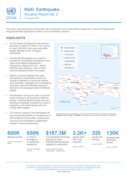
On 25 August, UN agencies and partners launched a US$187.3 million Flash Appeal to reach 500,000 of the most vulnerable people affected by the 14 August earthquake.
Around 650,000 people are in need of emergency humanitarian assistance in the three most affected departments – Grand’Anse, Nipp
...
es and Sud – where 634,000 were already in need of multisectoral assistance before the quake.
Based on lessons learned from past emergencies, humanitarian actors are aiming to capitalize on local and national level expertise, capacities and knowledge to promote a rapid and effective response tailored to the expressed needs of affected people.
more
The internationally recognized criteria for diagnosis of neurocysticercosis include a requirement for neuroimaging techniques, such as computerized tomography (CT) and/or magnetic resonance imaging (MRI), ideally supported by serology. These facilities are not available in all settings, especially i
...
n rural areas of low-income countries, making it difficult to identify and treat patients. Additionally, there is controversy about the role, type and duration of anthelmintic, antiinflammatory and antiepileptic drug (AED) treatments for different forms of neurocysticercosis.
These guidelines were developed to assist health-care providers in appropriate, evidence-based management of parenchymal neurocysticercosis. The guidelines do not address other forms of neurocysticercosis and do not include management of extraparenchymal disease (including cysticerci in the cerebral ventricles or subarachnoid space). The aim of the guidance is to improve decision-making to ensure appropriate patient care and to avoid misdiagnoses and inappropriate treatment of patients with neurocysticercosis.
more

Every country has been affected by COVID-19, with nearly a quarter
of a billion cases and almost 5 million deaths reported globally as of
end of September 2021. Despite the stunning speed with which highly
effective and safe vaccines have been developed, new waves of
...
disease
are still pushing health systems to the breaking point, increasingly
transmissible variants are emerging, some survivors are suffering
serious long-term sequelae, and the International Monetary Fund
estimates that global economic losses could exceed US$5.3 trillion
by 2026, if COVID-19 becomes endemic.
Although over 6 billion doses of COVID-19 vaccine have already been
administered, and global production is now reaching 1.5 billion doses
per month, the world is not positioned to end the pandemic. In areas of
high vaccine coverage, there have been massive reductions in serious
disease, hospitalization and death but, globally, vaccine access is highly
inequitable with coverage ranging from 1% to over 70%, depending
largely on a country’s wealth. Consequently, SARS CoV-2 variants
continue to emerge, causing surges of disease and slowing or even
reversing the reopening of societies and economies.
more
Infectious diseases cause over one billion human infections per year, with millions of deaths each year globally. Extensive health and financial burden is seen from both established and emerging infectious diseases. Infectious diseases also affect plants and animals, which may pose threats to agricu
...
lture and water supplies with additional impacts on human health. This Question and Answers, prepared by the World Health Organization (WHO) and Convention on Biological Diversity (CBD) Secretariat under their joint work programme on biodiversity and health, and launched of the occasion of the International Day for Biodiversity 2020, summarizes some of the interlinkages between biodiversity and infectious diseases.
WHO is continuously monitoring and responding to the COVID 19 outbreak. This Q&A will be updated as more is known about COVID-19, how it is affecting people worldwide, and the effectiveness of interventions against the disease.
more
For humanitarian organisations to respond effectively to complex crises, they require access to up-to-date evidence-based guidance. The COVID-19 crisis has highlighted the importance of updating global guidance to context-specific and evolving needs in humanitarian settings. Our study aimed to under
...
stand the use of evidence-based guidance in humanitarian responses during COVID-19. Primary data collected during the rapidly evolving pandemic sheds new light on evidence-use processes in humanitarian response.
more
The world is facing an unprecedented range of emergencies. In reaction to these complex adversities, many people experience considerable distress and impairment, and a minority may even go on to develop mental health conditions. Meanwhile, those with pre-existing mental health conditions may experie
...
nce a worsening of their condition and are at risk of neglect, abandonment, abuse and lack of access to support. Unfortunately, evidence-based mental health care is often extremely limited in humanitarian settings. In response, the World Health Organization (WHO) and the United Nations High Commissioner for Refugees (UNHCR) published the Mental Health Gap Action Programme (mhGAP) Humanitarian Intervention Guide (mhGAP-HIG) in 2015. This practical tool supports health-care providers in assessing and offering first-line management of mental, neurological and substance use (MNS) conditions in humanitarian emergency settings.
2 December 2021. The current report, Stories of change from four countries: Building capacity for integrating mental health care within health services across humanitarian settings, describes efforts in four countries to build evidence-based mental health systems in humanitarian emergency settings using the mhGAP-HIG. This report includes three sections, the first describing the importance of scaling up mental health care in emergency contexts, the second outlining case studies (“stories of change”) to scale up the Mental Health Gap Action Programme (mhGAP) programme in four settings and the third describing lessons learned by stakeholders.
more
The World Health Organization and the Global Fund to Fight AIDS, Tuberculosis and Malaria are part of a group of agencies working together to accelerate progress towards the health-related SDGs through the Global Action Plan for Healthy Lives and Well-being for All. Understanding patterns of inequal
...
ities in these diseases is essential for taking strategic, evidence-informed action to realize our shared vision of ending the epidemics of HIV, TB and malaria.
This report presents the first comprehensive analysis of the magnitude and patterns of socioeconomic, demographic and geographic inequalities in disease burden and access to services for prevention and treatment.
The results confirm there have been improvements in service coverage and decreased disease burden at the national level over the past decade. But they also reveal an uncomfortable reality: unfair inequalities between population subgroups within countries are widespread and have remained largely unchanged over the past decade. For some disease indicators, inequalities are even worsening.
Moreover, the report points to the persistent lack of available data to fully understand inequality patterns in HIV, TB and malaria. Collecting data to improve the monitoring of inequalities in these diseases is vital to develop targeted responses for impact.
There are, encouragingly, isolated successes in reducing inequities. Change is possible when deliberate action is taken to reach disadvantaged populations.
more
