
Filter
2383
Text search:
National
Institute
of
Mental
Health
Featured
223
482
Language
2199
111
83
66
37
24
20
16
9
6
5
5
4
4
3
3
3
2
2
2
2
2
2
2
2
2
1
1
1
1
1
1
1
1
1
1
1
1
1
1
1
1
1
1
1
1
Document type
1305
452
280
157
73
53
24
17
11
5
4
1
Countries
142
117
64
61
61
51
48
48
43
35
31
28
27
27
26
24
24
23
23
23
22
21
21
20
20
18
14
14
14
13
12
11
11
10
10
9
9
9
8
8
8
8
8
8
7
7
7
7
6
6
6
6
6
6
6
5
5
5
5
5
5
4
4
4
4
4
4
4
4
3
3
3
3
3
3
3
3
3
3
2
2
2
2
2
2
2
2
2
2
2
2
2
2
2
2
2
2
2
2
1
1
1
1
1
1
1
1
1
1
1
1
1
1
1
1
1
1
1
1
1
1
1
Authors & Publishers
313
97
94
72
57
55
41
39
24
23
18
17
16
16
15
15
14
13
13
13
13
12
10
10
10
10
10
9
9
8
8
8
8
7
7
7
6
6
6
6
6
6
5
5
5
5
5
5
5
5
5
5
5
5
5
5
5
5
5
5
4
4
4
4
4
4
4
4
4
4
4
4
4
4
4
4
4
4
4
4
4
4
4
4
4
4
4
4
4
4
4
4
4
4
3
3
3
3
3
3
3
3
3
3
3
3
3
3
3
3
3
3
3
3
3
3
3
3
3
3
3
3
3
3
3
3
3
3
3
3
3
3
3
3
3
3
3
3
3
3
3
3
3
3
3
3
3
2
2
2
2
2
2
2
2
2
2
2
2
2
2
2
2
2
2
2
2
2
2
2
2
2
2
2
2
2
2
2
2
2
2
2
2
2
2
2
2
2
2
2
2
2
2
2
2
2
2
2
2
2
2
2
2
2
2
2
2
2
2
2
2
2
2
2
2
2
2
2
2
2
2
2
2
2
2
2
2
2
2
2
2
2
2
2
2
2
2
2
2
2
2
2
2
2
2
2
2
2
2
2
2
2
2
2
2
2
2
2
2
2
2
2
2
2
2
2
2
2
2
2
2
2
2
2
2
2
2
2
2
2
2
2
2
2
2
2
2
2
2
2
1
1
1
1
1
1
1
1
1
1
1
1
1
1
1
1
1
1
1
1
1
1
1
1
1
1
1
1
1
1
1
1
1
1
1
1
1
1
1
1
1
1
1
1
1
1
1
1
1
1
1
1
1
1
1
1
1
1
1
1
1
1
1
1
1
1
1
1
1
1
1
1
1
1
1
1
1
1
1
1
1
1
1
1
1
1
1
1
1
1
1
1
1
1
1
1
1
1
1
1
1
1
1
1
1
1
1
1
1
1
1
1
1
1
1
1
1
1
1
1
1
1
1
1
1
1
1
1
1
1
1
1
1
1
1
1
1
1
1
1
1
1
1
1
1
1
1
1
1
1
1
1
1
1
1
1
1
1
1
1
1
1
1
1
1
1
1
1
1
1
1
1
1
1
1
1
1
1
1
1
1
1
1
1
1
1
1
1
1
1
1
1
1
1
1
1
1
1
1
1
1
1
1
1
1
1
1
1
1
1
1
1
1
1
1
1
1
1
1
1
1
1
1
1
1
1
1
1
1
1
1
1
1
1
1
1
1
1
1
1
1
1
1
1
1
1
1
1
1
1
1
1
1
1
1
1
1
1
1
1
1
1
1
1
1
1
1
1
1
1
1
1
1
1
1
1
1
1
1
1
1
1
1
1
1
1
1
1
1
1
1
1
1
1
1
1
1
1
1
1
1
1
1
1
1
1
1
1
1
1
1
1
1
1
1
1
1
1
1
1
1
1
1
1
1
1
1
1
1
1
1
1
1
1
1
1
1
1
1
1
1
1
1
1
1
1
1
1
1
1
1
1
1
1
1
1
1
1
1
1
1
1
1
1
1
1
1
1
1
1
1
1
1
1
1
1
1
1
1
1
1
1
1
1
1
1
1
1
1
1
1
1
1
1
1
1
1
1
1
1
1
1
1
1
1
1
1
1
1
1
1
1
1
1
1
1
1
1
1
1
1
1
1
1
1
1
1
1
1
1
1
1
1
1
1
1
1
1
1
1
1
1
1
1
1
1
1
1
1
1
1
1
1
1
1
1
1
1
1
1
1
1
1
1
1
1
1
1
1
1
1
1
1
1
1
1
1
1
1
1
1
1
1
1
1
1
1
1
1
1
1
1
1
1
1
1
1
1
1
1
1
1
1
1
1
1
1
1
1
1
1
1
1
1
1
1
1
1
1
1
1
1
1
1
1
1
1
1
1
1
1
1
1
1
1
1
1
1
1
1
1
1
1
1
1
1
1
1
1
1
1
1
1
1
1
1
1
1
1
1
1
1
1
1
1
1
1
1
1
1
1
1
1
1
1
1
1
1
1
1
1
1
1
1
1
1
1
1
1
1
1
1
1
1
1
1
1
1
1
1
1
1
1
1
1
1
1
1
1
1
1
1
1
1
1
1
1
1
1
1
1
1
1
1
1
1
1
1
1
1
1
1
1
1
1
1
1
1
1
1
1
1
1
1
1
1
1
1
1
1
1
1
1
1
1
1
1
1
1
1
1
1
1
1
1
1
1
1
1
1
1
1
1
1
1
1
1
1
1
1
1
1
1
1
1
1
1
1
1
1
1
1
1
1
1
1
1
1
1
1
1
1
1
1
1
1
1
1
1
1
1
1
1
1
1
1
1
1
1
1
1
1
1
1
1
1
1
1
1
1
1
1
1
1
1
1
1
1
1
1
1
1
1
1
1
1
1
1
1
1
1
1
1
1
1
1
1
1
1
1
1
1
1
1
1
1
1
1
1
1
1
1
1
1
1
1
1
1
1
1
1
1
1
1
1
1
1
1
1
1
1
1
1
1
1
1
1
1
1
1
1
1
1
1
1
1
1
1
1
1
1
1
1
1
1
1
1
1
1
1
1
1
1
1
1
1
1
1
1
1
1
1
1
1
1
1
1
1
1
1
1
1
1
1
1
1
1
1
1
1
1
1
1
1
1
1
1
1
1
1
1
1
1
1
1
1
1
1
1
1
1
1
1
1
1
1
1
1
1
1
1
1
1
1
1
1
1
1
1
1
1
1
1
1
1
1
1
1
1
1
1
1
1
1
1
1
1
1
1
1
1
1
1
1
1
1
1
1
1
1
1
1
1
1
1
1
1
1
1
1
1
1
1
1
1
1
1
1
1
1
1
1
1
1
1
1
1
1
1
1
1
1
1
1
1
1
1
1
1
1
1
1
1
1
1
1
1
1
1
1
1
1
1
1
1
1
1
1
1
1
1
1
1
1
1
1
1
1
1
1
1
1
1
1
1
1
1
1
1
1
1
1
1
1
1
1
1
1
1
1
1
1
1
1
1
1
1
1
1
1
1
1
1
1
1
1
1
1
1
1
1
1
1
1
1
1
1
1
1
1
1
1
1
1
1
1
1
1
1
1
1
1
1
1
1
1
1
1
1
1
1
1
1
1
1
1
1
1
1
1
1
1
1
1
1
1
1
1
1
1
1
1
1
1
1
1
1
1
1
1
1
1
1
1
1
1
1
1
1
1
1
1
1
1
1
1
1
1
1
1
1
1
1
1
1
1
1
1
1
1
1
1
1
1
1
1
1
1
1
1
1
1
1
1
1
1
1
1
1
1
1
1
1
1
1
1
1
1
1
1
1
1
1
1
1
1
1
1
1
1
1
1
1
1
1
1
1
1
1
1
1
1
1
1
1
1
1
1
1
1
1
1
1
1
1
1
1
1
1
1
1
1
1
1
1
1
1
1
1
1
1
1
1
1
1
1
1
1
1
1
1
1
1
1
1
1
1
1
1
1
1
1
1
1
1
1
1
1
1
1
1
1
1
1
1
1
1
1
1
1
1
1
1
1
1
1
1
1
1
1
1
1
1
1
1
1
1
1
1
1
1
1
1
1
1
1
1
1
1
1
1
1
1
1
1
1
1
1
1
1
1
1
1
1
1
1
1
1
1
1
1
1
1
1
1
1
1
1
1
1
1
1
1
1
1
1
1
1
1
1
1
1
1
1
1
1
1
1
1
1
1
1
1
1
1
1
1
1
1
1
1
1
1
1
1
1
1
1
1
1
1
1
1
1
1
1
1
1
1
1
1
1
1
1
1
1
1
1
1
1
1
1
1
1
1
1
1
1
1
1
1
1
1
1
1
1
1
1
1
1
1
1
1
1
1
1
1
1
1
1
1
1
1
1
1
1
1
1
1
1
1
1
1
1
1
1
1
1
1
1
1
1
1
1
1
1
1
1
1
1
1
1
1
1
1
1
1
1
1
1
1
1
1
1
1
1
1
1
1
1
1
1
1
1
1
1
1
1
1
1
1
1
1
1
1
1
1
1
1
1
1
1
1
1
1
1
1
1
1
1
1
1
1
1
1
1
1
1
1
1
1
1
1
1
1
1
1
1
1
1
1
1
1
1
1
1
1
1
1
1
1
1
1
1
1
1
1
1
1
1
1
1
1
1
1
1
1
1
1
1
1
1
1
1
1
1
1
1
1
1
1
1
1
1
1
1
1
1
1
1
1
1
1
1
1
1
1
1
1
1
1
1
1
1
1
1
1
1
1
1
1
1
1
1
1
1
1
1
1
1
1
1
1
1
1
1
1
1
1
1
1
1
1
1
1
1
1
1
1
1
1
1
1
1
1
1
1
1
1
1
1
1
1
1
1
1
1
1
1
1
1
1
1
1
1
1
1
1
1
1
1
1
1
1
1
1
1
1
1
1
1
1
1
1
1
1
1
1
1
1
1
1
1
1
1
1
1
1
1
1
1
1
1
1
1
1
1
1
1
1
1
1
1
1
1
1
1
1
1
1
1
1
1
1
1
1
1
1
1
1
1
1
1
1
1
1
1
1
1
1
1
1
1
1
1
1
1
1
1
1
1
1
1
1
1
1
1
1
1
1
1
1
1
1
1
1
1
1
1
1
1
1
1
1
1
1
1
1
1
1
1
1
1
1
1
1
1
1
1
1
1
1
1
1
1
1
1
1
1
1
1
1
1
1
1
1
1
1
1
1
1
1
1
1
1
1
1
1
1
1
1
1
1
1
1
1
1
1
1
1
1
1
1
1
1
1
1
1
1
1
1
1
1
1
1
1
1
1
1
1
1
1
1
1
1
1
1
1
1
1
1
1
1
1
1
1
1
1
1
1
1
1
1
1
1
1
1
1
1
1
1
1
1
1
1
1
1
1
1
1
1
1
1
1
1
1
1
1
1
1
1
1
1
1
1
1
1
1
1
1
1
1
1
1
1
1
1
1
1
1
1
1
1
1
1
1
1
1
1
1
1
1
1
1
1
1
1
1
1
1
1
1
1
1
1
1
1
1
1
1
1
1
1
1
1
1
1
1
1
1
1
1
1
1
1
1
1
1
1
1
1
1
1
1
1
1
1
1
1
1
1
1
1
1
1
1
1
1
1
1
1
1
1
1
1
Publication Years
737
1413
218
15
Category
799
164
131
127
99
30
9
1
Toolboxes
567
198
180
120
75
64
60
59
57
57
49
47
30
29
24
23
21
19
16
11
11
6
6
5
2
1
1
Adapting community-led approaches . Three out of 10 people in urban areas do not use improved sanitation facilities, and one out of 10 people are forced to practise open defecation. Still higher pro
...
portions do not have access to safely managed sanitation facilities, where the fecal sludge
is contained and either left in situ or safely emptied, transported, and delivered to a treatment plant.
more
After eight years of armed conflict in the east of the country, the Russian Federation started a military offensive in Ukraine on 24 February 2022. The impact
...
of this war has been devastating. It has so far caused 16,200 civilian casualties and destroyed key infrastructure, such as hospitals, schools, homes, and water installations.
Since the beginning of the conflict, nearly 14 million people - a third of all Ukrainians - have been forced to leave their homes, 90% of them women, children, and elderly people. An estimated 6.2 million people are displaced within Ukraine, while more than 7 million sought safety in Poland, Romania and Moldova or passed through to other destinations in Europe. Some have returned to Ukraine. Another 13 million people are estimated to be stranded in or unable to leave affected areas within the country.
more
This question bank is a menu of qualitative questions related to healthcare workers’ knowledge, perceptions and practices during infectious disease outbreaks. The question bank will generate qualitative data on healthcare workers’ subjective und
...
erstandings of risks, case management, protection and wider outbreak operations. These data can be used to inform risk communication and community engagement activities as well as other response pillars. Some of the issues covered in these questions are complex, for example stigma or views on vaccine safety
more
Accessed on 22.04.2023
To target helminth elimination, a new consortium of research institutes, universities, not-for-profit organizations, and pharmaceutical companies have joined forces and expertise to establish a research and development pip
...
eline for the development of anthelminthics targeting nematodes. The focus is on STH as well as onchocerciasis.
more
Factsheet on PTSD | Most of us have had frightening experiences. Often we think about them long after the event. For some people, these distressing thoughts or images persist, as well as other symptoms such as a strong sense
...
of threat, feeling emotionally numb, and irritability. If these reactions occur frequently, last at least a month, and interfere with daily functioning, the person may be suffering from PTSD.
more
The present booklet is about gender-responsive substance abuse treatment services for women. It is part of the United Nations Office on Drugs and Crime (UNODC) project to develop tools to support the development and improvement
...
of substance abuse treatment services, based on evidence from the literature and case studies that illustrate practical experiences and lessons learned in providing substance abuse treatment services in various regions of the world.
more

Cases of monkeypox (MPX) acquired in the EU have recently been reported in nine EU Member States (Austria, Belgium, France, Germany, Italy, Portugal, Spain, Sweden, and the Netherlands).
Monkeypox (MPX) does not spread easily between people. Human-
...
to-human transmission occurs through close contact with infectious material from skin lesions of an infected person, through respiratory droplets in prolonged face-to-face contact, and through fomites. The predominance, in the current outbreak, of diagnosed human MPX cases among men having sex with men (MSM), and the nature of the presenting lesions in some cases, suggest transmission occurred during sexual intercourse
more
African countries, like many regions of the world, are affected by the legacy of atrocity crimes. Genocide, the transatlantic slave trade and slavery, colonialism and post-independence violence comm
...
itted during dictatorships, not to mention civil war and violent extremism, have severely violated human rights and left devastating marks on societies across the continent. The way in which societies deal with violent pasts has profound implications for the present and the future, as well as their chances of building sustainable peace.
Strengthening education about atrocity crimes, including genocide, crimes against humanity and war crimes, is an essential part of addressing violent pasts and preventing future atrocity crimes. Echoing a series of United Nations resolutions on the importance of educational measures for genocide prevention,1 in 2013, the Secretary-General’s annual report Responsibility to protect: State responsibility and prevention included the recommendation: “Education curriculums should include instruction on past violations and on the causes, dynamics and consequences of atrocity crimes” as an important means to promote societal resilience to atrocity crimes.
This recognition is in line with the Education 2030 Agenda and, more specifically, target 4.7 of Sustainable Development Goal (SDG) 4 on Education. This target calls on countries to promote education that fosters sustainable development, human rights, gender equality, a culture of peace, global citizenship and an appreciation of cultural diversity.
more
Towards a policy of inclusion
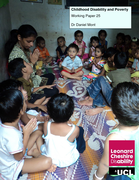
As the Convention of the Rights of Children recognizes, children are human beings with a distinct set of rights, and not the passive objects
...
of care and charity. They deserve to be full participants in society, and to live lives free of poverty. But for children, living in poverty is particularly impactful. The foundations for life are built in childhood. In the early part of our lives, our bodies and brains develop their capacities to function and interact with the world. We learn the social skills we need to fit into society, and acquire the human capital necessary to earn a living, support a family, and to fully take part in the life of our community Poverty can stunt this development. So can the onset of a disability. As the World Report on Disability (WHO/World Bank 2011) points out, people with disabilities are all too often excluded from the economic and social lives of their community. And the interaction between disability and poverty has the potential to develop a vicious circle that can greatly limit life opportunities.
Working Paper Series: No. 25
more
March - December 2018
The Government of Bangladesh has kept its borders open to Rohingya refugees and leads the humanitarian response. The people of Bangladesh continue to show tremendous generosit
...
y and hospitality in the face of a massive influx. In keeping with its policies, the Government of Bangladesh refers to the Rohingya as “Forcibly Displaced Myanmar Nationals”, in the present context. The UN system refers to this population as refugees, in line with the applicable international framework for protection and solutions, and the resulting accountabilities for the country of origin and asylum as well as the international community as a whole. In support of these efforts, the humanitarian community has rapidly scaled up its operations as well. Over a two-month period, the refugee population in Cox’s Bazar more than quadrupled.
more
Journal of the International AIDS Society 2016, 19:20926
There is a growing interest in the potential contribution the private sector can make towards increasing access to antiretroviral therapy (ART) in low‐ and middle‐income settings. Thi ... s article describes a public–private partnership that was developed to expand HIV care capacity in Yangon, Myanmar. The partnership was between private sector general practitioners (GPs) and a community‐based non‐governmental organization (International HIV/AIDS Alliance).
https://doi.org/10.7448/IAS.19.1.20926 more
There is a growing interest in the potential contribution the private sector can make towards increasing access to antiretroviral therapy (ART) in low‐ and middle‐income settings. Thi ... s article describes a public–private partnership that was developed to expand HIV care capacity in Yangon, Myanmar. The partnership was between private sector general practitioners (GPs) and a community‐based non‐governmental organization (International HIV/AIDS Alliance).
https://doi.org/10.7448/IAS.19.1.20926 more

Access to Services and Barriers faced by People with Disabilities: A Quantitative Survey
Nathan Grills, Lawrence Singh, Hira Pant, Jubin Varghese, GVS Murthy, Monsurul Hoq, Manjula Marella
Disability, CBR & Inclusive Development Journal (DCIDJ)
(2017)
CC
In low- and middle-income middle-income countries, reliable and disaggregated disability data on prevalence, participation and barriers are often unavailable. This study aimed to estimate disability prevalence, determine associated socio-demographic factors and compare access in the community betwee
...
n people with and without disability in Dehradun district of Uttarakhand, India, using the Rapid Assessment of Disability survey.
more

Education of children with disabilities in India and Pakistan: An analysis of developments since 2000 | Background paper prepared for the Education for All Global Monitoring Report 2015 | Education
...
for All 2000-2015: achievements and challenges
more
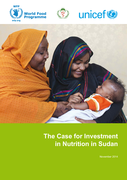
Over the period 2015 to 2019, scaling up a package of selected nutrition-specific and nutrition sensitive interventions to cover 90 per cent of Sudan would:
- Reduce the under-five mortality r ... ate to 49/1,000 live births
- Reduce the prevalence of stunting to 25 per cent
- Reduce the prevalence of wasting (global acute malnutrition – GAM) to 6 per cent
- Increase exclusive breastfeeding to 63 per cent
- Reduce iron deficiency anaemia among pregnant women to 26 per cent. more
- Reduce the under-five mortality r ... ate to 49/1,000 live births
- Reduce the prevalence of stunting to 25 per cent
- Reduce the prevalence of wasting (global acute malnutrition – GAM) to 6 per cent
- Increase exclusive breastfeeding to 63 per cent
- Reduce iron deficiency anaemia among pregnant women to 26 per cent. more
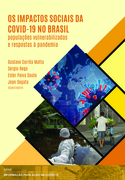
Os impactos sociais da Covid-19 no Brasil: populações vulnerabilizadas e respostas à pandemia
Gustavo Corrêa, G.; M.Sergio, R.E. Paiva Souto and J.Segata
Série Informação para ação na Covid-19 | Fiocruz
(2021)
CC
The social impacts of Covid-19 in Brazil: vulnerable populations and responses to the pandemic
Passados os primeiros meses da pandemia do novo coronavírus no Brasil, o Observatório Covid-19 Fiocruz, em parceria com a Editora Fiocruz e com o apoio
...
da Rede SciELO Livros, traz para o público leitor um conjunto de livros instantâneos sobre as análises nele realizadas desde que foi criado para subsidiar o seu combate. Nesta série Informação para Ação na Covid-19 será apresentado um balanço do conjunto de documentos (notas e relatórios técnicos, boletins, ensaios, informes, recomendações, ensaios, artigos, entre outros) produzidos em resposta à pandemia. Cada volume da série se estrutura em torno de um tema: aspectos globais da pandemia e da diplomacia em saúde; cenários epidemiológicos e vigilância em saúde; as políticas e a gestão dos serviços e sistemas de saúde; orientações para os cuidados e a saúde dos trabalhadores da saúde; impactos sociais e desigualdades sociais na pandemia. Com a publicação destes estudos em livros instantâneos e de acesso aberto colocamos à disposição do público o conjunto de informações e conhecimentos gerados no âmbito do Observatório Covid-19 Fiocruz, realizamos um balanço e uma reflexão sobre como chegamos ao cenário atual e apontamos caminhos para um futuro próximo. E, ao mesmo tempo, mantemos o registro histórico desse conhecimento produzido a quente, no calor da hora.
more
It explains the importance of faecal sludge management in urban areas in which many people rely on on-site and decentralized sanitation facilities and emphasizes the place of treatment in the overal
...
l sanitation service chain. It defines terms used throughout the book, explains why faecal sludge and septage treatment is important, and identifies broad treatment objectives.
more
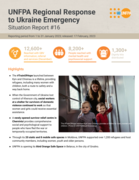
NFPA continues to work with partners to respond to the Ukraine emergency. Highlights from the month of January include:
- The #TrainOfHope launched between Kyiv and Chisinau is a lifeline, providing refugees, including many women with children, bot
...
h a route to safety and a way back home.
- When the Government of Ukraine lost control of Kherson city, social workers at a shelter for survivors of domestic violence continued to work so that women and girls could receive essential assistance.
more
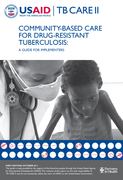
This guide provides practical, step-by-step guidance on how to organize, implement, and monitor community-based care for DR TB. It is equally useful for program planning or supervision. The target audience for this guide is TB Program Managers, governments, policy makers, nongovernmental organizatio
...
ns (NGOs), donors and TB advocates.
This guide does not replace other guidelines and documents that contain important medical information, such as Guidelines for the Programmatic Management of Drug-resistant TB (WHO, 2008 and 2011 updates), and Management of MDR-TB: A Field Guide (WHO, 2009).
more
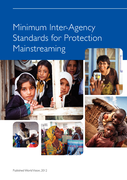
The Minimum Standards for Protection Mainstreaming are a set of international standards designed to provide practical assistance to humanitarian actors to mainstream protection in the assessment, design, implementation, monitoring and evaluation of
...
humanitarian programmes, projects and activities. All humanitarian actors are expected to mainstream protection in their humanitarian assistance activities as a component of a broader commitment to quality and accountability in humanitarian response.
more
