Filter
2937
Breadcrumb:
World Health Organization WHO
Featured
535
398
Language
Document type
733
502
349
313
303
138
126
97
97
83
81
78
15
12
7
Countries
216
85
47
45
36
36
35
34
34
29
27
27
22
22
21
20
20
19
18
18
17
17
17
16
15
15
14
14
13
13
13
11
11
11
10
9
9
9
8
8
7
7
7
6
6
6
5
5
5
5
5
5
5
5
5
4
4
4
4
4
4
4
4
4
4
3
3
3
3
3
3
3
3
3
3
3
2
2
2
2
2
2
2
2
2
2
2
2
2
2
2
2
2
2
1
1
1
1
1
1
1
1
1
1
1
1
1
1
1
1
1
1
1
Authors & Publishers
Publication Years
Category
168
140
81
66
62
58
50
50
48
45
42
38
34
34
33
32
29
27
26
26
26
26
26
25
25
23
23
23
22
20
19
19
19
19
19
18
18
17
17
17
17
15
15
14
13
13
13
13
13
13
13
12
12
12
12
12
12
11
11
11
11
10
10
10
10
10
10
10
10
9
9
9
8
8
8
8
8
8
8
7
7
7
7
6
6
6
6
5
5
5
5
5
5
5
5
4
4
4
4
4
4
3
3
3
3
3
2
2
2
2
2
2
2
2
2
2
1
1
1
1
1
1
1
1
1
1
1
1
1
1
1
1
1
1
1
1
1
Toolboxes
89
84
74
53
50
48
42
38
38
37
37
36
36
34
32
31
31
30
30
30
29
28
27
26
26
26
25
25
25
23
21
21
20
20
20
20
19
19
19
18
18
18
18
17
17
17
16
16
16
16
15
15
15
15
15
15
14
14
14
14
14
14
14
13
13
13
13
13
13
13
13
13
13
13
13
13
13
13
12
12
12
12
12
12
12
12
12
12
12
12
12
11
11
11
11
11
11
11
11
11
11
11
11
11
11
11
10
10
10
10
10
10
10
10
10
10
10
10
10
10
10
10
10
10
10
10
10
9
9
9
9
9
9
9
9
9
9
9
9
9
9
9
9
9
9
9
9
9
9
8
8
8
8
8
8
8
8
8
8
8
8
8
8
8
8
8
8
8
8
8
8
8
8
8
8
8
7
7
7
7
7
7
7
7
7
7
7
7
7
7
7
7
7
7
7
7
7
7
7
7
7
7
7
7
7
7
7
7
6
6
6
6
6
6
6
6
6
6
6
6
6
6
6
6
6
6
6
6
6
6
6
6
6
6
6
6
6
6
6
6
6
6
6
6
5
5
5
5
5
5
5
5
5
5
5
5
5
5
5
5
5
5
5
5
5
5
5
5
5
5
5
5
5
5
5
5
5
5
5
5
5
5
5
5
5
5
5
5
5
5
5
5
5
5
5
5
5
5
4
4
4
4
4
4
4
4
4
4
4
4
4
4
4
4
4
4
4
4
4
4
4
4
4
4
4
4
4
4
4
4
4
4
4
4
4
4
4
4
4
4
4
4
4
4
4
4
4
4
4
4
4
4
4
4
4
4
4
4
4
4
4
4
3
3
3
3
3
3
3
3
3
3
3
3
3
3
3
3
3
3
3
3
3
3
3
3
3
3
3
3
3
3
3
3
3
3
3
3
3
3
3
3
3
3
3
3
3
3
3
3
3
3
3
3
3
3
3
3
3
3
3
3
3
3
3
3
3
3
3
3
2
2
2
2
2
2
2
2
2
2
2
2
2
2
2
2
2
2
2
2
2
2
2
2
2
2
2
2
2
2
2
2
2
2
2
2
2
2
2
2
2
2
2
2
2
2
2
2
2
2
2
2
2
2
2
2
2
2
2
2
2
2
2
2
2
2
2
2
2
2
2
2
2
2
2
2
2
2
2
2
2
2
2
2
2
2
2
2
2
2
2
2
2
2
2
2
2
2
2
2
2
2
2
2
2
1
1
1
1
1
1
1
1
1
1
1
1
1
1
1
1
1
1
1
1
1
1
1
1
1
1
1
1
1
1
1
1
1
1
1
1
1
1
1
1
1
1
1
1
1
1
1
1
1
1
1
1
1
1
1
1
1
1
1
1
1
1
1
1
1
1
1
1
1
1
1
1
1
1
1
1
1
1
1
1
1
1
1
1
1
1
1
1
1
1
1
1
1
1
1
1
1
1
1
1
1
1
1
1
1
1
1
1
1
1
1
1
1
1
1
1
1
1
1
1
1
1
1
1
1
1
1
1
1
1
1
1
1
1
1
1
1
1
1
1
1
1
1
1
1
1
1
1
1
1
1
1
1
1
1
1
1
1
1
1
1
1
1
1
1
1
1
1
1
1
1
1
1
1
1
1
Key facts
- Cardiovascular diseases (CVDs) are the leading cause of death globally.
- An estimated 17.9 million people died from CVDs in 2019, representing 32% of all global deaths. Of these deaths, 85% were due to heart attack and stroke.
- Over three quarters of CVD deaths take place in low- an
...
Brazzaville – Africa is expected to experience the highest increase in diabetes globally. The number of people suffering from the disease is predicted to rise to 55 million by 2045—a 134% spike compared with 2021. At 70%, the continent also has the world’s highest number of people who do not k
...
This short guide to the Global Diabetes Compact explains what diabetes is and why action to improve prevention efforts, diagnosis and treatment is so urgent. It outlines the key asks associated with the Compact and emphasizes that increasing access to insulin, strengthening health systems and meanin
...
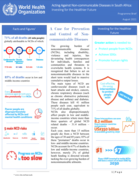
The growing burden of noncommunicable diseases (NCDs), including disability, violence and injuries, has devastating health consequences for individuals, families and communities and threatens to overwhelm health systems. It is recognized that failure to act on noncommunicable diseases in the short t
...

Alcohol use is deeply embedded in the social landscape of many societies, and some 2300 million people drink alcoholic beverages in most parts of the world. At the same time, more than half of the global population aged 15 years and older reported having abstained from drinking alcohol during the pr
...
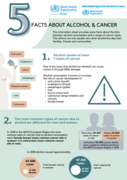
This factsheet provides five important facts for policy makers, health professionals and the general public about the links between alcohol consumption and a range of cancer types. This affects not only people who drink alcohol but also their families, friends and communities.
- Alcohol causes at l
...
"Tackling Noncommunicable Diseases (NCDs), risk factors and mental health during the time of COVID-19" is a series of high-level strategic discussions on transforming the approach to noncommunicable diseases, its risk factors and mental health as a result of the pandemic in terms of strengthening he
...
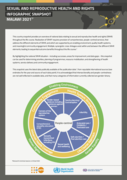
This country snapshot provides an overview of national data relating to sexual and reproductive health and rights (SRHR) throughout the life course. Realization of SRHR requires provision of comprehensive, people-centred services, that address the different elements of SRHR, and which are supported
...

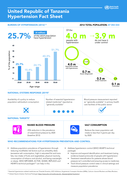
In 2012, 25.7% of adults in Tanzania aged 25–64 had hypertension, affecting approximately 4 million people. However, most remain unaware of their condition or are not receiving treatment, with only 0.1 million achieving blood pressure control.
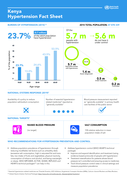
In 2015, 23.7% of Kenyan adults aged 18–69 — around 5.7 million people — had hypertension. However, only 0.2 million of these individuals had their condition under control. Awareness and treatment rates remain low.
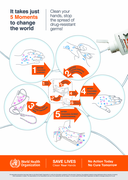
It takes just 5 moments to change the world. Clean your hands, stop the spread of drug-resistant germs!

This document suggests mechanisms that countries can use to respond to emergencies and disasters taking a whole of society and whole of government approach ensuring multisectoral engagement for health actions. It helps to run a participatory process of developing the national health response operati
...
WHO published guidance for clinicians and health care decision-makers on the use of corticosteroids in patients with COVID-19.
We recommend systemic corticosteroids for the treatment of patients with severe and critical COVID-19. We suggest not to use corticosteroids in the treatment of patients
...

In recent years, high prices of pharmaceutical products have posed challenges in high- and low-income countries alike. In many instances, high prices of pharmaceutical products have led to significant financial hardship for individuals and negatively impacted on healthcare systems’ ability to prov
...
Laboratory biosafety manual
recommended
4th edition
The WHO Laboratory Biosafety Manual (LBM) has been in broad use at all levels of clinical and public health laboratories, and other biomedical sectors globally, serving as a de facto global standard that presents best practices and sets trends in biosafety.
LBM encouraged countries t
...
Technical Update
Areas of Africa endemic for Buruli ulcer (BU), caused by Mycobacterium ulcerans, also have a high prevalence of human immunodeficiency virus (HIV), with adult prevalence rates between 1% and 5% (Maps). However, there is limited information on the prevalence of BU–HIV coinfection.
...