
Filter
45
Text search:
Yersinia
Pestis
Featured
5
15
Language
Document type
20
9
5
4
2
1
1
1
1
1
Countries
4
4
4
2
1
1
1
1
1
1
1
1
1
1
Authors & Publishers
Publication Years
Category
16
10
3
2
2
1
Toolboxes
5
5
4
4
3
2
2
2
1
1
1

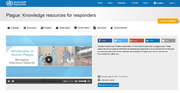
Plague: Knowledge resources for responders
recommended
Plague is a zoonotic disease caused by the bacteria Yersinia pestis, found in small mammals. It is transmitted between animals by their fleas.
The bacteria, the animal reservoir and the vector in
...



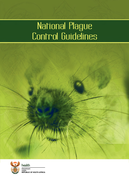
National Plague Control Guidelines
recommended
Accessed Oktober 18, 2017

This is a basic form for reporting individual cases of plague. It asks for information regarding patient history and the course of the illness. In addition, it offers space for laboratory results, the case status, and epidemiological information.
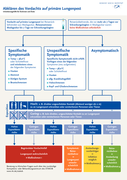
Orientierungshilfe für Ärztinnen und Ärzte
Pest
recommended
RKI Rategeber für Ärzte
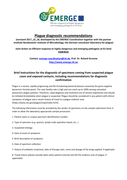
Brief instructions for the diagnostic of specimens coming from suspected plague cases and exposed contacts, including recommendations for diagnostic confirmation

Beitrag aus dem Handbuch "Biologische Gefahren II - Entscheidungshilfen zu medizinisch angemessenen Vorgehensweisen in einer B-Gefahrenlage".
Das Kompendium setzt sich mit der medizinischen Versorgung von Personen auseinander, die biowaffenfähigen Erregern vermutlich oder gesichert ausgesetzt war
...

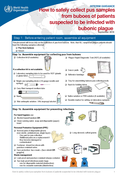
This information leaflet is for general informative purposes only. It can be used in its current form or further modified and adapted by responsible authorities in each country as a country-specific guidance.
gemäß § 4 Abs. 2 des Gesetzes zur Verhütung und Bekämpfung von
Infektionskrankhei ten beim Menschen (Infektionsschutzgesetz - I fSG)
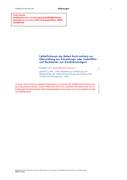
Ausgabe 2015 (kommentierte Version); gemäß § 4 Abs. 2 des Gesetzes zur Verhütung und Bekämpfung von Infektionskrankheiten beim Menschen (Infektionsschutzgesetz - IfSG
In dieser Version sind die wichtigsten Änderungen zur Vorversion der Falldefinitionen markiert und durch Randnotizen erläuter
...
