
Filter
2128
Text search:
Medical
Waste
Management
Featured
296
642
Language
Document type
1022
429
270
182
123
38
28
22
8
2
2
1
1
Countries
140
89
79
77
70
66
58
57
43
37
35
35
35
34
32
31
28
27
26
24
22
21
20
16
16
15
15
13
13
12
12
12
12
11
11
10
10
10
9
9
8
8
8
7
7
7
7
6
6
6
6
6
5
5
5
5
5
5
4
4
4
4
4
3
3
3
3
3
3
3
3
3
3
2
2
2
2
2
2
2
2
2
2
1
1
1
1
1
1
1
1
1
1
1
1
1
1
1
1
1
1
1
1
1
1
1
1
1
Authors & Publishers
Publication Years
Category
912
218
151
90
77
47
41
1
Toolboxes
248
133
110
104
98
73
67
64
55
51
50
47
45
40
35
29
27
25
21
18
16
14
11
4
2
1
1



The Impact of the Zika Outbreak on Women and Girls in Northeastern Brazil
Technical and operational ‘how-to’: practical considerations


A STUDY OF THE CHALLENGES FACED BY PERSONS WITH DISABILITIES IN POST-EARTHQUAKE
NEPAL.

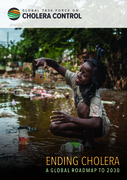
Ending Cholera. A global roadmap to 2030
recommended
Ending Cholera—A Global Roadmap to 2030 operationalises the new global strategy for cholera control at the country level and provides a concrete path toward a world in which cholera is no longer a threat to public health

This summary highlights the experiences, results and actions from the implementation of the Rapid Assessment Tool for Sexual and Reproductive Health and HIV Linkages in Botswana. The tool – developed by IPPF, UNFPA, WHO, UNAIDS, GNP+, ICW and Young Positives in 2009 – supports national assessmen
...

