
Filter
1936
Text search:
Global
Humanitarian
Assistance
Featured
180
548
Language
Document type
905
419
192
161
128
48
47
24
7
2
1
1
Countries
136
98
75
55
53
49
47
45
40
39
31
31
29
27
27
26
26
25
23
23
20
20
17
16
16
15
15
15
14
14
14
14
13
12
11
11
11
10
10
10
10
10
9
9
8
8
8
8
8
8
7
7
7
6
6
6
6
5
5
5
5
4
4
4
4
4
4
4
4
3
3
3
3
3
3
3
3
2
2
2
2
2
2
2
2
2
2
2
1
1
1
1
1
1
1
1
1
1
1
1
1
1
1
1
1
1
1
1
1
1
1
1
1
1
1
1
1
1
1
Authors & Publishers
Publication Years
Category
603
337
121
84
56
36
4
Toolboxes
247
246
127
117
108
98
78
66
64
63
39
39
32
20
18
16
16
14
13
11
11
10
4
3
2
2
1
The strategy focuses on mobilizing and coordinating partners, experts and resources to help countries enhance surveillance of the Zika virus and disorders that could be linked to it, improve vector control, effectively communicate risks, guidance and protection measures, provide medical care to thos
...
In line with the National Mental Health Strategy for Lebanon (2015-2020), this guide answers the objective of the Mental Health and Psychosocial Support task force: “Development and provision of staff care interventions for persons working in the MHPSS and Protection sectors”. It aims at prevent
...

Transforming health: Acclerating the attainment of health goals

in Tackling the Migration Crisis under the safe third country and first country of asylum concept. Accessed at 5 April 2016

This policy discussion paper is designed to give an overview of the legal and policy implications of the dealat the present time.This paper is not designed to be an exhaustive statement or exploration of all issues –rather, its purpose is to highlight the key policy and legal challenges which the
...
Globalization and Health201612:53 DOI: 10.1186/s12992-016-0194-4

The most frequent health problems of newly arrived refugees and migrants include accidental injuries, hypothermia, burns, gastrointestinal illnesses, cardiovascular events, pregnancy- and delivery-related complications, diabetes and hypertension. Female refugees and migrants frequently face specific
...

This checklist covers five areas of competence needed by health care providers to provide quality of care in contraceptive information and services including: respecting users’ privacy and guaranteeing contfidentiality, choice, accessible and acceptable services, involvement of users in improving
...

Journal of Social Work in Developing Societies 13
Vol. 2(1): 13-25 , June 2020



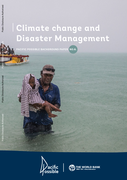
- Pacific Possible Background Paper No.6
