Filter
2521
Text search:
World
Health
Organization
(WHO)
and
UN
partners
Featured
215
764
Language
2453
66
49
36
29
16
12
5
3
3
2
2
2
2
2
2
1
1
1
1
1
1
1
1
1
1
1
1
1
1
1
1
1
1
1
1
1
1
1
1
1
Document type
1427
451
224
175
144
34
26
25
6
4
2
1
Countries / Regions
135
83
75
67
63
59
58
57
56
55
47
41
40
38
35
34
34
33
28
28
27
26
25
25
24
22
22
22
21
21
18
18
18
16
16
15
15
14
13
13
13
12
12
12
12
12
11
11
10
9
9
9
9
8
8
7
7
7
6
5
5
5
5
5
4
4
4
4
4
4
4
4
4
4
3
3
3
3
3
3
3
3
3
3
2
2
2
2
2
2
2
2
2
2
2
2
2
2
2
1
1
1
1
1
1
1
1
1
1
1
1
1
1
1
1
1
1
1
1
1
1
1
1
1
1
Authors & Publishers
316
117
92
84
78
72
60
54
29
26
21
17
17
17
17
16
16
16
15
15
15
15
14
13
12
12
12
11
11
11
11
10
10
10
10
10
9
9
9
9
9
8
8
7
7
7
7
7
7
7
6
6
6
6
6
6
6
6
6
6
6
6
6
5
5
5
5
5
5
5
5
5
5
5
5
5
5
5
5
4
4
4
4
4
4
4
4
4
4
4
4
4
4
4
4
4
4
4
4
4
4
4
4
4
4
4
4
4
3
3
3
3
3
3
3
3
3
3
3
3
3
3
3
3
3
3
3
3
3
3
3
3
3
3
3
3
3
3
3
3
3
3
3
3
3
3
3
3
3
3
3
3
3
3
3
3
3
3
3
3
3
3
3
2
2
2
2
2
2
2
2
2
2
2
2
2
2
2
2
2
2
2
2
2
2
2
2
2
2
2
2
2
2
2
2
2
2
2
2
2
2
2
2
2
2
2
2
2
2
2
2
2
2
2
2
2
2
2
2
2
2
2
2
2
2
2
2
2
2
2
2
2
2
2
2
2
2
2
2
2
2
2
2
2
2
2
2
2
2
2
2
2
2
2
2
2
2
2
2
2
2
2
2
2
2
2
2
2
2
2
2
2
2
2
2
2
2
2
2
2
2
2
2
2
2
2
2
2
2
2
2
2
2
2
2
2
2
2
2
2
2
2
2
2
2
2
2
2
2
2
2
2
2
2
2
2
2
2
2
2
2
2
2
1
1
1
1
1
1
1
1
1
1
1
1
1
1
1
1
1
1
1
1
1
1
1
1
1
1
1
1
1
1
1
1
1
1
1
1
1
1
1
1
1
1
1
1
1
1
1
1
1
1
1
1
1
1
1
1
1
1
1
1
1
1
1
1
1
1
1
1
1
1
1
1
1
1
1
1
1
1
1
1
1
1
1
1
1
1
1
1
1
1
1
1
1
1
1
1
1
1
1
1
1
1
1
1
1
1
1
1
1
1
1
1
1
1
1
1
1
1
1
1
1
1
1
1
1
1
1
1
1
1
1
1
1
1
1
1
1
1
1
1
1
1
1
1
1
1
1
1
1
1
1
1
1
1
1
1
1
1
1
1
1
1
1
1
1
1
1
1
1
1
1
1
1
1
1
1
1
1
1
1
1
1
1
1
1
1
1
1
1
1
1
1
1
1
1
1
1
1
1
1
1
1
1
1
1
1
1
1
1
1
1
1
1
1
1
1
1
1
1
1
1
1
1
1
1
1
1
1
1
1
1
1
1
1
1
1
1
1
1
1
1
1
1
1
1
1
1
1
1
1
1
1
1
1
1
1
1
1
1
1
1
1
1
1
1
1
1
1
1
1
1
1
1
1
1
1
1
1
1
1
1
1
1
1
1
1
1
1
1
1
1
1
1
1
1
1
1
1
1
1
1
1
1
1
1
1
1
1
1
1
1
1
1
1
1
1
1
1
1
1
1
1
1
1
1
1
1
1
1
1
1
1
1
1
1
1
1
1
1
1
1
1
1
1
1
1
1
1
1
1
1
1
1
1
1
1
1
1
1
1
1
1
1
1
1
1
1
1
1
1
1
1
1
1
1
1
1
1
1
1
1
1
1
1
1
1
1
1
1
1
1
1
1
1
1
1
1
1
1
1
1
1
1
1
1
1
1
1
1
1
1
1
1
1
1
1
1
1
1
1
1
1
1
1
1
1
1
1
1
1
1
1
1
1
1
1
1
1
1
1
1
1
1
1
1
1
1
1
1
1
1
1
1
1
1
1
1
1
1
1
1
1
1
1
1
1
1
1
1
1
1
1
1
1
1
1
1
1
1
1
1
1
1
1
1
1
1
1
1
1
1
1
1
1
1
1
1
1
1
1
1
1
1
1
1
1
1
1
1
1
1
1
1
1
1
1
1
1
1
1
1
1
1
1
1
1
1
1
1
1
1
1
1
1
1
1
1
1
1
1
1
1
1
1
1
1
1
1
1
1
1
1
1
1
1
1
1
1
1
1
1
1
1
1
1
1
1
1
1
1
1
1
1
1
1
1
1
1
1
1
1
1
1
1
1
1
1
1
1
1
1
1
1
1
1
1
1
1
1
1
1
1
1
1
1
1
1
1
1
1
1
1
1
1
1
1
1
1
1
1
1
1
1
1
1
1
1
1
1
1
1
1
1
1
1
1
1
1
1
1
1
1
1
1
1
1
1
1
1
1
1
1
1
1
1
1
1
1
1
1
1
1
1
1
1
1
1
1
1
1
1
1
1
1
1
1
1
1
1
1
1
1
1
1
1
1
1
1
1
1
1
1
1
1
1
1
1
1
1
1
1
1
1
1
1
1
1
1
1
1
1
1
1
1
1
1
1
1
1
1
1
1
1
1
1
1
1
1
1
1
1
1
1
1
1
1
1
1
1
1
1
1
1
1
1
1
1
1
1
1
1
1
1
1
1
1
1
1
1
1
1
1
1
1
1
1
1
1
1
1
1
1
1
1
1
1
1
1
1
1
1
1
1
1
1
1
1
1
1
1
1
1
1
1
1
1
1
1
1
1
1
1
1
1
1
1
1
1
1
1
1
1
1
1
1
1
1
1
1
1
1
1
1
1
1
1
1
1
1
1
1
1
1
1
1
1
1
1
1
1
1
1
1
1
1
1
1
1
1
1
1
1
1
1
1
1
1
1
1
1
1
1
1
1
1
1
1
1
1
1
1
1
1
1
1
1
1
1
1
1
1
1
1
1
1
1
1
1
1
1
1
1
1
1
1
1
1
1
1
1
1
1
1
1
1
1
1
1
1
1
1
1
1
1
1
1
1
1
1
1
1
1
1
1
1
1
1
1
1
1
1
1
1
1
1
1
1
1
1
1
1
1
1
1
1
1
1
1
1
1
1
1
1
1
1
1
1
1
1
1
1
1
1
1
1
1
1
1
1
1
1
1
1
1
1
1
1
1
1
1
1
1
1
1
1
1
1
1
1
1
1
1
1
1
1
1
1
1
1
1
1
1
1
1
1
1
1
1
1
1
1
1
1
1
1
1
1
1
1
1
1
1
1
1
1
1
1
1
1
1
1
1
1
1
1
1
1
1
1
1
1
1
1
1
1
1
1
1
1
1
1
1
1
1
1
1
1
1
1
1
1
1
1
1
1
1
1
1
1
1
1
1
1
1
1
1
1
1
1
1
1
1
1
1
1
1
1
1
1
1
1
1
1
1
1
1
1
1
1
1
1
1
1
1
1
1
1
1
1
1
1
1
1
1
1
1
1
1
1
1
1
1
1
1
1
1
1
1
1
1
1
1
1
1
1
1
1
1
1
1
1
1
1
1
1
1
1
1
1
1
1
1
1
1
1
1
1
1
1
1
1
1
1
1
1
1
1
1
1
1
1
1
1
1
1
1
1
1
1
1
1
1
1
1
1
1
1
1
1
1
1
1
1
1
1
1
1
1
1
1
1
1
1
1
1
1
1
1
1
1
1
1
1
1
1
1
1
1
1
1
1
1
1
1
1
1
1
1
1
1
1
1
1
1
1
1
1
1
1
1
1
1
1
1
1
1
1
1
1
1
1
1
1
1
1
1
1
1
1
1
1
1
1
1
1
1
1
1
1
1
1
1
1
1
1
1
1
1
1
1
1
1
1
1
1
1
1
1
1
1
1
1
1
1
1
1
1
1
1
1
1
1
1
1
1
1
1
1
1
1
1
1
1
1
1
1
1
1
1
1
1
1
1
1
1
1
1
1
1
1
1
1
1
1
1
1
1
1
1
1
1
1
1
1
1
1
1
1
1
1
1
1
1
1
1
1
1
1
1
1
1
1
1
1
1
1
1
1
1
1
1
1
1
1
1
1
1
1
1
1
1
1
1
1
1
1
1
1
1
1
1
1
1
1
1
1
1
1
1
1
1
1
1
1
1
1
1
1
1
1
1
1
1
1
1
1
1
1
1
1
1
1
1
1
1
1
1
1
1
1
1
1
1
1
1
1
1
1
1
1
1
1
1
1
1
1
1
1
1
1
1
1
1
1
1
1
1
1
1
1
1
1
1
1
1
1
1
1
1
1
1
1
1
1
1
1
1
1
1
1
1
1
1
1
1
1
1
1
1
1
1
1
1
1
1
1
1
1
1
1
1
1
1
1
1
1
1
1
1
1
1
1
1
1
1
1
1
1
1
1
1
1
1
1
1
1
1
1
1
1
1
1
1
1
1
1
1
1
1
1
1
1
1
1
1
1
1
1
1
1
1
1
1
1
1
1
1
1
1
1
1
1
1
1
1
1
1
1
1
1
1
1
1
1
1
1
1
1
1
1
1
1
1
1
1
1
1
1
1
1
1
1
1
1
1
1
1
1
1
1
1
1
1
1
1
1
1
1
1
1
1
1
1
1
1
1
1
1
1
1
1
1
1
1
1
1
1
1
1
1
1
1
1
1
1
1
1
1
1
1
1
1
1
1
1
1
1
1
1
1
1
1
1
1
1
1
1
1
1
1
1
1
1
1
1
1
1
1
1
1
1
1
1
1
1
1
1
1
1
1
1
1
1
1
1
1
Publication Years
1
760
1607
145
7
1
Category
942
232
154
132
109
29
13
1
Toolboxes
186
180
147
147
139
117
107
86
67
58
54
50
42
35
35
34
28
27
25
20
15
13
12
12
6
2
2
Health Evidence Network synthesis report 53

The objectives of this guideline are the same as those of the 2011 edition, namely to provide evidence-based normative guidance on interventions to improve adolescent morbidity and mortality by reducing the chances of early pregnancy
...
and its resulting poor health outcomes. The specific objectives of the guideline were to: 1. identify effective interventions to prevent early pregnancy by influencing factors such as early marriage, coerced sex, unsafe abortion, access to contraceptives and access to maternal health services by adolescents; and 2. provide an analytical framework for policy-makers and programme managers to use when selecting evidence-based interventions to prevent early pregnancy and negative health outcomes when they occur that are most appropriate for the needs of their countries and context. The recommendations and best practice statements described in this document aim to enable evidence-based decision-making with respect to preventing early pregnancy and poor reproductive outcomes among adolescents in low- and middle-income country contexts.
more
In 2018, the WHO European Healthy Cities Network adopted the political vision of the Network until 2030 that is fully aligned with the United Nations 2030 Agenda for Sustainable Development: the Copenhagen Consensus of Mayors: Healthier
...
and Happier Cities for All. The vision is built around six themes. This compendium comprises tools, resources and networks that are related to one of the themes - place - from across the WHO European Healthy Cities Network and wider from 2010 to 2020. It is part of the support package for implementation of the place theme in Phase VII (2019–2024) of the WHO European Healthy Cities Network.
more

WHO/Europe has launched a new guide, providing support to countries on how to apply behavioural and cultural insights (BCI) for health. It presents
...
a simple step-wise approach, complemented by a rich collection of detailed considerations, tools and exercises. The guide is the first of its kind, specifically developed for use by public health professionals developing policies, services and communications informed by BCI across health topics.
Some of the most persistent public health challenges involve human behaviour. Using a BCI lens means that health policies, services and communications can be tailored to the needs and circumstances of people and communities, and thereby help combat these challenges. The new Tailoring Health Programmes (THP) guide describes how this can be done.
Building on several topic-specific guides that focused on applying BCI to routine and influenza vaccination and tackling antimicrobial resistance, as well as external evaluations and a rigorous peer-review process, this guide is the result of over a decade of work by WHO/Europe. The THP approach has already been adopted in over 20 countries and has received positive feedback from public health agencies.
“This guide is the culmination of a decade of work involving many colleagues at country, regional and global levels. The guide is our “BCI bible”, guiding our work with and in countries to help tackle persistent health challenges,” said Katrine Bach Habersaat, Regional Advisor for BCI at WHO/Europe.
Karina Godoy, Senior Analyst and National Focal Point for Behavioural Insights at the Public Health Agency of Sweden, who is employing the approach described in the guide across several health projects, comments: “The THP guide is easy to use and at the same time provides detailed guidance and inspiration where needed. We have decided to translate the document into Swedish and use the approach widely”.
more

Stronger collaboration, better health: global action plan for healthy lives and well-being for all
recommended
The overall objective of the Global Action Plan is to enhance collaboration among 12 global organizations engaged in health, development and humanitarian responses to accelerate country progress on
...
the health-related SDG targets. The Plan presents a new approach to strengthening collaboration among and joint action by the organizations, building on an initial joint commitment made in October 2018. The Plan is primarily intended to be strategic but provides some operational detail to guide implementation while also allowing flexibility for adjustment based on regular reviews of progress and learning from experience. Although the purpose of the Global Action Plan is not to provide or seek additional resources, the Plan will enable better use of existing resources as a result of improved collaboration, recognizing that each agency has its own unique mandate and area of expertise.
more
The availability of water, sanitation and hygiene (WASH) services in health care facilities, especially in maternity and primary-care settings wher
...
e they are often absent, supports core aspects of quality, equity and dignity for all people. This document describes an approach for conducting a national situational analysis of water, sanitation and hygiene (WASH) as a basis for improving quality of care. This document describes the process from the initial preparatory stages, including triggers for action, through data collection and analysis to the dissemination of results. Each element of the approach is described and possible limitations and mechanisms to mitigate these are explored.
more
2nd edition
WASH FIT is a risk-based, continuous improvement framework with a set of tools for undertaking water, sanitation and hygiene (WASH) improvements as part of wider quality improvements in health
...
care facilities. It is aimed at small primary, and in some instances secondary, health care facilities in low and middle income countries.
An app, for front line data collection is also available in the Android Google Play store or as a web app
more

The purpose of the landscape analysis is ultimately to facilitate improved engagement of private providers, thereby contributing to universal access to quality and affordable TB care and the end of
...
the TB epidemic. It focuses on the role of private for-profit providers and on specific challenges and experiences in engaging them for TB prevention and care.
more

These standards for the quality of paediatric care in health facilities form part of normative
guidance for improving the quality of maternal, newborn, child and adolescent
...
health care.
In view of the importance of the continuum of both the life-course and service delivery (1),
these standards build on the Standards for improving the quality of maternal and newborn
care in health facilities (2), during labour, childbirth and the early postnatal period.
more
This strategy defines the World Health Organization (WHO) vision
...
and framework for supporting Member States to accelerate the development, implementation and monitoring of their National Action Plan for Health Security (NAPHS) from 2022 to 2026. The National Action Plan for Health Security (NAPHS) are critical to ensure national capacities in health emergency prevention, preparedness, response and recovery are planned, built, strengthened and sustained in order to achieve national, regional and global health security and therefore keep the world safe, serve the vulnerable and promote health.
The strategy promotes, where existing, the use of existing national action plans for health security and not necessary the creation of an additional unique plan. This will avoid duplication and ensure maximum efficiency in domestic resourcing and operationalization efficiency while harnessing external buy-in to support national health priorities.
more

Procurement and supply management activities are fundamental to consistent and reliable access to essential medicines and
...
health products. To reduce the impact of CVD, action needs to be taken to improve prevention, diagnosis, care and management of CVD diseases. Affordable essential medicines and technologies to manage CVD disease must be available where and when they are required. Medicines and technologies need to be managed appropriately to ensure that the correct medicines are selected, procured in the right quantities, distributed to facilities in a timely manner, and handled and stored in a way that maintains their quality. This needs to be backed up by policies that enable sufficient quantities to be procured in order to reduce cost inefficiencies, ensure the reliability and security of the distribution system, and encourage the appropriate use of these health products. In order to avoid stock-outs and the disruption of treatment, all related activities need to be conducted in a timely manner, with performance continually monitored, and prompt action taken in response to problems that may arise. Additionally, medication must be dispensed correctly and used rationally by the healthcare provider and patient alike. The purpose of this guide is to explain the necessary steps.
more
Investing in and building longer-term health emergency preparedness during the COVID-19 pandemic
recommended
Interim Guidance
This document is to help Member States build on actions taken during the COVID-19 pandemic to improve national medium- to long-term preparedness for future threats. It maps COVID-19 preparedness and response actions to the building
...
of sustainable International Health Regulations (2005) core capacities; locates relevant supporting WHO resources that are not specific to the pandemic; and advocates for the conscious and effective allocation of COVID-19 funds to also meet countries’ longer-term need
more
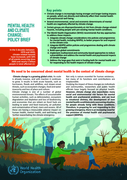
We need to be concerned about mental health in the context of climate change

17–24 November 2015

Technical Brief
Updated 17 April 2020
Improving care for women during pregnancy and around the time of childbirth to prevent and treat pre-eclampsia and eclampsia
...
is a necessary step towards the achievement of the health targets of the Sustainable Development Goals (SDGs). Efforts to prevent and reduce morbidity and mortality due to these conditions can help address the profound inequities in maternal and perinatal health globally. To achieve this, healthcare providers, health managers, policy makers and other stakeholders need up-to-date and evidence-informed recommendations to guide clinical policies and practices.
more