
Filter
5066
Text search:
people
with
HIV
Featured
510
1480
Language
4842
136
109
99
62
50
33
25
10
9
8
8
8
7
7
6
6
5
5
5
4
4
4
4
4
4
4
4
4
4
4
3
3
3
3
3
3
3
3
2
2
2
2
2
2
2
2
2
2
2
2
2
2
1
1
1
1
1
1
1
1
1
1
1
1
1
1
Document type
2908
787
598
227
171
132
120
37
32
27
13
4
1
1
1
Countries
221
202
180
178
140
129
126
119
111
110
108
100
99
89
77
77
76
66
64
62
57
53
52
49
45
45
44
38
35
34
31
31
28
28
27
25
24
23
23
21
20
19
18
18
16
16
15
14
14
12
10
10
9
9
9
8
8
8
8
7
7
6
6
6
6
6
5
5
5
5
5
4
4
4
4
4
4
3
3
3
3
3
3
3
3
3
3
3
3
3
2
2
2
2
2
2
2
2
2
2
2
2
2
2
2
2
1
1
1
1
1
1
1
1
1
1
1
1
1
1
1
1
1
1
1
1
1
1
1
1
1
1
1
1
1
Authors & Publishers
581
232
166
157
156
120
108
98
77
58
52
43
39
36
36
29
28
28
27
27
26
24
24
24
23
22
22
22
21
20
19
18
18
18
18
17
16
16
15
15
15
15
14
13
13
13
12
12
12
12
12
11
11
11
11
11
11
11
10
10
10
10
10
10
10
10
10
9
9
9
9
9
9
9
9
9
9
9
8
8
8
8
8
8
8
8
8
8
8
8
8
7
7
7
7
7
7
7
7
7
7
7
7
7
7
7
7
7
7
6
6
6
6
6
6
6
6
6
6
6
6
6
6
6
6
6
6
6
6
6
6
6
6
6
6
6
5
5
5
5
5
5
5
5
5
5
5
5
5
5
5
5
5
5
5
5
5
5
5
5
5
5
5
5
5
5
5
5
5
5
5
5
5
5
4
4
4
4
4
4
4
4
4
4
4
4
4
4
4
4
4
4
4
4
4
4
4
4
4
4
4
4
4
4
4
4
4
4
4
4
4
4
4
4
4
4
4
4
4
4
4
4
4
4
4
4
4
4
4
4
4
3
3
3
3
3
3
3
3
3
3
3
3
3
3
3
3
3
3
3
3
3
3
3
3
3
3
3
3
3
3
3
3
3
3
3
3
3
3
3
3
3
3
3
3
3
3
3
3
3
3
3
3
3
3
3
3
3
3
3
3
3
3
3
3
3
3
3
3
3
3
3
3
3
3
3
3
3
3
3
3
3
3
3
3
3
3
3
3
3
3
3
3
3
3
3
3
2
2
2
2
2
2
2
2
2
2
2
2
2
2
2
2
2
2
2
2
2
2
2
2
2
2
2
2
2
2
2
2
2
2
2
2
2
2
2
2
2
2
2
2
2
2
2
2
2
2
2
2
2
2
2
2
2
2
2
2
2
2
2
2
2
2
2
2
2
2
2
2
2
2
2
2
2
2
2
2
2
2
2
2
2
2
2
2
2
2
2
2
2
2
2
2
2
2
2
2
2
2
2
2
2
2
2
2
2
2
2
2
2
2
2
2
2
2
2
2
2
2
2
2
2
2
2
2
2
2
2
2
2
2
2
2
2
2
2
2
2
2
2
2
2
2
2
2
2
2
2
2
2
2
2
2
2
2
2
2
2
2
2
2
2
2
2
2
2
2
2
2
2
2
2
2
2
2
2
2
2
2
2
2
2
2
2
2
2
2
2
2
2
2
2
2
2
2
2
2
2
2
2
2
2
2
2
2
2
2
2
2
2
2
2
2
2
2
2
2
2
2
2
2
2
2
2
2
2
2
2
2
2
2
2
2
2
2
2
2
2
2
2
2
2
2
2
2
2
2
2
2
2
2
2
2
2
2
2
2
2
2
2
2
2
2
2
2
2
2
2
2
2
2
2
2
2
2
2
2
2
2
2
2
2
2
2
2
2
2
2
2
2
2
2
2
2
2
2
2
2
2
2
2
2
2
2
2
2
2
2
2
2
2
2
2
2
2
2
1
1
1
1
1
1
1
1
1
1
1
1
1
1
1
1
1
1
1
1
1
1
1
1
1
1
1
1
1
1
1
1
1
1
1
1
1
1
1
1
1
1
1
1
1
1
1
1
1
1
1
1
1
1
1
1
1
1
1
1
1
1
1
1
1
1
1
1
1
1
1
1
1
1
1
1
1
1
1
1
1
1
1
1
1
1
1
1
1
1
1
1
1
1
1
1
1
1
1
1
1
1
1
1
1
1
1
1
1
1
1
1
1
1
1
1
1
1
1
1
1
1
1
1
1
1
1
1
1
1
1
1
1
1
1
1
1
1
1
1
1
1
1
1
1
1
1
1
1
1
1
1
1
1
1
1
1
1
1
1
1
1
1
1
1
1
1
1
1
1
1
1
1
1
1
1
1
1
1
1
1
1
1
1
1
1
1
1
1
1
1
1
1
1
1
1
1
1
1
1
1
1
1
1
1
1
1
1
1
1
1
1
1
1
1
1
1
1
1
1
1
1
1
1
1
1
1
1
1
1
1
1
1
1
1
1
1
1
1
1
1
1
1
1
1
1
1
1
1
1
1
1
1
1
1
1
1
1
1
1
1
1
1
1
1
1
1
1
1
1
1
1
1
1
1
1
1
1
1
1
1
1
1
1
1
1
1
1
1
1
1
1
1
1
1
1
1
1
1
1
1
1
1
1
1
1
1
1
1
1
1
1
1
1
1
1
1
1
1
1
1
1
1
1
1
1
1
1
1
1
1
1
1
1
1
1
1
1
1
1
1
1
1
1
1
1
1
1
1
1
1
1
1
1
1
1
1
1
1
1
1
1
1
1
1
1
1
1
1
1
1
1
1
1
1
1
1
1
1
1
1
1
1
1
1
1
1
1
1
1
1
1
1
1
1
1
1
1
1
1
1
1
1
1
1
1
1
1
1
1
1
1
1
1
1
1
1
1
1
1
1
1
1
1
1
1
1
1
1
1
1
1
1
1
1
1
1
1
1
1
1
1
1
1
1
1
1
1
1
1
1
1
1
1
1
1
1
1
1
1
1
1
1
1
1
1
1
1
1
1
1
1
1
1
1
1
1
1
1
1
1
1
1
1
1
1
1
1
1
1
1
1
1
1
1
1
1
1
1
1
1
1
1
1
1
1
1
1
1
1
1
1
1
1
1
1
1
1
1
1
1
1
1
1
1
1
1
1
1
1
1
1
1
1
1
1
1
1
1
1
1
1
1
1
1
1
1
1
1
1
1
1
1
1
1
1
1
1
1
1
1
1
1
1
1
1
1
1
1
1
1
1
1
1
1
1
1
1
1
1
1
1
1
1
1
1
1
1
1
1
1
1
1
1
1
1
1
1
1
1
1
1
1
1
1
1
1
1
1
1
1
1
1
1
1
1
1
1
1
1
1
1
1
1
1
1
1
1
1
1
1
1
1
1
1
1
1
1
1
1
1
1
1
1
1
1
1
1
1
1
1
1
1
1
1
1
1
1
1
1
1
1
1
1
1
1
1
1
1
1
1
1
1
1
1
1
1
1
1
1
1
1
1
1
1
1
1
1
1
1
1
1
1
1
1
1
1
1
1
1
1
1
1
1
1
1
1
1
1
1
1
1
1
1
1
1
1
1
1
1
1
1
1
1
1
1
1
1
1
1
1
1
1
1
1
1
1
1
1
1
1
1
1
1
1
1
1
1
1
1
1
1
1
1
1
1
1
1
1
1
1
1
1
1
1
1
1
1
1
1
1
1
1
1
1
1
1
1
1
1
1
1
1
1
1
1
1
1
1
1
1
1
1
1
1
1
1
1
1
1
1
1
1
1
1
1
1
1
1
1
1
1
1
1
1
1
1
1
1
1
1
1
1
1
1
1
1
1
1
1
1
1
1
1
1
1
1
1
1
1
1
1
1
1
1
1
1
1
1
1
1
1
1
1
1
1
1
1
1
1
1
1
1
1
1
1
1
1
1
1
1
1
1
1
1
1
1
1
1
1
1
1
1
1
1
1
1
1
1
1
1
1
1
1
1
1
1
1
1
1
1
1
1
1
1
1
1
1
1
1
1
1
1
1
1
1
1
1
1
1
1
1
1
1
1
1
1
1
1
1
1
1
1
1
1
1
1
1
1
1
1
1
1
1
1
1
1
1
1
1
1
1
1
1
1
1
1
1
1
1
1
1
1
1
1
1
1
1
1
1
1
1
1
1
1
1
1
1
1
1
1
1
1
1
1
1
1
1
1
1
1
1
1
1
1
1
1
1
1
1
1
1
1
1
1
1
1
1
1
1
1
1
1
1
1
1
1
1
1
1
1
1
1
1
1
1
1
1
1
1
1
1
1
1
1
1
1
1
1
1
1
1
1
1
1
1
1
1
1
1
1
1
1
1
1
1
1
1
1
1
1
1
1
1
1
1
1
1
1
1
1
1
1
1
1
1
1
1
1
1
1
1
1
1
1
1
1
1
1
1
1
1
1
1
1
1
1
1
1
1
1
1
1
1
1
1
1
1
1
1
1
1
1
1
1
1
1
1
1
1
1
1
1
1
1
1
1
1
1
1
1
1
1
1
1
1
1
1
1
1
1
1
1
1
1
1
1
1
1
1
1
1
1
1
1
1
1
1
1
1
1
1
1
1
1
1
1
1
1
1
1
1
1
1
1
1
1
1
1
1
1
1
1
1
1
1
1
1
1
1
1
1
1
1
1
1
1
1
1
1
1
1
1
1
1
1
1
1
1
1
1
1
1
1
1
1
1
1
1
1
1
1
1
1
1
1
1
1
1
1
1
1
1
1
1
1
1
1
1
1
1
1
1
1
1
1
1
1
1
1
1
1
1
1
1
1
1
1
1
1
1
1
1
1
1
1
1
1
1
1
1
1
1
1
1
1
1
1
1
1
1
1
1
1
1
1
1
1
1
1
1
1
1
1
1
1
1
1
1
1
1
1
1
1
1
1
1
1
1
1
1
1
1
1
1
1
1
1
1
1
1
1
1
1
1
1
1
1
1
1
1
1
1
1
1
1
1
1
1
1
1
1
1
1
1
1
1
1
1
1
1
1
1
1
1
1
1
1
1
1
1
1
1
1
1
1
1
1
1
1
1
1
1
1
1
1
1
1
1
1
1
1
1
1
1
1
1
1
1
1
1
1
1
1
1
1
1
1
1
1
1
1
1
1
1
1
1
1
1
1
1
1
1
1
1
1
1
1
1
1
1
1
1
1
1
1
1
1
1
1
1
1
1
1
1
1
1
1
1
1
1
1
1
1
1
1
1
1
1
1
1
1
1
1
1
1
1
1
1
1
1
1
1
1
1
1
1
1
1
1
1
1
1
1
1
1
1
1
1
1
1
1
1
1
1
1
1
1
1
1
1
1
1
1
1
1
1
1
1
1
1
1
1
1
1
1
1
1
1
1
1
1
1
1
1
1
1
1
1
1
1
1
1
1
1
1
1
1
1
1
1
1
1
1
1
1
1
1
1
1
1
1
1
1
1
1
1
1
1
1
1
1
1
1
1
1
1
1
1
1
1
1
1
1
1
1
1
1
1
1
1
1
1
1
1
1
1
1
1
1
1
1
1
1
1
1
1
1
1
1
1
1
1
1
1
1
1
1
1
1
1
1
1
1
1
1
1
1
1
1
1
1
1
1
1
1
1
1
1
1
1
1
1
1
1
1
1
1
1
1
1
1
1
1
1
1
1
1
1
1
1
1
1
1
1
1
1
1
1
1
1
1
1
1
1
1
1
1
1
1
1
1
1
1
1
1
1
1
1
1
1
1
1
1
1
1
1
1
1
1
1
1
1
1
1
1
1
1
1
1
1
1
1
1
1
1
1
1
1
1
1
1
1
1
1
1
1
1
1
1
1
1
1
1
1
1
1
1
1
1
1
1
1
1
1
1
1
1
1
1
1
1
1
1
1
1
1
1
1
1
1
1
1
1
1
1
1
1
1
1
1
1
1
1
1
1
1
1
1
1
1
1
1
1
1
1
1
1
1
1
1
1
1
1
1
1
1
1
1
1
1
1
1
1
1
1
1
1
1
1
1
1
1
1
1
1
1
1
1
1
1
1
1
1
1
1
1
1
1
1
1
1
1
1
1
1
1
1
1
1
1
1
1
1
1
1
1
1
1
1
1
1
1
1
1
1
1
1
1
1
1
1
1
1
1
1
1
1
1
1
1
1
1
1
1
1
1
1
1
1
1
1
1
1
1
1
1
1
1
1
1
1
1
1
1
1
1
1
1
1
1
1
1
1
1
1
1
1
1
1
1
1
1
1
1
1
1
1
1
1
1
1
1
1
1
1
1
1
1
1
1
1
1
1
1
1
1
1
1
1
1
1
1
1
1
1
1
1
1
1
1
1
1
1
1
1
1
1
1
1
1
1
1
1
1
1
1
1
1
1
1
1
1
1
1
1
1
1
1
1
1
1
1
1
1
1
1
1
1
1
1
1
1
1
1
1
1
1
1
1
1
1
1
1
1
1
1
1
1
1
1
1
1
1
1
1
1
1
1
1
1
1
1
1
1
1
1
1
1
1
1
1
1
1
1
1
1
1
1
1
1
1
1
1
1
1
1
1
1
1
1
1
1
1
1
1
1
1
1
1
1
1
1
1
1
1
1
1
1
1
1
1
1
1
1
1
1
1
1
1
1
1
1
1
1
1
1
1
1
1
1
1
1
1
1
1
1
1
1
1
1
1
1
1
1
1
1
1
1
1
1
1
1
1
1
1
1
1
1
1
1
1
1
1
1
1
1
1
1
1
1
1
1
1
1
1
1
1
1
1
1
1
1
1
1
1
1
1
1
1
1
1
1
1
1
1
1
1
1
1
1
1
1
1
1
1
1
1
1
1
1
1
1
1
1
1
1
1
1
1
1
1
1
1
1
1
1
1
1
1
1
1
1
1
1
1
1
1
1
1
1
1
1
1
1
1
1
1
1
1
1
1
1
1
1
1
1
1
1
1
1
1
1
1
1
1
1
1
1
1
1
1
1
1
1
1
1
1
1
1
1
1
1
1
1
1
1
1
1
1
1
1
1
1
1
1
1
1
1
1
1
1
1
1
1
1
1
1
1
1
1
1
1
1
1
1
1
1
1
1
1
1
1
1
1
1
1
1
1
1
1
1
1
1
1
1
1
1
1
1
1
1
1
1
1
1
1
1
1
1
1
1
1
1
1
1
1
1
1
1
1
1
1
1
1
1
1
1
1
1
1
1
1
1
1
1
1
1
1
1
1
1
1
1
1
1
1
1
1
1
1
1
1
1
1
1
1
1
1
1
1
1
1
1
1
1
1
1
1
1
1
1
1
1
1
1
1
1
1
1
1
1
1
1
1
1
1
1
1
1
1
1
1
1
1
1
1
1
1
1
1
1
1
1
1
1
1
1
1
1
1
1
1
1
1
1
1
1
1
1
1
1
1
1
1
1
1
1
1
1
1
1
1
1
1
1
1
1
1
1
1
1
1
1
1
1
1
1
1
1
1
1
1
1
1
1
1
1
1
1
1
1
1
1
1
1
1
1
1
1
1
1
1
1
1
1
1
1
1
1
1
1
1
1
1
1
1
1
1
1
1
1
1
1
1
1
1
1
1
1
1
1
1
1
1
1
1
1
1
1
1
1
1
1
1
1
1
1
1
1
1
1
1
1
1
1
1
1
1
1
1
1
1
1
1
1
1
1
1
1
1
1
1
1
1
1
1
1
1
1
1
1
1
1
1
1
1
1
1
1
1
1
1
1
1
1
1
1
1
1
1
1
1
1
1
1
1
1
1
1
1
1
1
1
1
1
1
1
1
1
1
1
1
1
1
1
1
1
1
1
1
1
1
1
1
1
1
1
1
1
1
1
1
1
1
1
1
1
1
1
1
1
1
1
1
1
1
1
1
1
1
1
1
1
1
1
1
1
1
1
1
1
1
1
1
1
1
1
1
1
1
1
1
1
1
1
1
1
1
1
1
1
1
1
1
1
1
1
1
1
1
1
1
1
1
1
1
1
1
1
1
1
1
1
1
1
1
1
1
1
1
1
1
1
1
1
1
1
1
1
1
1
1
1
1
1
1
1
1
1
1
1
1
1
1
1
1
1
1
1
1
1
1
1
1
1
1
1
1
1
1
1
1
1
1
1
1
1
1
1
1
1
1
1
1
1
1
1
1
1
1
1
1
1
1
1
1
1
1
1
1
1
1
1
1
1
1
1
1
1
1
1
1
1
1
1
1
1
1
1
1
1
1
1
1
1
1
1
1
1
1
1
1
1
1
1
1
1
1
1
1
1
1
1
1
1
1
1
1
1
1
1
1
1
1
1
1
1
1
1
1
1
1
1
1
1
1
1
1
1
1
1
1
1
1
1
1
1
1
1
1
1
1
1
1
1
1
1
1
1
1
1
1
1
1
1
1
1
1
1
1
1
1
1
1
1
1
1
1
1
1
1
1
1
1
1
1
1
1
1
1
1
1
1
1
1
1
1
1
1
1
1
1
1
1
1
1
1
1
1
1
1
1
1
1
1
1
1
1
1
1
1
1
1
1
1
1
1
1
1
1
1
1
1
1
1
1
1
1
1
1
1
1
1
1
1
1
1
1
1
1
1
1
1
1
1
1
1
1
1
1
1
1
1
1
1
1
1
1
1
1
1
1
1
1
1
1
1
1
1
1
1
1
1
1
1
1
1
1
1
1
1
1
1
1
1
1
1
1
1
1
1
1
1
1
1
1
1
1
1
1
1
1
1
1
1
1
1
1
1
1
1
1
1
1
1
1
1
1
1
1
1
1
1
1
1
1
1
1
1
1
1
1
1
1
1
1
1
1
1
1
1
1
1
1
1
1
1
1
1
1
1
1
1
1
1
1
1
1
1
1
1
1
1
1
1
1
1
1
1
1
1
1
1
1
1
1
1
1
1
1
1
1
1
1
1
1
1
1
1
1
1
1
1
1
1
1
1
1
1
1
1
1
1
1
1
1
1
1
1
1
1
1
1
1
1
1
1
1
1
1
1
1
1
1
1
1
1
1
1
Publication Years
1406
3203
433
23
1
Category
2306
375
315
228
217
143
34
3
Toolboxes
501
419
290
288
141
127
111
103
98
96
87
82
71
65
60
55
55
45
43
41
31
21
16
14
5
1
1
Weekly epidemiological recordRelevé épidémiologique hebdomadaire 3 MAY 2024, 99th YEAR / 3 MAI 2024, 99e ANNÉE
No 18, 2024, 99, 203–224
The WHO position papers are concerned primarily with the use of vaccines in large-scale vaccination progr
...
ammes.
The position papers are intended for use by national public health officials and managers of immunization programmes.
This paper focuses on the second licensed dengue vaccine, TAK-003 (Qdenga, Takeda), along with WHO’s position for its use, and provides an update on the first licensed dengue vaccine, CYD-TDV.
more

The Cholera Q&A Fact Sheet provides essential information about cholera, including its causes, symptoms, treatment, and prevention. Cholera is an acute diarrheal disease caused by Vibrio cholerae, which spreads through contaminated water and food. It leads to rapid dehydration and can be fatal if un
...
treated. Symptoms range from mild diarrhea to severe dehydration, shock, and death.
Treatment primarily involves Oral Rehydration Therapy (ORT) to replace lost fluids, and in severe cases, intravenous fluids. Antibiotics are generally not recommended for mass treatment. Prevention focuses on safe drinking water, sanitation, hand hygiene, and proper food handling.
The document also discusses cholera vaccination, with three WHO-approved oral vaccines available. However, vaccines should be used alongside other control measures. The Global Task Force on Cholera Control (GTFCC) aims to eliminate cholera transmission in 20 countries by 2030 through improved sanitation, vaccination, and rapid outbreak response.
more

These updates include shorter novel 6-month all-oral regimens for the treatment of multidrug- and rifampicin-resistant TB (MDR/RR-TB), with or without additional resistance to fluoroquinolones (pre-XDR-TB) as well as an alternative 9-month all-oral
...
regimen for the treatment of MDR/RR-TB.
This Rapid Communication is released in advance of updated WHO consolidated guidelines expected later in 2022, to inform national TB programmes and other stakeholders of key changes in the treatment of DR-TB and to allow for rapid transition and planning at the country level.
more
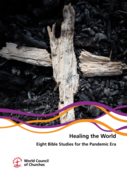
The global coronavirus pandemic, which has brought death to hundreds of thousands and serious illness to millions more, also poses profound spiritual questions and real challenges to Christians everywhere.
The pandemic itself has become a fundamental test of our faith in God and God’s providence,
...
and it urges us to earnest re-examination of our relationship to God, each other, and the natural world.
In Healing the World, the World Council of Churches offers these eight Bible studies to facilitate our coming to terms—as individuals, groups, and communities of faith—with the loss, fear, and confusion engendered by the pandemic, and the bracing prospect of building the world anew.
more
5 May 2021
This Information Note is intended to assist national TB programmes and health personnel worldwide to maintain essential tuberculosis (TB) services during the COVID-19 pandemic and in the recovery phase. It is important that recent progress made in TB prevention and care is not reversed b
...
y COVID-19. The WHO Global TB Programme, along with WHO regional and country offices, developed this note in response to questions received from Member States and other partners since the start of the pandemic. The note includes references to other published WHO information products relevant to TB practitioners. WHO continues to monitor the situation closely for any changes that may influence this note and will issue updates should any factors change.
more

Este documento presenta modelos de algoritmos que permiten investigar por métodos bacteriológicos a los pacientes para el diagnóstico de tuberculosis (TB), TB asociada al Virus de Inmunodeficiencia Humana (TB-HIV) y TB drogorresistente (TBDR).
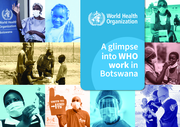
This publication articulates the WHO Botswana Country Office’s focus and investment needs for the biennium 2022–2023, building on achievements, networks, and partnerships fostered in 2020-2021.
As the leading health authority within the United Nations system in Botswana, the WHO Country Offi
...
ce has been at the forefront of supporting the government to improve health since 1996. The WHO Country Office supports the Ministry of Health in realizing the health goals the Government of Botswana defines. Acknowledging that as an upper middle-income country, Botswana provides the bulk of its resources for implementing health programmes, the WHO directly brings technical expertise to the table by collaborating with relevant partners. Where the country office has limitations in terms of human resources with the requisite expertise to answer the country’s needs, the regional level and headquarters of the WHO will be mobilized to provide the necessary support.
more

This brief update on tuberculosis (TB) in the African region covers the state of TB in the WHO African region, strategic priorities and targets and the impact of COVID-19 on essential services. This is followed by key figures for the region, the role of WHO in country support and, recognizing the im
...
portance of diagnosis and drug susceptibility testing, a focus onstrengthening laboratory networks and the regional laboratory and diagnostic objectives. A brief update of the state of the science and how this is funded across the African region is provided, before closing with challenges and opportunities,strategic directions and a brief discussion of funding concerns. Discussions around the drivers of the disease, and issues of the poverty, inequality and stigma that continue to plague those living with TB are fully recognized, but are outside the scope of this report.
more

Chronic respiratory diseases, such as asthma and
chronic obstructive pulmonary disease, kill more than
four million people every year and affect hundreds
of millions more. These diseases erode the health
and well-being of the patients and have a
...
negative
impact on families and societies. Women and
children are particularly vulnerable, especially those
in low and middle income countries, where they are
exposed on a daily basis to indoor air pollution from
solid fuels for cooking and heating. In high income
countries, tobacco is the most important risk factor
for chronic respiratory diseases, and in some of
these countries, tobacco use among women and
young people is still increasing.
more

he UNFPA “Programmatic guidelines: Cash and Voucher Assistance in Sexual and Reproductive Health programming in Emergencies” explains how CVA can be effectively integrated into humanitarian responses to help women, girls, and other vulnerable groups access lifesaving and comprehensive SRH servic
...
es. Rooted in UNFPA’s mandate, this document provides practical direction for designing, implementing, and monitoring CVA within SRH programming.
The guidance highlights the barriers that hinder access to SRH care, such as affordability, availability, acceptability, and appropriateness, and illustrates how CVA can address financial obstacles by covering transport, user fees, or other indirect costs, while reinforcing health system strengthening efforts. CVA is presented as a complementary tool that supports both emergency and long-term SRH goals. Within humanitarian emergencies, it can contribute directly to achieving MISP objectives, including:
Enabling survivors of sexual violence to access clinical and psychosocial care;
Supporting the continuation of HIV and STI treatment, including coverage of transport;
Facilitating safe deliveries and emergency obstetric and newborn care; and
Removing financial barriers to voluntary family planning and contraceptive access, while ensuring informed choice and avoiding coercion.
Beyond the MISP, CVA also supports the transition to comprehensive SRH services in protracted emergencies and recovery phases. Examples include using cash or vouchers to encourage antenatal and postnatal care, ensure menstrual hygiene, sustain cancer prevention and treatment, fund obstetric fistula repair, and promote SRH education among adolescents.
more

The objective of this concept note and the framework it outlines is the elimination of a group of CDs and the negative health effects they generate, which together create a tangible burden on affected individuals, their families and communities, and on health care systems throughout the Region. Thou
...
gh there is no unified consensus on the best measures to use for the public’s health and a nation’s epidemiologic situation, it is common for the disease burden to be measured by disease rates (incidence, prevalence, etc.), disease-specific death rates, comparative morbidity and mortality rates, geographic distribution, and disability-adjusted life years (DALYs). The current epidemiological situation, including data on disease rates or geographic distribution for the diseases in Table 1, is discussed below in Section 4. Hotez et al. (2008) were the first to review and compare the burden of DALYs in Latin America and the Caribbean—for NTDs, HIV/AIDS, malaria, and TB—as it existed about 10 years ago. Though the regional burden of TB, malaria, and neglected infectious diseases (NIDs) is somewhat less than it was 10 years ago, work (and schooling) continue to be lost to illness and premature death or disability, and the need for stepping up disease elimination efforts is evident in all communities living in vulnerable conditions....
more

Programming strategies for Postpartum Family Planning
World Health Organization; USAID; MCHIP
(2013)
This publication is designed to be used by programme planners and managers as a resource when designing interventions to integrate postpartum family planning into national and subnational strategies. Postpartum family planning should not be considered a ‘vertical’ programme, but rather as an int
...
egrated part of existing maternal and child health and family planning efforts. Successful interventions for postpartum family planning require holistic and evidence-based programme strategies that contribute to strengthened health systems and sustained improvements in high-quality services that put people at the centre of health care
more
A Reference Guide for Program Managers and Policy Makers. Recently, a renewed interest in large-scale community health worker (CHW) programs has been seen globally. This renewal provides an opportune moment to take stock of issues and challenges such programs face and what can be done to make them a
...
s effective as possible. With this in mind, this manual is intended to be used a practical guide for policymakers and program managers wishing to develop or strengthen a CHW program, drawing lessons from other countries that have implemented CHW programs at-scale
more
The Priority medicines for mothers and children 2011 list was updated following the 18th Expert Committee Meeting
on Selection and Use of Medicines, the release of new treatment guidelines and feedback from partners following
the 2011 version. In alignment
...
with the UN Global strategy for women’s and children’s health; and the recently
launched UN Commission on life‐saving commodities for women and children, the title of this updated list is
renamed as Priority Life‐Saving Medicines for Women and Children.
more
This report documents the secondary humanitarian problems and impacts of large-scale Ebola outbreak on the different humanitarian sectors, to provide a non-exhaustive plan to help future responders. A large scale Ebola outbreak, in this document, refers to an epidemic
...
with an unprecedented scale, geographical spread and duration.
more
Fever Diagnostic Technology Landscape
recommended
1st edition.
Unitaid’s report describes a slate of new devices that can more efficiently identify dangerously ill children so that they can be treated immediately. These tools make it easier to recognize danger signs, and support integrated approaches to reducing childhood deaths from the three
...
greatest childhood killers: malaria, pneumonia and diarrhoea.
The report also highlights tests that can determine whether or not a child has an illness that can be treated with antibiotics. Viral infections are a common cause of childhood fevers, but cannot be cured with antibiotics. Although many children seeking care at clinics have fever, three-quarters by some estimates, only a small fraction of those have an illness that can be treated with an antimalarial or antibiotic drug
more

The new WHO recommendations for the treatment of isoniazid-resistant, rifampicin-susceptible TB are based upon a review of evidence from patients treated with such regimens by a Guideline Development Group in conformity
...
with WHO requirements for evidence-based policies.
more

This report summarizes the findings of the 2010 Rwanda Demographic and Health Survey (RDHS). The 2010 Rwanda Demographic and Health Survey (RDHS) was designed to provide data for monitoring the population and health situation in Rwanda. The 2010 RDHS is the fifth Demographic and Health Survey to be
...
conducted in Rwanda (DHS in 1992, 2000, and 2005 and Interim DHS in 2007-08). The objective of the survey was to provide up-to-date information on fertility, family planning, childhood mortality, nutrition including anemia testing, maternal and child health, domestic violence, malaria including malaria testing, maternal mortality, awareness and behavior regarding HIV/AIDS and other sexually transmitted infections, and HIV prevalence.
more

This document outlines Rwanda's policy on non-communicable diseases. The overall goal of NCDs Policy is to alleviate the burden of NCDs and their risk factors and protect Rwandan population from premature morbidity and mortality related to NCDs. This policy was developed through a series of consulta
...
tive meetings and workshops of NCDs' core team members of MOH and RBC, National Technical Working Group (TWG), all implementing and non implementing partners and other development partners. This policy was developed in line with the Millennium Development Goals (MDGs), Vision 2020, Rwanda Economic Development Poverty Reduction Strategy (EDPRS II) of 2013-18 and NCDs Global Action Plan 2013-2020 and national Health Policy. This policy focuses on of the following NCDs: Cardiovascular diseases, Chronic Pulmonary Diseases (CPD), Cancers, Diabetes, injuries and disabilities, oral, eye and kidney diseases.
more

The purpose of the situation assessment was to execute a situation analysis for Autism and Neurodevelopment Disorder (NDD) in Bangladesh. The situation assessment covers the following areas: a review of the scale and prevalence of NDD with trends of
...
the disorder in the recent past in Bangladesh (see page 17); estimation of likely disease burden in the near future (see page 27); assessment of the social response to NDD in Bangladesh (see page 67); overview of the support and services required by persons with NDD (see page 79); an inventory of service providers working with NDD in Bangladesh (see page 85); an assessment of the adequacy of the existing services and support available for addressing NDD in country (see page 97); an overview of the role and preparedness of MOHFW and other stakeholders in addressing NDD in Bangladesh (see page 108); recommendations for monitoring, supervision and reporting mechanisms for NDD services at the national level (see page 167); and recommended key activities that should be undertaken by the Health and other relevant ministries in the short and medium term (see page 167).
more
