
Filter
2190
Text search:
knowledge
platform
Featured
192
601
Language
2154
56
43
32
24
23
17
9
5
5
4
3
3
2
2
2
2
2
2
2
2
2
2
2
2
1
1
1
1
1
1
1
1
1
1
1
1
1
1
1
1
Document type
963
512
259
166
156
45
31
25
20
10
1
1
Countries
123
97
68
54
53
49
45
45
44
43
42
39
38
35
33
33
30
30
28
28
25
21
20
19
17
17
16
15
14
14
13
13
11
11
11
11
10
10
9
9
9
8
8
8
7
7
7
7
6
6
6
6
6
6
6
5
5
5
5
5
5
5
5
4
4
4
4
4
3
3
3
3
3
3
3
3
3
2
2
2
2
2
2
2
2
2
2
2
2
2
2
1
1
1
1
1
1
1
1
1
1
1
1
1
1
1
1
1
1
1
1
1
1
1
1
1
1
1
1
1
1
1
1
1
Authors & Publishers
369
71
65
52
51
49
30
29
29
22
20
15
13
12
11
11
11
11
10
10
10
10
10
10
9
9
8
8
8
8
7
7
6
6
6
6
6
6
6
6
6
6
6
6
5
5
5
5
5
5
5
5
5
5
5
5
5
4
4
4
4
4
4
4
4
4
4
4
4
4
4
4
4
4
4
4
4
4
4
4
3
3
3
3
3
3
3
3
3
3
3
3
3
3
3
3
3
3
3
3
3
3
3
3
3
3
3
3
3
3
3
3
3
2
2
2
2
2
2
2
2
2
2
2
2
2
2
2
2
2
2
2
2
2
2
2
2
2
2
2
2
2
2
2
2
2
2
2
2
2
2
2
2
2
2
2
2
2
2
2
2
2
2
2
2
2
2
2
2
2
2
2
2
2
2
2
2
2
2
2
2
2
2
2
2
2
2
2
2
2
2
2
2
2
2
2
2
2
2
2
2
2
2
2
2
2
2
2
2
2
2
2
2
2
2
2
2
2
2
2
2
2
2
2
2
2
2
2
2
2
2
2
2
2
2
2
2
2
2
2
2
2
2
2
2
2
2
1
1
1
1
1
1
1
1
1
1
1
1
1
1
1
1
1
1
1
1
1
1
1
1
1
1
1
1
1
1
1
1
1
1
1
1
1
1
1
1
1
1
1
1
1
1
1
1
1
1
1
1
1
1
1
1
1
1
1
1
1
1
1
1
1
1
1
1
1
1
1
1
1
1
1
1
1
1
1
1
1
1
1
1
1
1
1
1
1
1
1
1
1
1
1
1
1
1
1
1
1
1
1
1
1
1
1
1
1
1
1
1
1
1
1
1
1
1
1
1
1
1
1
1
1
1
1
1
1
1
1
1
1
1
1
1
1
1
1
1
1
1
1
1
1
1
1
1
1
1
1
1
1
1
1
1
1
1
1
1
1
1
1
1
1
1
1
1
1
1
1
1
1
1
1
1
1
1
1
1
1
1
1
1
1
1
1
1
1
1
1
1
1
1
1
1
1
1
1
1
1
1
1
1
1
1
1
1
1
1
1
1
1
1
1
1
1
1
1
1
1
1
1
1
1
1
1
1
1
1
1
1
1
1
1
1
1
1
1
1
1
1
1
1
1
1
1
1
1
1
1
1
1
1
1
1
1
1
1
1
1
1
1
1
1
1
1
1
1
1
1
1
1
1
1
1
1
1
1
1
1
1
1
1
1
1
1
1
1
1
1
1
1
1
1
1
1
1
1
1
1
1
1
1
1
1
1
1
1
1
1
1
1
1
1
1
1
1
1
1
1
1
1
1
1
1
1
1
1
1
1
1
1
1
1
1
1
1
1
1
1
1
1
1
1
1
1
1
1
1
1
1
1
1
1
1
1
1
1
1
1
1
1
1
1
1
1
1
1
1
1
1
1
1
1
1
1
1
1
1
1
1
1
1
1
1
1
1
1
1
1
1
1
1
1
1
1
1
1
1
1
1
1
1
1
1
1
1
1
1
1
1
1
1
1
1
1
1
1
1
1
1
1
1
1
1
1
1
1
1
1
1
1
1
1
1
1
1
1
1
1
1
1
1
1
1
1
1
1
1
1
1
1
1
1
1
1
1
1
1
1
1
1
1
1
1
1
1
1
1
1
1
1
1
1
1
1
1
1
1
1
1
1
1
1
1
1
1
1
1
1
1
1
1
1
1
1
1
1
1
1
1
1
1
1
1
1
1
1
1
1
1
1
1
1
1
1
1
1
1
1
1
1
1
1
1
1
1
1
1
1
1
1
1
1
1
1
1
1
1
1
1
1
1
1
1
1
1
1
1
1
1
1
1
1
1
1
1
1
1
1
1
1
1
1
1
1
1
1
1
1
1
1
1
1
1
1
1
1
1
1
1
1
1
1
1
1
1
1
1
1
1
1
1
1
1
1
1
1
1
1
1
1
1
1
1
1
1
1
1
1
1
1
1
1
1
1
1
1
1
1
1
1
1
1
1
1
1
1
1
1
1
1
1
1
1
1
1
1
1
1
1
1
1
1
1
1
1
1
1
1
1
1
1
1
1
1
1
1
1
1
1
1
1
1
1
1
1
1
1
1
1
1
1
1
1
1
1
1
1
1
1
1
1
1
1
1
1
1
1
1
1
1
1
1
1
1
1
1
1
1
1
1
1
1
1
1
1
1
1
1
1
1
1
1
1
1
1
1
1
1
1
1
1
1
1
1
1
1
1
1
1
1
1
1
1
1
1
1
1
1
1
1
1
1
1
1
1
1
1
1
1
1
1
1
1
1
1
1
1
1
1
1
1
1
1
1
1
1
1
1
1
1
1
1
1
1
1
1
1
1
1
1
1
1
1
1
1
1
1
1
1
1
1
1
1
1
1
1
1
1
1
1
1
1
1
1
1
1
1
1
1
1
1
1
1
1
1
1
1
1
1
1
1
1
1
1
1
1
1
1
1
1
1
1
1
1
1
1
1
1
1
1
1
1
1
1
1
1
1
1
1
1
1
1
1
1
1
1
1
1
1
1
1
1
1
1
1
1
1
1
1
1
1
1
1
1
1
1
1
1
1
1
1
1
1
1
1
1
1
1
1
1
1
1
1
1
1
1
1
1
1
1
1
1
1
1
1
1
1
1
1
1
1
1
1
1
1
1
1
1
1
1
1
1
1
1
1
1
1
1
1
1
1
1
1
1
1
1
1
1
1
1
1
1
1
1
1
1
1
1
1
1
1
1
1
1
1
1
1
1
1
1
1
1
1
1
1
1
1
1
1
1
1
1
1
1
1
1
1
1
1
1
1
1
1
1
1
1
1
1
1
1
1
1
1
1
1
1
1
1
1
1
1
1
1
1
1
1
1
1
1
1
1
1
1
1
1
1
1
1
1
1
1
1
1
1
1
1
1
1
1
1
1
1
1
1
1
1
1
1
1
1
1
1
1
1
1
1
1
1
1
1
1
1
1
1
1
1
1
1
1
1
1
1
1
1
1
1
1
1
1
1
1
1
1
1
1
1
1
1
1
1
1
1
1
1
1
1
1
1
1
1
1
1
1
1
1
1
1
1
1
1
1
1
1
1
1
1
1
1
1
1
1
1
1
1
1
1
1
1
1
1
1
1
1
1
1
1
1
1
1
1
1
1
1
1
1
1
1
1
1
1
1
1
1
1
1
1
1
1
1
1
1
1
1
1
1
1
1
1
1
1
1
1
1
1
1
1
1
1
1
1
1
1
1
1
1
1
1
1
1
1
1
1
1
1
1
1
1
1
1
1
1
1
1
1
1
1
1
1
1
1
1
1
1
1
1
1
1
1
1
1
1
1
1
1
1
1
1
1
1
1
1
1
1
1
1
1
1
1
1
1
1
1
1
1
1
1
1
1
1
1
1
1
1
1
1
1
1
1
1
1
1
1
1
1
1
1
1
1
1
1
1
1
1
1
1
1
1
1
1
1
1
1
1
1
1
1
1
1
1
1
1
1
1
1
1
1
1
1
1
1
1
1
1
1
1
1
1
1
1
1
1
1
1
1
1
1
1
1
1
1
1
1
1
1
1
1
1
1
1
1
1
1
1
1
1
1
1
1
1
1
1
1
1
1
1
1
1
1
1
1
1
1
1
1
1
1
1
1
1
1
1
1
1
1
1
1
1
1
1
1
1
1
1
1
1
1
1
1
1
1
1
1
1
1
1
1
1
1
1
1
1
1
1
1
1
1
1
1
1
1
1
1
1
1
1
1
1
1
1
1
1
1
1
1
1
1
1
1
1
1
1
1
1
1
1
1
1
1
1
1
1
1
1
1
1
1
1
1
1
1
1
1
1
1
1
1
1
1
1
1
1
1
1
1
1
1
1
1
1
1
1
1
1
1
1
1
1
1
1
1
1
1
1
1
1
1
1
1
1
1
1
1
1
1
1
1
1
1
1
1
1
1
1
1
1
1
1
1
1
1
1
1
1
1
1
1
1
1
1
1
1
1
1
1
1
1
1
1
1
1
1
1
1
1
1
1
1
1
1
1
1
1
1
1
1
1
1
1
1
1
1
1
1
1
1
1
1
1
1
1
1
1
1
1
1
1
1
1
1
1
1
1
1
1
1
1
1
1
1
1
1
1
1
1
1
1
1
1
1
1
1
Publication Years
908
1209
71
1
1
Category
774
169
133
131
105
39
15
3
Toolboxes
231
156
115
86
84
77
76
71
66
66
65
64
57
53
52
42
38
30
29
19
14
10
10
10
5
2
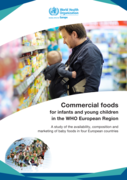
In order to help Member States understand what commercial foods for infants and young children are currently on the market, and to support implementation of the Guidance on ending inappropriate promotion of foods for infants and young children at the European level, the WHO Regional Office for Europ
...
e developed a methodology for identifying commercial baby foods available in retail settings and collecting data on their nutritional content, as well as various aspects of their packaging, labelling and promotion.
more

9 September 2020
In a snapshot, fair allocation of vaccines will occur in the following way:
An initial proportional allocation of doses to countries until all countries reach enough quantities to cover 20% of their population
This document is also available in Arabic | Chinese | French | R
...
ussian | Spanish | Portuguese
A follow-up phase to expand coverage to other populations. If severe supply constraints persist, a weighted allocation approach would be adopted, taking account of a country’s COVID threat and vulnerability.
The document is a final working document and may be adjusted in the future as new information about the vaccines and the epidemiology of COVID-19 becomes available.
more

Working Document Nov. 2020
The COVAX Supply and Logistics workstream lead by UNICEF, Gavi and WHO have released a working copy of the COVID-19 Vaccination, Country Readiness & Delivery: Supply and Logistics Guidance. Countries might find this Guide useful when developing and strengthening their sup
...
ply chain strategies to receive, store, distribute and manage the COVID-19 vaccines and their ancillary products, in line with their national deployment and vaccination plan (NDVP). The document also provides links to the different tools and resources to aid countries in performing assessment, planning and capacity-building activities.
more

22 December 2020
The COVID-19 vaccine safety guidance manual has been developed upon recommendation and guidance of GACVS members, as well as by experts incorporating current and available information critical to all stakeholders when COVID-19 vaccines will be introduced.
For ease of use, the man
...
ual is available in a compiled form and in several separate modules that can be consulted individually. For each module, specific training material is also available to facilitate implementation.
more
Prepared by the Independent Panel for Pandemic Preparedness and Response for the WHO Executive Board, January 2021
“The world was not as prepared as it should have been, and it must do better,” concludes a WHO panel reviewing the pandemic response "

Quality of care in fragile, conflict-affected and vulnerable settings: tools and resources compendium
recommended
This compendium represents a curated, pragmatic and non-prescriptive collection of tools and resources to support the implementation of interventions to improve quality of care in such contexts. Relevant tools and resources are listed under five areas: Ensuring access and basic infrastructure for qu
...
ality; shaping the system environment; reducing harm; improving clinical care; and engaging and empowering patients, families and communities.
more
nterim guidance, first issued 25 January 2021, updated 15 June 2021, updated 19 November 2021, updated 23 February 2022, updated 18 August 2022

The document presents an assessment developed by both institutions as a contribution to the prioritization of education in national response plans to the health emergency and future recovery strategies. "Countries have deployed various response and recovery plans in which education needs to be incor
...
porated as a central element," the report says, "not only to ensure an education response, but to achieve an equitable, inclusive and sustainable recovery”.
more
3 February 2021
Vaccine- and vaccination-related crises require a communication response that is different from the communication strategies used to promote the benefits and importance of vaccines in general. This document presents the technical guidance needed to develop a communication plan that
...
is appropriate for managing crises related to vaccine safety. This guidance will be useful for managers in the areas of immunization and vaccine and vaccination safety. They will also help preparedness and response teams working in safety crises to optimize their communication plans in order to regain, maintain, or strengthen trust in vaccines, vaccination, and immunization programs in general.
more
These WHO interim recommendations on the use of the Astra Zeneca – Oxford University AZD1222 vaccine against Covid-19 were developed on the basis of advice issued by the Strategic Advisory Group of Experts on Immunization (SAGE) and the evidence summary included in the background document referenc
...
ed below.
This document has been updated: Version 15 March 2022.
more

This Module, Count me in! Inclusive WASH in Ethiopia, was prepared by Ethiopian authors with support from The Open University UK. It was first published in June 2018. The contributors of original material are:Girma Aboma, Manager, GAA Economic Development ConsultBethel Shiferaw, SPCC Disability Incl
...
usion Advisor, Ethiopian Center for Disability and Development
more
This National Prevention Road Map addresses the above-mentioned challenges and aims to guide, focus and reinvigorate the HIV prevention response during the period 2018-2020. It also renews the commitment of political leadership,
Malaria Operational Plan FY 2018 Ethiopia
United States Agency for International Development
United States Agency for International Development
(2018)
C1
This FY 2018 Malaria Operational Plan (MOP) presents a detailed implementation plan for Ethiopia, based on the strategies of PMI and the National Malaria Control Program (NMCP). It was developed in consultation with the Federal Ministry of Health (FMOH), NMCP, Ethiopian Public Health Institute (EP
...
HI), and regional health bureaus, and with the participation of national and international partners involved in malaria prevention and control in the country. The activities that PMI is proposing to support align with the National Malaria Strategic Plan (NMSP 2014-2020) and build on investments made by PMI and other partners to improve and expand malaria-related services, including the Global Fund to Fight AIDS, Tuberculosis, and Malaria (Global Fund) malaria grants. This document briefly reviews the current status of malaria control policies and interventions in Ethiopia, describes progress to date, identifies challenges and unmet needs to achieving the targets of the NMCP and PMI, and provides a description of activities that are planned with FY 2018 funding.
more
Antimicrobial resistance (AMR) surveillance plays an important role in the early detection of resistant strains of public health importance and prompt response to outbreaks in hospitals and the community. Surveillance findings are needed to inform medical practice, antibiotic stewardship, and policy
...
and interventions to combat AMR. Appropriate use of antimicrobials, informed by surveillance, improves patients’ treatment outcomes and reduces the emergence and spread of AMR. This protocol describes the steps and procedures to establish/enhance AMR surveillance in Latin America and the Caribbean.
more

Closing the immunisation gap in Ethiopia: a formative evaluation of ‘The Fifth Child Project’
Shiferaw Dechasa Demissie, et al.
International Rescue Committee, London School of Hygiene & Tropical Medicine, Assosa Referral Hospital
(2019)
C1

For IST to be effective there is need for utilization of multiple techniques that will lead to transfer of competences (Bluestone et al. 2013). Learning settings should be selected to support relevant and realistic practice so as to increase the efficiency of IST. Alternatives to hotels such as trai
...
ning institutions and hospitals are viable options for reducing costs of IST as well as being appropriate venues (MOH 2012). There is documented evidence of involvement of academic institutions in providing health leadership capacity building through IST in other countries; for example, in Uganda, IST in leadership for doctors and nurses was done through a blended approach that included didactic and online sessions (Nakanjako et al. 2015). Adapting these concepts, FUNZOKenya piloted eight regional hubs, each serving a cluster of counties, which would train health workers for five years (2012-2016) on priority service delivery topics
more

The purpose of the review was to assign a cause of death, to ascertain the fac-tors that contributed to the death and to identify any systemic issues that could be addressed to prevent future similar deaths. The perinatal mortality audit process in 2019 provided important insights and evidence-based
...
recommendations that can be used both to address system errors and barriers and to identify and praise points of strength. The aim is to pro-vide recommendations for better care for mothers and their infants during pregnancy, childbirth and the neonatal period and improve the quality of care provided throughout the health system.
more

The harmonized training package for Point-of-use-fortification using micronutrient powders has been developed to guide in training frontline health workers. The micronutrient powders will be distributed at the health facilities where instructions on use will be provided by Health Care Providers. Com
...
munity Health Volunteers will educate, counsel, and mobilize caregivers at the community level to visit health facilities for nutrition assessment and provision of the micronutrient powders.
more
