
Filter
1820
Text search:
vision
loss
Featured
187
521
Language
1765
63
46
36
32
16
12
9
6
4
4
4
3
3
3
3
2
2
2
2
2
2
2
2
2
1
1
1
1
1
1
1
1
1
1
1
1
1
1
1
1
1
1
1
1
1
1
1
1
1
1
1
1
1
1
Document type
1009
296
197
134
94
53
18
13
2
2
1
Countries
108
105
67
48
47
46
35
34
32
32
29
26
26
25
25
24
22
21
21
17
17
16
15
15
14
12
12
12
11
10
8
8
7
7
7
6
6
6
6
5
5
5
5
5
5
4
4
4
4
4
4
3
3
3
3
3
3
2
2
2
2
2
2
2
2
2
2
1
1
1
1
1
1
1
1
1
1
1
1
1
1
1
1
1
1
1
1
1
Authors & Publishers
201
59
53
50
41
26
26
21
16
13
13
12
11
11
10
10
10
9
9
9
9
8
8
8
8
8
7
7
7
7
6
6
6
6
6
6
6
6
6
6
5
5
5
5
5
5
5
5
5
5
5
5
5
5
5
5
5
5
4
4
4
4
4
4
4
4
4
4
4
4
4
4
4
4
4
4
4
4
4
4
3
3
3
3
3
3
3
3
3
3
3
3
3
3
3
3
3
3
3
3
3
3
3
3
3
3
3
3
3
3
3
3
3
3
3
3
3
3
3
3
3
3
3
3
3
3
3
3
3
3
2
2
2
2
2
2
2
2
2
2
2
2
2
2
2
2
2
2
2
2
2
2
2
2
2
2
2
2
2
2
2
2
2
2
2
2
2
2
2
2
2
2
2
2
2
2
2
2
2
2
2
2
2
2
2
2
2
2
2
2
2
2
2
2
2
2
2
2
2
2
2
2
2
2
2
2
2
2
2
2
2
2
2
2
2
2
2
2
2
2
2
2
2
2
2
2
2
2
2
2
2
1
1
1
1
1
1
1
1
1
1
1
1
1
1
1
1
1
1
1
1
1
1
1
1
1
1
1
1
1
1
1
1
1
1
1
1
1
1
1
1
1
1
1
1
1
1
1
1
1
1
1
1
1
1
1
1
1
1
1
1
1
1
1
1
1
1
1
1
1
1
1
1
1
1
1
1
1
1
1
1
1
1
1
1
1
1
1
1
1
1
1
1
1
1
1
1
1
1
1
1
1
1
1
1
1
1
1
1
1
1
1
1
1
1
1
1
1
1
1
1
1
1
1
1
1
1
1
1
1
1
1
1
1
1
1
1
1
1
1
1
1
1
1
1
1
1
1
1
1
1
1
1
1
1
1
1
1
1
1
1
1
1
1
1
1
1
1
1
1
1
1
1
1
1
1
1
1
1
1
1
1
1
1
1
1
1
1
1
1
1
1
1
1
1
1
1
1
1
1
1
1
1
1
1
1
1
1
1
1
1
1
1
1
1
1
1
1
1
1
1
1
1
1
1
1
1
1
1
1
1
1
1
1
1
1
1
1
1
1
1
1
1
1
1
1
1
1
1
1
1
1
1
1
1
1
1
1
1
1
1
1
1
1
1
1
1
1
1
1
1
1
1
1
1
1
1
1
1
1
1
1
1
1
1
1
1
1
1
1
1
1
1
1
1
1
1
1
1
1
1
1
1
1
1
1
1
1
1
1
1
1
1
1
1
1
1
1
1
1
1
1
1
1
1
1
1
1
1
1
1
1
1
1
1
1
1
1
1
1
1
1
1
1
1
1
1
1
1
1
1
1
1
1
1
1
1
1
1
1
1
1
1
1
1
1
1
1
1
1
1
1
1
1
1
1
1
1
1
1
1
1
1
1
1
1
1
1
1
1
1
1
1
1
1
1
1
1
1
1
1
1
1
1
1
1
1
1
1
1
1
1
1
1
1
1
1
1
1
1
1
1
1
1
1
1
1
1
1
1
1
1
1
1
1
1
1
1
1
1
1
1
1
1
1
1
1
1
1
1
1
1
1
1
1
1
1
1
1
1
1
1
1
1
1
1
1
1
1
1
1
1
1
1
1
1
1
1
1
1
1
1
1
1
1
1
1
1
1
1
1
1
1
1
1
1
1
1
1
1
1
1
1
1
1
1
1
1
1
1
1
1
1
1
1
1
1
1
1
1
1
1
1
1
1
1
1
1
1
1
1
1
1
1
1
1
1
1
1
1
1
1
1
1
1
1
1
1
1
1
1
1
1
1
1
1
1
1
1
1
1
1
1
1
1
1
1
1
1
1
1
1
1
1
1
1
1
1
1
1
1
1
1
1
1
1
1
1
1
1
1
1
1
1
1
1
1
1
1
1
1
1
1
1
1
1
1
1
1
1
1
1
1
1
1
1
1
1
1
1
1
1
1
1
1
1
1
1
1
1
1
1
1
1
1
1
1
1
1
1
1
1
1
1
1
1
1
1
1
1
1
1
1
1
1
1
1
1
1
1
1
1
1
1
1
1
1
1
1
1
1
1
1
1
1
1
1
1
1
1
1
1
1
1
1
1
1
1
1
1
1
1
1
1
1
1
1
1
1
1
1
1
1
1
1
1
1
1
1
1
1
1
1
1
1
1
1
1
1
1
1
1
1
1
1
1
1
1
1
1
1
1
1
1
1
1
1
1
1
1
1
1
1
1
1
1
1
1
1
1
1
1
1
1
1
1
1
1
1
1
1
1
1
1
1
1
1
1
1
1
1
1
1
1
1
1
1
1
1
1
1
1
1
1
1
1
1
1
1
1
1
1
1
1
1
1
1
1
1
1
1
1
1
1
1
1
1
1
1
1
1
1
1
1
1
1
1
1
1
1
1
1
1
1
1
1
1
1
1
1
1
1
1
1
1
1
1
1
1
1
1
1
1
1
1
1
1
1
1
1
1
1
1
1
1
1
1
1
1
1
1
1
1
1
1
1
1
1
1
1
1
1
1
1
1
1
1
1
1
1
1
1
1
1
1
1
1
1
1
1
1
1
1
1
1
1
1
1
1
1
1
1
1
1
1
1
1
1
1
1
1
1
1
1
1
1
1
1
1
1
1
1
1
1
1
1
1
1
1
1
1
1
1
1
1
1
1
1
1
1
1
1
1
1
1
1
1
1
1
1
1
1
1
1
1
1
1
1
1
1
1
1
1
1
1
1
1
1
1
1
1
1
1
1
1
1
1
1
1
1
1
1
1
1
1
1
1
1
1
1
1
1
1
1
1
1
1
1
1
1
1
1
1
1
1
1
1
1
1
1
1
1
1
1
1
1
1
1
1
1
1
1
1
1
1
1
1
1
1
1
1
1
1
1
1
1
1
1
1
1
1
1
1
1
1
1
1
1
1
1
1
1
1
1
1
1
1
1
1
1
1
1
1
1
1
1
1
1
1
1
1
1
1
1
1
1
1
1
1
1
1
1
1
1
1
1
1
1
1
1
1
1
1
1
1
1
1
1
1
1
1
1
1
1
1
1
1
1
1
1
1
1
1
1
1
1
1
1
1
1
1
1
1
1
1
1
1
1
1
1
1
1
1
1
1
1
1
1
1
1
1
1
1
1
1
1
1
1
1
1
1
1
1
1
1
1
1
1
1
1
1
1
1
1
1
1
1
1
1
1
1
1
1
1
1
1
1
1
1
1
1
1
1
1
1
1
1
1
1
1
1
1
1
1
1
1
1
1
1
1
1
1
1
1
1
1
1
1
1
1
1
1
1
1
1
1
1
1
1
1
1
1
1
1
1
1
1
1
1
1
1
1
1
1
1
1
1
1
1
1
1
1
1
1
1
1
1
1
1
1
1
1
1
1
1
1
1
1
1
1
1
1
1
1
1
1
1
1
1
1
1
1
1
1
1
1
1
1
1
1
1
1
1
1
1
1
1
1
1
1
1
1
1
1
1
1
1
1
1
1
1
1
1
1
1
1
1
1
1
1
1
1
1
1
1
1
1
1
1
1
1
1
1
1
1
1
1
1
1
1
1
1
1
1
1
1
1
1
1
1
1
1
1
1
1
1
1
1
1
1
1
1
1
1
1
1
1
1
1
1
1
1
1
1
1
1
1
1
1
1
1
1
1
1
1
1
1
1
1
1
1
Publication Years
523
1116
176
5
Category
690
154
130
127
88
41
10
Toolboxes
169
153
104
74
65
59
58
54
45
40
39
37
37
34
32
22
21
21
20
20
16
12
10
8
5
3
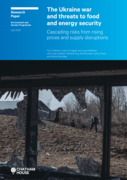
Cascading risks from rising prices and supply disruptions, April 2022.
Global resource markets are still reeling from the impacts of Russia’s invasion of Ukraine; the two countries are major suppliers of energy, food and fertilizers. Supply disruption and the sudden imposition, in response to the
...
crisis, of unprecedented economic sanctions, trade restrictions and policy interventions have caused prices of commodities to skyrocket.
Before the conflict, demand for global resources already exceeded supply and drove up prices as economies rebounded after the COVID-19 pandemic. This gave rise to a global cost-of-living crisis, characterized by increasing levels of energy and food poverty. This situation is likely to become much worse as a consequence of the war in Ukraine, and poses a threat to human security, particularly among low-income and vulnerable populations.
more

The Investment guidelines for youth in agrifood systems in Africa, developed jointly by FAO and the African Union Commission (AUC) through a multi-stakeholder and participatory process, highlight the importance of youth as change agents and key stakeholders contributing to sustainable agrifood syste
...
ms. The guidelines aim to accelerate investments in and by youth in agrifood systems by providing practical guidance - including tools and examples - to design, develop, implement, monitor and evaluate youth-focused and youth-sensitive investment programmes and to engage youth fully as partners in the entire process.
more

WHO Technical Series 971


Projects from around the world
Environmental pollution, protection, quality and sustainability
Viral hepatitis is defined as inflammation of the liver cells due to viral infection. The burden of liver disease in South Africa is mostly underestimated as viral hepatitis, in particular chronic infection, is a silent and neglected cause of morbidity and mortality. However, the burden of disease i
...
s likely substantial given the prevalence of chronic viral hepatitis. This burden is further compounded by the lack of screening and access to care and treatment as well as inadequate disease surveillance, human and financial resources.
The National Guidelines for the Management of Viral Hepatitis were developed, with the purpose to:
inform healthcare workers in the public and private sectors about the disease, its epidemiology in South Africa and current methods of diagnosis and therapy
strengthen the healthcare response to viral hepatitis
empower communicable diseases workers and stakeholders to make informed decisions regarding appropriate and cost effective interventions
more
Future of Nursing 2020-2030
Wakefield, M.K.; et al.
National Academy of Medicine; National Academies of Sciences, Engineering, and Medicine
(2021)
C1
Charting a Path to Achieve Health Equity. The decade ahead will test the nation's nearly 4 million nurses in new and complex ways. Nurses live and work at the intersection of health, education, and communities. Nurses work in a wide array of settings and practice at a range of professional levels. T
...
hey are often the first and most frequent line of contact with people of all backgrounds and experiences seeking care and they represent the largest of the health care professions.
Free download available, register for free
more

WHY THIS GUIDE?
Because, in the face of crises and emergencies, it is vital to include a human rights perspective in responses. Vulnerable groups face major obstacles to accessing and benefiting from prevention, mitigation, and health care policies due to structural barriers of inequality. To offer
...
guidelines to the countries of the Americas for crafting and implementing inclusive and accessible, human rights-based responses to a pandemic that is unprecedented in the region and in the world as a whole.
more
The WHO Quality Toolkit: Navigating tools to improve the quality of health services helps easy identification and access to a wide range of WHO published materials to improve the quality of health services. These tools support the actions described in the Quality health services: a planning guide, w
...
hich outlines a structured, systems-based approach to improving quality of health services. Whether you work at the facility, sub-national or national level, or in specific communities, you will find resources within the Quality Toolkit to help you carry out essential tasks to improve quality of care
more
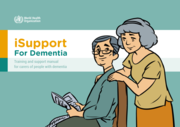
iSupport
recommended
iSupport is a self-help skills and training programme for carers of people with dementia. Worldwide, around 55 million people have dementia. Dementia causes significant psychological and emotional impact on families and carers. iSupport aims to prevent and/or decrease mental and physical health prob
...
lems associated with caregiving and to improve the quality of life of those caring for people with dementia.
iSupport was conceptualized and developed as an online training programme. However, in areas of the world with limited internet bandwidth or low digital literacy, the iSupport hardcopy manual can be printed and used offline.
In five modules, iSupport teaches carers what dementia is and how to respond to common challenges of caregiving. The five modules are (i) introduction to dementia; (ii) being a caregiver; (iii) caring for me; (iv) providing everyday care; and (v) dealing with behaviour changes.
more

The mhGAP community toolkit: field test version is an integral part of WHO's Mental Health Gap Action Programme (mhGAP), and aims at scaling up services for people with mental health conditions to achieve universal health coverage.
The toolkit provides guidance for programme managers on how to i
...
dentify local mental health needs and tailor community services to match these needs. It offers practical information and necessary tools for community providers to promote mental health, prevent mental health conditions and expand access to mental health services.
more
Person-centred recovery planning for mental health and well-being: self-help tool: WHO QualityRights
Ensuring mental health and well-being has become a worldwide imperative and an important target of the Sustainable Development Goals. But in all countries around the world, our response has been woefully insufficient, and we have made
little progress to advance mental health as a fundamental human
...
right.
One in ten people are affected by a mental health condition, up to 200 million people have an intellectual disability and an estimated 50 million people have dementia. Many persons with mental health conditions, or psychosocial, intellectual, or cognitive disabilities lack access to quality mental health services that respond to their needs and respect their rights and dignity.
more
Навчальні та методичні модулі ініціативи ВООЗ QualityRights було розроблено з метою покращення знань, навичок та розуміння ключових зацікавлених сторін про те, як сприяÑ
...
‚и дотриманню прав людини осіб з інвалідністю внаслідок психосоціальних, інтелектуальних та когнітивних порушень, а також задля підви¬щення якості послуг і видів підтримки, які надаються в охороні психічного здоров’я та пов’язаних сферах, у відповідності з міжнародними стандартами прав людини та, зокрема, з Конвенцією про права осіб з інвалідністю та підходом, орієнтованим на відновлення.
more

As a result of Russia’s invasion of Ukraine, the people of Ukraine, especially the most vulnerable, are paying an enormous price. Lives and livelihoods are being lost, with more than ten million people forced from their homes— and their country—in search of safety. The war has unleashed catast
...
rophic damage to the country’s economy and threatens lasting increases in poverty and societal upheaval. The scale of the war and the devastation it has caused have jeopardized Ukraine’s hard-fought development gains, through destruction of production and property, disruption of trade, diminished investment due to amplified uncertainty, and erosion of human capita
more

This profile is part of a series of Climate Risk Country Profiles developed by the World Bank Group (WBG). The country profile synthesizes most relevant data and information on climate change, disaster risk reduction, and adaptation actions and policies at the country level. The country profile seri
...
es are designed as a quick reference source for development practitioners to better integrate climate resilience in development planning and policy making. This effort is managed and led by Veronique Morin (Senior Climate Change Specialist, WBG) and Ana E. Bucher (Senior Climate Change Specialist, WBG)
more
This profile is part of a series of Climate Risk Country Profiles developed by the World Bank Group (WBG). The country profile
synthesizes most relevant data and information on climate change, disaster risk reduction, and adaptation actions and policies
at the country level. The country profile se
...
ries are designed as a quick reference source for development practitioners to better
integrate climate resilience in development planning and policy making.
more
