Filter
781
Text search:
mandates
Featured
61
230
Language
Document type
433
145
79
51
48
10
5
5
2
1
1
Countries
40
33
27
21
19
17
17
16
16
16
15
14
14
13
12
12
11
10
9
8
8
8
7
7
6
6
6
5
5
5
5
5
5
5
4
4
4
4
4
3
3
3
3
3
2
2
2
2
2
2
2
2
2
2
2
2
2
2
2
2
2
2
2
1
1
1
1
1
1
1
1
1
1
1
1
1
1
1
1
1
1
1
1
1
1
1
1
1
1
Authors & Publishers
Publication Years
Category
324
97
41
39
16
4
2
Toolboxes
59
55
47
41
38
32
27
21
21
19
18
16
16
15
14
9
8
8
6
6
3
3
3
2
2
1
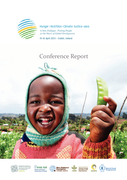
Confernece Report 15-16 April 2013 - Dublin, Ireland




In the context of the Support to National Malaria Control Programme (SuNMaP), demand creation is the strategic combination of advocacy, communication and mobilisation approaches that seek to achieve increased community awareness of, and demand for, effective malaria prevention and treatment services
...

The companion Handbook on Humanitarian Access presents the normative framework pertaining to humanitarian access in situations of armed conflict, and therefore serves as a useful reference source for humanitarian practitioners on the normative framework.
This initial version of the Field Manual –
...

The Participation Handbook for humanitarian field workers contains detailed practical advice on the participation of affected people in humanitarian action. It has three sections:
Developing a participatory approach (main issues, key factors, building mutual respect, communication methods and
...
This working draft develops guidance on conducting effective evaluations of conflict prevention and peacebuilding work. The current working draft will be used for a one year application phase through 2008. It is the result of an ongoing collaborative project by the OECD DAC Networks on Development E
...
As part of a wider organisational undertaking to better capture and communicate the effectiveness of its work, Oxfam developed an evaluative method to assess the quality of targeted humanitarian responses. This method uses a global humanitarian indicator tool which is intended to enable Oxfam GB to
...
Available in: English, French, Chinese, Spanish, Russian, Arabic, Thai, Korean, Tajik, Vietnamese, Uzbek
http://www.who.int/disabilities/cbr/guidelines/en/