Filter
3163
Text search:
disability
data
Featured
277
734
Language
3071
78
73
48
37
31
19
12
9
8
5
4
4
3
3
3
3
3
3
3
3
3
3
3
3
2
2
2
2
2
2
2
2
2
2
1
1
1
1
1
1
1
1
1
1
1
1
1
1
1
1
1
1
Document type
1775
605
332
185
144
46
40
21
9
4
2
Countries
187
128
87
72
69
62
56
55
55
52
52
51
46
44
39
39
37
35
34
34
33
30
30
28
28
25
23
22
22
21
18
18
15
12
12
12
12
12
11
10
10
10
9
9
9
9
8
8
8
8
8
7
7
7
7
7
6
6
6
6
6
6
6
5
5
5
5
5
5
4
4
4
4
4
3
3
3
3
2
2
2
2
2
2
2
2
2
2
2
2
2
2
2
1
1
1
1
1
1
1
1
1
1
1
1
1
1
1
1
1
1
1
1
1
1
1
1
1
1
1
1
1
1
1
1
1
1
1
1
Authors & Publishers
423
137
115
97
89
72
56
50
49
36
30
27
23
23
22
19
19
17
16
16
14
13
13
13
12
11
11
11
11
10
10
10
10
10
10
10
10
10
9
9
9
8
8
8
8
8
8
8
7
7
7
7
7
7
7
7
7
7
7
6
6
6
6
6
6
6
6
6
6
6
5
5
5
5
5
5
5
5
5
5
5
5
5
5
5
5
5
5
5
5
5
5
4
4
4
4
4
4
4
4
4
4
4
4
4
4
4
4
4
4
4
4
4
4
4
4
4
4
4
4
4
4
4
4
3
3
3
3
3
3
3
3
3
3
3
3
3
3
3
3
3
3
3
3
3
3
3
3
3
3
3
3
3
3
3
3
3
3
3
3
3
3
3
3
3
3
3
3
3
3
3
3
3
3
3
3
3
3
3
3
3
2
2
2
2
2
2
2
2
2
2
2
2
2
2
2
2
2
2
2
2
2
2
2
2
2
2
2
2
2
2
2
2
2
2
2
2
2
2
2
2
2
2
2
2
2
2
2
2
2
2
2
2
2
2
2
2
2
2
2
2
2
2
2
2
2
2
2
2
2
2
2
2
2
2
2
2
2
2
2
2
2
2
2
2
2
2
2
2
2
2
2
2
2
2
2
2
2
2
2
2
2
2
2
2
2
2
2
2
2
2
2
2
2
2
2
2
2
2
2
2
2
2
2
2
2
2
2
2
2
2
2
2
2
2
2
2
2
2
2
2
2
2
2
2
2
2
2
2
2
2
2
2
1
1
1
1
1
1
1
1
1
1
1
1
1
1
1
1
1
1
1
1
1
1
1
1
1
1
1
1
1
1
1
1
1
1
1
1
1
1
1
1
1
1
1
1
1
1
1
1
1
1
1
1
1
1
1
1
1
1
1
1
1
1
1
1
1
1
1
1
1
1
1
1
1
1
1
1
1
1
1
1
1
1
1
1
1
1
1
1
1
1
1
1
1
1
1
1
1
1
1
1
1
1
1
1
1
1
1
1
1
1
1
1
1
1
1
1
1
1
1
1
1
1
1
1
1
1
1
1
1
1
1
1
1
1
1
1
1
1
1
1
1
1
1
1
1
1
1
1
1
1
1
1
1
1
1
1
1
1
1
1
1
1
1
1
1
1
1
1
1
1
1
1
1
1
1
1
1
1
1
1
1
1
1
1
1
1
1
1
1
1
1
1
1
1
1
1
1
1
1
1
1
1
1
1
1
1
1
1
1
1
1
1
1
1
1
1
1
1
1
1
1
1
1
1
1
1
1
1
1
1
1
1
1
1
1
1
1
1
1
1
1
1
1
1
1
1
1
1
1
1
1
1
1
1
1
1
1
1
1
1
1
1
1
1
1
1
1
1
1
1
1
1
1
1
1
1
1
1
1
1
1
1
1
1
1
1
1
1
1
1
1
1
1
1
1
1
1
1
1
1
1
1
1
1
1
1
1
1
1
1
1
1
1
1
1
1
1
1
1
1
1
1
1
1
1
1
1
1
1
1
1
1
1
1
1
1
1
1
1
1
1
1
1
1
1
1
1
1
1
1
1
1
1
1
1
1
1
1
1
1
1
1
1
1
1
1
1
1
1
1
1
1
1
1
1
1
1
1
1
1
1
1
1
1
1
1
1
1
1
1
1
1
1
1
1
1
1
1
1
1
1
1
1
1
1
1
1
1
1
1
1
1
1
1
1
1
1
1
1
1
1
1
1
1
1
1
1
1
1
1
1
1
1
1
1
1
1
1
1
1
1
1
1
1
1
1
1
1
1
1
1
1
1
1
1
1
1
1
1
1
1
1
1
1
1
1
1
1
1
1
1
1
1
1
1
1
1
1
1
1
1
1
1
1
1
1
1
1
1
1
1
1
1
1
1
1
1
1
1
1
1
1
1
1
1
1
1
1
1
1
1
1
1
1
1
1
1
1
1
1
1
1
1
1
1
1
1
1
1
1
1
1
1
1
1
1
1
1
1
1
1
1
1
1
1
1
1
1
1
1
1
1
1
1
1
1
1
1
1
1
1
1
1
1
1
1
1
1
1
1
1
1
1
1
1
1
1
1
1
1
1
1
1
1
1
1
1
1
1
1
1
1
1
1
1
1
1
1
1
1
1
1
1
1
1
1
1
1
1
1
1
1
1
1
1
1
1
1
1
1
1
1
1
1
1
1
1
1
1
1
1
1
1
1
1
1
1
1
1
1
1
1
1
1
1
1
1
1
1
1
1
1
1
1
1
1
1
1
1
1
1
1
1
1
1
1
1
1
1
1
1
1
1
1
1
1
1
1
1
1
1
1
1
1
1
1
1
1
1
1
1
1
1
1
1
1
1
1
1
1
1
1
1
1
1
1
1
1
1
1
1
1
1
1
1
1
1
1
1
1
1
1
1
1
1
1
1
1
1
1
1
1
1
1
1
1
1
1
1
1
1
1
1
1
1
1
1
1
1
1
1
1
1
1
1
1
1
1
1
1
1
1
1
1
1
1
1
1
1
1
1
1
1
1
1
1
1
1
1
1
1
1
1
1
1
1
1
1
1
1
1
1
1
1
1
1
1
1
1
1
1
1
1
1
1
1
1
1
1
1
1
1
1
1
1
1
1
1
1
1
1
1
1
1
1
1
1
1
1
1
1
1
1
1
1
1
1
1
1
1
1
1
1
1
1
1
1
1
1
1
1
1
1
1
1
1
1
1
1
1
1
1
1
1
1
1
1
1
1
1
1
1
1
1
1
1
1
1
1
1
1
1
1
1
1
1
1
1
1
1
1
1
1
1
1
1
1
1
1
1
1
1
1
1
1
1
1
1
1
1
1
1
1
1
1
1
1
1
1
1
1
1
1
1
1
1
1
1
1
1
1
1
1
1
1
1
1
1
1
1
1
1
1
1
1
1
1
1
1
1
1
1
1
1
1
1
1
1
1
1
1
1
1
1
1
1
1
1
1
1
1
1
1
1
1
1
1
1
1
1
1
1
1
1
1
1
1
1
1
1
1
1
1
1
1
1
1
1
1
1
1
1
1
1
1
1
1
1
1
1
1
1
1
1
1
1
1
1
1
1
1
1
1
1
1
1
1
1
1
1
1
1
1
1
1
1
1
1
1
1
1
1
1
1
1
1
1
1
1
1
1
1
1
1
1
1
1
1
1
1
1
1
1
1
1
1
1
1
1
1
1
1
1
1
1
1
1
1
1
1
1
1
1
1
1
1
1
1
1
1
1
1
1
1
1
1
1
1
1
1
1
1
1
1
1
1
1
1
1
1
1
1
1
1
1
1
1
1
1
1
1
1
1
1
1
1
1
1
1
1
1
1
1
1
1
1
1
1
1
1
1
1
1
1
1
1
1
1
1
1
1
1
1
1
1
1
1
1
1
1
1
1
1
1
1
1
1
1
1
1
1
1
1
1
1
1
1
1
1
1
1
1
1
1
1
1
1
1
1
1
1
1
1
1
1
1
1
1
1
1
1
1
1
1
1
1
1
1
1
1
1
1
1
1
1
1
1
1
1
1
1
1
1
1
1
1
1
1
1
1
1
1
1
1
1
1
1
1
1
1
1
1
1
1
1
1
1
1
1
1
1
1
1
1
1
1
1
1
1
1
1
1
1
1
1
1
1
1
1
1
1
1
1
1
1
1
1
1
1
1
1
1
1
1
1
1
1
1
1
1
1
1
1
1
1
1
1
1
1
1
1
1
1
1
1
1
1
1
1
1
1
1
1
1
1
1
1
1
1
1
1
1
1
1
1
1
1
1
1
1
1
1
1
1
1
1
1
1
1
1
1
1
1
1
1
1
1
1
1
1
1
1
1
1
1
1
1
1
1
1
1
1
1
1
1
1
1
1
1
1
1
1
1
1
1
1
1
1
1
1
1
1
1
1
1
1
1
1
1
1
1
1
1
1
1
1
1
1
1
1
1
1
1
1
1
1
1
1
1
1
1
1
1
1
1
1
1
1
1
1
1
1
1
1
1
1
1
1
1
1
1
1
1
1
1
1
1
1
1
1
1
1
1
1
1
1
1
1
1
1
1
1
1
1
1
1
1
1
1
1
1
1
1
1
1
1
1
1
1
1
1
1
1
1
1
1
1
1
1
1
1
1
1
1
1
1
1
1
1
1
1
1
1
1
1
1
1
1
1
1
1
1
1
1
1
1
1
1
1
1
1
1
1
1
1
1
1
1
1
1
1
1
1
1
1
1
1
1
1
1
1
1
1
1
1
1
1
1
1
1
1
1
1
1
1
1
1
1
1
1
1
1
1
1
1
1
1
1
1
1
1
1
1
1
1
1
1
1
1
1
1
1
1
1
1
1
1
1
1
1
1
1
1
1
1
1
1
1
1
1
1
1
1
1
1
1
1
1
1
1
1
1
1
1
1
1
1
1
1
1
1
1
1
1
1
1
1
1
1
1
1
1
1
1
1
1
1
1
1
1
1
1
1
1
1
1
1
1
1
1
1
1
1
1
1
1
1
1
1
1
1
1
1
1
1
1
1
1
1
1
1
1
1
1
1
1
1
1
1
1
1
1
1
1
1
1
1
1
1
1
1
1
1
1
1
1
1
1
1
1
1
1
1
1
1
1
1
1
1
1
1
1
1
1
1
1
1
1
1
1
1
1
1
1
1
1
1
1
1
1
1
1
1
1
1
1
1
1
1
1
1
1
1
1
1
1
1
1
1
1
1
1
1
1
1
1
1
1
1
1
1
1
1
1
1
1
1
1
1
1
1
1
1
1
1
1
1
1
1
1
1
1
1
1
1
1
1
1
1
1
1
1
1
1
1
1
1
1
1
1
1
1
1
1
1
1
1
1
1
1
1
1
1
1
1
1
1
1
1
1
1
1
1
1
1
1
1
1
1
1
1
1
1
1
1
1
1
1
1
1
1
1
1
1
1
1
1
1
1
1
1
1
1
1
1
1
1
1
1
1
1
1
1
1
1
1
1
1
1
1
1
1
1
1
1
1
1
1
1
1
1
1
1
1
1
1
1
1
1
1
1
1
1
1
1
1
1
1
1
1
1
1
1
1
1
1
1
1
1
1
1
1
1
1
1
1
1
1
1
1
1
1
1
1
1
1
1
1
1
1
1
1
1
1
1
1
1
1
1
1
1
1
1
1
1
1
1
1
1
1
1
1
1
1
1
1
1
1
1
1
1
1
1
1
1
1
1
1
1
1
1
1
1
1
1
1
1
1
1
1
1
1
1
1
1
1
1
1
1
1
1
1
1
1
1
1
1
1
1
1
1
1
1
1
1
1
1
1
1
1
1
1
1
1
1
1
1
1
1
1
1
1
1
1
1
1
1
1
1
1
1
1
1
1
1
1
1
1
1
1
1
1
1
1
1
1
1
1
1
1
1
1
1
1
1
1
1
1
1
1
1
1
1
1
1
1
1
1
1
1
1
1
1
1
1
1
1
1
1
1
1
1
1
1
1
1
1
1
1
1
1
1
1
1
1
1
1
1
1
1
1
1
1
1
1
1
1
1
1
1
1
1
1
1
1
1
1
1
1
1
1
1
1
1
1
1
1
1
1
1
1
1
1
1
1
1
1
1
1
1
1
1
1
1
1
1
1
1
1
1
1
1
1
1
1
1
1
1
1
1
1
1
1
1
1
1
1
1
1
1
1
1
1
1
1
1
1
1
1
1
1
1
1
1
1
1
1
1
1
1
1
1
1
1
1
1
1
1
1
1
1
1
1
1
1
1
1
1
1
1
1
1
1
1
1
1
1
1
1
1
1
1
1
1
1
1
1
1
1
1
1
1
1
1
1
1
1
1
1
1
1
1
1
1
1
1
1
1
1
1
1
1
1
1
1
1
1
1
1
1
1
1
1
1
1
1
1
1
1
1
1
1
1
1
1
1
1
1
1
1
1
1
1
1
1
1
1
1
1
1
1
1
1
1
1
1
1
1
1
1
1
1
1
Publication Years
1
933
1972
246
10
1
Category
1107
251
212
197
191
47
11
2
Toolboxes
455
439
181
160
115
108
105
85
76
65
56
55
43
38
33
29
25
22
16
14
13
8
5
3
1
1

This third regional report discusses gaps and challenges in reducing the harmful use of alcohol and how countries can reverse current trends in a cost-effective and expedited way.
The Global Strategy for Tuberculosis Research and Innovation will support the efforts of governments and other stakeholders to accelerate TB research and innovation, and improve equitable access to the benefits of research.
Availabl in Arabic, Chinese, English, French, Spanish and Russian
The report – the first of its kind – shows how the pandemic has driven up food insecurity and increased vulnerability among migrants, families reliant on remittances and communities forced from their homes by conflict, violence and disasters.
The two UN agencies warn the social and economic
...
toll of the pandemic could be devastating and call on the world to prevent it by stepping up support in response to immediate and rising humanitarian needs, addressing the socioeconomic impacts of the crisis and ensuring that the most vulnerable are not forgotten.
more

The Government of the Republic of Zambia has placed priority on ensuring that Zambians are healthy and productive as a catalyst to the attainment of socioeconomic development . The Vision 2030 aims to transform Zambia into a prosperous middle-income country as articulated also in the 7th National De
...
velop-ment Plan (7NDP) and National Health Strategic Plan 2017 – 2021 (NHSP 2017-2020). However, this aspiration is threatened by the double burden of Communicable and Non-Communicable Diseas¬es. Zambia has been recording an increase in morbidity and mortality due to Non-Communicable Diseases (NCDs) such as cancers, diabetes, chronic respiratory and cardiovascular diseases. According to the 2016 WHO NCD country profiles, 29% of all deaths in Zambia are attributed to NCDs. This is unacceptably high, considering that most of these diseases can be reduced by modifying four main behavioural risk factors for NCDs which are tobacco use, harmful use of alcohol, unhealthy diets and physical inactivity.
more

In 2016, the risk of premature mortality1 from noncommunicable diseases (NCDs) in Ethiopia was 18.3%. The economic costs of NCDs are significant and are due principally to their impact on the non-health sector (reduced workforce and productivity). In this study, it is estimated that NCDs cost Ethiop
...
ia at least 31.3 billion birr (US$ 1.1 billion) per year, equivalent to 1.8% of the gross domestic product (GDP). Less than 15% of the costs are for health care.
more

Key Messages and Recommendations.
The Report, Todos y todas sin excepción, produced by the Global Education Monitoring (GEM) Report and the Regional Bureau for Education in Latin America and the Caribbean (OREALC /UNESCO Santiago), along with the Laboratory of Education, Research and Innovation in
...
Latin America and the Caribbean (SUMMA) shows that, prior to the pandemic, in 21 countries, children from the richest households were five times as likely as the poorest to complete upper secondary school.
Learning outcomes were low before COVID-19. Only half of 15-year-olds achieved minimum proficiency in reading. In Guatemala and Panama, barely 10 disadvantaged 15-year-old students master basic mathematics skills for every 100 of their better-off peers. Indigenous people and Afro-descendants also have lower attainment and literacy rates.
The report includes a set of key recommendations for the next decade, which will help countries achieve the objectives of the 2030 Agenda and calls for schools to be more inclusive, which many still are not.
more
The WHO Quality Health Services: a planning guide focuses on actions required at the national, district and facility levels to enhance quality of health services, providing guidance on implementing key activities at each of these three levels. It highlights the need for a health systems approach to
...
enhance quality of care, with a common understanding on the activities needed by all stakeholders. The guide articulates the key actions required to improve the quality of health services for the entire population. It recognizes that the path varies for each country, district and facility – stimulating the reader to consider multiple factors and entry points for action. This planning guide is for staff working at all levels of the health system (i.e. national, district and facility) who have a role in enhancing the quality of health services. It is also relevant to all stakeholders initiating and supporting action at facility, district and/or national levels both in the public and private sectors.
more
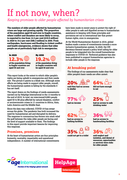
A new report from aid agencies Age International and HelpAge International, If not now, when? criticises the humanitarian sector for its failure to address the needs of older people in emergencies. This failure contravenes several international commitments made in recent years and flies in the face
...
of humanitarian principles
Download the full report here: https://www.helpage.org/download/5fb34a78e7597/
more

MMWR Morb Mortal Wkly Rep. ePub: 4 December 2020. DOI: http://dx.doi.org/10.15585/mmwr.mm6949e2

Tuberculosis (TB) prevention is essential for reaching the End TB targets in the South-East Asia Region (SEAR) of World Health Organization (WHO)1. The targets of 80% reduction in TB incidence rate and 90% reduction in TB mortality by 2030 (compared to 2015 levels) can be achieved only with addition
...
al interventions aimed at preventing TB, according to epidemiological modelling studies commissioned by the WHO South-East Asia Regional Office (WHO SEARO). Optimal implementation of TB preventive treatment (TPT) is a critical intervention to accelerate reduction in TB burden in the SEA Region, which bears nearly 43% of the global TB burden. TPT by itself has the potential to reduce the overall annual TB incidence rates by 8.3% (95% CrI 6.5–10.8) relative to 2015.
more
The COVID-19 pandemic and in fact all crises – acute or prolonged – remind us that human rights need to be central in all recovery and development efforts. The Sustainable Development Goals will only be achieved if we are able to create equal opportunities for all, address failures exposed and e
...
xploited by COVID-19, and apply human rights standards to tackle entrenched, systematic, and intergenerational inequalities, exclusion and discrimination.
We also share examples from Dorcas’ practice and formulate recommendations based on good practices of other organisations as well as our own. With this report, we aim to inform and inspire policy makers and humanitarian and development practitioners on inclusion of the rights of Older People in the current COVID-19 crisis, as well as others yet to come.
more

Guidelines on the management of chronic pain in children, developing and implementing national and local policies for pain management and protocols in children, implementing national and local regulations for pain management in children, pain management and protocols

Childhood obesity is a major public health problem globally, which could undermine progress towards achieving the Sustainable Development Goals. Prevention is recognized as the most efficient means of curbing the epidemic; however, given the scale of the problem and the many children who need profes
...
sional support due to the severity of the disease and/or obesity-related complications, health systems all over Europe must take steps to develop obesity management systems. The aim of this project was to assess the response of health care delivery systems in 19 countries in the WHO European Region to the childhood obesity epidemic.
more
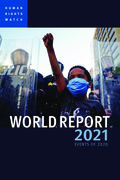
World Report 2021, Human Rights Watch’s 31st annual review of human rights practices and trends around the globe, reviews developments in more than 100 countries.
In his introductory essay, Executive Director Kenneth Roth calls on the incoming US administration to more deeply embed respect for
...
human rights as an element of domestic and foreign policy to counter the “wild oscillations in human rights policy” that in recent decades have come with each new resident of the White House. Roth emphasizes that even as the Trump administration mostly abandoned the protection of human rights, joined by China, Russia and others, other governments—typically working in coalition and some new to the cause—stepped forward to champion rights. As it works to entrench rights protections, the Biden administration should seek to join, not supplant, this new collective effort.
more

The Quality Criteria for Health National Adaptation Plans (HNAPs) presents examples of good practice in HNAP development to assist countries in developing a comprehensive, feasible and implementable plan. The criteria are also intended to guide countries in setting the foundation for a long-term ite
...
rative HNAP process. The proposed criteria are not prescriptive and should be adapted to dynamic country contexts, uncertain and changing climatic conditions, and new knowledge and technologies.
9 February 2021
more
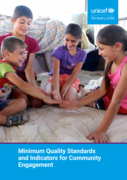
The Minimum Standards and Indicators for Community Engagement were developed through an inter‑agency consultation process that engaged a large number of experts from around the world. UNICEF wishes to acknowledge the contribution of all those that participated, and who share a passion for placing
...
communities at the centre of development and humanitarian action. The consultation process consisted of a series of interviews, meetings and workshops over an 18‑month period. Representatives from countries in Africa, Asia, the Middle East, Europe and North America contributed input and feedback based on their experiences of designing, implementing and measuring community engagement approaches
more