Filter
452
Text search:
hearing
impaired
Featured
46
106
Language
Document type
343
39
34
22
9
4
1
Countries
37
14
14
13
12
9
9
8
8
8
7
7
7
7
7
6
6
5
5
4
4
4
3
3
3
3
3
3
3
2
2
2
2
2
2
2
2
2
1
1
1
1
1
1
1
1
1
1
1
1
1
1
1
1
Authors & Publishers
Publication Years
Category
181
32
26
14
12
10
2
Toolboxes
146
66
11
7
7
6
6
5
5
5
4
4
3
3
3
3
2
1
1
1
Nursing Times [online]; 117: 11, 18-21.
Laboratory Biossafety Manual

The guidelines are primarily intended for health-care professionals working in first- or second-level health-care facilities, including emergency, inpatient and outpatient services. They are also directed at policy-makers, health-care planners and programme managers, academic institutions, non-gover
...
WHO guidelines on meningitis diagnosis, treatment and care. Web Annex C. Evidence-to-Decision frameworks
recommended
The guidelines are primarily intended for health-care professionals working in first- or second-level health-care facilities, including emergency, inpatient and outpatient services. They are also directed at policy-makers, health-care planners and programme managers, academic institutions, non-gover
...
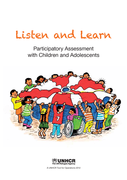
Participatory Assessment with Children and Adolescents. An UNHCR Tool for Operations

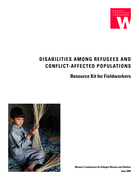
Resource Kit for Field workers
Barriers to HIV Services and Treatment for Persons with Disabilities in Zambia
The 80-page report documents the obstacles faced by people with disabilities in both the community and healthcare settings. These include pervasive stigma and discrimination, lack of access to inclusive HIV prevention ed
...
Let’s make Disability visible in the fight against HIV
The study analyses the intersection of gender with disability issues by combining economic and social analysis across four states in India by using both quantitative and qualitative methods including gender analysis of disability budgets.

Paper commissioned for the EFA Global Monitoring Report 2010, Reaching the marginalized

This guidance provides an overview of interventions to improve early diagnosis of TB and treatment completion in these populations, as well as factors to consider when developing programmes for health communication, awareness and education, and programme monitoring and evaluation
This toolkit has been developed by the ZAZI campaign for use by peer educators, community outreach workers, faith-based organisations, and traditional health practitioners to help facilitate participatory discussions on sexual and reproductive health with women aged between 20 and 49 years of age. T
...