
Filter
4880
Text search:
emergency
care
training
Featured
519
1406
Language
4738
111
71
63
60
33
24
23
12
9
9
6
6
6
6
5
5
5
5
4
4
4
4
4
4
4
4
4
4
4
4
3
3
3
3
3
3
3
3
3
3
3
2
2
2
2
2
2
2
2
2
2
2
2
2
1
1
1
1
1
1
1
1
1
1
1
Document type
2584
728
679
362
259
116
62
59
11
11
3
2
2
1
Countries
214
195
148
144
131
125
116
104
101
97
97
95
83
82
73
71
68
62
62
59
55
53
47
46
42
42
39
38
34
32
31
31
30
29
27
27
24
24
23
21
19
18
18
18
17
17
16
16
14
14
13
13
12
12
12
11
11
11
11
11
11
10
10
10
9
9
9
8
7
6
5
5
5
5
4
4
4
4
4
4
4
4
3
3
3
3
3
3
3
3
3
3
3
3
3
3
3
3
3
2
2
2
2
2
2
2
2
2
2
2
2
2
2
2
1
1
1
1
1
1
1
1
1
1
1
1
1
1
1
1
1
1
1
1
1
1
1
1
1
1
Authors & Publishers
675
201
148
116
110
106
102
100
52
44
41
30
30
27
26
26
26
26
25
23
22
22
21
21
20
20
20
18
18
18
18
18
18
17
17
17
17
16
16
15
15
15
15
15
14
13
13
13
12
12
12
12
12
11
11
11
11
11
11
10
10
10
10
10
10
10
10
10
9
9
9
9
9
9
9
9
9
9
9
9
8
8
8
8
8
8
8
8
8
8
8
8
8
8
7
7
7
7
7
7
7
7
7
7
7
7
7
7
6
6
6
6
6
6
6
6
6
6
6
6
6
6
6
6
6
6
6
5
5
5
5
5
5
5
5
5
5
5
5
5
5
5
5
5
5
5
5
5
5
5
5
5
5
5
5
5
5
5
5
5
4
4
4
4
4
4
4
4
4
4
4
4
4
4
4
4
4
4
4
4
4
4
4
4
4
4
4
4
4
4
4
4
4
4
4
4
4
4
4
4
4
4
4
4
4
4
4
4
4
4
4
4
4
4
4
3
3
3
3
3
3
3
3
3
3
3
3
3
3
3
3
3
3
3
3
3
3
3
3
3
3
3
3
3
3
3
3
3
3
3
3
3
3
3
3
3
3
3
3
3
3
3
3
3
3
3
3
3
3
3
3
3
3
3
3
3
3
3
3
3
3
3
3
3
3
3
3
3
3
3
3
3
3
3
3
3
3
3
3
3
3
3
3
3
3
3
3
3
2
2
2
2
2
2
2
2
2
2
2
2
2
2
2
2
2
2
2
2
2
2
2
2
2
2
2
2
2
2
2
2
2
2
2
2
2
2
2
2
2
2
2
2
2
2
2
2
2
2
2
2
2
2
2
2
2
2
2
2
2
2
2
2
2
2
2
2
2
2
2
2
2
2
2
2
2
2
2
2
2
2
2
2
2
2
2
2
2
2
2
2
2
2
2
2
2
2
2
2
2
2
2
2
2
2
2
2
2
2
2
2
2
2
2
2
2
2
2
2
2
2
2
2
2
2
2
2
2
2
2
2
2
2
2
2
2
2
2
2
2
2
2
2
2
2
2
2
2
2
2
2
2
2
2
2
2
2
2
2
2
2
2
2
2
2
2
2
2
2
2
2
2
2
2
2
2
2
2
2
2
2
2
2
2
2
2
2
2
2
2
2
2
2
2
2
2
2
2
2
2
2
2
2
2
2
2
2
2
2
2
2
2
2
2
2
2
2
2
2
2
2
2
2
2
2
2
2
2
2
2
2
2
2
2
2
2
2
2
2
2
2
2
2
2
2
2
2
2
2
2
2
2
2
2
2
2
1
1
1
1
1
1
1
1
1
1
1
1
1
1
1
1
1
1
1
1
1
1
1
1
1
1
1
1
1
1
1
1
1
1
1
1
1
1
1
1
1
1
1
1
1
1
1
1
1
1
1
1
1
1
1
1
1
1
1
1
1
1
1
1
1
1
1
1
1
1
1
1
1
1
1
1
1
1
1
1
1
1
1
1
1
1
1
1
1
1
1
1
1
1
1
1
1
1
1
1
1
1
1
1
1
1
1
1
1
1
1
1
1
1
1
1
1
1
1
1
1
1
1
1
1
1
1
1
1
1
1
1
1
1
1
1
1
1
1
1
1
1
1
1
1
1
1
1
1
1
1
1
1
1
1
1
1
1
1
1
1
1
1
1
1
1
1
1
1
1
1
1
1
1
1
1
1
1
1
1
1
1
1
1
1
1
1
1
1
1
1
1
1
1
1
1
1
1
1
1
1
1
1
1
1
1
1
1
1
1
1
1
1
1
1
1
1
1
1
1
1
1
1
1
1
1
1
1
1
1
1
1
1
1
1
1
1
1
1
1
1
1
1
1
1
1
1
1
1
1
1
1
1
1
1
1
1
1
1
1
1
1
1
1
1
1
1
1
1
1
1
1
1
1
1
1
1
1
1
1
1
1
1
1
1
1
1
1
1
1
1
1
1
1
1
1
1
1
1
1
1
1
1
1
1
1
1
1
1
1
1
1
1
1
1
1
1
1
1
1
1
1
1
1
1
1
1
1
1
1
1
1
1
1
1
1
1
1
1
1
1
1
1
1
1
1
1
1
1
1
1
1
1
1
1
1
1
1
1
1
1
1
1
1
1
1
1
1
1
1
1
1
1
1
1
1
1
1
1
1
1
1
1
1
1
1
1
1
1
1
1
1
1
1
1
1
1
1
1
1
1
1
1
1
1
1
1
1
1
1
1
1
1
1
1
1
1
1
1
1
1
1
1
1
1
1
1
1
1
1
1
1
1
1
1
1
1
1
1
1
1
1
1
1
1
1
1
1
1
1
1
1
1
1
1
1
1
1
1
1
1
1
1
1
1
1
1
1
1
1
1
1
1
1
1
1
1
1
1
1
1
1
1
1
1
1
1
1
1
1
1
1
1
1
1
1
1
1
1
1
1
1
1
1
1
1
1
1
1
1
1
1
1
1
1
1
1
1
1
1
1
1
1
1
1
1
1
1
1
1
1
1
1
1
1
1
1
1
1
1
1
1
1
1
1
1
1
1
1
1
1
1
1
1
1
1
1
1
1
1
1
1
1
1
1
1
1
1
1
1
1
1
1
1
1
1
1
1
1
1
1
1
1
1
1
1
1
1
1
1
1
1
1
1
1
1
1
1
1
1
1
1
1
1
1
1
1
1
1
1
1
1
1
1
1
1
1
1
1
1
1
1
1
1
1
1
1
1
1
1
1
1
1
1
1
1
1
1
1
1
1
1
1
1
1
1
1
1
1
1
1
1
1
1
1
1
1
1
1
1
1
1
1
1
1
1
1
1
1
1
1
1
1
1
1
1
1
1
1
1
1
1
1
1
1
1
1
1
1
1
1
1
1
1
1
1
1
1
1
1
1
1
1
1
1
1
1
1
1
1
1
1
1
1
1
1
1
1
1
1
1
1
1
1
1
1
1
1
1
1
1
1
1
1
1
1
1
1
1
1
1
1
1
1
1
1
1
1
1
1
1
1
1
1
1
1
1
1
1
1
1
1
1
1
1
1
1
1
1
1
1
1
1
1
1
1
1
1
1
1
1
1
1
1
1
1
1
1
1
1
1
1
1
1
1
1
1
1
1
1
1
1
1
1
1
1
1
1
1
1
1
1
1
1
1
1
1
1
1
1
1
1
1
1
1
1
1
1
1
1
1
1
1
1
1
1
1
1
1
1
1
1
1
1
1
1
1
1
1
1
1
1
1
1
1
1
1
1
1
1
1
1
1
1
1
1
1
1
1
1
1
1
1
1
1
1
1
1
1
1
1
1
1
1
1
1
1
1
1
1
1
1
1
1
1
1
1
1
1
1
1
1
1
1
1
1
1
1
1
1
1
1
1
1
1
1
1
1
1
1
1
1
1
1
1
1
1
1
1
1
1
1
1
1
1
1
1
1
1
1
1
1
1
1
1
1
1
1
1
1
1
1
1
1
1
1
1
1
1
1
1
1
1
1
1
1
1
1
1
1
1
1
1
1
1
1
1
1
1
1
1
1
1
1
1
1
1
1
1
1
1
1
1
1
1
1
1
1
1
1
1
1
1
1
1
1
1
1
1
1
1
1
1
1
1
1
1
1
1
1
1
1
1
1
1
1
1
1
1
1
1
1
1
1
1
1
1
1
1
1
1
1
1
1
1
1
1
1
1
1
1
1
1
1
1
1
1
1
1
1
1
1
1
1
1
1
1
1
1
1
1
1
1
1
1
1
1
1
1
1
1
1
1
1
1
1
1
1
1
1
1
1
1
1
1
1
1
1
1
1
1
1
1
1
1
1
1
1
1
1
1
1
1
1
1
1
1
1
1
1
1
1
1
1
1
1
1
1
1
1
1
1
1
1
1
1
1
1
1
1
1
1
1
1
1
1
1
1
1
1
1
1
1
1
1
1
1
1
1
1
1
1
1
1
1
1
1
1
1
1
1
1
1
1
1
1
1
1
1
1
1
1
1
1
1
1
1
1
1
1
1
1
1
1
1
1
1
1
1
1
1
1
1
1
1
1
1
1
1
1
1
1
1
1
1
1
1
1
1
1
1
1
1
1
1
1
1
1
1
1
1
1
1
1
1
1
1
1
1
1
1
1
1
1
1
1
1
1
1
1
1
1
1
1
1
1
1
1
1
1
1
1
1
1
1
1
1
1
1
1
1
1
1
1
1
1
1
1
1
1
1
1
1
1
1
1
1
1
1
1
1
1
1
1
1
1
1
1
1
1
1
1
1
1
1
1
1
1
1
1
1
1
1
1
1
1
1
1
1
1
1
1
1
1
1
1
1
1
1
1
1
1
1
1
1
1
1
1
1
1
1
1
1
1
1
1
1
1
1
1
1
1
1
1
1
1
1
1
1
1
1
1
1
1
1
1
1
1
1
1
1
1
1
1
1
1
1
1
1
1
1
1
1
1
1
1
1
1
1
1
1
1
1
1
1
1
1
1
1
1
1
1
1
1
1
1
1
1
1
1
1
1
1
1
1
1
1
1
1
1
1
1
1
1
1
1
1
1
1
1
1
1
1
1
1
1
1
1
1
1
1
1
1
1
1
1
1
1
1
1
1
1
1
1
1
1
1
1
1
1
1
1
1
1
1
1
1
1
1
1
1
1
1
1
1
1
1
1
1
1
1
1
1
1
1
1
1
1
1
1
1
1
1
1
1
1
1
1
1
1
1
1
1
1
1
1
1
1
1
1
1
1
1
1
1
1
1
1
1
1
1
1
1
1
1
1
1
1
1
1
1
1
1
1
1
1
1
1
1
1
1
1
1
1
1
1
1
1
1
1
1
1
1
1
1
1
1
1
1
1
1
1
1
1
1
1
1
1
1
1
1
1
1
1
1
1
1
1
1
1
1
1
1
1
1
1
1
1
1
1
1
1
1
1
1
1
1
1
1
1
1
1
1
1
1
1
1
1
1
1
1
1
1
1
1
1
1
1
1
1
1
1
1
1
1
1
1
1
1
1
1
1
1
1
1
1
1
1
1
1
1
1
1
1
1
1
1
1
1
1
1
1
1
1
1
1
1
1
1
1
1
1
1
1
1
1
1
1
1
1
1
1
1
1
1
1
1
1
1
1
1
1
1
1
1
1
1
1
1
1
1
1
1
1
1
1
1
1
1
1
1
1
1
1
1
1
1
1
1
1
1
1
1
1
1
1
1
1
1
1
1
1
1
1
1
1
1
1
1
1
1
1
1
1
1
1
1
1
1
1
1
1
1
1
1
1
1
1
1
1
1
1
1
1
1
1
1
1
1
1
1
1
1
1
1
1
1
1
1
1
1
1
1
1
1
1
1
1
1
1
1
1
1
1
1
1
1
1
1
1
1
1
1
1
1
1
1
1
1
1
1
1
1
1
1
1
1
1
1
1
1
1
1
1
1
1
1
1
1
1
1
1
1
1
1
1
1
1
1
1
1
1
1
1
1
1
1
1
1
1
1
1
1
1
1
1
1
1
1
1
1
1
1
1
1
1
1
1
1
1
1
1
1
1
1
1
1
1
1
1
1
1
1
1
1
1
1
1
1
1
1
1
1
1
1
1
1
1
1
1
1
1
1
1
1
1
1
1
1
1
1
1
1
1
1
1
1
1
1
1
1
1
1
1
1
1
1
1
1
1
1
1
1
1
1
1
1
1
1
1
1
1
1
1
1
1
1
1
1
1
1
1
1
1
1
1
1
1
1
1
1
1
1
1
1
1
1
1
1
1
1
1
1
1
1
1
1
1
1
1
1
1
1
1
1
1
1
1
1
1
1
1
1
1
1
1
1
1
1
1
1
1
1
1
1
1
1
1
1
1
1
1
1
1
1
1
1
1
1
1
1
1
1
1
1
1
1
1
1
1
1
1
1
1
1
1
1
1
1
1
1
1
1
1
1
1
1
1
1
1
1
1
1
1
1
1
1
1
1
1
1
1
1
1
1
1
1
1
1
1
1
1
1
1
1
1
1
1
1
1
1
1
1
1
1
1
1
1
1
1
1
1
1
1
1
1
1
1
1
1
1
1
1
1
1
1
1
1
1
1
1
1
1
1
1
1
1
1
1
1
1
1
1
1
1
1
1
1
1
1
1
1
1
1
1
1
1
1
1
1
1
1
1
1
1
1
1
1
1
1
1
1
1
1
1
1
1
1
1
1
1
1
1
1
1
1
1
1
1
1
1
1
1
1
1
1
1
1
1
1
1
1
1
1
1
1
1
1
1
1
1
1
1
1
1
1
1
1
1
1
1
1
1
1
1
1
1
1
1
1
1
1
1
1
1
1
1
1
1
1
1
1
1
1
1
1
1
1
1
1
1
1
1
1
1
1
1
1
1
1
1
1
1
1
1
1
1
1
1
1
1
1
1
1
1
1
1
1
1
1
1
1
1
1
1
1
1
1
1
1
1
1
1
1
1
1
1
1
1
1
1
1
1
1
1
1
1
1
1
1
1
1
1
1
1
1
1
1
1
1
1
1
1
1
1
1
1
1
1
1
1
1
1
1
1
1
1
1
1
1
1
1
1
1
1
1
1
1
1
1
1
1
1
1
1
1
1
1
1
1
1
1
1
1
1
1
1
1
1
1
1
1
1
1
1
1
1
1
1
1
1
1
1
1
1
1
1
1
1
1
1
1
1
1
1
1
1
1
1
1
1
1
1
1
1
1
1
1
1
1
1
1
1
1
1
1
1
1
1
1
1
1
1
1
1
1
1
1
1
1
1
1
1
1
1
1
1
1
1
1
1
1
1
1
1
1
1
1
1
1
1
1
1
1
1
1
1
1
1
1
1
1
1
1
1
1
1
1
1
1
1
1
1
1
1
1
1
1
1
1
1
1
1
1
1
1
1
1
1
1
1
1
1
1
1
1
1
1
1
1
1
1
1
1
1
1
1
1
1
1
1
1
1
1
1
1
1
1
1
1
1
1
1
1
1
1
1
1
1
1
1
1
1
1
1
1
1
1
1
1
1
1
1
1
1
1
1
1
1
1
1
1
1
1
1
1
1
1
1
1
1
1
1
1
1
1
1
1
1
1
1
1
1
1
1
1
1
1
1
1
1
1
1
1
1
1
1
1
1
1
1
1
1
1
1
1
1
1
1
1
1
1
1
1
1
1
1
1
1
1
1
1
1
1
1
1
1
1
1
1
1
1
1
1
1
1
1
1
1
1
1
1
1
1
1
1
1
1
1
1
1
1
1
1
1
1
1
1
1
1
1
1
1
1
1
1
1
1
1
1
1
1
1
1
1
1
1
1
1
1
1
1
1
1
1
1
1
1
1
1
1
1
1
1
1
1
1
1
1
1
1
1
1
1
1
1
1
1
1
1
1
1
1
1
1
1
1
1
1
1
1
1
1
1
1
1
1
1
1
1
1
1
1
1
1
1
1
1
1
1
1
1
1
1
1
1
1
1
1
1
1
1
1
1
1
1
1
1
1
1
1
1
1
1
1
1
1
1
1
1
1
1
1
1
1
1
1
1
1
1
1
1
1
1
1
1
1
1
1
1
1
1
1
1
1
1
1
1
1
1
1
1
1
1
1
1
1
1
1
1
1
1
1
1
1
1
1
1
1
1
1
1
1
1
1
1
1
1
1
1
1
1
1
1
1
1
1
1
1
1
1
1
1
1
1
1
1
1
1
1
1
1
1
1
1
1
1
1
1
1
1
1
1
1
1
1
1
1
1
1
1
1
1
1
1
1
1
1
1
1
1
1
1
1
1
1
1
1
1
1
1
1
1
1
1
1
1
1
1
1
1
1
1
1
1
1
1
1
1
1
1
1
1
1
1
1
1
1
1
1
1
1
1
1
1
1
1
1
1
1
1
1
1
1
1
1
1
1
1
1
1
1
1
1
Publication Years
1506
2852
493
28
1
Category
1955
431
368
310
253
149
46
1
Toolboxes
492
397
236
212
180
148
143
131
128
127
125
109
93
82
74
72
68
54
49
49
39
38
36
27
10
3
2
The health impact of radiological and nuclear emergencies can last for decades. Lessons learned from past radiological and nuclear accidents have demonstrated that the mental health and psychosocial consequences can outweigh the direct physical health impacts of radiation exposure. International rad
...
iation emergency preparedness and response standards outline provisions for mitigating these effects. Yet, practical guidance for addressing the mental health and psychosocial aspects of radiation emergencies remains scarce.
This framework aims to promote integration between the MHPSS and radiation protection fields. It is intended for officials and specialists involved in radiation emergency planning and risk management as well as MHPSS experts working in health emergencies.
more
This summary assesses the current state of evidence on each approach in tabular form, providing: the definition and objectives; evidence of effectiveness; operational considerations (e.g., training, staffing, and logistics); cost considerations and
...
evidence on cost-effectiveness; operational successes and challenges; and areas for future research and learning. This document is not intended to endorse any particular approach. Rather, it aims to objectively present the state of the existing evidence on each approach, so as to inform decision-making among practitioners looking to further test, refine and implement such approaches.
more

Improving the survival chances and quality of life of women, newborns, and children remains an urgent global challenge. Since 2012, substantial progress has been made in reducing maternal and under-5 deaths, and a only handful of countries are on target to meet the SDG targets in 2030. Yet, 5 millio
...
n children still die each year under the age of 5, and nearly half of those are newborns less than a month old. Worse still, the global maternal mortality ratio is going in the wrong direction.
A Decade of Progress and Action for the Future will examine the tenacity and innovation that helped us make gains, the lessons learned through monitoring, country-led adaptation and leadership, analysis, and reflection, as well as the approaches we must take to reinvigorate the momentum and global commitment to improving maternal and child survival. Increasing coverage, strengthening the quality of care, and enhancing equity will be tantamount to our global progress.
more
An ALNAP Guide. Pilot Version.
This pilot guide is intended to help evaluation managers to commission and oversee, and team leaders to conduct, RTEs of humanitarian operational responses. Drawing on a synthesis of existing good practices, it sets out a flexible approach that can be adapted to a var
...
iety of contexts. While it concentrates on the particular problems posed by RTEs undertaken within a few months of the start of an emergency response, it addresses how such RTEs can also feed into on-going operations. While the guide focuses on RTEs, some of the advice applies to all evaluations.
more
Male circumcision reduces a man’s risk of heterosexual acquisition of HIV by about 60%. This guideline provides an evidence-based recommendation on the use of adult male circumcision devices for HIV prevention in public health programmes in high HIV prevalence, resource-limited settings. It also p
...
resents key programmatic considerations for the introduction and use of these devices in public health HIV prevention programmes. The primary audiences are policy- and decision-makers, programme managers, health-care providers, donors and implementing agencies.
more
The key updates include: content update in various sections based on new evidence; design changes for enhanced usability; a streamlined and simplified clinical assessment that includes an algorithm for follow-up; inclusion of two new modules
- Essential
...
Care and Practice that includes general guidelines and Iminterventions and implementation module to support the proposed interventions by necessary infrastructure and resources; and, revised modules for Psychoses, Child and Adolescent Mental and Behavioural Disorders and Disorders due to Substance Use
more
Guidelines for Medicine Donations
recommended
This 3rd edition of Guidelines for medicine donations has been developed by the World Health Organization (WHO) in cooperation with major international agencies active in humanitarian relief and development assistance. The guidelines are intended to improve the quality of medicine donations in inter
...
national development assistance and emergency aid. Good medicine donation practice is of interest to both donors and recipients...
more
Combination file of all the documents related to the national guidelines for accreditation, supervision and regulation of ART clinics in India. Documents included:
National Guidelines for Accreditation, Supervision & Regulation of ART Clinics in India | Preliminary Pages | Corrigendum | Chapter 1
...
- Introduction, Brief history of ART and Requirement of ART Clinics | Chapter 2 - Screening of Patients for ART - Selection Criteria and Possible Complications | Chapter 3 - Code of Practice, Ethical Considerations and Legal Issues | Chapter 4 - Sample Consent Forms | Chapter 5 - Training | Chapter 6 - Future Research Prospects | Chapter 7 - Providing ART Services to the Economically Weaker Sections of the Society | Chapter 8 - Establishing a National Database for Human Infertility | Chapter 9 - Composition of the National Accreditation Committee | Bibliography
| Members of the Expert Group for Formulating the National Guidelines for Accredation, Supervision and Regulation of ART Clinics
more
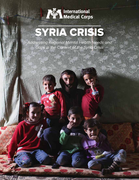
The report reveals weak national mental health services overburdened by the demands placed on them by the Syria crisis. Health facilities which previously provided integrated mental health services in Syria have themselves become casualties of war, with most either destroyed, damaged or not function
...
ing. The shortage of trained mental health care providers is viewed as critical, both in Syria and in the neighboring countries where refugees now reside. Strengthening and expanding these services is crucial for Syria’s longer term recovery because the need for treatment will last for years after the war ends.
more
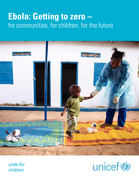
As slight hints of recovery begin to surface in West Africa, UNICEF is looking at the impact of Ebola on children and the response and work of the affected communities in the report, Ebola: Getting to zero – for communities, for children for the future. The document traces some of the outbreak’s
...
history along with the stories of survivors, health care workers and those working to make things better on the ground. The report also helps map out the actions that urgently must continue to help build resiliency and resuscitate basic services and systems decimated by Ebola.
more
Disability Inclusive Development Toolkit
recommended
This toolkit is designed as a resource for CBM that can be used in a variety of ways: to support staff induction, team meetings, refresher days and training workshops. It can also be used as a tool for personal reflection and self-study. Tips for th
...
ose intending to use it as a training resource are shaded differently.
more
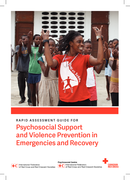
Rapid Assessment Guide for Psychosocial Support and Violence Prevention in Emergencies and Recovery
recommended
This guide provides standards and directions on how to carry out rapid needs assessment for Psychosocial Support (PSS) and Violence Prevention (VP) initiatives including child protection and sexual and gender-based violence. In particular, this rapid assessment tool is designed to help gather data i
...
n an efficient and effective way to help inform integration of PSS and VP issues, as minimum standards, into the broader disaster management action plans in response to an emergency.
more
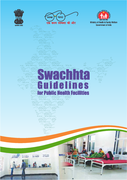
The objectives of the scheme is to promote cleanliness, hygiene and infection control practices in public health care facilities, to incentivize and recognize such public healthcare facilities that show exemplary performance in adhering to standard
...
protocols of cleanliness and infection control, to inculcate a culture of ongoing assessment and peer review of performance related to hygiene, cleanliness and sanitation, to create and share sustainable practices related to improved cleanliness in public health facilities linked to positive health outcomes.
more

On 19 August 2016, the former UN Secretary-General announced a new approach to cholera in Haiti, consisting of two tracks. Track 1 focuses on reducing cholera transmission, improving access to care, and addressing water, sanitation, and health syste
...
m issues. Track 2 aims to provide material assistance to those most affected by cholera. The Secretary-General urged Member States to show solidarity with Haiti by increasing contributions. The UN General Assembly, in resolution 71/161, recognized the UN's moral responsibility to cholera victims and called for support to eliminate cholera and address its victims' suffering. The Secretary-General was requested to provide an update on the progress of this approach.
more

This report describes the work done by WHO from January 2015 up to the end of December 2016 to address the long-term issues of survivor care, health-systems strengthening and research.

Notable progress has also been made on other key health indicators such as reducing maternal, infant and child deaths and malnutrition, increasing immunization coverage, eliminating infectious diseases such as polio and reducing the incidence of malaria, tuberculosis and diarrhoeal diseases.
But
...
despite such substantial progress, the country now faces new and emerging new challenges such as the rising burden of noncommunicable diseases, increased risks associated with disasters, environmental threats and health emergencies during disease outbreaks including the COVID-19 pandemic that is a serious public health threat to Bangladesh. To establish a resilience system for future potential pandemics, the national capacity for emergency preparedness and early response to health emergencies needs to be bolstered considerably.
more
Emergence of antimicrobial resistance is a result of the use, overuse and misuse of antibiotics both in humans and animals. In Ethiopia, there are indications on the misuse of antibiotics by health care providers’, unskilled practitioners, and dru
...
g consumers. These coupled with rapid spread of resistant bacteria and inadequate surveillance contributed to the problem. Bacterial infections are the major causes of death in Ethiopia. Studies on antibacterial resistance and on bacterial infections have shown that emerging antibacterial resistance threatens the management of bacterial infections; however, the prevention and containment has received far too little attention.
more
WHO clinical guidelines.
For the first time, WHO has published guidelines to help (primarily) front-line healthcare providers give high-quality, compassionate, and respectful care to children and adolescents (up to age 18) who have or may have expe
...
rienced sexual abuse, including sexual assault or rape.
more
The current guidelines on Integrated Management of Acute Malnutrition (IMAM), addresses the issue of improved management of severe acute malnutrition (SAM), particularly in children under 5 years of age. In the absence of standard protocols, mortality in children admitted to hospital with SAM can ra
...
nge between 20 -30% with the highest levels of 50-60% among those with oedematous malnutrition. With modern treatment regimens and improved access to treatment, case-fatality rates can be reduced to less than 5%. These provincial guidelines on IMAM in KZN, includes inpatient care protocols on the management of SAM, and outpatient and community outreach components to manage moderate acute malnutrition (MAM) and prevent deterioration to SAM.
more
Refugees1 with disabilities have specific needs and face particular forms of discrimination. As highlighted in the Executive Committee Conclusion No. 110 (LXI)–2010, it is important for UNHCR to ensure that the rights of persons with disabilities who are of concern to the Office are met without di
...
scrimination. This places an onus on offices to develop a thorough
understanding of the circumstances of persons with disabilities under their care. This note provides staff with guidance on a range of issues to consider in meeting these responsibilities.
more
