
Filter
2047
Text search:
Land
use
management
Featured
161
661
Language
1986
43
33
22
16
14
11
9
5
4
4
4
4
4
3
3
3
3
3
2
2
2
2
2
2
2
2
2
2
2
2
2
1
1
1
1
1
1
1
1
1
1
1
1
1
1
1
1
1
1
Document type
1045
459
187
133
130
38
24
22
5
3
1
Countries
87
82
80
62
59
58
56
55
53
46
36
35
34
33
31
31
29
28
26
26
25
25
23
19
18
18
17
17
16
16
15
15
15
13
10
10
10
10
9
9
9
8
8
8
8
8
7
7
7
7
7
7
7
7
6
6
5
5
5
5
4
4
4
4
4
4
4
4
4
4
4
3
3
3
2
2
2
2
2
2
2
2
2
2
2
2
2
2
2
2
2
2
2
2
2
1
1
1
1
1
1
1
1
1
1
1
1
1
1
1
1
1
1
1
1
Authors & Publishers
169
65
45
33
32
31
31
22
18
17
16
15
15
15
13
13
12
12
12
10
9
9
9
9
9
9
9
8
8
8
8
8
7
7
7
7
7
7
6
6
6
6
6
6
6
6
5
5
5
5
5
5
5
5
5
5
5
5
4
4
4
4
4
4
4
4
4
4
4
4
4
4
4
4
4
4
4
4
4
4
4
4
4
4
3
3
3
3
3
3
3
3
3
3
3
3
3
3
3
3
3
3
3
3
3
3
3
3
3
3
3
3
3
3
3
3
3
3
3
3
3
3
3
3
3
3
3
3
3
3
3
3
3
3
3
3
3
3
3
3
2
2
2
2
2
2
2
2
2
2
2
2
2
2
2
2
2
2
2
2
2
2
2
2
2
2
2
2
2
2
2
2
2
2
2
2
2
2
2
2
2
2
2
2
2
2
2
2
2
2
2
2
2
2
2
2
2
2
2
2
2
2
2
2
2
2
2
2
2
2
2
2
2
2
2
2
2
2
2
2
2
2
2
2
2
2
2
2
2
2
2
2
2
2
2
2
2
2
2
2
2
2
2
2
2
2
2
2
2
2
2
2
2
2
2
2
2
2
2
2
2
2
2
2
2
2
2
2
2
2
2
2
2
2
2
2
2
2
2
2
2
2
2
2
2
2
2
1
1
1
1
1
1
1
1
1
1
1
1
1
1
1
1
1
1
1
1
1
1
1
1
1
1
1
1
1
1
1
1
1
1
1
1
1
1
1
1
1
1
1
1
1
1
1
1
1
1
1
1
1
1
1
1
1
1
1
1
1
1
1
1
1
1
1
1
1
1
1
1
1
1
1
1
1
1
1
1
1
1
1
1
1
1
1
1
1
1
1
1
1
1
1
1
1
1
1
1
1
1
1
1
1
1
1
1
1
1
1
1
1
1
1
1
1
1
1
1
1
1
1
1
1
1
1
1
1
1
1
1
1
1
1
1
1
1
1
1
1
1
1
1
1
1
1
1
1
1
1
1
1
1
1
1
1
1
1
1
1
1
1
1
1
1
1
1
1
1
1
1
1
1
1
1
1
1
1
1
1
1
1
1
1
1
1
1
1
1
1
1
1
1
1
1
1
1
1
1
1
1
1
1
1
1
1
1
1
1
1
1
1
1
1
1
1
1
1
1
1
1
1
1
1
1
1
1
1
1
1
1
1
1
1
1
1
1
1
1
1
1
1
1
1
1
1
1
1
1
1
1
1
1
1
1
1
1
1
1
1
1
1
1
1
1
1
1
1
1
1
1
1
1
1
1
1
1
1
1
1
1
1
1
1
1
1
1
1
1
1
1
1
1
1
1
1
1
1
1
1
1
1
1
1
1
1
1
1
1
1
1
1
1
1
1
1
1
1
1
1
1
1
1
1
1
1
1
1
1
1
1
1
1
1
1
1
1
1
1
1
1
1
1
1
1
1
1
1
1
1
1
1
1
1
1
1
1
1
1
1
1
1
1
1
1
1
1
1
1
1
1
1
1
1
1
1
1
1
1
1
1
1
1
1
1
1
1
1
1
1
1
1
1
1
1
1
1
1
1
1
1
1
1
1
1
1
1
1
1
1
1
1
1
1
1
1
1
1
1
1
1
1
1
1
1
1
1
1
1
1
1
1
1
1
1
1
1
1
1
1
1
1
1
1
1
1
1
1
1
1
1
1
1
1
1
1
1
1
1
1
1
1
1
1
1
1
1
1
1
1
1
1
1
1
1
1
1
1
1
1
1
1
1
1
1
1
1
1
1
1
1
1
1
1
1
1
1
1
1
1
1
1
1
1
1
1
1
1
1
1
1
1
1
1
1
1
1
1
1
1
1
1
1
1
1
1
1
1
1
1
1
1
1
1
1
1
1
1
1
1
1
1
1
1
1
1
1
1
1
1
1
1
1
1
1
1
1
1
1
1
1
1
1
1
1
1
1
1
1
1
1
1
1
1
1
1
1
1
1
1
1
1
1
1
1
1
1
1
1
1
1
1
1
1
1
1
1
1
1
1
1
1
1
1
1
1
1
1
1
1
1
1
1
1
1
1
1
1
1
1
1
1
1
1
1
1
1
1
1
1
1
1
1
1
1
1
1
1
1
1
1
1
1
1
1
1
1
1
1
1
1
1
1
1
1
1
1
1
1
1
1
1
1
1
1
1
1
1
1
1
1
1
1
1
1
1
1
1
1
1
1
1
1
1
1
1
1
1
1
1
1
1
1
1
1
1
1
1
1
1
1
1
1
1
1
1
1
1
1
1
1
1
1
1
1
1
1
1
1
1
1
1
1
1
1
1
1
1
1
1
1
1
1
1
1
1
1
1
1
1
1
1
1
1
1
1
1
1
1
1
1
1
1
1
1
1
1
1
1
1
1
1
1
1
1
1
1
1
1
1
1
1
1
1
1
1
1
1
1
1
1
1
1
1
1
1
1
1
1
1
1
1
1
1
1
1
1
1
1
1
1
1
1
1
1
1
1
1
1
1
1
1
1
1
1
1
1
1
1
1
1
1
1
1
1
1
1
1
1
1
1
1
1
1
1
1
1
1
1
1
1
1
1
1
1
1
1
1
1
1
1
1
1
1
1
1
1
1
1
1
1
1
1
1
1
1
1
1
1
1
1
1
1
1
1
1
1
1
1
1
1
1
1
1
1
1
1
1
1
1
1
1
1
1
1
1
1
1
1
1
1
1
1
1
1
1
1
1
1
1
1
1
1
1
1
1
1
1
1
1
1
1
1
1
1
1
1
1
1
1
1
1
1
1
1
1
1
1
1
1
1
1
1
1
1
1
1
1
1
1
1
1
1
1
1
1
1
1
1
1
1
1
1
1
1
1
1
1
1
1
1
1
1
1
1
1
1
1
1
1
1
1
1
1
1
1
1
1
1
1
1
1
1
1
1
1
1
1
1
1
1
1
1
1
1
1
1
1
1
1
1
1
1
1
1
1
1
1
1
1
1
1
1
1
1
1
1
1
1
1
1
1
1
1
1
1
1
1
1
1
1
1
1
1
1
1
1
1
1
1
1
1
1
1
1
1
1
1
1
1
1
1
1
1
1
1
1
1
1
1
1
1
1
1
1
1
1
1
1
1
1
1
1
1
1
1
1
1
1
1
1
1
1
1
1
1
1
1
1
1
1
1
1
1
1
1
1
1
1
1
1
1
1
1
1
1
1
1
1
1
1
1
1
1
1
1
1
1
1
1
1
1
1
1
1
1
1
1
1
1
1
1
1
1
1
1
1
1
1
1
1
1
1
1
1
1
1
1
1
1
1
1
1
1
1
1
1
1
1
1
1
1
1
1
1
1
1
1
1
1
1
1
1
1
1
1
1
1
1
1
1
1
1
1
1
1
1
1
1
1
1
1
1
1
1
1
1
1
1
1
1
1
1
1
1
1
1
1
1
1
1
1
1
1
1
1
1
1
1
1
1
1
1
1
1
1
1
1
1
1
1
1
1
1
1
1
1
1
1
1
1
1
1
1
1
1
1
1
1
1
1
1
1
1
1
1
1
1
1
1
1
1
1
1
1
1
1
1
1
1
1
1
1
1
1
1
1
1
1
1
1
1
1
1
1
1
1
1
1
1
1
1
1
1
1
1
1
1
1
1
1
1
1
1
1
1
1
1
1
1
1
1
1
1
1
1
1
1
1
1
1
1
1
1
1
1
1
1
1
1
1
1
1
1
1
1
1
1
1
1
1
1
1
1
1
1
1
1
1
1
1
1
1
1
1
1
1
1
1
1
1
1
1
1
1
1
1
1
1
1
1
1
1
1
1
1
1
1
1
1
1
1
1
1
1
1
1
1
1
1
1
1
1
1
1
1
1
1
1
1
1
1
1
1
1
1
1
1
1
1
1
1
1
1
1
1
1
1
1
1
1
1
1
1
1
1
1
1
1
1
1
1
1
1
1
1
1
1
1
1
1
1
1
1
1
1
1
1
1
1
1
1
1
1
1
1
1
1
1
1
1
1
1
1
1
1
1
1
1
1
1
1
1
1
1
1
1
1
1
1
1
1
1
1
1
1
1
1
1
1
1
1
1
1
1
1
1
1
1
1
1
1
1
1
1
1
1
1
1
1
1
1
1
1
1
1
1
1
1
1
1
1
1
1
1
1
1
1
1
1
1
1
1
1
1
1
1
1
1
1
1
1
1
1
1
1
1
1
1
1
1
1
1
1
1
1
1
1
1
1
1
1
1
1
1
Publication Years
599
1236
198
12
1
1
Category
893
237
84
58
44
20
4
Toolboxes
291
122
99
94
91
74
69
66
58
56
55
36
36
33
32
28
25
18
14
12
11
11
9
5
3
2
2

2nd edition. Essential guideline for humanitarian assistance
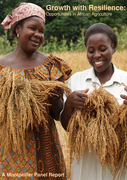
- Resilient Markets
- Resilient Agriculture
- Resilient People
- Political Leadership for Resilient Growth

The government of Rwanda conducted the 2010 Rwanda Demographic and Health Survey (RDHS) to gather up-to-date information for monitoring progress on healthcare programs and policies in Rwanda, including the Economic Development and Poverty Reduction Strategy (EDPRS), the Millennium Development Goals
...
(MDGs),
and Vision 2020. The 2010 RDHS is a follow-up to the 1992, 2000, 2005, and 2007-08 RDHS surveys. Each survey provides data on background characteristics of the respondents, demographic and health indicators, household health expenditures, and domestic violence. The target groups in these surveys were women age 15-49 and men age 15-59
who were randomly selected from households across the country. Information about children age 5 and under also was collected, including the weight and height of the children.
more
This Framework offers a coherent approach for eliminating tuberculosis (TB) in low-incidence countries. It is designed to guide national policy-makers and those responsible for technical aspects of the national TB response in accelerating efforts towards elimination. The document will also be inform
...
ative for public health surveillance officers, practitioners and nongovernmental and civil society partners working on natioal TB care and prevention and serving the populations most vulnerable to TB.
more

What are the local beliefs and practices around illnesses and death, the transmission of disease and spirituality, which affect decision-making (around health-seeking behaviour, caring for relatives and nature of burials) and can inform effective behaviour change interventions for preventing Ebola i
...
n Sierra Leone?
more
How do local authorities and humanitarian agencies collaborate when refugees are in transit? An IIED-supported research project is looking at the transit refugee response in Croatia.
Family Planning Realities Among Faith-Based Medical Bureaus in Uganda
Laura Wando, MPH; Amy Metzger, MPH; Douglas Huber, MD, MSc; Judith Brown, PhD; Moses Muwonge, MD
Christian Connections for International Health (CCIH), USAID
(2013)
C1
Christian Connections for International Health (CCIH), a U.S.-
based nonprofit membership organization commissioned a
Family Planning (FP) survey of faith-based facility-based private
not-for-profit (FB-PNFP) health facilities in Uganda in 2013.
Country-wide health facilities of the Uganda Ortho
...
dox Church
Medical Bureau (UOMB), the Uganda Muslim Medical Bureau
(UMMB), the Uganda Catholic Medical Bureau (UCMB), and the
Uganda Protestant Medical Bureau (UPMB) were contacted by
phone and interviewed with established questions related to
family planning, contraceptive security, maternal and newborn
health.
more
Informe Conjunto de Organizaciones de Defensa del Derecho a la Salud al Comité de Derechos Económicos y Sociales de las Naciones Unidas, con motivo del Examen del 3er Informe Periódico del Estado Venezolano en el Período de Sesión 55° del Pacto Internacional de Derechos Económicos, Sociales y
...
Culturales
more
The United Nations Development Assistance Framework (UNDAF) 2018-2022 sets out the UN partnership aiming to support Nepal as it carves out its development agenda over the next five years. At the core of this new UNDAF are the SDGs, the Government of Nepal’s Fourteenth Plan, and international commi
...
tments and norms to which Nepal is a party. Leaping off from the lessons learned from the previous UNDAF (2013-2017), this new framework builds upon successes, incorporates emerging issues and agreements, and serves to address Nepal’s larger economic, social, and environmental objectives.
more
Effective risk communication requires the alignment of complex factors including trust between the communicator and the audience(s), audience involvement, and emotional responses to risk. Risk communication is especially challenging now as new media changes the landscape for both
communicators and
...
their audiences. Viewed as a discussion of the most important findings for risk communicators and managers, this report delves into research-driven recommendations for effective risk communication practices.
more

The main objective of the 2014-15 RDHS was to obtain current information on demographic and health indicators, including family planning; maternal mortality; infant and child mortality; nutrition status of mothers and children; prenatal care, delivery, and postnatal care; childhood diseases; and ped
...
iatric immunization. In addition, the survey was designed to measure indicators such as domestic violence, the prevalence of anemia and malaria among women and children, and the prevalence of HIV infection in Rwanda. For the first time, this 2014-15 RDHS also includes indicators to monitor HIV testing among children age 0-14 as well as domestic violence for males age 15-59.
more
A discussion paper on the scope of the problem, its drivers, and strategies for moving forward for policy, practice, and research
In many protracted emergencies, the prevalence rates of global acute malnutrition (GAM) regularly exceed the emergency threshold of > 15% of children with acute malnutri
...
tion (< -2 weight-for-height z-scores (WHZ) or with nutritional edema), despite ongoing humanitarian interventions. The widespread scale and long-lasting nature of “persistent GAM” means that it is a policy and programming priority.
more

This booklet presents key messages for action, summarized from a set of chapters on different environmental health issues, available at www.who.int/ ceh/publications/healthyenvironmentsforhealthychildren. The work is a result of an on-going partnership between WHO, UNEP and UNICEF in the area of chi
...
ldren’s environmental health, and seeks to update the 2002 joint publication “Children in the New Millennium: Environmental Impact on Health.”
more

The CBDRR Manual is a practical ‘how-to’ guide on community-based disaster risk reduction for government and non-government agencies in Lao PDR. It is a commonly agreed document to be referred to by agencies working on CBDRR in Lao PDR. It provides guidance and support for systematic implementat
...
ion of CBDRR programs by explaining each of the steps as well as tools used.
The manual will also support the Government of Lao PDR (GoL) to monitor CBDRR activities, oversee progress of activities implemented by different actors and locations, provide necessary support on CBDRR technical knowledge as well as provide a reference point for replication of initiatives for local government and implementing agencies. more
The manual will also support the Government of Lao PDR (GoL) to monitor CBDRR activities, oversee progress of activities implemented by different actors and locations, provide necessary support on CBDRR technical knowledge as well as provide a reference point for replication of initiatives for local government and implementing agencies. more

This scoping study done in Myanmar offers the chance for FoodSTART+ to explore prospects for future partnerships in another important country of the region. The study was done from October 2016 to February 2017 and included visits to selected major potato and cassava production areas to meet with re
...
spective stakeholders and market actors.
Although root and tuber crop (RTC) production in Myanmar has gradually increased since the late 1990s, they still lag behind the other major crops like rice. No RTCs are included in the country’s list of primary important crops even though potatoes are regularly consumed in daily meals while other common RTCs like cassava, elephant foot yam and sweetpotato are consumed occasionally. RTCs primarily contribute to food security and livelihoods through the income generated from their sale, whether fresh or processed, rather than directly through consumption. more
Although root and tuber crop (RTC) production in Myanmar has gradually increased since the late 1990s, they still lag behind the other major crops like rice. No RTCs are included in the country’s list of primary important crops even though potatoes are regularly consumed in daily meals while other common RTCs like cassava, elephant foot yam and sweetpotato are consumed occasionally. RTCs primarily contribute to food security and livelihoods through the income generated from their sale, whether fresh or processed, rather than directly through consumption. more
In this course you will examine the interconnections between poverty, development and violent conflict. This is one of seven Medical Peace Work courses.
