
Filter
3458
Text search:
Environmental
Health
Service
Featured
368
915
Language
3337
112
74
51
40
25
23
10
7
5
4
4
3
3
3
3
3
3
2
2
2
2
2
2
2
2
2
2
2
2
2
1
1
1
1
1
1
1
1
1
1
1
1
1
1
1
1
1
1
1
1
1
1
1
1
1
1
Document type
1776
643
469
242
200
51
41
19
8
5
2
1
1
Countries
174
131
113
82
78
74
70
70
70
65
64
64
61
58
57
57
52
50
50
45
36
34
33
26
24
24
24
23
23
22
22
21
20
19
18
17
17
17
16
14
14
14
13
12
11
11
11
10
10
10
10
10
10
9
9
9
9
9
7
7
7
7
6
6
6
5
5
5
5
4
4
4
4
4
3
3
3
3
3
3
3
2
2
2
2
2
2
2
2
2
2
2
2
2
2
2
2
2
2
2
2
1
1
1
1
1
1
1
1
1
1
1
1
1
1
1
1
1
1
1
1
1
1
1
1
1
1
Authors & Publishers
466
108
101
100
95
70
50
49
31
30
30
28
24
23
20
17
16
15
15
15
13
13
12
12
12
12
12
12
11
11
11
11
11
11
11
11
10
10
10
10
9
9
9
9
9
9
9
9
9
9
9
8
8
8
8
8
8
8
8
8
8
8
7
7
7
7
7
7
7
7
7
6
6
6
6
6
6
6
6
6
6
6
6
6
6
5
5
5
5
5
5
5
5
5
5
5
5
5
5
5
5
5
5
5
5
5
5
5
5
4
4
4
4
4
4
4
4
4
4
4
4
4
4
4
4
4
4
4
4
4
4
4
4
4
4
4
4
4
4
4
4
4
4
4
4
4
4
3
3
3
3
3
3
3
3
3
3
3
3
3
3
3
3
3
3
3
3
3
3
3
3
3
3
3
3
3
3
3
3
3
3
3
3
3
3
3
3
3
3
3
3
3
3
3
3
3
3
3
3
3
3
3
3
3
3
3
3
3
3
3
3
3
3
3
3
3
3
3
3
3
3
3
3
3
2
2
2
2
2
2
2
2
2
2
2
2
2
2
2
2
2
2
2
2
2
2
2
2
2
2
2
2
2
2
2
2
2
2
2
2
2
2
2
2
2
2
2
2
2
2
2
2
2
2
2
2
2
2
2
2
2
2
2
2
2
2
2
2
2
2
2
2
2
2
2
2
2
2
2
2
2
2
2
2
2
2
2
2
2
2
2
2
2
2
2
2
2
2
2
2
2
2
2
2
2
2
2
2
2
2
2
2
2
2
2
2
2
2
2
2
2
2
2
2
2
2
2
2
2
2
2
2
2
2
2
2
2
2
2
2
2
2
2
2
2
2
2
2
2
2
2
2
2
2
2
2
2
2
2
2
2
2
2
2
2
2
2
2
2
2
2
2
2
2
2
2
2
2
2
2
2
2
2
2
2
2
2
2
2
1
1
1
1
1
1
1
1
1
1
1
1
1
1
1
1
1
1
1
1
1
1
1
1
1
1
1
1
1
1
1
1
1
1
1
1
1
1
1
1
1
1
1
1
1
1
1
1
1
1
1
1
1
1
1
1
1
1
1
1
1
1
1
1
1
1
1
1
1
1
1
1
1
1
1
1
1
1
1
1
1
1
1
1
1
1
1
1
1
1
1
1
1
1
1
1
1
1
1
1
1
1
1
1
1
1
1
1
1
1
1
1
1
1
1
1
1
1
1
1
1
1
1
1
1
1
1
1
1
1
1
1
1
1
1
1
1
1
1
1
1
1
1
1
1
1
1
1
1
1
1
1
1
1
1
1
1
1
1
1
1
1
1
1
1
1
1
1
1
1
1
1
1
1
1
1
1
1
1
1
1
1
1
1
1
1
1
1
1
1
1
1
1
1
1
1
1
1
1
1
1
1
1
1
1
1
1
1
1
1
1
1
1
1
1
1
1
1
1
1
1
1
1
1
1
1
1
1
1
1
1
1
1
1
1
1
1
1
1
1
1
1
1
1
1
1
1
1
1
1
1
1
1
1
1
1
1
1
1
1
1
1
1
1
1
1
1
1
1
1
1
1
1
1
1
1
1
1
1
1
1
1
1
1
1
1
1
1
1
1
1
1
1
1
1
1
1
1
1
1
1
1
1
1
1
1
1
1
1
1
1
1
1
1
1
1
1
1
1
1
1
1
1
1
1
1
1
1
1
1
1
1
1
1
1
1
1
1
1
1
1
1
1
1
1
1
1
1
1
1
1
1
1
1
1
1
1
1
1
1
1
1
1
1
1
1
1
1
1
1
1
1
1
1
1
1
1
1
1
1
1
1
1
1
1
1
1
1
1
1
1
1
1
1
1
1
1
1
1
1
1
1
1
1
1
1
1
1
1
1
1
1
1
1
1
1
1
1
1
1
1
1
1
1
1
1
1
1
1
1
1
1
1
1
1
1
1
1
1
1
1
1
1
1
1
1
1
1
1
1
1
1
1
1
1
1
1
1
1
1
1
1
1
1
1
1
1
1
1
1
1
1
1
1
1
1
1
1
1
1
1
1
1
1
1
1
1
1
1
1
1
1
1
1
1
1
1
1
1
1
1
1
1
1
1
1
1
1
1
1
1
1
1
1
1
1
1
1
1
1
1
1
1
1
1
1
1
1
1
1
1
1
1
1
1
1
1
1
1
1
1
1
1
1
1
1
1
1
1
1
1
1
1
1
1
1
1
1
1
1
1
1
1
1
1
1
1
1
1
1
1
1
1
1
1
1
1
1
1
1
1
1
1
1
1
1
1
1
1
1
1
1
1
1
1
1
1
1
1
1
1
1
1
1
1
1
1
1
1
1
1
1
1
1
1
1
1
1
1
1
1
1
1
1
1
1
1
1
1
1
1
1
1
1
1
1
1
1
1
1
1
1
1
1
1
1
1
1
1
1
1
1
1
1
1
1
1
1
1
1
1
1
1
1
1
1
1
1
1
1
1
1
1
1
1
1
1
1
1
1
1
1
1
1
1
1
1
1
1
1
1
1
1
1
1
1
1
1
1
1
1
1
1
1
1
1
1
1
1
1
1
1
1
1
1
1
1
1
1
1
1
1
1
1
1
1
1
1
1
1
1
1
1
1
1
1
1
1
1
1
1
1
1
1
1
1
1
1
1
1
1
1
1
1
1
1
1
1
1
1
1
1
1
1
1
1
1
1
1
1
1
1
1
1
1
1
1
1
1
1
1
1
1
1
1
1
1
1
1
1
1
1
1
1
1
1
1
1
1
1
1
1
1
1
1
1
1
1
1
1
1
1
1
1
1
1
1
1
1
1
1
1
1
1
1
1
1
1
1
1
1
1
1
1
1
1
1
1
1
1
1
1
1
1
1
1
1
1
1
1
1
1
1
1
1
1
1
1
1
1
1
1
1
1
1
1
1
1
1
1
1
1
1
1
1
1
1
1
1
1
1
1
1
1
1
1
1
1
1
1
1
1
1
1
1
1
1
1
1
1
1
1
1
1
1
1
1
1
1
1
1
1
1
1
1
1
1
1
1
1
1
1
1
1
1
1
1
1
1
1
1
1
1
1
1
1
1
1
1
1
1
1
1
1
1
1
1
1
1
1
1
1
1
1
1
1
1
1
1
1
1
1
1
1
1
1
1
1
1
1
1
1
1
1
1
1
1
1
1
1
1
1
1
1
1
1
1
1
1
1
1
1
1
1
1
1
1
1
1
1
1
1
1
1
1
1
1
1
1
1
1
1
1
1
1
1
1
1
1
1
1
1
1
1
1
1
1
1
1
1
1
1
1
1
1
1
1
1
1
1
1
1
1
1
1
1
1
1
1
1
1
1
1
1
1
1
1
1
1
1
1
1
1
1
1
1
1
1
1
1
1
1
1
1
1
1
1
1
1
1
1
1
1
1
1
1
1
1
1
1
1
1
1
1
1
1
1
1
1
1
1
1
1
1
1
1
1
1
1
1
1
1
1
1
1
1
1
1
1
1
1
1
1
1
1
1
1
1
1
1
1
1
1
1
1
1
1
1
1
1
1
1
1
1
1
1
1
1
1
1
1
1
1
1
1
1
1
1
1
1
1
1
1
1
1
1
1
1
1
1
1
1
1
1
1
1
1
1
1
1
1
1
1
1
1
1
1
1
1
1
1
1
1
1
1
1
1
1
1
1
1
1
1
1
1
1
1
1
1
1
1
1
1
1
1
1
1
1
1
1
1
1
1
1
1
1
1
1
1
1
1
1
1
1
1
1
1
1
1
1
1
1
1
1
1
1
1
1
1
1
1
1
1
1
1
1
1
1
1
1
1
1
1
1
1
1
1
1
1
1
1
1
1
1
1
1
1
1
1
1
1
1
1
1
1
1
1
1
1
1
1
1
1
1
1
1
1
1
1
1
1
1
1
1
1
1
1
1
1
1
1
1
1
1
1
1
1
1
1
1
1
1
1
1
1
1
1
1
1
1
1
1
1
1
1
1
1
1
1
1
1
1
1
1
1
1
1
1
1
1
1
1
1
1
1
1
1
1
1
1
1
1
1
1
1
1
1
1
1
1
1
1
1
1
1
1
1
1
1
1
1
1
1
1
1
1
1
1
1
1
1
1
1
1
1
1
1
1
1
1
1
1
1
1
1
1
1
1
1
1
1
1
1
1
1
1
1
1
1
1
1
1
1
1
1
1
1
1
1
1
1
1
1
1
1
1
1
1
1
1
1
1
1
1
1
1
1
1
1
1
1
1
1
1
1
1
1
1
1
1
1
1
1
1
1
1
1
1
1
1
1
1
1
1
1
1
1
1
1
1
1
1
1
1
1
1
1
1
1
1
1
1
1
1
1
1
1
1
1
1
1
1
1
1
1
1
1
1
1
1
1
1
1
1
1
1
1
1
1
1
1
1
1
1
1
1
1
1
1
1
1
1
1
1
1
1
1
1
1
1
1
1
1
1
1
1
1
1
1
1
1
1
1
1
1
1
1
1
1
1
1
1
1
1
1
1
1
1
1
1
1
1
1
1
1
1
1
1
1
1
1
1
1
1
1
1
1
1
1
1
1
1
1
1
1
1
1
1
1
1
1
1
1
1
1
1
1
1
1
1
1
1
1
1
1
1
1
1
1
1
1
1
1
1
1
1
1
1
1
1
1
1
1
1
1
1
1
1
1
1
1
1
1
1
1
1
1
1
1
1
1
1
1
1
1
1
1
1
1
1
1
1
1
1
1
1
1
1
1
1
1
1
1
1
1
1
1
1
1
1
1
1
1
1
1
1
1
1
1
1
1
1
1
1
1
1
1
1
1
1
1
1
1
1
1
1
1
1
1
1
1
1
1
1
1
1
1
1
1
1
1
1
1
1
1
1
1
1
1
1
1
1
1
1
1
1
1
1
1
1
1
1
1
1
1
1
1
1
1
1
1
1
1
1
1
1
1
1
1
1
1
1
1
1
1
1
1
1
1
1
1
1
1
1
1
1
1
1
1
1
1
1
1
1
1
1
1
1
1
1
1
1
1
1
1
1
1
1
1
1
1
1
1
1
1
1
1
1
1
1
1
1
1
1
1
1
1
1
1
1
1
1
1
1
1
1
1
1
1
1
1
1
1
1
1
1
1
1
1
1
1
1
1
1
1
1
1
1
1
1
1
1
1
1
1
1
1
1
1
1
1
1
1
1
1
1
1
1
1
1
1
1
1
1
1
1
1
1
1
1
1
1
1
1
1
1
1
1
1
1
1
1
1
1
1
1
1
1
1
1
1
1
1
1
1
1
1
1
1
1
1
1
1
1
1
1
1
1
1
1
1
1
1
1
1
1
1
1
1
1
1
1
1
1
1
1
1
1
1
1
1
1
1
1
1
1
1
1
1
1
1
1
1
1
1
1
1
1
1
1
1
1
1
1
1
1
1
1
1
1
1
1
1
1
1
1
1
1
1
1
1
1
1
1
1
1
1
1
1
1
1
1
1
1
1
1
1
1
1
1
1
1
1
1
1
1
1
1
1
1
1
1
1
1
1
1
1
1
1
1
1
1
1
1
1
1
1
1
1
1
1
1
1
1
1
1
1
1
1
1
1
1
1
1
1
1
1
1
1
1
1
1
1
1
1
1
1
1
1
1
1
1
1
1
1
1
1
1
1
1
1
1
1
1
1
1
1
1
1
1
1
1
1
1
1
1
1
1
1
1
1
1
1
1
1
1
1
1
1
1
1
1
1
1
1
1
1
1
1
1
1
1
1
1
1
1
1
1
1
1
1
1
1
1
1
1
1
1
1
1
1
1
1
1
1
1
1
1
1
1
1
1
1
1
1
1
1
1
1
1
1
1
1
1
1
1
1
1
1
1
1
1
1
1
1
1
1
1
1
1
1
1
1
1
1
1
1
1
1
1
1
1
1
1
1
1
1
1
1
1
1
1
1
1
1
1
1
1
1
1
1
1
1
1
1
1
1
1
1
1
1
1
1
1
1
1
1
1
1
1
1
1
1
1
1
1
1
1
1
1
1
1
1
1
1
1
1
1
1
1
1
1
1
1
1
1
1
1
1
1
1
1
1
1
1
1
1
1
1
1
1
1
1
1
1
1
1
1
1
1
1
1
1
1
1
1
1
1
1
1
1
1
1
1
1
1
1
1
1
1
1
1
1
1
1
1
1
1
1
1
1
1
1
1
1
1
1
1
1
1
1
1
1
1
1
1
1
1
1
1
1
1
1
1
1
1
1
1
1
1
1
1
1
1
1
1
1
1
1
1
1
1
1
1
1
1
1
1
1
1
1
1
1
1
1
1
1
1
1
1
1
1
1
1
1
1
1
1
1
1
1
1
1
1
Publication Years
1086
2027
323
19
3
Category
1374
338
247
157
123
57
41
1
Toolboxes
255
236
235
229
124
113
109
106
98
89
88
76
68
68
58
55
53
52
46
42
39
29
23
21
16
3
1

Non-Communicable Diseases (NCDs), including mental disorders, currently pose one of the biggest threats to health and development globally, particularly in low and middle income countries2. It is predicted that unless proven interventions are rapidl
...
y implemented in countries, in the short to medium term, health care costs will increase exponentially and severe negative consequences will ensue not only to individuals and families but to whole societies and economies. NCDs are already a major burden in South Africa, but without added rigorous and timely action the health and development consequences may well become catastrophic. Immediate and additional, high quality, evidence based and focussed interventions are needed to promote health, prevent disease and provide more effective and equitable care and treatment for people living with NCDs at all levels of the health system. The problem is further compounded by the rising global prevalence of multi-morbidity (defined as the coexistence of two or more chronic diseases in one individual).
more

This report provides an overview of the operations and activities of the WHO Country Office in Ukraine in 2023. Despite the acute health impacts of the war in Ukraine, the Country Office continued its work according to its core mandate. WHO supporte
...
d the Government of Ukraine in managing the health emergency and pursued existing priorities set out in WHO’s Thirteenth General Programme of Work 2019–2023, the European Programme of Work 2020–2025, and the Biennial Collaborative Agreement 2022–2023 signed with the Government of Ukraine. The report presents the achievements of the WHO Country Office in Ukraine in 2023 in the context of the war’s impact on the lives, health, and well-being of Ukrainians.
more

Indoor residual spraying (IRS) involves applying residual insecticide to potential vector resting sites on the interior surfaces of human dwellings or other buildings. The main aim of IRS is to kill vectors before they are able to transmit pathogens to humans. When carried out correctly, IRS has his
...
torically been shown to be a powerful intervention to reduce adult vector density and longevity for mosquitoes, sand flies and triatomine bugs and can reduce the transmission of vector-borne diseases.
more

This publication provides an overview of evidence and guidance on the growing challenge of workplace heat stress in the context of climate change. It highlights the health and productivity risks faced by billions of workers, especially in manual lab
...
or sectors. The report details the physiological, socioeconomic, and mental health impacts of heat stress and outlines evidence-based strategies for prevention and mitigation. It emphasizes the need for occupational heat action programmes, stakeholder collaboration, and tailored interventions to protect vulnerable workers, reduce productivity losses, and support sustainable development in a warming world.
more



The National Department of Health and Department of Agriculture, Forestry and Fisheries have collectively engaged to determine the key interventions that will form the basis for this strategy taking into account the recommendations from the WHO and
...
OIE.
The development and implementation of a National Antimicrobial Resistance Strategy Framework that complements international efforts is a major step towards containment of the growing threat of antimicrobial resistance in human and animal health. Global partnerships need to be strengthened because the responsibility for reducing resistance is a shared one. This responsibility is not only limited to the health care sector, but calls for collaborative action in all sectors - human, animal and agriculture.
The National Antimicrobial Resistance Strategy Framework will affect South Africa’s response to this looming threat. We already have the tools and expertise to make a difference, now all we need is to work together toward a better future.
more

WHO’s Country Cooperation Strategy (CCS) defines the Organization’s medium-term vision for working in and with a particular country. The CCS, developed in the context of global and national health priorities, examines the overall
...
health situation in a country, including the state of the health sector, socioeconomic status and the major health determinants.
This CCS sets out WHO’s strategic framework for collaboration with the Syrian Arab Republic, from June 2022 until June 2025, in light of the 12 years of crisis that have had a devastating impact on the health sector and infrastructure of basic services. It carefully considers the current and projected issues during its transition from continued humanitarian assistance to recovery, resilience and development. The consolidation of health policies and strategies and health system strengthening, based on the strengthening of primary health care (PHC), aims to contribute to the achievement of national and global development and health goals and the targets of the SDGs.
more

Strengthening global health security to protect the world against future epidemics and pandemics requires well-tested and decentralized capacities for the local detection and rapid containment of outbreaks of infectious disease. For such capacitie
...
s to translate into effective response actions, individuals and teams must be well connected and coordinated, despite differences in the size, geography, technical focus or constituency of their parent institution.
more
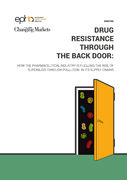
Irresponsible pharmaceutical companies fuel the proliferation of superbugs through supply chain pollution, the European Public Health Alliance (EPHA) reports. The advocacy group uncovered lapses such as dirty production and inadequate waste disposal
...
in the production of antimicrobials in China and India, which supplies most of the antimicrobials consumed in Europe. In a briefing detailing the pollution, the EPHA urges major purchasers of antibiotics to blacklist irresponsible pharmaceutical companies, demand that the industry clean up its supply chain, introduce greater transparency on the origin of antibiotics, and review and revise procurement policies from an ethics perspective.
more
This practical manual is designed to support implementation of the World Health Organization (WHO) Guidelines on core components of infection prevention and control programmes at the national level, with special focus on countries with limited resou
...
rces.
The Guidelines describe what is necessary (that is, recommendations) to effectively improve infection prevention and control (IPC). This practical manual outlines how to do this (that is, how to implement the Guidelines). It focuses on the development of a sustainable action plan informed by the local context to put into operation the Guideline recommendation
more
These guidelines provide a recommendation on iodine thyroid blocking (ITB), via oral administration of stable iodine, as an urgent protective action in responding to a nuclear accident. This recommendation aims to support emergency planners, policy makers, public
...
health specialists, clinicians and other relevant stakeholders, in order to strengthen public health preparedness for radiation emergencies in WHO Member States as required by the International Health Regulations (IHR) and in line with the international safety standards (GSR Part 7). The scope of the guidelines is confined to public health aspects of planning and implementation of ITB before and during a radiation emergency, such as dosage and timing of ITB administration, adverse effects of stable iodine, its packaging, storage, and distribution.
These guidelines supersede the 1999 WHO Guidelines for Iodine Prophylaxis following Nuclear Accidents.
more
Declaration of Astana
recommended
Global Conference on Primary Health Care From Alma-Ata towards universal health coverage and the Sustainable Development Goals
Astana, Kazakhstan, 25 and 26 October 2018

The Tripartite AMR Country Self-Assessment Survey (TrACSS) helps to monitor country progress on the implementation of AMR national actions plans and has been administered on an annual basis by the Tripartite organizations (Food and Agriculture Organization of the United Nations (FAO), World Organisa
...
tion for Animal Health (OIE) and World Health Organization (WHO)) since 2016.
This report analyzes the global responses on the fourth round of TrACSS (2019-2020) and examines the global trends and actions towards addressing AMR in all sectors.
Complete country and global responses to all rounds of the survey can be accessed through the TrACSS database: https://amrcountryprogress.org/.
more

This country cooperation strategy (CCS) outlines how the World Health Organization (WHO) will work with the Lao People’s Democratic Republic over the next five years (2024–2028), supporting the implementation of the five-year
...
health sector development plans and the Health Sector Reform Strategy 2021–2030 to attain the Sustainable Development Goals (SDGs) by 2030.
The Lao People’s Democratic Republic experienced substantial economic growth in the 30 years prior to the coronavirus disease (COVID-19) pandemic, contributing to reduced poverty and significant progress toward the SDGs. However, the COVID-19 pandemic brought this development to a halt. It was anticipated that the COVID-19 recovery and the tremendous population growth in recent years would provide opportunities for a shift toward more sustainable and inclusive development in the years ahead. In 2023, however, the contrary was the case. Rural residents, including many ethnic minorities, continued to face marginalization because of limited access to education, health care and economic opportunities.
Despite the challenges of COVID-19 and other disease outbreaks, the country has made significant improvements in health. Nonetheless, progress has been uneven and not everyone has benefited from these achievements. In the mountainous region, many people lack access to quality health care because of the unequal distribution of well-trained health-care workers. Preventable deaths due to poor-quality health care for children and newborns, infants and mothers remain a concern, as do communicable diseases such as sexually transmitted infections and tuberculosis. The increasing burden of noncommunicable diseases and the health impact of worsening climate change further heighten the need for strengthened and resilient health systems, which are at risk due to an underfunded health sector and weak economy.
This CCS aims to address remaining and future challenges as well as health needs while creating an impact that is sustainable. It identifies three strategic priorities and nine deliverables (Table 1) to support the attainment of the national vision of Health for all by all, as articulated in the 9th Health Sector Development Plan 2021–2025. It contributes to the country’s goals to achieve universal health coverage, graduate from least developed country status by 2026 and attain SDGs by 2030.
more

These guidelines deal specifically with water, sanitation and hygiene, and are designed to be used in schools in low-cost settings in low- and medium-resource countries to:
• assess prevailing situations and plan for required improvements;
• develop and reach essential safety standards as a f
...
irst goal; and
• support the development and application of national policies.
more
Cholera Outbreak Response
recommended
The document provides comprehensive guidelines for managing cholera outbreaks, including detection, confirmation, response, treatment, and prevention. It emphasizes the importance of rehydration, water sanitation, hygiene promotion, and community mobilization to limit the spread. This guide is desig
...
ned for healthcare professionals and public authorities to ensure an effective and coordinated response.
more
