
Filter
1548
Text search:
humanitarian
aid
workers
Featured
193
450
Language
Document type
784
270
166
116
88
55
30
23
9
2
2
1
1
Countries
98
90
55
51
48
47
41
37
36
33
30
30
24
24
24
23
21
20
18
17
16
16
14
12
12
12
11
11
11
11
11
10
10
10
10
9
9
8
8
8
8
7
7
7
7
6
6
6
5
5
4
4
4
4
4
4
4
4
4
3
3
3
3
3
3
3
3
3
2
2
2
2
2
2
2
2
2
2
2
2
2
2
2
1
1
1
1
1
1
1
1
1
1
1
1
1
1
1
1
1
1
1
1
1
1
1
1
1
1
Authors & Publishers
Publication Years
Category
475
303
109
67
44
31
5
3
Toolboxes
234
199
136
88
88
80
75
39
30
25
25
23
22
18
15
14
14
10
7
6
5
5
4
4
2
2
1
Epidemics and pandemics are some of the biggest threats to a safe and healthy world. But with effective preparedness and response measures, we can reduce their impacts and even stop them in their tracks.
Through the Programmatic Partnership with the European Union, 24 local Red Cross and Red Cres
...

Despite gains in childhood survival, more effort is needed to improve the well-being of children with developmental delays and disabilities. All children, including children with developmental delays and disabilities, need nurturing care. Nurturing care can contribute to preventing developmental del
...

An emerging framework for achieving synergies among the Sendai Framework, the 2030 Agenda for Sustainable Development, the New Urban Agenda and the Paris Agreement. This paper discusses the potential of the Health Emergency and Disaster Risk Management (Health-EDRM) Framework in promoting syne
...

The Gender Assessment Tool for National HIV Responses (Gender Assessment Tool) is intended to assist countries in assessing their HIV epidemic, context and response through an intersectional gender lens, with the aim of strengthening gender-transformative, equitable and rights-based HIV responses. T
...

Sexual and Gender-Based Violence against Refugees, Returnees and Internally Displaced Persons
recommended
Guidelines for Prevention and Reponse

This paper provides information to assist World Bank and GFDRR staff in affecting disability-inclusive DRM. It is based upon desk reviews of existing practice, as well as consultations with experts in the field of disability-inclusive DRM. The paper:
- Illustrates promising practices related to ...
- Illustrates promising practices related to ...
White Paper from the National Child Traumatic Stress Network Refugee Trauma Task Force

The equation is simple: we cannot effectively respond to a global pandemic when millions of people are still caught in warzones. We cannot treat sick people when hospitals are being bombed, or prevent the spread of coronavirus when tens of millions are forced to flee from violence. We must have a gl
...

Report of a WHO technical consultation meeting
Ouagadougou, Burkina Faso
This evaluation is the first systematic effort by UNICEF to generate evidence on how well its global as well as country level Community Management of Acute Malnutrition (CMAM) strategies have worked, including their acceptance and ownership in various contexts and appropriateness of investments in c
...
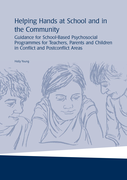
Guidance for School-Based Psychosocial
Programmes for Teachers, Parents and Children
in Conflict and Postconflict Areas
Strengthening health-system emergency preparedness.
