
Filter
4464
Text search:
Impact
on
human
resources
for
health
and
policy
response
Featured
423
1199
Language
4377
102
78
60
53
30
28
7
5
5
5
3
3
3
3
2
2
2
2
2
2
2
2
2
2
2
1
1
1
1
1
1
1
1
1
1
1
1
1
1
1
1
1
1
1
1
1
1
1
1
1
1
1
Document type
2206
924
595
299
268
75
50
32
7
2
1
1
Countries
272
137
115
96
92
90
87
84
83
80
77
72
69
68
67
63
60
58
58
52
43
42
37
35
34
34
30
29
29
29
27
26
25
25
25
22
22
19
19
19
18
17
17
16
16
15
15
13
12
12
12
11
11
10
10
9
9
9
9
9
9
8
8
8
8
7
7
7
7
6
6
6
6
5
5
5
5
5
4
4
4
4
4
4
4
4
3
3
3
3
3
3
3
3
2
2
2
2
2
2
2
2
2
2
2
2
2
2
2
2
2
2
2
1
1
1
1
1
1
1
1
1
1
1
1
1
1
1
1
1
1
1
1
1
1
1
1
1
1
1
1
1
1
1
Authors & Publishers
675
165
133
132
128
77
75
64
53
37
33
24
24
22
22
21
20
20
19
19
18
18
18
18
17
17
16
16
16
15
15
15
14
14
13
13
13
13
12
12
12
11
11
11
10
10
10
10
10
10
10
10
9
9
9
9
9
9
9
9
9
9
8
8
8
8
8
8
8
7
7
7
7
7
7
7
7
7
7
7
7
7
7
6
6
6
6
6
6
6
6
6
6
6
6
6
6
6
6
6
6
6
6
6
6
6
6
6
5
5
5
5
5
5
5
5
5
5
5
5
5
5
5
5
5
5
5
5
5
5
5
5
5
5
5
5
5
5
5
4
4
4
4
4
4
4
4
4
4
4
4
4
4
4
4
4
4
4
4
4
4
4
4
4
4
4
4
4
4
4
4
4
4
4
4
4
4
4
4
4
4
3
3
3
3
3
3
3
3
3
3
3
3
3
3
3
3
3
3
3
3
3
3
3
3
3
3
3
3
3
3
3
3
3
3
3
3
3
3
3
3
3
3
3
3
3
3
3
3
3
3
3
3
3
3
3
3
3
3
3
3
3
3
3
3
3
3
3
3
3
3
3
3
3
3
3
3
3
3
3
3
2
2
2
2
2
2
2
2
2
2
2
2
2
2
2
2
2
2
2
2
2
2
2
2
2
2
2
2
2
2
2
2
2
2
2
2
2
2
2
2
2
2
2
2
2
2
2
2
2
2
2
2
2
2
2
2
2
2
2
2
2
2
2
2
2
2
2
2
2
2
2
2
2
2
2
2
2
2
2
2
2
2
2
2
2
2
2
2
2
2
2
2
2
2
2
2
2
2
2
2
2
2
2
2
2
2
2
2
2
2
2
2
2
2
2
2
2
2
2
2
2
2
2
2
2
2
2
2
2
2
2
2
2
2
2
2
2
2
2
2
2
2
2
2
2
2
2
2
2
2
2
2
2
2
2
2
2
2
2
2
2
2
2
2
2
2
2
2
2
2
2
2
2
2
2
2
2
2
2
2
2
2
2
2
2
2
2
2
2
2
2
2
2
2
2
2
2
2
2
2
2
2
2
2
2
2
2
2
2
2
2
2
2
2
2
2
2
2
2
2
2
2
2
2
2
2
2
2
2
2
2
2
1
1
1
1
1
1
1
1
1
1
1
1
1
1
1
1
1
1
1
1
1
1
1
1
1
1
1
1
1
1
1
1
1
1
1
1
1
1
1
1
1
1
1
1
1
1
1
1
1
1
1
1
1
1
1
1
1
1
1
1
1
1
1
1
1
1
1
1
1
1
1
1
1
1
1
1
1
1
1
1
1
1
1
1
1
1
1
1
1
1
1
1
1
1
1
1
1
1
1
1
1
1
1
1
1
1
1
1
1
1
1
1
1
1
1
1
1
1
1
1
1
1
1
1
1
1
1
1
1
1
1
1
1
1
1
1
1
1
1
1
1
1
1
1
1
1
1
1
1
1
1
1
1
1
1
1
1
1
1
1
1
1
1
1
1
1
1
1
1
1
1
1
1
1
1
1
1
1
1
1
1
1
1
1
1
1
1
1
1
1
1
1
1
1
1
1
1
1
1
1
1
1
1
1
1
1
1
1
1
1
1
1
1
1
1
1
1
1
1
1
1
1
1
1
1
1
1
1
1
1
1
1
1
1
1
1
1
1
1
1
1
1
1
1
1
1
1
1
1
1
1
1
1
1
1
1
1
1
1
1
1
1
1
1
1
1
1
1
1
1
1
1
1
1
1
1
1
1
1
1
1
1
1
1
1
1
1
1
1
1
1
1
1
1
1
1
1
1
1
1
1
1
1
1
1
1
1
1
1
1
1
1
1
1
1
1
1
1
1
1
1
1
1
1
1
1
1
1
1
1
1
1
1
1
1
1
1
1
1
1
1
1
1
1
1
1
1
1
1
1
1
1
1
1
1
1
1
1
1
1
1
1
1
1
1
1
1
1
1
1
1
1
1
1
1
1
1
1
1
1
1
1
1
1
1
1
1
1
1
1
1
1
1
1
1
1
1
1
1
1
1
1
1
1
1
1
1
1
1
1
1
1
1
1
1
1
1
1
1
1
1
1
1
1
1
1
1
1
1
1
1
1
1
1
1
1
1
1
1
1
1
1
1
1
1
1
1
1
1
1
1
1
1
1
1
1
1
1
1
1
1
1
1
1
1
1
1
1
1
1
1
1
1
1
1
1
1
1
1
1
1
1
1
1
1
1
1
1
1
1
1
1
1
1
1
1
1
1
1
1
1
1
1
1
1
1
1
1
1
1
1
1
1
1
1
1
1
1
1
1
1
1
1
1
1
1
1
1
1
1
1
1
1
1
1
1
1
1
1
1
1
1
1
1
1
1
1
1
1
1
1
1
1
1
1
1
1
1
1
1
1
1
1
1
1
1
1
1
1
1
1
1
1
1
1
1
1
1
1
1
1
1
1
1
1
1
1
1
1
1
1
1
1
1
1
1
1
1
1
1
1
1
1
1
1
1
1
1
1
1
1
1
1
1
1
1
1
1
1
1
1
1
1
1
1
1
1
1
1
1
1
1
1
1
1
1
1
1
1
1
1
1
1
1
1
1
1
1
1
1
1
1
1
1
1
1
1
1
1
1
1
1
1
1
1
1
1
1
1
1
1
1
1
1
1
1
1
1
1
1
1
1
1
1
1
1
1
1
1
1
1
1
1
1
1
1
1
1
1
1
1
1
1
1
1
1
1
1
1
1
1
1
1
1
1
1
1
1
1
1
1
1
1
1
1
1
1
1
1
1
1
1
1
1
1
1
1
1
1
1
1
1
1
1
1
1
1
1
1
1
1
1
1
1
1
1
1
1
1
1
1
1
1
1
1
1
1
1
1
1
1
1
1
1
1
1
1
1
1
1
1
1
1
1
1
1
1
1
1
1
1
1
1
1
1
1
1
1
1
1
1
1
1
1
1
1
1
1
1
1
1
1
1
1
1
1
1
1
1
1
1
1
1
1
1
1
1
1
1
1
1
1
1
1
1
1
1
1
1
1
1
1
1
1
1
1
1
1
1
1
1
1
1
1
1
1
1
1
1
1
1
1
1
1
1
1
1
1
1
1
1
1
1
1
1
1
1
1
1
1
1
1
1
1
1
1
1
1
1
1
1
1
1
1
1
1
1
1
1
1
1
1
1
1
1
1
1
1
1
1
1
1
1
1
1
1
1
1
1
1
1
1
1
1
1
1
1
1
1
1
1
1
1
1
1
1
1
1
1
1
1
1
1
1
1
1
1
1
1
1
1
1
1
1
1
1
1
1
1
1
1
1
1
1
1
1
1
1
1
1
1
1
1
1
1
1
1
1
1
1
1
1
1
1
1
1
1
1
1
1
1
1
1
1
1
1
1
1
1
1
1
1
1
1
1
1
1
1
1
1
1
1
1
1
1
1
1
1
1
1
1
1
1
1
1
1
1
1
1
1
1
1
1
1
1
1
1
1
1
1
1
1
1
1
1
1
1
1
1
1
1
1
1
1
1
1
1
1
1
1
1
1
1
1
1
1
1
1
1
1
1
1
1
1
1
1
1
1
1
1
1
1
1
1
1
1
1
1
1
1
1
1
1
1
1
1
1
1
1
1
1
1
1
1
1
1
1
1
1
1
1
1
1
1
1
1
1
1
1
1
1
1
1
1
1
1
1
1
1
1
1
1
1
1
1
1
1
1
1
1
1
1
1
1
1
1
1
1
1
1
1
1
1
1
1
1
1
1
1
1
1
1
1
1
1
1
1
1
1
1
1
1
1
1
1
1
1
1
1
1
1
1
1
1
1
1
1
1
1
1
1
1
1
1
1
1
1
1
1
1
1
1
1
1
1
1
1
1
1
1
1
1
1
1
1
1
1
1
1
1
1
1
1
1
1
1
1
1
1
1
1
1
1
1
1
1
1
1
1
1
1
1
1
1
1
1
1
1
1
1
1
1
1
1
1
1
1
1
1
1
1
1
1
1
1
1
1
1
1
1
1
1
1
1
1
1
1
1
1
1
1
1
1
1
1
1
1
1
1
1
1
1
1
1
1
1
1
1
1
1
1
1
1
1
1
1
1
1
1
1
1
1
1
1
1
1
1
1
1
1
1
1
1
1
1
1
1
1
1
1
1
1
1
1
1
1
1
1
1
1
1
1
1
1
1
1
1
1
1
1
1
1
1
1
1
1
1
1
1
1
1
1
1
1
1
1
1
1
1
1
1
1
1
1
1
1
1
1
1
1
1
1
1
1
1
1
1
1
1
1
1
1
1
1
1
1
1
1
1
1
1
1
1
1
1
1
1
1
1
1
1
1
1
1
1
1
1
1
1
1
1
1
1
1
1
1
1
1
1
1
1
1
1
1
1
1
1
1
1
1
1
1
1
1
1
1
1
1
1
1
1
1
1
1
1
1
1
1
1
1
1
1
1
1
1
1
1
1
1
1
1
1
1
1
1
1
1
1
1
1
1
1
1
1
1
1
1
1
1
1
1
1
1
1
1
1
1
1
1
1
1
1
1
1
1
1
1
1
1
1
1
1
1
1
1
1
1
1
1
1
1
1
1
1
1
1
1
1
1
1
1
1
1
1
1
1
1
1
1
1
1
1
1
1
1
1
1
1
1
1
1
1
1
1
1
1
1
1
1
1
1
1
1
1
1
1
1
1
1
1
1
1
1
1
1
1
1
1
1
1
1
1
1
1
1
1
1
1
1
1
1
1
1
1
1
1
1
1
1
1
1
1
1
1
1
1
1
1
1
1
1
1
1
1
1
1
1
1
1
1
1
1
1
1
1
1
1
1
1
1
1
1
1
1
1
1
1
1
1
1
1
1
1
1
1
1
1
1
1
1
1
1
1
1
1
1
1
1
1
1
1
1
1
1
1
1
1
1
1
1
1
1
1
1
1
1
1
1
1
1
1
1
1
1
1
1
1
1
1
1
1
1
1
1
1
1
1
1
1
1
1
1
1
1
1
1
1
1
1
1
1
1
1
1
1
1
1
1
1
1
1
1
1
1
1
1
1
1
1
1
1
1
1
1
1
1
1
1
1
1
1
1
1
1
1
1
1
1
1
1
1
1
1
1
1
1
1
1
1
1
1
1
1
1
1
1
1
1
1
1
1
1
1
1
1
1
1
1
1
1
1
1
1
1
1
1
1
1
1
1
1
1
1
1
1
1
1
1
1
1
1
1
1
1
1
1
1
1
1
1
1
1
1
1
1
1
1
1
1
1
1
1
1
1
1
1
1
1
1
1
1
1
1
1
1
1
1
1
1
1
1
1
1
1
1
1
1
1
1
1
1
1
1
1
1
1
1
1
1
1
1
1
1
1
1
1
1
1
1
1
1
1
1
1
1
1
1
1
1
1
1
1
1
1
1
1
1
1
1
1
1
1
1
1
1
1
1
1
1
1
1
1
1
1
1
1
1
1
1
1
1
1
1
1
1
1
1
1
1
1
1
1
1
1
1
1
1
1
1
1
1
1
1
1
1
1
1
1
1
1
1
1
1
1
1
1
1
1
1
1
1
1
1
1
1
1
1
1
1
1
1
1
1
1
1
1
1
1
1
1
1
1
1
1
1
1
1
1
1
1
1
1
1
1
1
1
1
1
1
1
1
1
1
1
1
1
1
1
1
1
1
1
1
1
1
1
1
1
1
1
1
1
1
1
1
1
1
1
1
1
1
1
1
1
1
1
1
1
1
1
1
1
1
1
1
1
1
1
1
1
1
1
1
1
1
1
1
1
1
1
1
1
1
1
1
1
1
1
1
1
1
1
1
1
1
1
1
1
1
1
1
1
1
1
1
1
1
1
1
1
1
1
1
1
1
1
1
1
1
1
1
1
1
1
1
1
1
1
1
1
1
1
1
1
1
1
1
1
1
1
1
1
1
1
1
1
1
1
1
1
1
1
1
1
1
1
1
1
1
1
1
1
1
1
1
1
1
1
1
1
1
1
1
1
1
1
1
1
1
1
1
1
1
1
1
1
1
1
1
1
1
1
1
1
1
1
1
1
1
1
1
1
1
1
1
1
1
1
1
1
1
1
1
1
1
1
1
1
1
1
1
1
1
1
1
1
1
1
1
1
1
1
1
1
1
1
1
1
1
1
1
1
1
1
1
1
1
1
1
1
1
1
1
1
1
1
1
1
1
1
1
1
1
1
1
1
1
1
1
1
1
1
1
1
1
1
1
1
1
1
1
1
1
1
1
1
1
1
1
1
1
1
1
1
1
1
1
1
1
1
1
1
1
1
1
1
1
1
1
1
1
1
1
1
1
1
1
1
1
1
1
1
1
1
1
1
1
1
1
1
1
1
1
1
1
1
1
1
1
1
1
1
1
1
1
1
1
1
1
1
1
1
1
1
1
1
1
1
1
1
1
1
1
1
1
1
1
1
1
1
1
1
1
1
1
1
1
1
1
1
1
1
1
1
1
1
1
1
1
1
1
1
1
1
1
1
1
1
1
1
1
1
1
1
1
1
1
1
1
1
1
1
1
1
1
1
1
1
1
1
1
1
1
1
1
1
1
1
1
1
1
1
1
1
1
1
1
1
1
1
1
1
1
1
1
1
1
1
1
1
1
1
1
1
1
1
1
1
1
1
1
1
1
1
1
1
1
1
1
1
1
1
1
1
1
1
1
1
1
1
1
1
1
1
1
1
1
1
1
1
1
1
1
1
1
1
1
1
1
1
1
1
1
1
1
1
1
1
1
1
1
1
1
1
1
1
1
1
1
1
1
1
1
1
1
1
1
1
1
1
1
1
1
1
1
1
1
1
1
1
1
1
1
1
1
1
1
1
1
1
1
1
1
1
1
1
1
1
1
1
1
1
1
1
1
1
1
1
1
1
1
1
1
1
1
1
1
1
1
1
1
1
1
1
1
1
1
1
1
1
1
1
1
1
1
1
1
1
1
1
1
1
1
1
1
1
1
1
1
1
1
1
1
1
1
1
1
1
1
1
1
1
1
1
1
1
1
1
1
1
1
1
1
1
1
1
1
1
1
1
1
1
1
1
1
1
1
1
1
1
1
1
1
1
1
1
1
1
1
1
1
1
1
1
1
1
1
1
1
1
1
1
1
1
1
1
1
1
1
1
1
1
1
1
1
1
1
1
1
1
1
1
1
1
1
1
1
1
1
1
1
1
1
1
1
1
1
1
1
1
1
1
1
1
1
1
1
1
1
1
1
1
1
1
1
1
1
1
1
1
1
1
1
1
1
1
1
1
1
1
1
1
1
1
1
1
1
1
1
1
1
1
1
1
1
1
1
1
1
1
1
1
1
1
1
1
1
1
1
1
1
1
1
1
1
1
1
1
1
1
1
1
1
1
1
1
1
1
1
1
1
1
1
1
1
1
1
1
1
1
1
1
1
1
1
1
1
1
1
1
1
1
1
1
1
1
1
1
1
1
1
1
1
1
1
1
1
1
1
1
1
1
1
1
1
1
1
1
1
1
1
1
1
1
1
1
1
1
1
1
1
1
1
1
1
1
1
1
1
1
1
1
1
1
1
1
1
1
1
1
1
1
1
1
1
1
1
1
1
1
1
1
1
1
1
1
1
1
1
1
1
1
1
1
1
1
1
1
1
1
1
1
1
1
1
1
1
1
1
1
1
1
1
1
1
1
1
1
1
1
1
1
1
1
1
1
1
1
1
1
1
1
1
1
1
1
1
1
1
1
1
1
1
1
1
Publication Years
1
1522
2556
369
14
2
Category
1557
420
276
261
246
68
26
2
Toolboxes
368
341
267
217
197
173
173
142
132
118
109
104
99
91
85
80
69
62
58
58
33
26
21
17
17
2
1

The recruitment and use of children violates their rights and causes them physical, developmental, emotional, mental, and spiritual harm. The
...
impact on their mental and physical well-being breaches the most fundamental human rights and represents a grave threat to durable peace and sustainable development, as cycles of violence are perpetuated. The Paris Commitments adopted in Paris in February 2007 are an expression of strengthened international resolve to prevent the recruitment of children and highlight the actions governments can and should take to protect children affected by conflict. The Paris Principles are the operational guidelines related to sustainable reintegration of children formerly associated with armed forces and groups.
more

Frontline health workers (FHWs) provide services directly to communities where they are most needed, especially in remote and rural areas. Many are community
...
health workers and midwives, though they can also include local emergency responders/paramedics, pharmacists, nurses, and doctors who serve in community clinics.
The growing burden of non-communicable diseases (NCDs) on low- and middle-income countries threatens many health systems that are already weakened. In many countries, health systems—and health workers—are not prepared to address the complex nature of NCDs. Health systems are often fragmented, and designed to respond to single episodes of care or long-term prevention and control of infectious diseases.1 Many countries also continue to face shortages and distribution challenges of trained and supported health workers. As most NCDs are multifactorial in origin and are detected later in their evolution, health systems face significant challenges to provide early detection as well as affordable, effective, and timely treatment, particularly in underserved communities.
more

The World Health Organization (WHO) is releasing the second edition of its Global Accelerated Action for the Health of Adolescents (AA-HA!) guidanc
...
e. The document aims to equip governments to respond to the health and well-being challenges, opportunities and needs of adolescents.
The guidance provides the latest available data on adolescent health and well-being. It also outlines an updated list of core indicators that data should be collected on. Globally, road injury was the top cause of death for adolescent males in 2019. Among female adolescents, the leading causes of death were diarrhoeal diseases among the younger group (10-14 years) and tuberculosis (TB) in the older group (15-19 years).
Over the last 20 years, mortality rates have declined among adolescents globally, with the largest decline in older (15–19 years) adolescent girls. For non-fatal diseases, the burden has not improved over the past two decades, with the main causes of ill health in this category being: mental health conditions (depressive and anxiety disorders, childhood behavioural disorders), iron deficiency anaemia, skin diseases and migraine.
Adolescent well-being depends on a range of factors, including healthy food, education, life skills and employability, connectedness, feeling valued by society, safe and supportive environments, resilience, and the freedom to make choices. To take an appropriately holistic approach, the guidance outlines how to take crosscutting action to support adolescent health and well-being, with mutually reinforcing interventions across sectors, such as health, education, social protection, and telecommunications. Targeted efforts are also required to engage adolescents, as they trust health systems less than adults do and are especially vulnerable to modern-day trends, like online bullying and gaming.
more

A practical handbook. This Health Cluster Guide (2nd edition, 2020) provides practical advice on how WHO, Health Cluster Coordinators
...
and partners can work together during a humanitarian crisis to achieve the aims of reducing avoidable mortality, morbidity and disability, and restoring the delivery of and equitable access to preventive and curative health care.
It highlights key principles of humanitarian health action and how coordination and joint efforts among health and other sector actors can increase the effectiveness and efficiency of health interventions and promote better health outcomes. It draws on Inter-Agency Standing Committee and other expert guidance and includes lessons from field experience in acute and protracted crises.
The coordination principles and practice presented in Health Cluster Guide are equally valid for coordinators and members of health sector groups that seek to achieve effective health action in countries where the cluster approach has not been formally adopted.
more
This South-East Asia Regional Strategy for Primary Health Care: 2022-2030 aims to accelerate progress in all countries of the Region towards universal hea
...
lth coverage (UHC), health security and the health-related Sustainable Development Goals (SDGs). It is intended to provide Member States with guidance on facilitating PHC-orientation through the identification of seven values and 12 strategic actions that collectively embody the philosophy and practice of PHC, enunciated in the 1978 Declaration of Alma-Ata and reaffirmed in the 2018 Declaration of Astana.
more
23 February 2022
A summary of the commitments and targets within the United Nations General Assembly’s 2021 Political Declaration on HIV and AID
...
S.The United Nations General Assembly’s 2021 Political Declaration on AIDS features bold global commitments and targets for 2025 that are ambitious but achievable if countries and communities follow the evidence-informed guidance within the Global AIDS Strategy 2021–2026. This UNAIDS publication provides a summary of those commitments and targets to get every country and every community on-track to end AIDS as a public health threat by 2030
more

Mental health is critically important to everyone, everywhere. All over the world, mental health needs are high but responses are insufficient and
...
inadequate. The World mental health report: transforming mental health for all is designed to inspire and inform better mental health for everyone everywhere. Drawing on the latest evidence available, showcasing examples of good practice from around the world, and voicing people’s lived experience, it highlights why and where change is most needed and how it can best be achieved. It calls on all stakeholders to work together to deepen the value and commitment given to mental health, reshape the environments that influence mental health, and strengthen the systems that care for mental health.
more

The 2021 WHO health and climate change global survey report provides a valuable snapshot of the overall progress governments have made in addressing the h
...
ealth risks of climate change. The findings on key health and climate change indicators aim to empower policy makers to: make informed decisions on the implementation of policies and plans; identify evidence gaps; and better understand the barriers to achieving adaptation and resilience priorities in the health sector while maximizing the health benefits of sector-wide climate mitigation efforts.
more
This report presents further analysis of the 2015 Nepal Health Facility Survey. Data analysis is based on the Donabedian framework for assessing qu
...
ality of care in health services, which divides the indicators into three groups: structure, process, and outcome. The World Health Organization Service Availability and Readiness Assessment (SARA) indicator guideline was used to assess facility service readiness, service quality and client satisfaction with maternal health services. The study performed both bivariate and multivariate regression analysis to examine the association of maternal health service readiness and quality indicators with client satisfaction.
more

The MHPSS MSP is an easy-to-follow intersectoral package, which spells out the activities and actions that all humanitarian actors should put in place in all emergencies for an effective MHPSS
...
response. It speaks to different actors at the global, regional, national, and local levels to plan, coordinate and implement an effective MHPSS response.
more

This handbook is intended primarily for front-line health care providers who are likely to see children (among other clients) in their day-to-day practice. These may include general practitioners, n
...
urses, midwives, gynaecologists,
paediatricians, mental health professionals, first responders and staff in emergency care.
Other professionals who may find it useful include social workers, those working in social welfare institutions, providers of psychosocial support, and those working in child care facilities and the education system.
Further, the content will benefit the work of policy-makers and managers to enable and support provision of clinical care to children experiencing, or who have experienced, child maltreatment.
more

An estimated 1.3 billion people globally experience significant disability. This figure has grown over the last decade and will continue to rise due to demographic and epidemiological changes. In 20
...
22, the World Health Organization launched the Global report on health equity for persons with disabilities. This report demonstrated that many persons with disabilities are still being left behind. Experiencing persistent health inequities, persons with disabilities die earlier, they have poorer health and functioning, and they are more affected by health emergencies than the general population. These differences are largely associated with unjust factors both inside and beyond the health sector and are avoidable. The Global Report called upon Member States to take actions to make health sector more inclusive for persons with disabilities through the primary health care approach. This will be essential for countries to make health coverage truly universal and to progress towards other health-related targets in the sustainable development goals.
more

In recent years Terre des Hommes Netherlands observed the steady rise of a new form of child sexual exploitation. One that is enabled and fuelled by rapid technological advances, increasing global connectivity, persisting poverty rates,
...
and growing disparity in the global distribution of resources. Terre des Hommes Netherlands received alarming signals from collaborating project partners from the Philippines that new commercial child exploitation trades are evolving and spreading parallel to rising global Internet access rates and developments in communications technology.
Webcam child sex tourism is evidently growing, closely related to child prostitution, child trafficking and child abuse. What is not clear however, are the psychological and social consequences of this new phenomenon. To date, no research has been done on the psychosocial consequences of webcam sex for children. The aim of this research is therefore to gain more knowledge on the psychosocial consequences of webcam child sex tourism for children and to give insight into the antecedent factors that play a role.
more

The risks of the use of nuclear, radiological, biological or chemical (NRBC) weapons are heterogeneous. Each risk has its own implications for developing and deploying any capacity to assist victims
...
of an NRBC event and, in parallel, for the health and security of the people bringing this assistance. At an international level, there are no plans for assisting the victims of an NRBC event which are both adequate and safe. Recognizing
the realities of the contexts associated with each risk throws up numerous challenges; such recognition is also a prerequisite for addressing these challenges. The realities that have to be considered relate to:
1. developing, acquiring, training for and planning an NRBC response capacity;
2. deploying a response capacity in an NRBC event;
3. the mandates and policies of international organizations pertaining to NRBC events. The challenges that will pose the greatest difficulty for a humanitarian organization are those for which the solutions are ‘non-buyable’ and which involve making extremely difficult decisions. Attempting to assist victims of an NRBC event without a reality-based approach might generate ineffective and unacceptably dangerous situations for those involved.
more

The Quadripartite organizations have developed the One Health Priority Research Agenda for AMR report, this is a joint initiative to assist in directing a
...
nd catalysing scientific interest and financial investments for the priority research agenda across sectors for countries and funding bodies. The research agenda also serves as a guide to mitigate One Health AMR that will help policymakers, researchers, and a multidisciplinary scientific community work together on solutions to prevent and mitigate AMR within the One Health approach.
more
Responding to Outbreaks of Antimicrobial-resistant Pathogens in Health-care Facilities: Guidance for the Western Pacific Region is developed following requests from Member States in the Western Paci
...
fic Region for additional information and support in managing AMR outbreaks. It aims to provide: a step-by-step guide for health-care facilities to respond to AMR outbreaks; a practical resource for health-care workers to support AMR outbreak response in low- and middle-income countries; and practical guidance to implement effective AMR outbreak response policies and procedures in clinical settings.
more

The purpose of the landscape analysis is ultimately to facilitate improved engagement of private providers, thereby contributing to universal access to quality and affordable TB care and the end of
...
the TB epidemic. It focuses on the role of private for-profit providers and on specific challenges and experiences in engaging them for TB prevention and care.
more

Zambia is facing a severe economic crisis marked by high inflation, increasing poverty and a heavy debt burden that is straining both its fiscal stability and progress in
...
health outcomes. By 2020, the country's external debt reached United States dollars (USD) 12.7 billion, representing 108% of the country's gross domestic product (GDP). In 2020, Zambia sought assistance through the G20 Common Framework and the International Monetary Fund (IMF) Extended Credit Facility (ECF), securing a USD 1.7 billion loan over 5 years. IMF loans, however, come with austerity measures that prioritise fiscal discipline but could potentially exacerbate social inequalities. These measures, which include increasing consumer taxes on goods and services (value added taxes - VATs), electricity tariffs and fuel prices, disproportionately impact vulnerable populations, raising concerns about their long-term effects on essential services, especially accessible and good quality healthcare services.
more
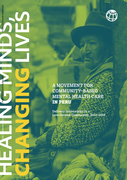
This report explores community-focused change initiatives in the financing, organization, and delivery of mental health services in Peru from 2013 to 2016. It examines the national dimension of refo
...
rms but focuses above all on implementation and results in the economically fragile district of Carabayllo, in northern Lima.
more

Countries around the world are facing the challenge of increased demand for care of people with COVID-19, compounded by fear, misinformation and limitations
...
on movement that disrupt the delivery of health care for all conditions. Maintaining essential health services: operational guidance for the COVID-19 context recommends practical actions that countries can take at national, subregional and local levels to reorganize and safely maintain access to high-quality, essential health services in the pandemic context. It also outlines sample indicators for monitoring essential health services, and describes considerations on when to stop and restart services as COVID-19 transmission recedes and surges.
more
