
Filter
3510
Text search:
people
on
the
move
Featured
326
928
Language
3440
80
62
50
38
23
20
19
9
8
8
7
6
6
6
5
5
5
5
5
4
3
3
3
3
3
3
3
3
3
3
2
2
2
2
2
2
2
2
2
2
2
2
2
2
2
2
1
1
1
1
1
1
1
1
1
1
1
1
1
1
1
1
1
1
Document type
1897
638
347
250
134
115
55
37
16
12
2
2
1
1
Countries
171
133
87
78
78
76
73
67
66
66
65
64
57
56
48
48
47
45
41
41
37
34
33
32
31
30
28
26
22
21
21
20
19
19
18
18
17
17
17
15
15
15
14
14
13
13
12
12
12
10
10
9
9
9
9
9
8
7
7
7
7
7
7
6
6
6
5
5
5
5
5
5
4
4
4
4
4
4
3
3
3
3
3
2
2
2
2
2
2
2
2
2
2
2
2
2
2
2
2
2
2
2
2
2
1
1
1
1
1
1
1
1
1
1
1
1
1
1
1
1
1
1
1
1
1
1
1
1
1
1
1
1
1
1
1
1
1
Authors & Publishers
373
116
96
82
81
76
66
63
38
36
33
30
29
28
23
20
20
20
19
17
17
17
17
16
16
16
15
15
13
13
13
12
12
11
11
11
11
11
11
10
10
10
9
9
9
9
9
9
9
8
8
8
8
7
7
7
7
7
7
7
7
7
7
7
7
7
7
7
7
6
6
6
6
6
6
6
6
6
6
6
6
6
6
6
6
6
6
6
5
5
5
5
5
5
5
5
5
5
5
5
5
5
5
5
5
5
5
5
5
5
5
5
5
5
5
4
4
4
4
4
4
4
4
4
4
4
4
4
4
4
4
4
4
4
4
4
4
4
4
4
4
4
4
4
4
4
4
4
4
4
4
4
4
4
4
4
4
4
4
4
3
3
3
3
3
3
3
3
3
3
3
3
3
3
3
3
3
3
3
3
3
3
3
3
3
3
3
3
3
3
3
3
3
3
3
3
3
3
3
3
3
3
3
3
3
3
3
3
3
3
3
3
3
3
3
3
3
3
3
3
3
3
3
3
3
3
2
2
2
2
2
2
2
2
2
2
2
2
2
2
2
2
2
2
2
2
2
2
2
2
2
2
2
2
2
2
2
2
2
2
2
2
2
2
2
2
2
2
2
2
2
2
2
2
2
2
2
2
2
2
2
2
2
2
2
2
2
2
2
2
2
2
2
2
2
2
2
2
2
2
2
2
2
2
2
2
2
2
2
2
2
2
2
2
2
2
2
2
2
2
2
2
2
2
2
2
2
2
2
2
2
2
2
2
2
2
2
2
2
2
2
2
2
2
2
2
2
2
2
2
2
2
2
2
2
2
2
2
2
2
2
2
2
2
2
2
2
2
2
2
2
2
2
2
2
2
2
2
2
2
2
2
2
2
2
2
2
2
2
2
2
2
2
2
2
2
2
2
2
2
2
2
2
2
2
2
2
2
2
2
2
2
2
2
2
2
2
2
2
2
2
2
2
2
2
2
2
2
2
2
2
2
2
2
2
2
2
1
1
1
1
1
1
1
1
1
1
1
1
1
1
1
1
1
1
1
1
1
1
1
1
1
1
1
1
1
1
1
1
1
1
1
1
1
1
1
1
1
1
1
1
1
1
1
1
1
1
1
1
1
1
1
1
1
1
1
1
1
1
1
1
1
1
1
1
1
1
1
1
1
1
1
1
1
1
1
1
1
1
1
1
1
1
1
1
1
1
1
1
1
1
1
1
1
1
1
1
1
1
1
1
1
1
1
1
1
1
1
1
1
1
1
1
1
1
1
1
1
1
1
1
1
1
1
1
1
1
1
1
1
1
1
1
1
1
1
1
1
1
1
1
1
1
1
1
1
1
1
1
1
1
1
1
1
1
1
1
1
1
1
1
1
1
1
1
1
1
1
1
1
1
1
1
1
1
1
1
1
1
1
1
1
1
1
1
1
1
1
1
1
1
1
1
1
1
1
1
1
1
1
1
1
1
1
1
1
1
1
1
1
1
1
1
1
1
1
1
1
1
1
1
1
1
1
1
1
1
1
1
1
1
1
1
1
1
1
1
1
1
1
1
1
1
1
1
1
1
1
1
1
1
1
1
1
1
1
1
1
1
1
1
1
1
1
1
1
1
1
1
1
1
1
1
1
1
1
1
1
1
1
1
1
1
1
1
1
1
1
1
1
1
1
1
1
1
1
1
1
1
1
1
1
1
1
1
1
1
1
1
1
1
1
1
1
1
1
1
1
1
1
1
1
1
1
1
1
1
1
1
1
1
1
1
1
1
1
1
1
1
1
1
1
1
1
1
1
1
1
1
1
1
1
1
1
1
1
1
1
1
1
1
1
1
1
1
1
1
1
1
1
1
1
1
1
1
1
1
1
1
1
1
1
1
1
1
1
1
1
1
1
1
1
1
1
1
1
1
1
1
1
1
1
1
1
1
1
1
1
1
1
1
1
1
1
1
1
1
1
1
1
1
1
1
1
1
1
1
1
1
1
1
1
1
1
1
1
1
1
1
1
1
1
1
1
1
1
1
1
1
1
1
1
1
1
1
1
1
1
1
1
1
1
1
1
1
1
1
1
1
1
1
1
1
1
1
1
1
1
1
1
1
1
1
1
1
1
1
1
1
1
1
1
1
1
1
1
1
1
1
1
1
1
1
1
1
1
1
1
1
1
1
1
1
1
1
1
1
1
1
1
1
1
1
1
1
1
1
1
1
1
1
1
1
1
1
1
1
1
1
1
1
1
1
1
1
1
1
1
1
1
1
1
1
1
1
1
1
1
1
1
1
1
1
1
1
1
1
1
1
1
1
1
1
1
1
1
1
1
1
1
1
1
1
1
1
1
1
1
1
1
1
1
1
1
1
1
1
1
1
1
1
1
1
1
1
1
1
1
1
1
1
1
1
1
1
1
1
1
1
1
1
1
1
1
1
1
1
1
1
1
1
1
1
1
1
1
1
1
1
1
1
1
1
1
1
1
1
1
1
1
1
1
1
1
1
1
1
1
1
1
1
1
1
1
1
1
1
1
1
1
1
1
1
1
1
1
1
1
1
1
1
1
1
1
1
1
1
1
1
1
1
1
1
1
1
1
1
1
1
1
1
1
1
1
1
1
1
1
1
1
1
1
1
1
1
1
1
1
1
1
1
1
1
1
1
1
1
1
1
1
1
1
1
1
1
1
1
1
1
1
1
1
1
1
1
1
1
1
1
1
1
1
1
1
1
1
1
1
1
1
1
1
1
1
1
1
1
1
1
1
1
1
1
1
1
1
1
1
1
1
1
1
1
1
1
1
1
1
1
1
1
1
1
1
1
1
1
1
1
1
1
1
1
1
1
1
1
1
1
1
1
1
1
1
1
1
1
1
1
1
1
1
1
1
1
1
1
1
1
1
1
1
1
1
1
1
1
1
1
1
1
1
1
1
1
1
1
1
1
1
1
1
1
1
1
1
1
1
1
1
1
1
1
1
1
1
1
1
1
1
1
1
1
1
1
1
1
1
1
1
1
1
1
1
1
1
1
1
1
1
1
1
1
1
1
1
1
1
1
1
1
1
1
1
1
1
1
1
1
1
1
1
1
1
1
1
1
1
1
1
1
1
1
1
1
1
1
1
1
1
1
1
1
1
1
1
1
1
1
1
1
1
1
1
1
1
1
1
1
1
1
1
1
1
1
1
1
1
1
1
1
1
1
1
1
1
1
1
1
1
1
1
1
1
1
1
1
1
1
1
1
1
1
1
1
1
1
1
1
1
1
1
1
1
1
1
1
1
1
1
1
1
1
1
1
1
1
1
1
1
1
1
1
1
1
1
1
1
1
1
1
1
1
1
1
1
1
1
1
1
1
1
1
1
1
1
1
1
1
1
1
1
1
1
1
1
1
1
1
1
1
1
1
1
1
1
1
1
1
1
1
1
1
1
1
1
1
1
1
1
1
1
1
1
1
1
1
1
1
1
1
1
1
1
1
1
1
1
1
1
1
1
1
1
1
1
1
1
1
1
1
1
1
1
1
1
1
1
1
1
1
1
1
1
1
1
1
1
1
1
1
1
1
1
1
1
1
1
1
1
1
1
1
1
1
1
1
1
1
1
1
1
1
1
1
1
1
1
1
1
1
1
1
1
1
1
1
1
1
1
1
1
1
1
1
1
1
1
1
1
1
1
1
1
1
1
1
1
1
1
1
1
1
1
1
1
1
1
1
1
1
1
1
1
1
1
1
1
1
1
1
1
1
1
1
1
1
1
1
1
1
1
1
1
1
1
1
1
1
1
1
1
1
1
1
1
1
1
1
1
1
1
1
1
1
1
1
1
1
1
1
1
1
1
1
1
1
1
1
1
1
1
1
1
1
1
1
1
1
1
1
1
1
1
1
1
1
1
1
1
1
1
1
1
1
1
1
1
1
1
1
1
1
1
1
1
1
1
1
1
1
1
1
1
1
1
1
1
1
1
1
1
1
1
1
1
1
1
1
1
1
1
1
1
1
1
1
1
1
1
1
1
1
1
1
1
1
1
1
1
1
1
1
1
1
1
1
1
1
1
1
1
1
1
1
1
1
1
1
1
1
1
1
1
1
1
1
1
1
1
1
1
1
1
1
1
1
1
1
1
1
1
1
1
1
1
1
1
1
1
1
1
1
1
1
1
1
1
1
1
1
1
1
1
1
1
1
1
1
1
1
1
1
1
1
1
1
1
1
1
1
1
1
1
1
1
1
1
1
1
1
1
1
1
1
1
1
1
1
1
1
1
1
1
1
1
1
1
1
1
1
1
1
1
1
1
1
1
1
1
1
1
1
1
1
1
1
1
1
1
1
1
1
1
1
1
1
1
1
1
1
1
1
1
1
1
1
1
1
1
1
1
1
1
1
1
1
1
1
1
1
1
1
1
1
1
1
1
1
1
1
1
1
1
1
1
1
1
1
1
1
1
1
1
1
1
1
1
1
1
1
1
1
1
1
1
1
1
1
1
1
1
1
1
1
1
1
1
1
1
1
1
1
1
1
1
1
1
1
1
1
1
1
1
1
1
1
1
1
1
1
1
1
1
1
1
1
1
1
1
1
1
1
1
1
1
1
1
1
1
1
1
1
1
1
1
1
1
1
1
1
1
1
1
1
1
1
1
1
1
1
1
1
1
1
1
1
1
1
1
1
1
1
1
1
1
1
1
1
1
1
1
1
1
1
1
1
1
1
1
1
1
1
1
1
1
1
1
1
1
1
1
1
1
1
1
1
1
1
1
1
1
1
1
1
1
1
1
1
1
1
1
1
1
1
1
1
1
1
1
1
1
1
1
1
1
1
1
1
1
1
1
1
1
1
1
1
1
1
1
1
1
1
1
1
1
1
1
1
1
1
1
1
1
1
1
1
1
1
1
1
1
1
1
1
1
1
1
1
1
1
1
1
1
1
1
1
1
1
1
1
1
1
1
1
1
1
1
1
1
1
1
1
1
1
1
1
1
1
1
1
1
1
1
1
1
1
1
1
1
1
1
1
1
1
1
1
1
1
1
1
1
1
1
1
1
1
1
1
1
1
1
1
1
1
1
1
1
1
1
1
1
1
1
1
1
1
1
1
1
1
1
1
1
1
1
1
1
1
1
1
1
1
1
1
1
1
1
1
1
1
1
1
1
1
1
1
1
1
1
1
1
1
1
1
1
1
1
1
1
1
1
1
1
1
1
1
1
1
1
1
1
1
1
1
1
1
1
1
1
1
1
1
1
1
1
1
1
1
1
1
1
1
1
1
1
1
1
1
1
1
1
1
1
1
1
1
1
1
1
1
1
1
1
1
1
1
1
1
1
1
1
1
1
1
1
1
1
1
1
1
1
1
1
1
1
1
1
1
1
1
1
1
1
1
1
1
1
1
1
1
1
1
1
1
1
1
1
1
1
1
1
1
1
1
1
1
1
1
1
1
1
1
1
1
1
1
1
1
1
1
1
1
1
1
1
1
1
1
1
1
1
1
1
1
1
1
1
1
1
1
1
1
1
1
1
1
1
1
1
1
1
1
1
1
1
1
1
1
1
1
1
1
1
1
1
1
1
1
1
1
1
1
1
1
1
1
1
1
1
1
1
1
1
1
1
1
1
1
1
1
1
1
1
1
1
1
1
1
1
1
1
1
1
1
1
1
1
1
1
1
1
1
1
1
1
1
1
1
1
1
1
1
1
1
1
1
1
1
1
1
1
1
1
1
1
1
1
1
1
1
1
1
1
1
1
1
1
1
1
1
1
1
1
1
1
1
1
1
1
1
1
1
1
1
1
1
1
1
1
1
1
1
1
1
1
1
1
1
1
1
1
1
1
1
1
1
1
1
1
1
1
1
1
1
1
1
1
1
1
1
1
1
1
1
1
1
1
1
1
1
1
1
1
1
1
1
1
1
1
1
1
1
1
1
1
1
1
1
1
1
1
1
1
1
1
1
1
1
1
1
1
1
1
1
1
1
1
1
1
1
1
1
1
1
1
1
1
1
1
1
1
1
1
1
1
1
1
1
1
1
1
1
1
1
1
1
1
1
1
1
1
1
1
1
1
1
1
1
1
1
1
1
1
1
1
1
1
1
1
1
1
1
1
1
1
1
1
1
1
1
1
1
1
1
1
1
1
1
1
1
1
1
1
1
1
1
1
1
1
1
1
1
1
1
1
1
1
1
1
1
1
1
1
1
1
1
1
1
1
1
1
1
1
1
1
1
1
1
1
1
1
1
1
1
1
1
1
1
1
1
1
1
1
1
1
1
1
1
1
1
1
1
1
1
1
1
1
1
1
1
1
1
1
1
1
1
1
1
1
1
1
1
1
1
1
1
1
1
1
1
1
1
1
1
1
1
1
1
1
1
1
1
1
1
1
1
1
1
1
1
1
1
1
1
1
1
1
1
1
1
1
1
1
1
1
1
1
1
1
1
1
1
1
1
1
1
1
1
1
1
1
1
1
1
1
1
1
1
1
1
1
1
1
1
1
1
1
1
1
1
1
1
1
1
1
1
1
1
1
1
1
1
1
1
1
1
1
1
1
1
1
1
1
1
1
1
1
1
1
1
1
1
1
1
1
1
1
1
1
1
1
1
1
1
1
1
1
1
1
1
1
1
1
1
1
1
1
1
1
1
1
1
1
1
1
1
1
1
1
1
1
1
1
1
1
1
1
1
1
1
1
1
1
1
1
1
1
1
1
1
1
1
1
1
1
1
1
1
1
1
1
1
1
1
1
1
1
1
1
1
1
1
1
1
1
1
1
1
1
1
1
1
1
1
1
1
1
1
1
1
1
1
1
1
1
1
1
1
1
1
1
1
1
1
1
1
1
1
1
1
1
1
1
1
1
1
1
1
1
1
1
1
1
1
1
1
1
1
1
1
1
1
1
1
Publication Years
1
1012
2119
355
18
3
1
1
Category
1193
275
208
199
172
127
23
Toolboxes
336
252
241
173
162
139
131
116
100
100
94
82
82
54
52
51
48
48
44
37
25
24
18
17
10
1
1

At the end of 2023, WHO convened our first-ever annual WHO Stakeholder Review Conference for Prevention and Response to Sexual Misconduct. Aimed at joint learning and frank discussion on challenges
...
faced in the achieving zero tolerance for all forms of sexual misconduct by aid workers, the Conference brought together Member States, Civil Society Organizations, United Nations Agencies and Programmes, academia and media joined by WHO personnel. A set of recommendations to support all agencies are documented in the Conference Report. In addition, WHO’s Director-General hosted a social engagement segment on the evening of Day 1 to further underscore the centrality of a victim and survivor-centred approach, to celebrate progress however small, and to reaffirm commitment and renew energy for the journey ahead. The Conference took place on 30 November and 1 December 2023 in Geneva, Switzerland
more

The RTA covered UNICEF’s response to COVID-19 from March 2020 – when WHO declared the disease a pandemic – until January 2021. Further, the R
...
TA applied a broad and cross-cutting lens to all 21 UNICEF county offices across the region, focusing on six case study countries: Kenya, Madagascar, Namibia, Somalia, South Africa and Uganda.
In addition to a Regional Analysis Report, the RTA produced six deep-dive reports with findings and lessons specific to the six case study countries mentioned above – all of which can be accessed through the drop-down listing on this page.
more
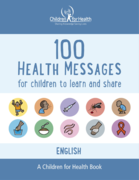
The '100 Health Messages for Children to Learn & Share' is an educational resource developed by Children for Health. It is aimed at children aged 8–14, particularly young adolescents (aged 10–14), who often care for younger siblings.
...
The set contains 100 simple, accurate and adaptable health messages, with 10 messages on each of the following topics: Malaria, diarrhoea, nutrition, coughs and colds, intestinal worms, water and sanitation, immunisation, HIV and AIDS, accidents and injuries, and early childhood development. The messages have been reviewed by medical and education experts and are designed for use by parents, teachers and health workers in schools, homes, clinics and clubs. The resource encourages active learning through memorisation, discussion, and creative activities, empowering children to become health educators in their communities.
more

This guide aims to provide an overview of successful practice from the field for the disaster risk reduction/management practitioner interested in EWS. It presents guiding principles that will build
...
a strong foundation for the design or strengthening of EWS at any level. It is not an operational, but a strategic, guide that insists on asking the right questions and exploring all perspectives prior even to deciding whether or not early warning is the appropriate tool for a given context.
more

This publication provides an overview of evidence and guidance on the growing challenge of workplace heat stress in the context of climate change.
...
It highlights the health and productivity risks faced by billions of workers, especially in manual labor sectors. The report details the physiological, socioeconomic, and mental health impacts of heat stress and outlines evidence-based strategies for prevention and mitigation. It emphasizes the need for occupational heat action programmes, stakeholder collaboration, and tailored interventions to protect vulnerable workers, reduce productivity losses, and support sustainable development in a warming world.
more

This document, with a focus on the built environment and health care facilities, intends to guide the audience in preparing for and responding to S
...
ARI pandemics caused by existing and novel pathogens. It provides technical guidance on designing, establishing, and managing health care facilities for severe acute respiratory infections (SARI), covering point of entry, treatment centers, entry to health system facilities, quarantine and community facilities, and home care and quarantine.
more

The document Integrated Disease Surveillance and Response Technical Guidelines, Booklet Four: Sections 8 and 9 (Third Edition, 2019) provides guidance for strengthening public health surveillance and response systems in
...
the WHO African Region. It focuses on monitoring, supervision, evaluation, and feedback mechanisms to improve the performance and quality of Integrated Disease Surveillance and Response (IDSR) systems. The text outlines key surveillance core functions—such as case detection, reporting, data analysis, outbreak investigation, preparedness, response, and feedback—and introduces indicators to measure system effectiveness, including timeliness, completeness, and data quality. Additionally, it discusses the implementation of electronic IDSR (eIDSR) to enhance real-time reporting and outbreak management. Overall, the booklet aims to strengthen early detection, rapid response, and health security capacity across all levels of the health system.
more
This report, examining the mood of a country that holds the top spot in the Fragile States Index, is based
...
on field research conducted in South Sudan in April and May 2014.
more
Reduced healthy life expectancy due to the high burden of both mental ill health and noncommunicable diseases (NCDs) is a major public health concern in the European Region.
...
The links between mental disorders and major NCDs are well established.
In clinical practice, however, mental disorders in patients with NCDs as well as NCDs in patients with mental disorders are often overlooked. Premature mortality and disability could be reduced if there were a greater focus on comorbidity.
This report addresses the needs of adults of working age with mental health problems – those with common mental disorders such as depression and anxiety and those with more severe conditions such as schizophrenia and bi-polar affective disorder. It also addresses the needs of those with NCDs, specifically cardiovascular diseases, cancers, chronic respiratory diseases and diabetes mellitus.
more

The purpose of this manual is to provide a resource for training to increase understanding of Health in All Policies (HiAP) by health and other professionals. It is anticipated that the
...
material in this manual will form the basis of two- or three-day workshops, which will:
• Build capacity to promote, implement and evaluate HiAP;
• Encourage engagement and collaboration across sectors;
• Facilitate the exchange of experiences and lessons learned;
• Promote regional and global collaboration on HiAP; and
• Promote dissemination of skills to develop training courses for trainers.
more
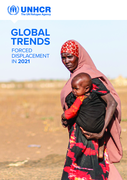
Continuing a worrying decade-long rising trend, the number of people forced to flee due to persecution, conflict, violence, human rights violations and events seriously disturbing public order climb
...
ed to 89.3 million by the end of 2021. This is more than double the 42.7 million people who remained forcibly displaced at the end of 2012 and represents a sharp 8 per cent increase of almost 7 million people in the span of just 12 months. As a result, above one per cent of the world’s population – or 1 in 88 people – were forcibly displaced at the end of 2021. This compares with 1 in 167 at the end of 2012. During 2021, some 1.7 million people crossed international borders seeking protection and 14.4 million new displacements within their countries were reported. This is a dramatic increase from the combined 11.2 million a year earlier.
more
In early 2015, the Americas region began to experience a surge in migration flows due in large part to the rise of people emigrating from Venezuela
...
in response to the country’s faltering economy. This swell in migration continued in the years following, as the number of Venezuelans living in Latin American countries rose from an estimated 700,000 in 2015 to over 3 million by late 2018.1 As of June 2019, an estimated 4.3 million Venezuelan’s have left the country since 2015
more

The Return Counselling Toolkit is a capacity-building instrument aimed at providing a harmonized and coherent approach to return counselling, based on key migrant-centred principles while protecting
...
migrants’ rights. Mindful of the specific needs and rights pertaining to children, this additional module on counselling children and families further complements the first five modules of the Return Counselling Toolkit. It provides specialized guidance on how to prepare and deliver return counselling to accompanied, unaccompanied and separated children while upholding child rights and safeguards.
more
Community Health Worker Training Curriculum - Facilitator's Guide
Baylor Tingathe Community Outreach Programme
Baylor College of Medicine Children’s Foundation Malawi
(2016)
CC
This curriculum was designed to train newly recruited health care workers (HCW) in the basic knowledge and skills needed to improve different HIV services within the health facility including identi
...
fication, linkage, retention and support. In addition to HIV basics, the training has supplementary units focused on PMTCT, psychosocial support, opportunistic infections, tuberculosis and HIV, nutrition and family planning in order to give a more well-rounded and comprehensive training of related topics.
more

It is against this background that the Ministry of Health and Sanitation with its partners have
taken the lead to develop Essential Health Services Package (EHSP).
...
The MOHS believes that the
development of EHSP; defining the services that should be available at each level of care
(community to tertiary level), for each age cohort, and across each public health functions, not
only allows for more effective and equitable health service delivery, but also for the
establishment of a functional referral system and allocation of appropriate investments for high
impact interventions. The package is expected to set precedence in defining ‘essential’ set of
services for the population in Sierra Leone, structurally promoting integration of health services,
and providing succinct guidance to partners and stakeholders on the country priorities.
more
Myanmar’s transition to a market‐based economy is accompanied by rapid development of the private manufacturing sector, which has large potential for improving economic growth. The overall succ
...
ess of the sector, however, should not be taken for granted. Future advances will greatly depend on the policy and business environment in which manufacturing activities take place. It is, therefore, important to better understand the business environment and help inform policies conducive to sustainable economic growth.
more

2nd edition. The 2018 Roadmap incorporates an additional critical population: adolescents. Despite making up 1 in 6 of the world’s people, adoles
...
cents have been largely overlooked as global momentum to address TB has grown. Spanning the ages of 10–19 years, adolescents are both at risk of TB and represent an important population for TB control. They often present with infectious TB and frequently have multiple contacts in congregate settings, such as schools and other educational institutions. Nevertheless, few countries capture TB data in suitably age-disaggregated ways to allow full understanding of its impact in this group and even fewer provide the adolescent-friendly services our young people need to access diagnosis and care.
more
The Life Skills through Drama curriculum aims at promoting the protection of Syrian and Lebanese adolescent girls from Gender Based Violence and enhancing their psychosocial wellbeing. This curricul
...
um addresses the basic life skills that adolescent girls living in difficult conditions in any similar cultural context could need. The curriculum relies on active learning through experience, practice, reflection and discussion. And it has been designed based on drama techniques. Varied creative drama techniques were used to serve the objectives including techniques from Theater of the Oppressed
more

Program Implementation Manual (PIM)
The Save One Million Lives Program for Results (SOML PforR) is a Federal Government of Nigeria maternal and child health program, supported by the World Bank ... , which provides incentives based on achievement of results (health outcomes) and helps to drive institutional processes needed to achieve these results. This Program Implementation Manual provides a description of the program and operational guidelines for effective implementation. The Manual contains guidelines and procedures relating to disbursements and fund flows, institutional arrangements, financial management as well as monitoring and evaluation, while providing clear definition of the roles and responsibilities of all stakeholders. more
The Save One Million Lives Program for Results (SOML PforR) is a Federal Government of Nigeria maternal and child health program, supported by the World Bank ... , which provides incentives based on achievement of results (health outcomes) and helps to drive institutional processes needed to achieve these results. This Program Implementation Manual provides a description of the program and operational guidelines for effective implementation. The Manual contains guidelines and procedures relating to disbursements and fund flows, institutional arrangements, financial management as well as monitoring and evaluation, while providing clear definition of the roles and responsibilities of all stakeholders. more
This training and guidance has been developed to provide an in-depth understanding on what it means to respect legal capacity in mental health and related areas as well as concrete strategies to ensure that
...
people are able to exercise their right to legal capacity in all areas of their life. In this context a wide range of scenarios are used to describe how different models of supported decision making can be applied in practice.
more
