
Filter
3135
Text search:
safe
hospitals
Featured
343
963
Language
3055
49
44
33
32
14
12
10
5
5
5
5
4
4
4
4
3
3
2
2
2
2
2
2
2
2
2
2
1
1
1
1
1
1
1
1
1
1
1
1
1
1
1
1
1
1
1
1
Document type
1699
473
435
241
141
57
39
29
8
8
4
1
Countries
184
119
102
100
99
90
83
74
74
64
61
61
53
53
52
46
45
44
43
34
31
28
28
27
26
25
24
22
20
19
19
18
17
16
16
15
14
13
13
13
11
11
11
11
9
9
8
8
8
8
8
7
7
7
6
6
6
6
6
5
5
5
5
5
5
4
4
4
4
4
4
4
4
3
3
3
3
3
3
3
3
2
2
2
2
2
2
2
2
2
2
2
2
2
2
2
1
1
1
1
1
1
1
1
1
1
1
1
1
1
1
1
1
1
1
1
1
1
1
1
Authors & Publishers
422
134
89
67
64
63
57
49
22
18
18
17
17
16
16
15
15
15
15
15
15
14
14
13
13
12
12
12
12
12
12
11
11
11
11
10
10
10
10
9
9
9
9
9
8
8
8
8
8
8
8
8
7
7
7
7
7
7
7
7
7
7
7
7
6
6
6
6
6
6
6
6
5
5
5
5
5
5
5
5
5
5
5
5
5
5
5
5
5
5
5
5
5
5
5
5
5
5
5
5
5
5
4
4
4
4
4
4
4
4
4
4
4
4
4
4
4
4
4
4
4
4
4
4
4
4
4
4
4
4
4
4
4
4
4
4
4
4
4
4
4
4
4
4
4
4
3
3
3
3
3
3
3
3
3
3
3
3
3
3
3
3
3
3
3
3
3
3
3
3
3
3
3
3
3
3
3
3
3
3
3
3
3
3
3
3
3
3
3
3
3
3
3
3
3
3
3
3
3
3
3
3
3
3
3
3
3
3
3
3
3
3
3
3
3
3
3
3
3
2
2
2
2
2
2
2
2
2
2
2
2
2
2
2
2
2
2
2
2
2
2
2
2
2
2
2
2
2
2
2
2
2
2
2
2
2
2
2
2
2
2
2
2
2
2
2
2
2
2
2
2
2
2
2
2
2
2
2
2
2
2
2
2
2
2
2
2
2
2
2
2
2
2
2
2
2
2
2
2
2
2
2
2
2
2
2
2
2
2
2
2
2
2
2
2
2
2
2
2
2
2
2
2
2
2
2
2
2
2
2
2
2
2
2
2
2
2
2
2
2
2
2
2
2
2
2
2
2
2
2
2
2
2
2
2
2
2
2
2
2
2
2
2
2
2
2
2
2
2
2
2
2
2
2
1
1
1
1
1
1
1
1
1
1
1
1
1
1
1
1
1
1
1
1
1
1
1
1
1
1
1
1
1
1
1
1
1
1
1
1
1
1
1
1
1
1
1
1
1
1
1
1
1
1
1
1
1
1
1
1
1
1
1
1
1
1
1
1
1
1
1
1
1
1
1
1
1
1
1
1
1
1
1
1
1
1
1
1
1
1
1
1
1
1
1
1
1
1
1
1
1
1
1
1
1
1
1
1
1
1
1
1
1
1
1
1
1
1
1
1
1
1
1
1
1
1
1
1
1
1
1
1
1
1
1
1
1
1
1
1
1
1
1
1
1
1
1
1
1
1
1
1
1
1
1
1
1
1
1
1
1
1
1
1
1
1
1
1
1
1
1
1
1
1
1
1
1
1
1
1
1
1
1
1
1
1
1
1
1
1
1
1
1
1
1
1
1
1
1
1
1
1
1
1
1
1
1
1
1
1
1
1
1
1
1
1
1
1
1
1
1
1
1
1
1
1
1
1
1
1
1
1
1
1
1
1
1
1
1
1
1
1
1
1
1
1
1
1
1
1
1
1
1
1
1
1
1
1
1
1
1
1
1
1
1
1
1
1
1
1
1
1
1
1
1
1
1
1
1
1
1
1
1
1
1
1
1
1
1
1
1
1
1
1
1
1
1
1
1
1
1
1
1
1
1
1
1
1
1
1
1
1
1
1
1
1
1
1
1
1
1
1
1
1
1
1
1
1
1
1
1
1
1
1
1
1
1
1
1
1
1
1
1
1
1
1
1
1
1
1
1
1
1
1
1
1
1
1
1
1
1
1
1
1
1
1
1
1
1
1
1
1
1
1
1
1
1
1
1
1
1
1
1
1
1
1
1
1
1
1
1
1
1
1
1
1
1
1
1
1
1
1
1
1
1
1
1
1
1
1
1
1
1
1
1
1
1
1
1
1
1
1
1
1
1
1
1
1
1
1
1
1
1
1
1
1
1
1
1
1
1
1
1
1
1
1
1
1
1
1
1
1
1
1
1
1
1
1
1
1
1
1
1
1
1
1
1
1
1
1
1
1
1
1
1
1
1
1
1
1
1
1
1
1
1
1
1
1
1
1
1
1
1
1
1
1
1
1
1
1
1
1
1
1
1
1
1
1
1
1
1
1
1
1
1
1
1
1
1
1
1
1
1
1
1
1
1
1
1
1
1
1
1
1
1
1
1
1
1
1
1
1
1
1
1
1
1
1
1
1
1
1
1
1
1
1
1
1
1
1
1
1
1
1
1
1
1
1
1
1
1
1
1
1
1
1
1
1
1
1
1
1
1
1
1
1
1
1
1
1
1
1
1
1
1
1
1
1
1
1
1
1
1
1
1
1
1
1
1
1
1
1
1
1
1
1
1
1
1
1
1
1
1
1
1
1
1
1
1
1
1
1
1
1
1
1
1
1
1
1
1
1
1
1
1
1
1
1
1
1
1
1
1
1
1
1
1
1
1
1
1
1
1
1
1
1
1
1
1
1
1
1
1
1
1
1
1
1
1
1
1
1
1
1
1
1
1
1
1
1
1
1
1
1
1
1
1
1
1
1
1
1
1
1
1
1
1
1
1
1
1
1
1
1
1
1
1
1
1
1
1
1
1
1
1
1
1
1
1
1
1
1
1
1
1
1
1
1
1
1
1
1
1
1
1
1
1
1
1
1
1
1
1
1
1
1
1
1
1
1
1
1
1
1
1
1
1
1
1
1
1
1
1
1
1
1
1
1
1
1
1
1
1
1
1
1
1
1
1
1
1
1
1
1
1
1
1
1
1
1
1
1
1
1
1
1
1
1
1
1
1
1
1
1
1
1
1
1
1
1
1
1
1
1
1
1
1
1
1
1
1
1
1
1
1
1
1
1
1
1
1
1
1
1
1
1
1
1
1
1
1
1
1
1
1
1
1
1
1
1
1
1
1
1
1
1
1
1
1
1
1
1
1
1
1
1
1
1
1
1
1
1
1
1
1
1
1
1
1
1
1
1
1
1
1
1
1
1
1
1
1
1
1
1
1
1
1
1
1
1
1
1
1
1
1
1
1
1
1
1
1
1
1
1
1
1
1
1
1
1
1
1
1
1
1
1
1
1
1
1
1
1
1
1
1
1
1
1
1
1
1
1
1
1
1
1
1
1
1
1
1
1
1
1
1
1
1
1
1
1
1
1
1
1
1
1
1
1
1
1
1
1
1
1
1
1
1
1
1
1
1
1
1
1
1
1
1
1
1
1
1
1
1
1
1
1
1
1
1
1
1
1
1
1
1
1
1
1
1
1
1
1
1
1
1
1
1
1
1
1
1
1
1
1
1
1
1
1
1
1
1
1
1
1
1
1
1
1
1
1
1
1
1
1
1
1
1
1
1
1
1
1
1
1
1
1
1
1
1
1
1
1
1
1
1
1
1
1
1
1
1
1
1
1
1
1
1
1
1
1
1
1
1
1
1
1
1
1
1
1
1
1
1
1
1
1
1
1
1
1
1
1
1
1
1
1
1
1
1
1
1
1
1
1
1
1
1
1
1
1
1
1
1
1
1
1
1
1
1
1
1
1
1
1
1
1
1
1
1
1
1
1
1
1
1
1
1
1
1
1
1
1
1
1
1
1
1
1
1
1
1
1
1
1
1
1
1
1
1
1
1
1
1
1
1
1
1
1
1
1
1
1
1
1
1
1
1
1
1
1
1
1
1
1
1
1
1
1
1
1
1
1
1
1
1
1
1
1
1
1
1
1
1
1
1
1
1
1
1
1
1
1
1
1
1
1
1
1
1
1
1
1
1
1
1
1
1
1
1
1
1
1
1
1
1
1
1
1
1
1
1
1
1
1
1
1
1
1
1
1
1
1
1
1
1
1
1
1
1
1
1
1
1
1
1
1
1
1
1
1
1
1
1
1
1
1
1
1
1
1
1
1
1
1
1
1
1
1
1
1
1
1
1
1
1
1
1
1
1
1
1
1
1
1
1
1
1
1
1
1
1
1
1
1
1
1
1
1
1
1
1
1
1
1
1
1
1
1
1
1
1
1
1
1
1
1
1
1
1
1
1
1
1
1
1
1
1
1
1
1
1
1
1
1
1
1
1
1
1
1
1
1
1
1
1
1
1
1
1
1
1
1
1
1
1
1
1
1
1
1
1
1
1
1
1
1
1
1
1
1
1
1
1
1
1
1
1
1
1
1
1
1
1
1
1
1
1
1
1
1
1
1
1
1
1
1
1
1
1
1
1
1
1
1
1
1
1
1
1
1
1
1
1
1
1
1
1
1
1
1
1
1
1
1
1
1
1
1
1
1
1
1
1
1
1
1
1
1
1
1
1
1
1
1
1
1
1
1
1
1
1
1
1
1
1
1
1
1
1
1
1
1
1
1
1
1
1
1
1
1
1
1
1
1
1
1
1
1
1
1
1
1
1
1
1
1
1
1
1
1
1
1
1
1
1
1
1
1
1
1
1
1
1
1
1
1
1
1
1
1
1
1
1
1
1
1
1
1
1
1
1
1
1
1
1
1
1
1
1
1
1
1
1
1
1
1
1
1
1
1
1
1
1
1
1
1
1
1
1
1
1
1
1
1
1
1
1
1
1
1
1
1
1
1
1
1
1
1
1
1
1
1
1
1
1
1
1
1
1
1
1
1
1
1
1
1
1
1
1
1
1
1
1
1
1
1
1
1
1
1
1
1
1
1
1
1
1
1
1
1
1
1
1
1
1
1
1
1
1
1
1
1
1
1
1
1
1
1
1
1
1
1
1
1
1
1
1
1
1
1
1
1
1
1
1
1
1
1
1
1
1
1
1
1
1
1
1
1
1
1
1
1
1
1
1
1
1
1
1
1
1
1
1
1
1
1
1
1
1
1
1
1
1
1
1
1
1
1
1
1
1
1
1
1
1
1
1
1
1
1
1
1
1
1
1
1
1
1
1
1
1
1
1
1
1
1
1
1
1
1
1
1
1
1
1
1
1
1
1
1
1
1
1
1
1
1
1
1
1
1
1
1
1
1
1
1
1
1
1
1
1
1
1
1
1
1
1
1
1
1
1
1
1
1
1
1
1
1
1
1
1
1
1
1
1
1
1
1
1
1
1
1
1
1
1
1
1
1
1
1
1
1
1
1
1
1
1
1
1
1
1
1
1
1
1
1
1
1
1
1
1
1
1
1
1
1
1
1
1
1
1
1
1
1
1
1
1
1
1
1
1
1
1
1
1
1
1
1
1
1
1
1
1
1
1
1
1
1
1
1
1
1
1
1
1
1
1
1
1
1
1
1
1
1
1
1
1
1
1
1
1
1
1
1
1
1
1
1
1
1
1
1
1
1
1
1
1
1
1
1
1
1
1
1
1
1
1
1
1
1
1
1
1
1
1
1
1
1
1
1
1
1
1
1
1
1
1
1
1
1
1
1
1
1
1
1
1
1
1
1
1
1
1
1
1
1
1
1
1
1
1
1
1
1
1
1
1
1
1
1
1
1
1
1
1
1
1
1
1
1
1
1
1
1
1
1
1
1
1
1
1
1
1
1
1
1
1
1
1
1
1
1
1
1
1
1
1
1
1
1
1
1
1
1
1
1
1
1
1
1
1
1
1
1
1
1
1
1
1
1
1
1
1
1
1
1
1
1
1
1
Publication Years
851
1906
353
24
1
Category
1380
244
242
177
153
57
28
Toolboxes
283
176
165
143
137
115
105
89
83
78
67
65
59
58
56
48
47
38
29
27
17
16
14
8
6
4

The Road Map outlines various strategies which will guide policy makers, development partners, training institutions and service providers in supporting Government efforts towards the attainment of MDGs related to maternal and neonatal health.

The aim of this report is to: (1) synthesize the findings from selected maternal and newborn related studies in Nepal conducted during 2011-2014, (2) identify areas of improvement in existing interventions, and (3) recommend possible strategies to fulfill such gaps.

A case study of the Essential Health Care Package in Swaziland
Magagula, Samuel V.
Regional Network for Equity in Health in east and southern Africa (EQUINET)
(2017)
C1
Regional Network for Equity in Health in east and southern Africa (EQUINET): Disussion Paper 112
The Essential Health Benefit (EHB) is known as Essential Health Care Package (EHCP) in Swaziland. This desk review provides evidence on the experience of EHCPs in Swaziland and includes available po ... licy documents and research reports. more
The Essential Health Benefit (EHB) is known as Essential Health Care Package (EHCP) in Swaziland. This desk review provides evidence on the experience of EHCPs in Swaziland and includes available po ... licy documents and research reports. more
Contraception and Family Planning, Preventing Unsafe Abortion and Accessing Postabortion Care, and Maternal Health
The document contains a set of indicators that can be used for monitoring traditional and complementary medicine (T&CM) systems in a country.
The core indicator set consists of 16 indicators that were considered essential and collectively able to provide information on T&CM inputs, processes and ou
...
tputs. A longer list of reference indicators is also available for countries that wish to monitor more indicators or that want to consider alternative metrics that would better suit each country’s T&CM situation, priorities and monitoring capacities.
Each core and reference indicator is accompanied by a set of metadata. This provides information on the indicator rationale, definitions, data elements (numerator, denominator and data disaggregation), frequency of measurement, and data sources. It is a guide towards more standardized data measurement as well as data interpretation.
more

Impact of health systems strengthening on coverage of maternal health services in Rwanda, 2000–2010: a systematic review
Maurice Bucagu, Jean M. Kagubare, Paulin Basinga, Fidèle Ngabo, Barbara K Timmons & Angela C Lee
Reproductive Health Matters
(2012)
CC
From 2000 to 2010, Rwanda implemented comprehensive health sector reforms to strengthen the public health system, with the aim of reducing maternal and newborn deaths in line with Millennium Development Goal 5, among many other improvements in national health. Based on a systematic review of the lit
...
erature, national policy documents and three Demographic & Health Surveys (2000, 2005 and 2010), this paper describes the reforms and the policies they were based on, and provides data on the extent of Rwanda’s progress in expanding the coverage of four key women’s health services. Progress took place in 2000–2005 and became more rapid after 2006, mostly in rural areas, when the national facility-based childbirth policy, performance-based financing, and community-based health insurance were scaled up. Between 2006 and 2010, the following increases in coverage took place as compared to 2000–2005, particularly in rural areas, where most poor women live: births with skilled attendance (77% increase vs. 26%), institutional delivery (146% increase vs. 8%), and contraceptive prevalence (351% increase vs. 150%). The primary factors in these improvements were increases in the health workforce and their skills, performance-based financing, community-based health insurance, and better leadership and governance. Further research is needed to determine the impact of these changes on health outcomes in women and children.
more

This publication offers practical advice on implementing HIV and STI programmes for transgender people, with a focus on transgender women, aligned with the 2011 Recommendations and the 2014 Key Populations Consolidated Guidelines. It contains examples of good practice from around the world that may
...
support efforts in planning programmes and services, and describes issues that should be considered and how to overcome challenges.
This tool describes how services can be designed and implemented to be acceptable and accessible to transgender women. To accomplish this, respectful and ongoing engagement with them is essential.
This tool gives particular attention to programmes run by transgender people themselves, in contexts where this is possible. more
This tool describes how services can be designed and implemented to be acceptable and accessible to transgender women. To accomplish this, respectful and ongoing engagement with them is essential.
This tool gives particular attention to programmes run by transgender people themselves, in contexts where this is possible. more
Aims of the CNS programme:
- To provide accessibility to quality nursing care and related services including clinical assessment and personalized care for persons enrolled/entitled to CNS services.
- To enhance the independence and health outcomes of entitled persons by avoiding early admi ... ssion to hospital and/or residential care by providing access to CNS.
- To provide nursing, midwifery and advanced/specialized care through CNS delivered by a skills mix of registered and enrolled nurses.
- To facilitate provision of preventive, promotive and rehabilitative services to the community. more
- To provide accessibility to quality nursing care and related services including clinical assessment and personalized care for persons enrolled/entitled to CNS services.
- To enhance the independence and health outcomes of entitled persons by avoiding early admi ... ssion to hospital and/or residential care by providing access to CNS.
- To provide nursing, midwifery and advanced/specialized care through CNS delivered by a skills mix of registered and enrolled nurses.
- To facilitate provision of preventive, promotive and rehabilitative services to the community. more

Infectious disease outbreaks are frequently characterized by scientific uncertainty, social and institutional disruption, and an overall climate of fear and distrust. Policy makers and public health professionals may be forced to weigh and prioritize potentially competing ethical values in the face
...
of severe time and resource constraints. This document seeks to assist policy-makers, health care providers, researchers, and others prepare for outbreak situations by anticipating and preparing for the critical ethical issues likely to arise.
more

A two-week mission was conducted by WASH and quality UHC technical experts from WHO headquarters and supported by the WHO Ethiopia Country Office (WASH and health systems teams) in July 2016, to understand how change in WASH services and quality improvements have been implemented in Ethiopia at nati
...
onal, sub-national and facility levels; to document existing activities; and through the “joint lens” of quality UHC and WASH, to identify and seek to address key bottlenecks in specific areas including leadership, policy/financing, monitoring and evaluation, evidence application and facility improvements. Ethiopia has implemented a number of innovative and successful interventions.
more
A review of proactive risk assessment and risk management practices to ensure the safety of drinking-water
Based on information gathered from 118 countries representing every region of the globe, this report provides a picture of WSP uptake worldwide. It presents information on WSP implementati ... on and the integration of WSPs into the policy environment. It also explores WSP benefits, challenges and future priorities. more
Based on information gathered from 118 countries representing every region of the globe, this report provides a picture of WSP uptake worldwide. It presents information on WSP implementati ... on and the integration of WSPs into the policy environment. It also explores WSP benefits, challenges and future priorities. more

In April 2018, Refugees International (RI) conducted a mission to Bangladesh, to research the GBV (gender-based violence) response for Rohingya women and girls. RI found that the entire humanitarian system is struggling under tremendous constraints in Bangladesh, and protection and health actors do
...
deliver lifesaving services to survivors in an incredibly challenging environment. This report, however, focuses on key gaps and challenges in GBV programming, as communicated by practitioners deployed to Bangladesh at various stages of the emergency, by local organizations, and by the affected women and girls themselves.
In the analyses and recommendations provided in this report, RI draws in part from the framework of the international initiative to safeguard women and girls in emergencies — the Call to Action on Protection from Gender-Based Violence in Emergencies — and urges the donors and humanitarian organizations that are Call to Action partners to implement it more effectively and with urgency during this emergency. more
In the analyses and recommendations provided in this report, RI draws in part from the framework of the international initiative to safeguard women and girls in emergencies — the Call to Action on Protection from Gender-Based Violence in Emergencies — and urges the donors and humanitarian organizations that are Call to Action partners to implement it more effectively and with urgency during this emergency. more
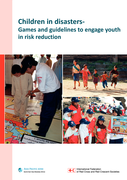
This guideline consists of two main parts:
i.) Guidelines for Red Cross and Red Crescent national societies on how to start up and engage with other stakeholders in country in rolling out disaster risk reduction (DRR) education and awareness activities for children - not only in school, but also ... in the community;
ii.) Games and activities to engage children with key lessons and messages to carry away. With a focus on Southeast Asia, cases from Viet Nam and Indonesia are highlighted. more
i.) Guidelines for Red Cross and Red Crescent national societies on how to start up and engage with other stakeholders in country in rolling out disaster risk reduction (DRR) education and awareness activities for children - not only in school, but also ... in the community;
ii.) Games and activities to engage children with key lessons and messages to carry away. With a focus on Southeast Asia, cases from Viet Nam and Indonesia are highlighted. more


Women and Health Initiative Working Paper No. 1. Women and Health Initiative
Improving maternal health in the context of the sub-Saharan African HIV epidemic requires greater understanding of the relationships between HIV disease and maternal morbidity and mortality, integrated and effective resp ... onses by the health system, and a social context which promotes quality care and encourages use of MCH and HIV services. Advancing the proposed research agenda will make an invaluable contribution by generating needed evidence for policy and practice that improves the maternal health of women who are living with HIV, as well as those who are not. Bringing together maternal health and HIV researchers, policy-makers and program implementers to reduce HIV-related maternal morbidity and mortality and improve the HIV response for women represents an opportunity and a challenge. more
Improving maternal health in the context of the sub-Saharan African HIV epidemic requires greater understanding of the relationships between HIV disease and maternal morbidity and mortality, integrated and effective resp ... onses by the health system, and a social context which promotes quality care and encourages use of MCH and HIV services. Advancing the proposed research agenda will make an invaluable contribution by generating needed evidence for policy and practice that improves the maternal health of women who are living with HIV, as well as those who are not. Bringing together maternal health and HIV researchers, policy-makers and program implementers to reduce HIV-related maternal morbidity and mortality and improve the HIV response for women represents an opportunity and a challenge. more

The five hepatitis viruses have different epidemiological profiles, and their impact, duration, and transmission route also vary. The most common transmission routes contributing to the spread of hepatitis are exposure to infected blood via blood transfusion or unsafe injection practices, consumptio
...
n of contaminated food and drinking water, and transmission from mother to child during pregnancy and delivery. Also, unsafe injection practices, including the use of unsterile needles and syringes, serve as a major pathway for the spread of hepatitis B and C, and reducing transmission of both diseases requires addressing these practices.
more
Policy Brief, Updated in March 2017
Key messages
• Meaningful involvement of sex workers in the HIV response through peer-based education and outreach and consultation in policy making and programme planning is vital to reduce their vulnerability to HIV and other sexually transmitted inf ... ections (STIs) and ensure that the challenges they face are addressed adequately.
• Sex workers (female, transgender and male) have the right to protect their health through accessing comprehensive and evidence-informed HIV and sexual and reproductive health (SRH) interventions.
• Innovative HIV prevention strategies and creative use of combination interventions are needed to reach mobile and ”hard to reach” sex workers. more
Key messages
• Meaningful involvement of sex workers in the HIV response through peer-based education and outreach and consultation in policy making and programme planning is vital to reduce their vulnerability to HIV and other sexually transmitted inf ... ections (STIs) and ensure that the challenges they face are addressed adequately.
• Sex workers (female, transgender and male) have the right to protect their health through accessing comprehensive and evidence-informed HIV and sexual and reproductive health (SRH) interventions.
• Innovative HIV prevention strategies and creative use of combination interventions are needed to reach mobile and ”hard to reach” sex workers. more
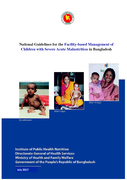
Level of stunting among Bangladeshi children <5years declined from 51% in 2004 to 36% and underweight from 41% in 2007 to 33% (BDHS 2014). But the decrease in wasting rate is not as expected, which is only from 17% to 14.3 % over last decade. Approximately 3.1 % (BDHS 2014) of under-5 children suffering from SAM only b
...
y weight-for-length or height z-score (WHZ) <-3 criterion and estimated to be a total of ~ 450,000. Because, there are no national information on prevalence of SAM using mid upper arm circumference (MUAC) and presence of bipedal oedema in under-5 children, thus the actual number of children suffering from SAM could be much higher than the current estimate.
more
