
Filter
1695
Text search:
vector
Featured
159
458
Language
Document type
658
389
250
124
115
53
39
16
15
13
6
5
4
4
3
Countries
123
65
57
31
30
29
27
22
21
21
21
20
18
18
18
18
17
17
16
16
16
15
15
14
13
12
11
10
10
10
10
10
10
9
9
9
8
7
7
7
7
7
6
6
6
6
6
5
5
5
5
5
5
5
4
4
4
4
4
4
4
3
3
3
3
3
3
3
3
3
3
3
3
3
3
3
3
3
3
2
2
2
2
2
2
2
2
2
2
2
1
1
1
1
1
1
1
1
1
1
1
1
1
1
1
1
1
1
1
1
1
1
1
1
1
1
1
1
1
1
Authors & Publishers
Publication Years
Category
580
134
112
109
26
24
23
Toolboxes
260
183
163
128
117
60
56
46
46
30
22
21
17
16
15
13
12
10
10
9
6
4
4
3
1
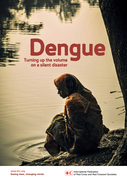
Over the past 50 years, dengue has spread from nine to over a hundred countries, making it the most rapidly spreading vector-borne disease. Yet, dengue continues to have a low profile among policy-makers and donors and does not receive the media att
...
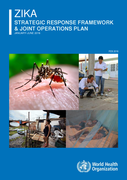
The strategy focuses on mobilizing and coordinating partners, experts and resources to help countries enhance surveillance of the Zika virus and disorders that could be linked to it, improve vector control, effectively communicate risks, guidance an
...
This document provides interim recommendations for the surveillance of Zika virus infection, microcephaly and Guillain-Barré syndrome, in four different contexts and describes reporting requirements to WHO. Transmission refers to vector-borne trans
...
Plague: Knowledge resources for responders
recommended
Plague is a zoonotic disease caused by the bacteria Yersinia pestis, found in small mammals. It is transmitted between animals by their fleas.
The bacteria, the animal reservoir and the vector in a given area are collectively called a “plague n
...

Advances have been made through expanded interventions delivered through five public health approaches: innovative and intensified disease management; preventive chemotherapy; vector ecology and management; veterinary public health services; and the
...
Climate risks have significant effects on public health including: injury, death, communicable diseases such as vector-borne and water-borne diseases, and non-communicable impacts such as malnutrition, heat stress and health effects of air poll
...
The risk of communicable diseases remains a humanitarian concern with major health risks including cholera, acute watery diarrhea, bloody diarrhea, malaria and other vector borne diseases and conditions such as severe acute malnutrition.
Access t
...

Current evidence that the climate is changing is overwhelming. Impacts of climate change and variability are being observed: more intense heat-waves, fires and floods; and increased prevalence of food- water- and vector-borne diseases. Climate chang
...
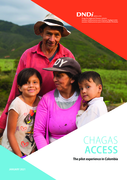
Over 6 million people worldwide are infected with Trypanosoma cruzi, the protozoan that causes Chagas disease. Endemic in 21 Latin American countries, the disease can be transmitted by vector insects called triatomines — also known as “kissing b
...

In South and Central America, lymphatic filariasis (LF) is caused by Wuchereria bancrofti, which is transmitted by Culex quinquefasciatus, the only vector species in this region. Of the seven countries considered endemic for LF in the Americas in t
...

Parasites & Vectors volume 11, Article number: 264 (2018)
Dengue creates a staggering epidemiological and economic burden for endemic countries. Without a specific therapy and with a commercial vaccine that presents some problems relative to its full effectiveness, initiatives to improve
...

PLoS Neglected Tropical Diseases https://doi.org/10.1371/journal.pntd.0004762
This study shows the importance of an integrated entomological and medical surveillance for the evaluation of arboviral disease risk, which is a precondition for designing cost-effective
...
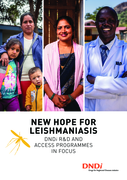
Leishmaniasis is a climate-sensitive disease. Changes in temperature, rainfall, and humidity can have strong impacts on
the sandfly vector, altering their distribution and influencing their survival and population sizes. Increased temperatures shor
...
Gambiense human African trypanosomiasis is a deadly infectious disease affecting West and Central Africa, South Sudan and Uganda, and transmitted between humans by tsetse flies. The disease has caused several major epidemics, the latest one in the 1990s. Thanks to recent innovations such as rapid di
...
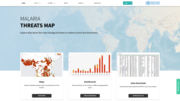
The WHO Malaria Threats Map is an interactive online platform that showcases the latest global data on four critical biological threats to effective malaria control and elimination: mosquito insecticide resistance, Plasmodium falciparum hrp2/3 gene deletions, antimalarial drug resistance, and the
...
Surveillance is a core malaria intervention. Data standards, tools and curricula materials have been developed to support countries to strengthen and monitor national routine surveillance systems and to support use of data for decision-making in all transmission settings. These standards have been d
...
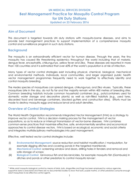
This document outlines the best practices for mosquito control and surveillance in United Nations duty stations affected by mosquito-borne diseases. It sets out an integrated vector management (IVM) approach combining environmental, biological, mech
...
The webpage describes how the Preparedness and Resilience for Emerging Threats (PRET) initiative is being implemented in the Americas to strengthen pandemic preparedness and response. It explains that PRET promotes a unified approach by grouping diseases according to how they spread (such as respira
...
The present book deals not only with emergency response, but also with measures designed to reduce the impact of disasters on environmental health infrastructure, such as water supply and sanitation facilities. It also aims to strengthen the ability of people to withstand the disruption of their acc
...

In the battle against diseases like Zika and dengue, knowledge is power. Climate change is shifting the
distribution of mosquitoes and to new areas. Empowering communities is essential in reaching and pro-
tecting the most vulnerable individuals and households.
...
