
Filter
762
Text search:
World
Stroke
Organization
Featured
87
164
Language
Document type
341
204
107
33
30
19
13
6
5
2
1
1
Countries / Regions
61
56
17
17
14
14
14
13
13
12
9
9
9
8
8
7
7
7
6
6
6
6
5
5
5
5
5
5
5
5
5
4
4
4
3
3
2
2
2
2
2
2
2
2
2
2
2
2
2
2
1
1
1
1
1
1
1
1
1
1
1
1
1
1
1
1
1
1
1
1
1
1
1
1
1
1
Authors & Publishers
Publication Years
Category
260
141
72
22
19
16
3
Toolboxes
126
95
69
51
46
31
20
12
11
7
7
6
6
6
5
4
3
2
2
1
1

Q2: For people with dementia, does memantine, when compared to placebo/comparator, produce benefits/harm in the specified outcomes in non-specialist health settings?
7 February 2019

Accessed: 10.03.2019

Reduced healthy life expectancy due to the high burden of both mental ill health and noncommunicable diseases (NCDs) is a major public health concern in the European Region. The links between mental disorders and major NCDs are well established.
In clinical practice, however, mental disorders in pa
...

Ежегодно табак убивает более 7 миллионов человек (1), то есть ежедневно в результате употребления табака или воздействия вторичного табачного дыма (ВТД) умирает болÐ
...
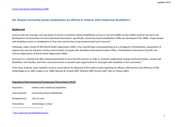
Q4: Should community based rehabilitation be offered to children with intellectual disabilities?
Mental health conditions affect one in 10 people at any one time and account for a large proportion of non-fatal disease burden. There is a high degree of comorbidity between mental health conditions such as depression and other noncommunicable diseases (NCDs), including cardiovascular disease, diab
...

Session outline
•Introduction to epilepsy.
•Assessment of epilepsy.
•Management of epilepsy.
•Follow-up of a person with epilepsy.
•Review or materials and skills.
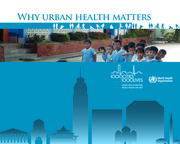
SDG Factsheet: Health-focused urban design can roll back the epidemic of noncommunicable diseases (NCDs), making cities a bedrock for healthy lifestyles – as well as climate-friendly and resilient. WHO’s new Urban Health Initiative provides a model for the health sector to contribute to healthy
...
This report considers how to integrate health into urban planning, investments, and policy decisions, so as to support the implementation and achievement of the goals and objectives of the New Urban Agenda.
HEARTS provides a set of locally adaptable tools for strengthening the
management of CVD in primary health care.
HEARTS is designed to enhance implementation of WHO PEN by providing:
• operational guidance on further integrating CVD management
• technical guidance on evaluating the impact of
...
Technical package for cardiovascular disease management in primary health care.
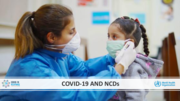
The main finding is that health services have been partially or completely disrupted in many countries. More than half (53%) of the countries surveyed have partially or completely disrupted services for hypertension treatment; 49% for treatment for diabetes and diabetes-related complications; 42% fo
...

A workshop of “first mover” countries to exchange experience and identify wider policy implications for the WHO European Region
The World Health Organization (WHO) European Region continues to
...
Key considerations for the use of law to prevent noncommunicable diseases in the WHO European Region
Report of an intensive legal training and capacity-building workshop on law and noncommunicable diseases (Moscow, 30 May–3 June 2016)
The report summarizes important issues, themes and topics discussed during the meeting in Moscow, ranging from the design and implementation of legislation, reconc
...

The World Health Organization invites clinicians and patients to collect information on COVID-19 in a systematic way and contribute clinical data to the WHO Clinical Platform to expand our knowledge
...
Ethiopia GATS was implemented by Ethiopia Public Health Institute (EPHI) in collaboration with the Ethiopian Food, Medicine, Health Care Administration and Control Authority (FMHACA), CSA, FMOH and the World Health
...
Primary care represents the first level of personal health care services in the community, which ensures accessible, continual,
whole-person care for health needs throughout an individual’s lifespan. Primary care professionals work with patients and
their families to address their immediate and
...
