Filter
1429
Text search:
ebola
response
Featured
173
510
Language
Document type
698
262
210
92
77
37
23
16
7
3
2
1
1
Countries
223
192
122
109
86
52
41
35
32
31
31
27
26
25
24
23
21
19
15
15
13
13
13
12
12
11
10
10
10
10
9
9
9
9
9
8
8
7
6
6
5
5
5
5
5
5
5
4
4
4
4
3
3
3
3
3
2
2
2
2
2
2
2
2
2
2
2
2
1
1
1
1
1
1
1
1
1
1
1
1
1
1
1
1
1
1
1
1
1
1
1
Authors & Publishers
Publication Years
Category
360
108
54
49
35
18
17
3
Toolboxes
488
297
76
48
42
38
37
31
29
24
22
14
14
11
11
11
9
9
9
9
7
6
3
3
2

One of the many gender inequities in the health and care workforce that COVID-19 has exposed is around the fit and design of Personal Protective Equipment (PPE). The rapid onset and scale of COVID-19 led to shortages of PPE in most countries, causing preventable infection and mortality among healthc
...
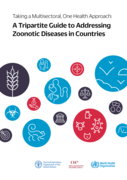
Taking a multisectoral, One Health approach is necessary to address complex health threats at the human-animal-environment interface, such as rabies, zoonotic influenza, anthrax, and Rift Valley fever. Such zoonotic diseases continue to have major impacts on health, livelihoods, and economies, and c
...
This collection of case studies on risk communication and community engagement (RCCE) from 18 different country/area level public health partners in the WHO European Region provides evidence of numerous results achieved and lessons learned since the start of the COVID-19 pandemic. RCCE has not
...

A lot has happened this year. While we continued to tackle the COVID-19 pandemic, we were hit by disease outbreaks and
humanitarian crises. Yet, despite these challenges, we marched on, resolute in resolving critical health systems issues to increase
access to quality healthcare services. To furth
...

This publication is part of WHO 75th anniversary and aims to capture key successes in public health globally and in Namibia. It includes contributory messages from the Head of State, Prime Minister and the Minister of Health and Social Services.

The development of this draft Proposed programme budget 2022–2023 comes at a unique moment for WHO. The world is in the grip of the coronavirus disease (COVID-19) pandemic and faces health, social and economic consequences on an unprecedented scale. Although it is not known when the COVID-19 pande
...

Evidenced-based multidisciplinary collaborative strategies are required to improve global mental health and avert possible catastrophic effects of the COVID-19 pandemic through the effects of economic recessions and social disruptions on already fragile populations with little or no social protectio
...

In an ambitious new era for health development under the 2030 Agenda for Sustainable Development, WHO and
its partners have a solid foundation of success on which to build. Health plays a fundamental role in development
and is the central focus of Sustainable Development Goal 3, “Ensure healthy
...

The International Rescue Committee (IRC) is a leading humanitarian agency dedicated to helping people whose lives have been shattered by conflict and disaster to survive, recover, and gain control of their future. Health comprises nearly half of IRC’s program portfolio globally and encompasses thr
...
This threat assessment addresses the implications of the ongoing Marburg virus disease (MVD) outbreak in
Rwanda for the European Union/European Economic Area (EU/EEA). MVD is a severe disease in humans and,
although uncommon, it has the potential to cause epidemics with significant case fatality.
...

The target audience of this document (and the associated online companion tool) includes WHO country offices in Member States of the African Region; Member States’ ministries of health and their public health emergency operation centres; relevant external assessment teams; and partners looking to
...

This document is a compilation of all questions, justifications, and sources used to determine the 2021 Global Health Security Index scores for Zambia. For a category and indicator-level summary, please see the Country Profile for Zambia.

This manual is designed to provide comprehensive malaria case management training for health workers at all levels, including clinical, nursing, dispensing, laboratory and records staff. The training covers the use of malaria rapid diagnostic tests (RDTs) and the treatment of severe malaria. The fiv
...
Training material and online courses
Recognizing this need and the role of NPHIs in ensuring health security across the continent, the Africa CDC has prioritized the strengthening of NPHIs as a critical pillar of both the New Public Health Order and the Africa CDC Strategic Plan 2023-2027. To aid the realization of this goal, the Afric
...
Progress Report