
Filter
2808
Filtered Results: 2808
Text search:
Save
the
Children
Featured
Recommendations
246
New Publications
850
Language
Document type
No document type
1574
Studies & Reports
454
Guidelines
273
Manuals
185
Strategic & Response Plan
123
Training Material
60
Fact sheets
49
Situation Updates
46
Infographics
18
Resource Platforms
12
Brochures
11
Online Courses
2
Dashboards/Maps
1
Countries / Regions
Global
154
India
100
Nepal
86
Myanmar / Burma
76
Sierra Leone
69
Bangladesh
67
Ethiopia
64
Syria
63
Malawi
59
Kenya
54
Liberia
49
Uganda
48
Nigeria
47
South Africa
38
Haiti
37
South Sudan
36
Ukraine
31
Rwanda
31
Western and Central Europe
31
Congo, Democratic Republic of
30
Mozambique
29
Africa
29
Yemen
28
Tanzania
27
Zambia
26
Venezuela
24
Germany
24
Philippines
21
Latin America and the Carribbean
21
Eastern Europe
19
Indonesia
19
Guinea
18
Burkina Faso
17
Namibia
17
Central African Republic
17
Ghana
16
South–East Asia Region
14
Colombia
12
Senegal
12
Afghanistan
12
Asia
12
Somalia
12
Zimbabwe
11
Cambodia
11
Jordan
11
West and Central Africa
11
Middle East and North Africa
11
Lebanon
11
Brazil
11
Eswatini/ Swaziland
11
Cameroon
10
Thailand
9
Lesotho
9
East and Southern Africa
9
China
7
Côte d’Ivoire / Ivory Coast
7
Vietnam
7
Sri Lanka
7
Russia
7
Sudan
6
Mali
6
Botswana
6
Iraq
6
Pakistan
6
Peru
5
Western Pacific Region
5
Albania
4
Eastern Europe and Central Asia
4
Papua New Guinea
4
Turkey
3
Benin
3
USA
3
Guinea-Bissau
3
Japan
3
Portugal
3
Spain
3
Greece
3
Angola
3
Libya
3
Bhutan
3
Serbia
2
Togo
2
Iran
2
Singapore
2
Kyrgyzstan
2
Burundi
2
Malaysia
2
Italy
2
Croatia
2
Turkmenistan
2
Chad
2
Madagascar
2
Switzerland
1
Timor Leste/ East Timor
1
El Salvador
1
Gambia
1
Kazakhstan
1
Laos
1
Niger
1
Vanuatu
1
Mongolia
1
Hungary
1
Lithuania
1
Saudi Arabia
1
Tunisia
1
United Kingdom
1
Azerbaijan
1
Israel
1
Bosnia and Herzegovina
1
Southern Africa
1
Bolivia
1
Guyana
1
Egypt
1
Palestine
1
Georgia
1
Ecuador
1
Authors & Publishers
Publication Years
Category
Countries
1000
Key Resources
280
Women & Child Health
259
Clinical Guidelines
155
Public Health
127
Capacity Building
60
Pharmacy & Technologies
8
Toolboxes
COVID-19
228
Mental Health
199
HIV
165
Conflict
152
Disability
141
Refugee
121
Planetary Health
95
Natural Hazards
89
Ebola & Marburg
83
Caregiver
69
TB
65
NTDs
49
Global Health Education
49
AMR
42
Rapid Response
40
Health Financing Toolbox
38
2.0 Rapid Response
30
Cholera
29
Pharmacy
27
NCDs
24
Malaria
23
Social Ethics
17
Specific Hazards
15
Zika
13
Polio
9
Typhoon
7
South Sudan
1
In emergency or humanitarian settings, mobile clinics are used to bring essential lifesaving health care to communities affected by crises. Though there are standard emergency benefit packages for health services during emergencies, there are however no agreed or standard way of running mobile clini...

This study was carried out to better understand the local beliefs and practices likely to enhance or hinder efforts to respond to the Ebola Virus Disease outbreak in Liberia.
Financing Global Health 2015 is the seventh edition of IHME’s annual series on global health financing. This report captures trends in development assistance for health (DAH) and government health expenditure as source (GHE-S) in low- and middle-income countries. Annually updated GHE-S and DAH est...

1 June 2020
Countries around the world are facing the challenge of increased demand for care of people with COVID-19, compounded by fear, misinformation and limitations on movement that disrupt the delivery of health care for all conditions. Maintaining essential health services: operational guidan...
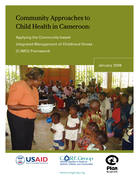
CCC and OECTA Partnership Teaching Resource
Equity and Inclusion: Through the Lens of the Catholic Social Teachings
accessed on 16 July 2020
DHS Working Paper No. 133
Masangane Case Study
The Vesper Society commissioned ARHAP to do research on the integrated Masangane HIV/AIDS programme affiliated with the Moravian Church in Eastern Cape, South Africa. Completed in 2006, this study aimed to understand the role of the religious health assets of the Masangane ART ...
This training and guidance module addresses the use of coercive and violent practices in mental health and related services with a particular focus on seclusion and restraint. It aims to promote a greater understanding of why these practices are used and build practical skills to help end these prac...

Every day, schools engage in numerous activities that help promote the health and well-being of students, families, and communities. There is clear evidence of the benefits of the health-promoting schools (HPS) approach, not only for improving overall health outcomes (physical, mental, and social) i...

Food and nutrition security in the Democratic Republic of the Congo is subject to the relentless impact of conflict, epidemics and climate events that have persisted in the country for decades, further compounded by the global COVID-19 pandemic. Lack of infrastructure and investment in agriculture, ...

UNAIDS Joint United Nations Programme on HIV/AIDS

Reusing a legacy interactive audio instruction (IAI) program to provide education in a humanitarian crisis is a quick solution and a smart use of previous investments (“Learning in the Time of Ebola”). This article highlights and advises on the issues that relate to adapting and updating previou...
Integritas 4.3 (Fall 2014), pp. 1-30.
doi: 10.6017/integritas.v4i3p1
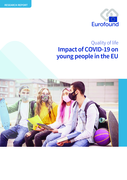
Following a long recovery from the economic crisis (2007–2013), young people in the EU proved to be more vulnerable to the effects of the restrictions put in place to slow the spread of the COVID-19 pandemic. Young people were more likely than older groups to experience job loss, financial insecur...
