
Filter
1331
Text search:
D.
Grant
Featured
94
335
Language
1194
97
41
38
13
10
9
5
3
3
3
3
3
2
2
2
2
2
2
1
1
1
1
1
1
1
1
1
1
1
1
1
1
1
1
1
1
1
Document type
713
360
138
58
26
18
11
5
1
1
Countries
67
58
51
40
36
32
31
26
23
21
20
20
20
19
19
18
17
14
14
14
14
13
13
12
12
11
11
11
11
8
8
8
8
8
7
7
7
7
7
7
6
6
6
6
6
5
5
5
5
5
5
5
4
4
4
4
4
3
3
3
3
3
3
3
3
2
2
2
2
2
2
2
2
2
2
2
2
2
1
1
1
1
1
1
1
1
1
1
1
1
1
1
1
1
1
1
1
1
1
1
1
1
1
Authors & Publishers
115
64
43
27
21
20
16
16
15
14
13
9
9
8
8
8
7
7
7
6
6
6
5
5
5
5
5
5
5
5
5
5
4
4
4
4
4
4
4
4
4
4
4
4
3
3
3
3
3
3
3
3
3
3
3
3
3
3
3
3
3
3
3
3
3
2
2
2
2
2
2
2
2
2
2
2
2
2
2
2
2
2
2
2
2
2
2
2
2
2
2
2
2
2
2
2
2
2
2
2
2
2
2
2
2
2
2
2
2
2
2
2
2
2
2
2
2
2
2
2
2
2
2
2
2
2
2
2
2
2
2
2
2
2
2
2
2
2
2
2
2
2
2
2
2
2
2
2
2
2
2
2
2
2
2
2
2
2
1
1
1
1
1
1
1
1
1
1
1
1
1
1
1
1
1
1
1
1
1
1
1
1
1
1
1
1
1
1
1
1
1
1
1
1
1
1
1
1
1
1
1
1
1
1
1
1
1
1
1
1
1
1
1
1
1
1
1
1
1
1
1
1
1
1
1
1
1
1
1
1
1
1
1
1
1
1
1
1
1
1
1
1
1
1
1
1
1
1
1
1
1
1
1
1
1
1
1
1
1
1
1
1
1
1
1
1
1
1
1
1
1
1
1
1
1
1
1
1
1
1
1
1
1
1
1
1
1
1
1
1
1
1
1
1
1
1
1
1
1
1
1
1
1
1
1
1
1
1
1
1
1
1
1
1
1
1
1
1
1
1
1
1
1
1
1
1
1
1
1
1
1
1
1
1
1
1
1
1
1
1
1
1
1
1
1
1
1
1
1
1
1
1
1
1
1
1
1
1
1
1
1
1
1
1
1
1
1
1
1
1
1
1
1
1
1
1
1
1
1
1
1
1
1
1
1
1
1
1
1
1
1
1
1
1
1
1
1
1
1
1
1
1
1
1
1
1
1
1
1
1
1
1
1
1
1
1
1
1
1
1
1
1
1
1
1
1
1
1
1
1
1
1
1
1
1
1
1
1
1
1
1
1
1
1
1
1
1
1
1
1
1
1
1
1
1
1
1
1
1
1
1
1
1
1
1
1
1
1
1
1
1
1
1
1
1
1
1
1
1
1
1
1
1
1
1
1
1
1
1
1
1
1
1
1
1
1
1
1
1
1
1
1
1
1
1
1
1
1
1
1
1
1
1
1
1
1
1
1
1
1
1
1
1
1
1
1
1
1
1
1
1
1
1
1
1
1
1
1
1
1
1
1
1
1
1
1
1
1
1
1
1
1
1
1
1
1
1
1
1
1
1
1
1
1
1
1
1
1
1
1
1
1
1
1
1
1
1
1
1
1
1
1
1
1
1
1
1
1
1
1
1
1
1
1
1
1
1
1
1
1
1
1
1
1
1
1
1
1
1
1
1
1
1
1
1
1
1
1
1
1
1
1
1
1
1
1
1
1
1
1
1
1
1
1
1
1
1
1
1
1
1
1
1
1
1
1
1
1
1
1
1
1
1
1
1
1
1
1
1
1
1
1
1
1
1
1
1
1
1
1
1
1
1
1
1
1
1
1
1
1
1
1
1
1
1
1
1
1
1
1
1
1
1
1
1
1
1
1
1
1
1
1
1
1
1
1
1
1
1
1
1
1
1
1
1
1
1
1
1
1
1
1
1
1
1
1
1
1
1
1
1
1
1
1
1
1
1
1
1
1
1
1
1
1
1
1
1
1
1
1
1
1
1
1
1
1
1
1
1
1
1
1
1
1
1
1
1
1
1
1
1
1
1
1
1
1
1
1
1
1
1
1
1
1
1
1
1
1
1
1
1
1
1
1
1
1
1
1
1
1
1
1
1
1
1
1
1
1
1
1
1
1
1
1
1
1
1
1
1
1
1
1
1
1
1
1
1
1
1
1
1
1
1
1
1
1
1
1
1
1
1
1
1
1
1
1
1
1
1
1
1
1
1
1
1
1
1
1
1
1
1
1
1
1
1
1
1
1
1
1
1
1
1
1
1
1
1
1
1
1
1
1
1
1
1
1
1
1
1
1
1
1
1
1
1
1
1
1
1
1
1
1
1
1
1
1
1
1
1
1
1
1
1
1
1
1
1
1
1
1
1
1
1
1
1
1
1
1
1
1
1
1
1
1
1
1
1
1
1
1
1
1
1
1
1
1
1
1
1
1
1
1
1
1
1
1
1
1
1
1
1
1
1
1
1
1
1
1
1
1
1
1
1
1
1
1
1
1
1
1
1
1
1
1
1
1
1
1
1
1
1
1
1
1
1
1
1
1
1
1
1
1
1
1
1
1
1
1
1
1
1
1
1
1
1
1
1
1
1
1
1
1
1
1
1
1
1
1
1
1
1
1
1
1
1
1
1
1
1
1
1
1
1
1
1
1
1
1
1
1
1
1
1
1
1
1
1
1
1
1
1
1
1
1
1
1
1
1
1
1
1
1
1
1
1
1
1
1
1
1
1
1
1
1
1
1
1
1
1
1
1
1
1
1
1
1
1
1
1
1
1
1
1
1
1
1
1
1
1
1
1
1
1
1
1
1
1
1
1
1
1
1
1
1
1
1
1
1
1
1
1
1
1
1
1
1
1
1
1
1
1
1
1
1
1
1
1
1
1
1
1
1
1
1
1
1
1
1
1
1
1
1
1
1
1
1
1
1
1
1
1
1
1
1
1
1
1
1
1
1
1
1
1
1
1
1
1
1
1
1
1
1
1
1
1
1
1
1
1
1
1
1
1
1
1
1
1
1
1
1
1
1
1
1
1
1
1
1
1
1
1
1
1
1
1
1
1
1
1
1
1
1
1
1
1
1
1
1
1
1
1
1
1
1
1
1
1
1
1
1
1
1
1
1
1
1
1
1
1
1
1
1
1
1
1
1
1
1
1
1
1
1
1
1
1
1
1
1
1
1
1
1
1
1
1
1
1
1
1
1
1
1
1
1
1
1
1
1
1
1
1
1
1
1
1
1
1
1
1
1
1
1
1
1
1
1
1
1
1
1
1
1
1
1
1
1
1
1
1
1
1
1
1
1
1
1
1
1
1
1
1
1
1
1
1
1
1
1
1
1
1
1
1
1
1
1
1
1
1
1
1
1
1
1
1
1
1
1
1
1
1
1
1
1
1
1
1
1
1
1
1
1
1
1
1
1
1
1
1
1
1
1
1
1
1
1
1
1
1
1
1
1
1
1
1
1
1
1
1
1
1
1
1
1
1
1
1
1
1
1
1
1
1
1
1
1
1
1
1
1
1
1
1
1
1
1
1
1
1
1
1
1
1
1
1
1
1
1
1
1
1
1
1
1
1
1
1
1
1
1
1
1
1
1
1
1
1
1
1
1
1
1
1
1
1
1
1
1
1
1
1
1
1
1
1
1
1
1
1
1
1
1
1
1
1
1
1
1
1
1
1
1
1
1
1
1
1
1
1
1
1
1
1
1
1
1
1
1
1
1
1
1
1
1
1
1
1
1
1
1
1
1
1
1
1
1
1
1
1
1
1
1
1
1
1
1
1
1
1
1
1
1
1
1
1
1
1
1
1
1
1
1
1
1
1
1
1
1
1
1
1
1
1
1
1
1
1
1
1
1
1
1
1
1
1
1
1
1
1
1
1
1
1
1
1
1
1
1
1
1
1
1
1
1
1
1
1
1
1
1
1
1
1
1
1
1
1
1
1
1
1
1
1
1
1
1
1
1
1
1
1
1
1
1
1
1
1
1
1
1
Publication Years
369
841
110
8
1
1
1
Category
538
71
67
63
51
28
11
Toolboxes
110
104
81
62
49
49
49
49
47
42
28
26
26
20
19
18
18
18
13
12
9
6
4
3
2

The objective of this paper is to summarise and critically review the available data about onchocerciasis in Mozambique, in order to report epidemiological and clinical aspects related to the disease and identify gaps in knowledge. The paper is intended to raise awareness of the existence and import
...
ance of this disease and to define research priorities
more

Battling the Storm: Study on Cyclone Resistant Housing, 2nd ed.
Haq, Bashirul; Chattopadhayay-Dutt, Purnima
Bangladesh Red Crescent Society , German Red Cross
(2007)
C1
The coastal regions of Bangladesh are hit by cyclones regularly. The country has evolved, in the face of repetitious calamities, a disaster preparedness programme. The major response to cyclones has been the building of cyclone shelters, which also double as community centers and schools. While thes
...
e cyclone shelters have proved to be useful, they are more in the nature of disaster management, that is, they are measures that come in useful particularly in the event of a cyclone. The approach of this study has been to look at existing houses and the process of building and maintaining these houses in the face of frequent cyclonic storms and storm surges, and gather information on shared knowledge and collective experiences of the people in all aspects of house building. The aim of this study is to find ways to make traditional structures more cyclone resistant and less prone to wind damage.
more

The Myanmar National Framework seeks to achieve people-centered, inclusive, and sustainable socioeconomic development in the face of disasters triggered by natural hazards and climate change. The framework articulates a common understanding, proposes a coherent approach, and identifies potential opp
...
ortunities for strengthening the resilience of communities in Myanmar.
more
more
Surveys are needed to guide trachoma control efforts in Mozambique, with WHO guidelines for intervention based on the prevalence of trachomatous inflammation–follicular (TF) in children aged 1–9 years and the prevalence of trichiasis in adults aged 15 years and above. We conducted surveys to com
...
plete the map of trachoma prevalence in Mozambique, concluding that it still represents a significant public health problem in many areas of Mozambique.
more
This study consists of a descriptive analysis of M. tuberculosis isolates from Beira Central Hospital, Mozambique, during 2014–2015, being the first report of a genotypic testing used to provide information about second line drug resistance in Mozambique.
BMC Infectious Diseases (2016) 16:423 DO
...
I 10.1186/s12879-016-1766-x
more
International Journal of Drug Policy 24 (2013) e91-98

This study aimed to estimate the proportion of Mozambicans eligible for pharmacological treatment for hypertension according to single risk factor and total cardiovascular risk approaches. It concluded that a total of 19.8% of 40–64-year-olds would be eligible for pharmacological treatment of hype
...
rtension according to the WHO guidelines, all of whom had SBP/DBP at least 160/100 mmHg.
more

The Lancet Global Health, Vol. 6, No. 10 Published: August 29, 2018

Human Resources for Health201816:49; https://doi.org/10.1186/s12960-018-0315-7

Assistive Technologies in a Workplace Environment: Barriers for the Employment of Persons with Disabilities
Maria Jakovljevic & Sheryl Buckley
Disability, CBR & Inclusive Development Journal (DCIDJ)
(2011)
CC

WHO, in partnership with the International Society for Prosthetics and Orthotics (ISPO) and the United States Agency for International Development (USAID), has published global standards for prosthetics and orthotics. Its aim is to ensure that prosthetics and orthotics services are people-centred an
...
d responsive to every individual’s personal and environmental needs. The standards advocate for the integration of prosthetics and orthotics services into health services, under universal health coverage. Implementation of these standards will support countries to fulfil their obligations under the Convention on the Rights of Persons with Disabilities and towards the Sustainable Development Goals, in particular Goal 3: Ensure healthy lives and promote well-being for all at all ages.
The standards provide guidance on the development of national policies, plans and programmes for prosthetics and orthotics services of the highest standard. The standards are divided into two documents: the standards and an implementation manual. Both documents cover four areas of the health system:
policy (governance, financing and information);
products (prostheses and orthoses);
personnel (workforce);
and provision of services.
The Standards have been developed through consultation with experts from around the globe via a steering group, development group and external review group.
more




It provides insight into WHO’s work that aims to improve the health of the people of the United Republic of Tanzania in collaboration with key stakeholders.

Outstanding child and adolescent TB priorities include the need to: find the missing children with active TB and link them to TB care; prevent TB in children who are in contact with infectious TB cases (through implementation of active contact investigation and provision of preventive treatment); an
...
d advance integration within general child health services, including maternal and child health/ reproductive, maternal, newborn, child and adolescent health, HIV, nutrition and other programmes.
more

This research report provided results from the study of living conditions among people with functional limitation in Mozambique. Two comparative studies of different indicators of living conditions were carried out. These studies include: (i) a comparative study of households with and without family
...
member(s) with functional limitation and (ii) a comparative study of individuals with and without functional limitation. In addition, a detailed study that specifically addresses the situation of individuals with functional limitation was also conducted. The Mozambique study was undertaken in 2007 – 2008.
more
STUDY REPORT | This study of the impact of the Nepal earthquake of 25 April, 2015, aims to understand the impact factors leading to the exclusion of older people and persons with disabilities from humanitarian action, barriers to their inclusion, and the extent to which their skills and knowledge we
...
re utilised to promote inclusive humanitarian action and, using this understanding, to formulate a set of recommendations for promoting inclusion. These recommendations will be used to sensitise the broader humanitarian community to the need for inclusive disaster risk management practices in future emergency responses which pay attention to factors such as gender, age, disability and ethnicity, and build upon the capacities of older people and persons with disabilities.
more
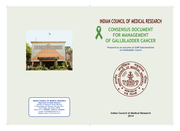
Prepared as an outcome of ICMR Subcommittee on Gastric Cancer | This consensus document on Management of Gallbladder cancers summarizes the modalities of treatment including the site-specific anti-cancer therapies, supportive and palliative care and molecular markers and research questions. It also
...
interweaves clinical, biochemical and epidemiological studies.
more
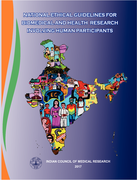
These guidelines are applicable to all biomedical, social and behavioural science research for health conducted in India involving human participants, their biological material and data.
The purpose of such research should be: i. directed towards enhancing knowledge about the human condition while
...
maintaining sensitivity to the Indian cultural, social and natural environment; ii. conducted under conditions such that no person or persons become mere means for the betterment of others and that human beings who are participating in any biomedical and/or health research or scientific experimentation are dealt with in a manner conducive to and consistent with their dignity and well-being, under conditions of professional fair treatment and transparency; and iii. subjected to a regime of evaluation at all stages of the research, such as design, conduct and reporting of the results thereof.
more
