
Filter
5206
Text search:
HIV
services
Featured
511
1557
Language
4805
284
92
88
45
38
32
17
12
12
11
9
8
7
7
5
5
5
4
4
4
4
3
3
3
3
3
3
3
3
3
2
2
2
2
2
2
2
2
2
2
1
1
1
1
1
1
1
1
1
1
1
1
1
1
1
1
1
1
Document type
3060
792
623
241
178
106
104
36
27
14
12
2
1
1
1
Countries
244
204
178
173
142
134
130
118
111
108
105
104
102
87
81
77
76
74
67
66
57
56
54
54
50
48
48
47
47
41
39
39
34
33
30
28
25
24
23
21
21
20
19
18
17
16
15
15
15
15
14
12
12
11
9
9
9
9
8
7
7
6
6
6
6
6
5
5
5
5
5
5
5
4
4
4
4
4
3
3
3
3
3
3
3
3
3
3
3
3
2
2
2
2
2
2
2
2
2
2
2
2
2
2
2
2
2
2
2
2
2
1
1
1
1
1
1
1
1
1
1
1
1
1
1
1
1
1
1
1
1
1
1
1
1
1
1
1
1
Authors & Publishers
593
236
163
138
122
119
108
100
68
60
52
42
41
38
36
33
30
30
29
27
27
24
24
24
24
22
22
22
22
22
21
21
21
20
20
20
19
19
17
17
16
15
14
14
14
14
14
14
13
13
12
12
12
12
12
12
12
11
11
10
10
10
10
10
10
10
10
10
10
10
10
10
10
9
9
9
9
9
9
9
9
9
9
9
9
9
9
9
9
8
8
8
8
8
8
8
8
8
8
8
7
7
7
7
7
7
7
7
7
7
7
7
7
7
6
6
6
6
6
6
6
6
6
6
6
6
6
6
6
6
6
6
6
6
6
6
6
6
5
5
5
5
5
5
5
5
5
5
5
5
5
5
5
5
5
5
5
5
5
5
5
5
5
5
5
5
5
5
5
5
5
5
5
5
5
5
5
5
5
5
4
4
4
4
4
4
4
4
4
4
4
4
4
4
4
4
4
4
4
4
4
4
4
4
4
4
4
4
4
4
4
4
4
4
4
4
4
4
4
4
4
4
4
4
4
4
4
4
4
4
4
4
4
4
4
4
4
4
4
4
4
4
4
4
4
4
3
3
3
3
3
3
3
3
3
3
3
3
3
3
3
3
3
3
3
3
3
3
3
3
3
3
3
3
3
3
3
3
3
3
3
3
3
3
3
3
3
3
3
3
3
3
3
3
3
3
3
3
3
3
3
3
3
3
3
3
3
3
3
3
3
3
3
3
3
3
3
3
3
3
3
3
3
3
3
3
3
3
3
3
3
3
3
3
3
3
3
3
3
3
3
3
3
3
3
3
3
3
3
3
3
3
3
3
3
3
3
3
2
2
2
2
2
2
2
2
2
2
2
2
2
2
2
2
2
2
2
2
2
2
2
2
2
2
2
2
2
2
2
2
2
2
2
2
2
2
2
2
2
2
2
2
2
2
2
2
2
2
2
2
2
2
2
2
2
2
2
2
2
2
2
2
2
2
2
2
2
2
2
2
2
2
2
2
2
2
2
2
2
2
2
2
2
2
2
2
2
2
2
2
2
2
2
2
2
2
2
2
2
2
2
2
2
2
2
2
2
2
2
2
2
2
2
2
2
2
2
2
2
2
2
2
2
2
2
2
2
2
2
2
2
2
2
2
2
2
2
2
2
2
2
2
2
2
2
2
2
2
2
2
2
2
2
2
2
2
2
2
2
2
2
2
2
2
2
2
2
2
2
2
2
2
2
2
2
2
2
2
2
2
2
2
2
2
2
2
2
2
2
2
2
2
2
2
2
2
2
2
2
2
2
2
2
2
2
2
2
2
2
2
2
2
2
2
2
2
2
2
2
2
2
2
2
2
2
2
2
2
2
2
2
2
2
2
2
2
2
2
2
2
2
2
2
2
2
2
2
2
2
2
2
2
2
2
2
2
2
2
2
2
2
2
2
2
2
2
2
2
2
2
2
2
2
2
2
2
2
2
2
2
2
2
2
2
2
2
2
2
2
2
2
2
2
2
2
2
2
2
2
1
1
1
1
1
1
1
1
1
1
1
1
1
1
1
1
1
1
1
1
1
1
1
1
1
1
1
1
1
1
1
1
1
1
1
1
1
1
1
1
1
1
1
1
1
1
1
1
1
1
1
1
1
1
1
1
1
1
1
1
1
1
1
1
1
1
1
1
1
1
1
1
1
1
1
1
1
1
1
1
1
1
1
1
1
1
1
1
1
1
1
1
1
1
1
1
1
1
1
1
1
1
1
1
1
1
1
1
1
1
1
1
1
1
1
1
1
1
1
1
1
1
1
1
1
1
1
1
1
1
1
1
1
1
1
1
1
1
1
1
1
1
1
1
1
1
1
1
1
1
1
1
1
1
1
1
1
1
1
1
1
1
1
1
1
1
1
1
1
1
1
1
1
1
1
1
1
1
1
1
1
1
1
1
1
1
1
1
1
1
1
1
1
1
1
1
1
1
1
1
1
1
1
1
1
1
1
1
1
1
1
1
1
1
1
1
1
1
1
1
1
1
1
1
1
1
1
1
1
1
1
1
1
1
1
1
1
1
1
1
1
1
1
1
1
1
1
1
1
1
1
1
1
1
1
1
1
1
1
1
1
1
1
1
1
1
1
1
1
1
1
1
1
1
1
1
1
1
1
1
1
1
1
1
1
1
1
1
1
1
1
1
1
1
1
1
1
1
1
1
1
1
1
1
1
1
1
1
1
1
1
1
1
1
1
1
1
1
1
1
1
1
1
1
1
1
1
1
1
1
1
1
1
1
1
1
1
1
1
1
1
1
1
1
1
1
1
1
1
1
1
1
1
1
1
1
1
1
1
1
1
1
1
1
1
1
1
1
1
1
1
1
1
1
1
1
1
1
1
1
1
1
1
1
1
1
1
1
1
1
1
1
1
1
1
1
1
1
1
1
1
1
1
1
1
1
1
1
1
1
1
1
1
1
1
1
1
1
1
1
1
1
1
1
1
1
1
1
1
1
1
1
1
1
1
1
1
1
1
1
1
1
1
1
1
1
1
1
1
1
1
1
1
1
1
1
1
1
1
1
1
1
1
1
1
1
1
1
1
1
1
1
1
1
1
1
1
1
1
1
1
1
1
1
1
1
1
1
1
1
1
1
1
1
1
1
1
1
1
1
1
1
1
1
1
1
1
1
1
1
1
1
1
1
1
1
1
1
1
1
1
1
1
1
1
1
1
1
1
1
1
1
1
1
1
1
1
1
1
1
1
1
1
1
1
1
1
1
1
1
1
1
1
1
1
1
1
1
1
1
1
1
1
1
1
1
1
1
1
1
1
1
1
1
1
1
1
1
1
1
1
1
1
1
1
1
1
1
1
1
1
1
1
1
1
1
1
1
1
1
1
1
1
1
1
1
1
1
1
1
1
1
1
1
1
1
1
1
1
1
1
1
1
1
1
1
1
1
1
1
1
1
1
1
1
1
1
1
1
1
1
1
1
1
1
1
1
1
1
1
1
1
1
1
1
1
1
1
1
1
1
1
1
1
1
1
1
1
1
1
1
1
1
1
1
1
1
1
1
1
1
1
1
1
1
1
1
1
1
1
1
1
1
1
1
1
1
1
1
1
1
1
1
1
1
1
1
1
1
1
1
1
1
1
1
1
1
1
1
1
1
1
1
1
1
1
1
1
1
1
1
1
1
1
1
1
1
1
1
1
1
1
1
1
1
1
1
1
1
1
1
1
1
1
1
1
1
1
1
1
1
1
1
1
1
1
1
1
1
1
1
1
1
1
1
1
1
1
1
1
1
1
1
1
1
1
1
1
1
1
1
1
1
1
1
1
1
1
1
1
1
1
1
1
1
1
1
1
1
1
1
1
1
1
1
1
1
1
1
1
1
1
1
1
1
1
1
1
1
1
1
1
1
1
1
1
1
1
1
1
1
1
1
1
1
1
1
1
1
1
1
1
1
1
1
1
1
1
1
1
1
1
1
1
1
1
1
1
1
1
1
1
1
1
1
1
1
1
1
1
1
1
1
1
1
1
1
1
1
1
1
1
1
1
1
1
1
1
1
1
1
1
1
1
1
1
1
1
1
1
1
1
1
1
1
1
1
1
1
1
1
1
1
1
1
1
1
1
1
1
1
1
1
1
1
1
1
1
1
1
1
1
1
1
1
1
1
1
1
1
1
1
1
1
1
1
1
1
1
1
1
1
1
1
1
1
1
1
1
1
1
1
1
1
1
1
1
1
1
1
1
1
1
1
1
1
1
1
1
1
1
1
1
1
1
1
1
1
1
1
1
1
1
1
1
1
1
1
1
1
1
1
1
1
1
1
1
1
1
1
1
1
1
1
1
1
1
1
1
1
1
1
1
1
1
1
1
1
1
1
1
1
1
1
1
1
1
1
1
1
1
1
1
1
1
1
1
1
1
1
1
1
1
1
1
1
1
1
1
1
1
1
1
1
1
1
1
1
1
1
1
1
1
1
1
1
1
1
1
1
1
1
1
1
1
1
1
1
1
1
1
1
1
1
1
1
1
1
1
1
1
1
1
1
1
1
1
1
1
1
1
1
1
1
1
1
1
1
1
1
1
1
1
1
1
1
1
1
1
1
1
1
1
1
1
1
1
1
1
1
1
1
1
1
1
1
1
1
1
1
1
1
1
1
1
1
1
1
1
1
1
1
1
1
1
1
1
1
1
1
1
1
1
1
1
1
1
1
1
1
1
1
1
1
1
1
1
1
1
1
1
1
1
1
1
1
1
1
1
1
1
1
1
1
1
1
1
1
1
1
1
1
1
1
1
1
1
1
1
1
1
1
1
1
1
1
1
1
1
1
1
1
1
1
1
1
1
1
1
1
1
1
1
1
1
1
1
1
1
1
1
1
1
1
1
1
1
1
1
1
1
1
1
1
1
1
1
1
1
1
1
1
1
1
1
1
1
1
1
1
1
1
1
1
1
1
1
1
1
1
1
1
1
1
1
1
1
1
1
1
1
1
1
1
1
1
1
1
1
1
1
1
1
1
1
1
1
1
1
1
1
1
1
1
1
1
1
1
1
1
1
1
1
1
1
1
1
1
1
1
1
1
1
1
1
1
1
1
1
1
1
1
1
1
1
1
1
1
1
1
1
1
1
1
1
1
1
1
1
1
1
1
1
1
1
1
1
1
1
1
1
1
1
1
1
1
1
1
1
1
1
1
1
1
1
1
1
1
1
1
1
1
1
1
1
1
1
1
1
1
1
1
1
1
1
1
1
1
1
1
1
1
1
1
1
1
1
1
1
1
1
1
1
1
1
1
1
1
1
1
1
1
1
1
1
1
1
1
1
1
1
1
1
1
1
1
1
1
1
1
1
1
1
1
1
1
1
1
1
1
1
1
1
1
1
1
1
1
1
1
1
1
1
1
1
1
1
1
1
1
1
1
1
1
1
1
1
1
1
1
1
1
1
1
1
1
1
1
1
1
1
1
1
1
1
1
1
1
1
1
1
1
1
1
1
1
1
1
1
1
1
1
1
1
1
1
1
1
1
1
1
1
1
1
1
1
1
1
1
1
1
1
1
1
1
1
1
1
1
1
1
1
1
1
1
1
1
1
1
1
1
1
1
1
1
1
1
1
1
1
1
1
1
1
1
1
1
1
1
1
1
1
1
1
1
1
1
1
1
1
1
1
1
1
1
1
1
1
1
1
1
1
1
1
1
1
1
1
1
1
1
1
1
1
1
1
1
1
1
1
1
1
1
1
1
1
1
1
1
1
1
1
1
1
1
1
1
1
1
1
1
1
1
1
1
1
1
1
1
1
1
1
1
1
1
1
1
1
1
1
1
1
1
1
1
1
1
1
1
1
1
1
1
1
1
1
1
1
1
1
1
1
1
1
1
1
1
1
1
1
1
1
1
1
1
1
1
1
1
1
1
1
1
1
1
1
1
1
1
1
1
1
1
1
1
1
1
1
1
1
1
1
1
1
1
1
1
1
1
1
1
1
1
1
1
1
1
1
1
1
1
1
1
1
1
1
1
1
1
1
1
1
1
1
1
1
1
1
1
1
1
1
1
1
1
1
1
1
1
1
1
1
1
1
1
1
1
1
1
1
1
1
1
1
1
1
1
1
1
1
1
1
1
1
1
1
1
1
1
1
1
1
1
1
1
1
1
1
1
1
1
1
1
1
1
1
1
1
1
1
1
1
1
1
1
1
1
1
1
1
1
1
1
1
1
1
1
1
1
1
1
1
1
1
1
1
1
1
1
1
1
1
1
1
1
1
1
1
1
1
1
1
1
1
1
1
1
1
1
1
1
1
1
1
1
1
1
1
1
1
1
1
1
1
1
1
1
1
1
1
1
1
1
1
1
1
1
1
1
1
1
1
1
1
1
1
1
1
1
1
1
1
1
1
1
1
1
1
1
1
1
1
1
1
1
1
1
1
1
1
1
1
1
1
1
1
1
1
1
1
1
1
1
1
1
1
1
1
1
1
1
1
1
1
1
1
1
1
1
1
1
1
1
1
1
1
1
1
1
1
1
1
1
1
1
1
1
1
1
1
1
1
1
1
1
1
1
1
1
1
1
1
1
1
1
1
1
1
1
1
1
1
1
1
1
1
1
1
1
1
1
1
1
1
1
1
1
1
1
1
1
1
1
1
1
1
1
1
1
1
1
1
1
1
1
1
1
1
1
1
1
1
1
1
1
1
1
1
1
1
1
1
1
1
1
1
1
1
1
1
1
1
1
1
1
1
1
1
1
1
1
1
1
1
1
1
1
1
1
1
1
1
1
1
1
1
1
1
1
1
1
1
1
1
1
1
1
1
1
1
1
1
1
1
1
1
1
1
1
1
1
1
1
1
1
1
1
1
1
1
1
1
1
1
1
1
1
1
1
1
1
1
1
1
1
1
1
1
1
1
1
1
1
1
1
1
1
1
1
1
1
1
1
1
1
1
1
1
1
1
1
1
1
1
1
1
1
1
1
1
1
1
1
1
1
1
1
1
1
1
1
1
1
1
1
1
1
1
1
1
1
1
1
1
1
1
1
1
1
1
1
1
1
1
1
1
1
1
1
1
1
1
1
1
1
1
1
1
1
1
1
1
1
1
1
1
1
1
1
1
1
1
1
1
1
1
1
1
1
1
1
1
1
1
1
1
1
1
1
1
1
1
1
1
1
1
1
1
1
1
1
1
1
1
1
1
1
1
1
1
1
1
1
1
1
1
1
1
1
1
1
1
1
1
1
1
1
1
1
1
1
1
1
1
1
1
1
1
1
1
1
1
1
1
1
1
1
1
1
1
1
1
1
1
1
1
1
1
1
1
1
1
1
1
1
1
1
1
1
1
1
1
1
1
1
1
1
1
1
1
1
1
1
1
1
1
1
1
1
1
1
1
1
1
1
1
1
1
1
1
1
1
1
1
1
1
1
1
1
1
1
1
1
1
1
1
1
1
1
1
1
1
1
1
1
1
1
1
1
1
1
1
1
1
1
1
1
1
1
1
1
1
1
1
1
1
1
1
1
1
1
1
1
1
1
1
1
1
1
1
1
1
1
1
1
1
1
1
1
1
1
1
1
1
1
1
1
1
1
1
1
1
1
1
1
1
1
1
1
1
1
1
1
1
1
1
1
1
1
1
1
1
1
1
1
1
1
1
1
1
1
1
1
1
1
1
1
1
1
1
1
1
1
1
1
1
1
1
1
1
1
1
1
1
1
1
1
1
1
1
1
1
1
1
1
1
1
1
1
1
1
1
1
1
1
1
1
1
1
1
1
1
1
1
1
1
1
1
1
1
1
1
1
1
1
1
1
1
1
1
1
1
1
1
1
1
1
1
1
1
1
1
1
1
1
1
1
1
1
1
1
1
1
1
1
1
1
1
1
1
1
1
1
1
1
1
1
1
1
1
1
1
1
1
1
1
1
1
1
1
1
1
1
1
1
1
1
1
1
1
1
1
1
1
1
1
1
1
1
1
1
1
1
1
1
1
1
1
1
1
1
1
1
1
1
1
1
1
1
1
1
1
1
1
1
1
1
1
1
1
1
1
1
1
1
1
1
1
1
1
1
1
1
1
1
1
1
1
1
1
1
1
1
1
1
1
1
1
1
1
1
1
1
1
1
1
1
1
1
1
1
1
1
1
1
1
1
1
1
1
1
1
1
1
1
1
1
1
1
1
1
1
1
1
1
1
1
1
1
1
1
1
1
1
1
1
1
1
1
1
1
1
1
1
1
1
1
1
1
1
1
1
1
1
1
1
1
1
1
1
1
1
1
1
1
1
1
1
1
1
1
1
1
1
1
1
1
1
1
1
1
1
1
1
1
1
1
1
1
1
1
1
1
1
1
1
1
1
1
1
1
1
1
1
1
1
1
1
1
1
1
1
1
1
1
1
1
1
1
1
1
1
1
1
1
1
1
1
1
1
1
1
1
1
1
1
1
1
1
1
1
1
1
1
1
1
1
1
1
1
1
1
1
1
1
1
1
1
1
1
1
1
1
1
1
1
1
1
1
1
1
1
1
1
1
1
1
1
1
1
1
1
1
1
1
1
1
1
1
1
1
1
1
1
1
1
1
1
1
1
1
1
1
1
1
1
1
1
1
1
1
1
1
1
1
1
1
1
1
1
1
1
1
1
1
1
1
1
1
1
1
1
1
1
1
1
1
1
1
1
1
1
1
1
1
1
1
1
1
1
1
1
1
1
1
1
1
1
1
1
1
1
1
1
1
1
1
1
1
1
1
1
1
1
1
1
1
1
1
1
1
1
1
1
1
1
1
1
1
1
1
1
1
1
1
1
1
1
1
1
1
1
1
1
1
1
1
1
1
1
1
1
1
1
1
1
1
1
1
1
1
1
1
1
1
1
1
1
1
1
1
1
1
1
1
1
1
1
1
1
1
1
1
1
1
1
1
1
1
1
1
1
1
1
1
1
1
1
1
1
1
1
1
1
1
1
1
1
1
1
1
1
1
1
1
1
1
1
1
1
1
1
1
1
1
1
1
1
1
1
1
1
1
1
1
1
1
1
1
1
1
1
1
1
1
1
1
1
1
1
1
1
1
1
1
1
1
1
1
1
1
1
1
1
1
1
1
1
1
1
1
Publication Years
1348
3367
473
18
Category
2448
391
362
235
209
154
49
3
Toolboxes
487
408
269
257
164
132
129
106
96
88
79
79
78
78
55
54
49
48
46
42
25
20
19
12
5
1
1

While many of the countries hit by the COVID-19 in the first few months of the year are now beginning to relax lockdown measures as infection and death rates fall, in the regions most affected by HIV, TB and malaria, such as Africa, South Asia and L
...
atin America, the pandemic continues to accelerate. In lower resource settings, lockdowns are less effective and hard to sustain, and clinical care facilities are extremely limited. In such environments, the response to COVID-19 must focus on containing the pandemic’s spread as far as possible through testing, contact tracing and isolation, protecting the health workforce through training and the provision of personal protective equipment (PPE) and minimizing the knock-on impact on other diseases through shoring up fragile health systems, and adapting existing disease programs.
more

The Guide has been developed to enhance the knowledge capabilities of NDMAs and their local partners. This is accomplished by exposing them to the existing tools and services developed by the international community to facilitate effective disaster
...
response to any scale of disaster (small, medium and large) and assist in comprehensive response preparedness
more
Supplement to the Healthcare Waste Management Toolkit for Global Fund
Practitioners and Policy Makers
Skin and mucosal conditions are extremely common in all children and adults in particular in HIV-infected adults and children and are one of the commonest daily management problems faced by health care workers caring for patients with
...
HIV infection
more
Capacity Project Gender Research Brief | In Lesotho, as in many other countries, the HIV and AIDS care burden falls on the shoulders of women and girls in unpaid, invisible household and community work. This gender inequity in HRH needs to be addres
...
sed to ensure fair and sustainable responses to the need for home and community-based HIV/AIDS care and support. The Capacity Project addressed these issues through a study of men as providers of HIV/AIDS care and support.
more
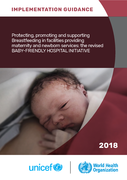
This updated implementation guidance is intended for all those who set policy for, or offer care to, pregnant women, families and infants: governments; national managers of maternal and child health programmes in general, and of breastfeeding- and BFHI-related programmes in particular; and health-f
...
acility managers at different levels (facility directors, medical directors, chiefs of maternity and neonatal wards). The document presents the first revision of the Ten Steps since 1989. The topic of each step is unchanged, but the wording of each one has been updated in line with the evidence-based guidelines and global public health policy.
more
Impact of health systems strengthening on coverage of maternal health services in Rwanda, 2000–2010: a systematic review
Maurice Bucagu, Jean M. Kagubare, Paulin Basinga, Fidèle Ngabo, Barbara K Timmons & Angela C Lee
Reproductive Health Matters
(2012)
CC
From 2000 to 2010, Rwanda implemented comprehensive health sector reforms to strengthen the public health system, with the aim of reducing maternal and newborn deaths in line with Millennium Development Goal 5, among many other improvements in national health. Based on a systematic review of the lit
...
erature, national policy documents and three Demographic & Health Surveys (2000, 2005 and 2010), this paper describes the reforms and the policies they were based on, and provides data on the extent of Rwanda’s progress in expanding the coverage of four key women’s health services. Progress took place in 2000–2005 and became more rapid after 2006, mostly in rural areas, when the national facility-based childbirth policy, performance-based financing, and community-based health insurance were scaled up. Between 2006 and 2010, the following increases in coverage took place as compared to 2000–2005, particularly in rural areas, where most poor women live: births with skilled attendance (77% increase vs. 26%), institutional delivery (146% increase vs. 8%), and contraceptive prevalence (351% increase vs. 150%). The primary factors in these improvements were increases in the health workforce and their skills, performance-based financing, community-based health insurance, and better leadership and governance. Further research is needed to determine the impact of these changes on health outcomes in women and children.
more

A two-week mission was conducted by WASH and quality UHC technical experts from WHO headquarters and supported by the WHO Ethiopia Country Office (WASH and health systems teams) in July 2016, to understand how change in WASH services and quality imp
...
rovements have been implemented in Ethiopia at national, sub-national and facility levels; to document existing activities; and through the “joint lens” of quality UHC and WASH, to identify and seek to address key bottlenecks in specific areas including leadership, policy/financing, monitoring and evaluation, evidence application and facility improvements. Ethiopia has implemented a number of innovative and successful interventions.
more

A nationwide survey of a representative sample of health facilities across public health services in all states and regions of Myanmar has been undertaken since 2014 to track Reproductive Health Commodity Security (RHCS) indicators, such as the avai
...
lability of reproductive health (RH) commodities; the supply chain (including cold chain systems); staff training and supervision; availability of guidelines and protocols; information and communication technologies; methods of waste disposal; and user fees. The surveys have also obtained the views of clients about the quality and cost of services through exit interviews. This is the third report for Myanmar, which is an assessment of the situation in 2016.
more

The report is based on comprehensive information collected at representative sample health facilities all over the country by well-organized and trained teams during May and August 2015. This is a continuation of 2014 Assessment activities and findings also reflect comparison between two consecutive
...
years.
more

No publication year indicated
This document provides training and guidance on legal capacity and how supported decision making, recovery plans and advance plans help to avoid involuntary detention and treatment and ensure people are able to exercise their right to legal capacity.

Financing Global Health 2017: Funding Universal Health Coverage and the Unfinished HIV/AIDS Agenda
Institute for Health Metrics and Evaluation (IHME)
Institute for Health Metrics and Evaluation (IHME)
(2018)
C2
In 2017, $37.4 billion of development assistance was provided to low- and middleincome countries to maintain or improve health. This amount is down slightly compared to 2016, and since 2010, development assistance for health (DAH) has grown at an annualized rate of 1.0%. While global development ass
...
istance for health has seemingly leveled off, global health spending continues to climb, outpacing economic growth in many countries. Total health spending for 2015, the most recent year for which data are available, was estimated to be $9.7 trillion (95% uncertainty interval: 9.7–9.8)*, up 4.7% (3.9–5.6) from the prior year, and accounted for 10% of the world’s total economy. With some sources of health spending growing and other types remaining steady, and with major variations in spending from country to country, it is more important than ever to understand where resources for health come from, where they go, and how they align with health needs. This information is critical for planning and is a necessary catalyst for change as we aim to close the gap on the unfinished agenda of the Millennium Development Goals (MDGs) and move forward toward universal health coverage (UHC) in the Sustainable Development Goals (SDGs) era.
more
The Burden of Breadwinning: Transformative Masculinities in the Context of HIV, Violence against Women and Gender Inequality
Brot für die Welt
(2016)
C2
Since the Fourth World Conference on Women in Beijing in 1995, gender mainstreaming has become a widespread strategy for changing unequal social and institutional structures which discriminate against women and girls, with the goal of achieving gender equality. Much has changed for women since 1995:
...
they have become more visible as actors in society, economy and politics. Public awareness regarding their discrimination has increased. However, most societies remain based on patriarchy and male hegemony. Patriarchal structures and institutions cannot easily be changed and the struggle for gender equality is still far from being won.
more
Diagnosis and Treatment Outcomes of Tuberculosis in Relation to Gender and HIV Status in South Benin
Journal of Tuberculosis Research, 2017, 5, 189-200
Background: In Benin, little is known about the influence of both gender and
HIV-status on diagnostic patterns and treatment outcomes of Tuberculosis
(TB) patients. Objective: To assess whether
...
differences in gender and HIV
status affect diagnostic patterns and treatment outcomes of TB patients. Methods:
Retrospective cohort study of patients registered in 2013 and 2014 in
the three largest TB Basic Management Units in south Benin. Results: Of 2694
registered TB patients, 1700 (63.1%) were male. Case notification rates were
higher in males compared with females (96 vs 53/100,000 inhabitants). The
male to female ratio was 1:1 in HIV positive patients, but was 2:1 among HIV
negative cases. In HIV-positive patients, there were no differences in TB types
between men and women. In HIV-negative patients, there were significantly
higher proportions of females with clinically diagnosed pulmonary TB (p =
0.04) and extrapulmonary TB (p < 0.001). Retreatment TB was 4.65 times
higher amongst males compared with females. For New bacteriologically confirmed
pulmonary TB, no differences were observed in treatment outcomes
between genders in the HIV positive group; but significantly more unfavorable
outcomes were reported among HIV negative males, with higher rates of
failure (p < 0.001) and loss-to-follow up (p = 0.02). Conclusion: The study
has shown that overall TB notification rates were higher in males than in females
in south Benin, with more females co-infected with HIV. Unfavorable outcomes were more common in HIV-negative males.
more
To evaluate the epidemiological evolution of patients with HIV (PtHIV), between 2002 and 2012, in a day-hospital that became an HIV reference centre for south-west Burkina Faso.
This was a retros
...
pective study of PtHIV followed in the Bobo Dioulasso university hospital since 2002. The study was based on clinical data recorded using ESOPE software and analysed using Excel and SAS.
more

In the wake of the Covid‑19 Pandemic, parts of the public health system at increased risk of reduced efficiency include healthcare services for women and children. This in turn could reverse all the progress achieved over the ye
...
ars in reducing maternal and child mortality. In this study, an attempt has been made to assess the indirect effect of the pandemic on maternal and child health services in public health facilities.
more
