
Filter
1136
Text search:
Évaluation
des
programmes
Featured
128
284
Language
Document type
572
169
165
95
81
29
18
3
1
1
1
Countries
63
62
47
39
37
35
30
25
24
21
18
18
14
13
13
12
12
11
11
9
9
9
9
9
8
8
8
7
7
7
6
6
6
5
5
5
5
5
4
4
4
4
4
4
3
3
3
3
3
3
2
2
2
2
2
2
2
2
2
1
1
1
1
1
1
1
1
1
1
1
1
1
1
1
1
1
Authors & Publishers
Publication Years
Category
443
164
102
99
97
39
14
Toolboxes
68
53
48
48
40
36
36
35
35
34
32
29
25
21
20
20
18
17
11
10
7
7
6
3
1
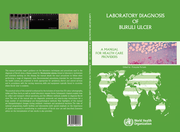
Laboratory diagnosis of Buruli ulcer
recommended
A manual for health care providers.
This manual provides expert guidance on the laboratory techniques and procedures used in the diagnosis of Buruli ulcer, a disease caused by Mycobacterium ulcerans. Aimed at laboratory technicians and scientists working on this disease, the manual details the exac
...
This paper examines how diaspora and local organisations have responded to the crisis in Syria, how they evolved and the challenges that they face - and how international aid organisations and disapora and local groups can better work together in a new aid model.

front cover © Hannah Maule-Ffinch/Save the Children
SAHARA-J: Journal
of Social Aspects of HIV/AIDS, 13:1, 1-7, DOI: 10.1080/17290376.2015.1123646

The aim of this document is to provide interim guidance for interventions to reduce the risk of maternal Zika virus infection and to manage potential complications during pregnancy. This guidance is based on the best available research evidence and covers areas prioritized by an international, multi
...

Integrating WASH and MHCP interventions will always require imagination and creativity to adapt the approach to specific conditions, opportunities and constraints in each context. The book is designed to stimulate reflection and encourage initiatives to seek opportunities for closer integration of t
...
20-22 July 2015, Monrovia, Liberia
WHO/CDS/TB/99.272
Key populations brief.


This revision covers the main non-communicable diseases in Mozambique as well as the National Strategic Plan's aim to create a positive environment to minimize or eliminate the exposure to risk factors and guarantee access to care.

This annual report outlines achievements and challenges of delivering these partnerships. NUDOR takes this opportunity to thank all organizations, individuals and decision makers who have supported NUDOR to contribute to the promotion, respect and realization of the rights of persons with disabiliti
...

Report on the symposium 26–28 May 2015, New Babylon Meeting Center, The Hague
