Filter
1384
Text search:
UNAIDS
Featured
110
449
Language
Document type
820
219
147
58
52
40
20
11
6
5
1
Countries
57
54
46
46
40
40
39
30
30
29
28
27
26
26
26
25
22
17
17
16
16
15
15
15
14
14
14
14
14
13
12
12
12
11
10
10
9
8
7
7
7
6
6
5
5
5
5
5
5
4
4
4
3
3
3
3
3
3
3
2
2
2
2
2
2
2
2
2
2
2
1
1
1
1
1
1
1
1
1
1
1
1
1
1
1
1
1
1
1
1
1
1
1
1
1
1
1
Authors & Publishers
Publication Years
Category
694
80
65
45
30
23
2
1
Toolboxes
264
100
58
43
36
30
25
17
15
15
13
13
13
8
8
8
5
5
4
4
3
3
2
Accessed August 2018
Accessed online August 2018
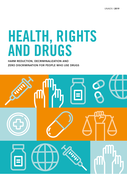
Health, Rights and Drugs
recommended
Harm Reducation, Decriminalization and Zero Discrimination for People who use Drugs
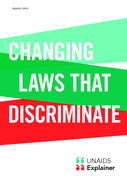
States have a moral and legal obligation—under the Universal Declaration of Human Rights, human rights treaties, the 2030 Agenda for Sustainable Development and other international obligations—to remove discriminatory laws and to enact laws that protect people from discrimination
Overcoming HIV-related stigma and discrimination in health- care settings and beyond
UNAIDS 2017 | REFERENCE
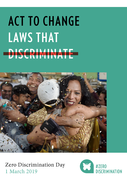
Zero Discrimination Day
#ZERO DISCRIMINATION
1 March 2019
Accessed: 19.10.2019
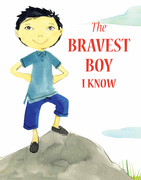
The Bravest Boy I Know is a story about two friends, Kendi and Kayla. Kendi is living with HIV. The story—set in Africa and illustrated by celebrated artist Sujean Rim—shows that by taking medicine children living with HIV can lead healthy lives. The book is narrated by South African singer Lo
...

Evidence supports the need for a shift in the global approach to drug use. In this report, Do no harm: health, human rights and people who use drugs, UNAIDS shows what works to reduce the impact of HIV and other harms related to drug use. Countries
...

This publication integrates human rights principles into measuring HIV service effectiveness, ensuring accountability for equity and health. It focuses on reducing stigma, removing punitive laws, and ensuring access to care for key populations, aiming to achieve 2030 targets.
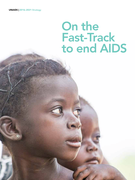
UNAIDS | 2016–2021 Strategy
Accessed: 20.11.2019

UNAIDS 2017 | Explainer

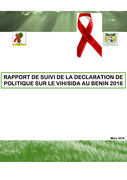
Rapport de Suivi de la Déclaration de Politique du Bénin
À l’instar des autres pays de la sous-région, le Bénin est un pays à épidémie mixte. Depuis 2006, la prévalence du VIH s’est stabilisée à 1,2% dans la population générale. Malgré cette tendance à la stabilisation, il exi
...
Le Bénin est un pays à épidémie mixte car il existe des poches de concentration de fortes prévalences
au sein de certaines populations clés plus exposées aux risques d’infection, notamment les TS et
leurs partenaires, les prisonniers, les HSH et les UDI. Les sections suivantes présentero
...
A guide for civil society
Accessed: 30.01.2020
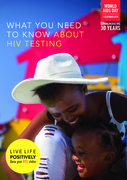
Live Life positively
Know your HIV status
Accessed: 03.03.2020
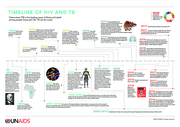
Tuberculosis (TB) is the leading cause of illness and death among people living with HIV. TB can be cured.
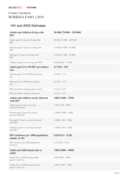

Le NCPI a été rempli au cours du 1er trimestre 2014 par une équipe technique de 17 personnes responsabilisées en sous-groupes pour les parties A, B et UA. Les réponses aux différentes questions se sont référées à celles de NCPI de 2012 pour permettre une meilleure logique. La responsabilit
...
2025 Core epidemiology slides
recommended
UNAIDS Global AIDS Update 2025 Slide Sets