
Filter
2210
Text search:
financial
sustainability
Featured
167
656
Language
2173
47
35
21
16
14
9
5
4
3
3
2
2
2
2
2
2
2
1
1
1
1
1
1
1
1
1
1
1
1
1
1
1
Document type
1150
501
223
151
112
32
17
15
4
4
1
Countries
142
88
64
60
58
55
52
52
46
45
41
40
40
39
37
36
34
33
30
29
27
23
23
22
22
20
19
18
18
17
16
12
11
11
11
11
11
10
10
10
10
9
9
7
7
7
7
7
6
6
6
5
5
5
5
5
5
5
5
4
4
4
3
3
3
3
3
3
3
3
3
3
3
2
2
2
2
2
2
2
2
2
2
2
2
2
1
1
1
1
1
1
1
1
1
1
1
1
1
1
1
1
1
1
1
1
1
1
1
1
1
1
1
1
1
1
1
Authors & Publishers
282
65
55
54
48
45
43
36
26
25
19
14
13
12
12
11
11
11
11
10
10
10
9
9
9
9
9
9
8
8
8
7
7
7
7
6
6
6
6
6
6
5
5
5
5
5
5
5
5
5
5
5
5
5
5
5
5
5
5
5
4
4
4
4
4
4
4
4
4
4
4
4
4
4
4
4
4
4
4
4
4
4
4
4
4
4
4
4
4
3
3
3
3
3
3
3
3
3
3
3
3
3
3
3
3
3
3
3
3
3
3
3
3
3
3
3
3
3
3
3
3
3
3
3
3
3
3
3
3
3
3
3
3
3
3
3
3
3
3
3
3
2
2
2
2
2
2
2
2
2
2
2
2
2
2
2
2
2
2
2
2
2
2
2
2
2
2
2
2
2
2
2
2
2
2
2
2
2
2
2
2
2
2
2
2
2
2
2
2
2
2
2
2
2
2
2
2
2
2
2
2
2
2
2
2
2
2
2
2
2
2
2
2
2
2
2
2
2
2
2
2
2
2
2
2
2
2
2
2
2
2
2
2
2
2
2
2
2
2
2
2
2
2
2
2
2
2
2
2
2
2
2
2
2
2
2
2
2
2
2
2
2
2
2
2
2
2
2
2
2
2
2
2
2
2
2
2
2
2
2
2
2
2
2
1
1
1
1
1
1
1
1
1
1
1
1
1
1
1
1
1
1
1
1
1
1
1
1
1
1
1
1
1
1
1
1
1
1
1
1
1
1
1
1
1
1
1
1
1
1
1
1
1
1
1
1
1
1
1
1
1
1
1
1
1
1
1
1
1
1
1
1
1
1
1
1
1
1
1
1
1
1
1
1
1
1
1
1
1
1
1
1
1
1
1
1
1
1
1
1
1
1
1
1
1
1
1
1
1
1
1
1
1
1
1
1
1
1
1
1
1
1
1
1
1
1
1
1
1
1
1
1
1
1
1
1
1
1
1
1
1
1
1
1
1
1
1
1
1
1
1
1
1
1
1
1
1
1
1
1
1
1
1
1
1
1
1
1
1
1
1
1
1
1
1
1
1
1
1
1
1
1
1
1
1
1
1
1
1
1
1
1
1
1
1
1
1
1
1
1
1
1
1
1
1
1
1
1
1
1
1
1
1
1
1
1
1
1
1
1
1
1
1
1
1
1
1
1
1
1
1
1
1
1
1
1
1
1
1
1
1
1
1
1
1
1
1
1
1
1
1
1
1
1
1
1
1
1
1
1
1
1
1
1
1
1
1
1
1
1
1
1
1
1
1
1
1
1
1
1
1
1
1
1
1
1
1
1
1
1
1
1
1
1
1
1
1
1
1
1
1
1
1
1
1
1
1
1
1
1
1
1
1
1
1
1
1
1
1
1
1
1
1
1
1
1
1
1
1
1
1
1
1
1
1
1
1
1
1
1
1
1
1
1
1
1
1
1
1
1
1
1
1
1
1
1
1
1
1
1
1
1
1
1
1
1
1
1
1
1
1
1
1
1
1
1
1
1
1
1
1
1
1
1
1
1
1
1
1
1
1
1
1
1
1
1
1
1
1
1
1
1
1
1
1
1
1
1
1
1
1
1
1
1
1
1
1
1
1
1
1
1
1
1
1
1
1
1
1
1
1
1
1
1
1
1
1
1
1
1
1
1
1
1
1
1
1
1
1
1
1
1
1
1
1
1
1
1
1
1
1
1
1
1
1
1
1
1
1
1
1
1
1
1
1
1
1
1
1
1
1
1
1
1
1
1
1
1
1
1
1
1
1
1
1
1
1
1
1
1
1
1
1
1
1
1
1
1
1
1
1
1
1
1
1
1
1
1
1
1
1
1
1
1
1
1
1
1
1
1
1
1
1
1
1
1
1
1
1
1
1
1
1
1
1
1
1
1
1
1
1
1
1
1
1
1
1
1
1
1
1
1
1
1
1
1
1
1
1
1
1
1
1
1
1
1
1
1
1
1
1
1
1
1
1
1
1
1
1
1
1
1
1
1
1
1
1
1
1
1
1
1
1
1
1
1
1
1
1
1
1
1
1
1
1
1
1
1
1
1
1
1
1
1
1
1
1
1
1
1
1
1
1
1
1
1
1
1
1
1
1
1
1
1
1
1
1
1
1
1
1
1
1
1
1
1
1
1
1
1
1
1
1
1
1
1
1
1
1
1
1
1
1
1
1
1
1
1
1
1
1
1
1
1
1
1
1
1
1
1
1
1
1
1
1
1
1
1
1
1
1
1
1
1
1
1
1
1
1
1
1
1
1
1
1
1
1
1
1
1
1
1
1
1
1
1
1
1
1
1
1
1
1
1
1
1
1
1
1
1
1
1
1
1
1
1
1
1
1
1
1
1
1
1
1
1
1
1
1
1
1
1
1
1
1
1
1
1
1
1
1
1
1
1
1
1
1
1
1
1
1
1
1
1
1
1
1
1
1
1
1
1
1
1
1
1
1
1
1
1
1
1
1
1
1
1
1
1
1
1
1
1
1
1
1
1
1
1
1
1
1
1
1
1
1
1
1
1
1
1
1
1
1
1
1
1
1
1
1
1
1
1
1
1
1
1
1
1
1
1
1
1
1
1
1
1
1
1
1
1
1
1
1
1
1
1
1
1
1
1
1
1
1
1
1
1
1
1
1
1
1
1
1
1
1
1
1
1
1
1
1
1
1
1
1
1
1
1
1
1
1
1
1
1
1
1
1
1
1
1
1
1
1
1
1
1
1
1
1
1
1
1
1
1
1
1
1
1
1
1
1
1
1
1
1
1
1
1
1
1
1
1
1
1
1
1
1
1
1
1
1
1
1
1
1
1
1
1
1
1
1
1
1
1
1
1
1
1
1
1
1
1
1
1
1
1
1
1
1
1
1
1
1
1
1
1
1
1
1
1
1
1
1
1
1
1
1
1
1
1
1
1
1
1
1
1
1
1
1
1
1
1
1
1
1
1
1
1
1
1
1
1
1
1
1
1
1
1
1
1
1
1
1
1
1
1
1
1
1
1
1
1
1
1
1
1
1
1
1
1
1
1
1
1
1
1
1
1
1
1
1
1
1
1
1
1
1
1
1
1
1
1
1
1
1
1
1
1
1
1
1
1
1
1
1
1
1
1
1
1
1
1
1
1
1
1
1
1
1
1
1
1
1
1
1
1
1
1
1
1
1
1
1
1
1
1
1
1
1
1
1
1
1
1
1
1
1
1
1
1
1
1
1
1
1
1
1
1
1
1
1
1
1
1
1
1
1
1
1
1
1
1
1
1
1
1
1
1
1
1
1
1
1
1
1
1
1
1
1
1
1
1
1
1
1
1
1
1
1
1
1
1
1
1
1
1
1
1
1
1
1
1
1
1
1
1
1
1
1
1
1
1
1
1
1
1
1
1
1
1
1
1
1
1
1
1
1
1
1
1
1
1
1
1
1
1
1
1
1
1
1
1
1
1
1
1
1
1
1
1
1
1
1
1
1
1
1
1
1
1
1
1
1
1
1
1
1
1
1
1
1
1
1
1
1
1
1
1
1
1
1
1
1
1
1
1
1
1
1
1
1
1
1
1
1
1
1
1
1
1
1
1
1
1
1
1
1
1
1
1
1
1
1
1
1
1
1
1
1
1
1
1
1
1
1
1
1
1
1
1
1
1
1
1
1
1
1
1
1
1
1
1
1
1
1
1
1
1
1
1
1
1
1
1
1
1
1
1
1
1
1
1
1
1
1
1
1
1
1
1
1
1
1
1
1
1
1
1
1
1
1
1
1
1
1
1
1
1
1
1
1
1
1
1
1
1
1
1
1
1
1
1
1
1
1
1
1
1
1
1
1
1
1
1
1
1
1
1
1
1
1
1
1
1
1
1
1
1
1
1
1
1
1
1
1
1
1
1
1
1
1
1
1
1
1
1
1
1
1
1
1
1
1
1
1
1
1
1
1
1
1
1
1
1
1
1
1
1
1
1
1
1
1
1
1
1
1
1
1
1
1
1
1
1
1
1
1
1
1
1
1
1
1
1
1
1
1
1
1
1
1
1
1
1
1
1
1
1
1
1
1
1
1
1
1
1
1
1
1
1
1
1
1
1
1
1
1
1
1
1
1
1
1
1
1
1
1
1
1
1
1
1
1
1
1
1
1
1
1
1
1
1
1
1
1
1
1
1
1
1
1
1
1
1
1
1
1
1
1
1
1
1
1
1
1
1
1
1
1
1
1
1
1
1
1
1
1
1
1
1
1
1
1
1
1
1
1
1
1
1
1
1
1
1
1
1
1
1
1
1
1
1
1
1
1
1
1
1
1
1
1
Publication Years
683
1352
168
7
Category
906
214
163
103
84
39
7
Toolboxes
179
104
87
86
81
80
77
74
71
62
57
55
50
45
40
38
37
35
29
24
12
12
9
5
3
1
1

CBDRR Practice. Case Studies 2
No publication year indicated.
No publication year indicated.

The National Strategic Plan is based on the following guiding principles:
1) Life-course approach: adolescence is a key decade in the course of life that influences the health outcomes later in life.
2) Comprehensive approach: It recognizes the cross cutting health and development needs o ... f young people such as intentional and unintentional injuries and violence, SRH, HIV/AIDS, mental health, substance use, violence, substance use and substance use disorders, infectious diseases and common conditions.
3) Equity and rights-based approach: focusing on equitable access to services to all adolescents including vulnerable groups and the recognizing the need to move from aspirations to obligations in fulflling young people rights for the highest attainable standard of health.
4) Multisectoral approach: recognizing cognizant of the fact that holistic development of young people requires multisectoral approach involving education, social welfare. more
1) Life-course approach: adolescence is a key decade in the course of life that influences the health outcomes later in life.
2) Comprehensive approach: It recognizes the cross cutting health and development needs o ... f young people such as intentional and unintentional injuries and violence, SRH, HIV/AIDS, mental health, substance use, violence, substance use and substance use disorders, infectious diseases and common conditions.
3) Equity and rights-based approach: focusing on equitable access to services to all adolescents including vulnerable groups and the recognizing the need to move from aspirations to obligations in fulflling young people rights for the highest attainable standard of health.
4) Multisectoral approach: recognizing cognizant of the fact that holistic development of young people requires multisectoral approach involving education, social welfare. more
This predominantly qualitative research on disability and development in Myanmar was conducted between August 2011 and February 2012, in three commercial centres of Yangon, Mandalay and Taunggyi. Stakeholders of service providers, persons with disabilities (PWDs) and families of disabled people were
...
interviewed in order to discover the needs and challenges that they face. Discoveries were made concerning independent living and adaptive education, vocational training and livelihoods challenges, community-based rehabilitation, organisational and human resource capacity, and information channels, networking and cooperation between organisations.
The study found that PWDS, especially those with intellectually disabilities, need training for independent living, adaptive special education, motor development programs and behaviour modification programs in special institutions. Effective services and programs are necessary in all of these areas of need. more
The study found that PWDS, especially those with intellectually disabilities, need training for independent living, adaptive special education, motor development programs and behaviour modification programs in special institutions. Effective services and programs are necessary in all of these areas of need. more

The vision of the new Strategic Action Plan for Strengthening HIS in Myanmar 2017- 2021 is “A strong health information system for a strong health system”. The mission statement of HIS in Myanmar also developed during the strategic planning exercise is “Generating and making accessible compreh
...
ensive, integrated and timely health information for decision making at different levels of health system”. The goal of the HIS in Myanmar formulated during the assessment is “ To provide complete, valid, reliable and timely health information for making right decisions at the right time to ensure an equitable, effective, efficient and responsive health system”.
more
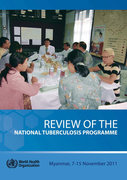
Myanmar is one of the world’s 22 high tuberculosis (TB) burden countries, and supporting TB control in Myanmar is a global priority. This report reflects the findings, discussions, conclusions and recommendations of the fourth international review mission of the Myanmar National TB Programme (NTP)
...
, which brought together international and national partners to review progress in TB control and to offer guidance on future TB control directions and efforts.
A high-quality national disease prevalence survey completed in 2010 demonstrated a TB disease burden two to three times higher than anticipated on the basis of previous surveys. In 2011 about 200 000 adults and children will have developed TB, including 20 000 HIV infected and 9000 suffering from MDR-TB, both of which will require additional care and costly treatment. TB remains among the top killers of adults, and more women die of TB than from maternal causes. more
A high-quality national disease prevalence survey completed in 2010 demonstrated a TB disease burden two to three times higher than anticipated on the basis of previous surveys. In 2011 about 200 000 adults and children will have developed TB, including 20 000 HIV infected and 9000 suffering from MDR-TB, both of which will require additional care and costly treatment. TB remains among the top killers of adults, and more women die of TB than from maternal causes. more

The objectives of this guidance document are to:
1. Strengthen the capacity of country teams to effectively scale up and manage programmes to address severe acute malnutrition
2. Extend the geographic reach of quality treatment for SAM to all vulnerable communities in need
3. Maximize ... access to appropriate and quality treatment for SAM among all eligible children in the community at all times
4. Aid the formulation and implementation of national policies and strategies that support objectives 1 to 3
5. Aid the creation of an enabling environment that supports objectives 1 to 3 through advocacy, documentation of successful practices, support for operational research, mobilization of resources and collaboration with partners more
1. Strengthen the capacity of country teams to effectively scale up and manage programmes to address severe acute malnutrition
2. Extend the geographic reach of quality treatment for SAM to all vulnerable communities in need
3. Maximize ... access to appropriate and quality treatment for SAM among all eligible children in the community at all times
4. Aid the formulation and implementation of national policies and strategies that support objectives 1 to 3
5. Aid the creation of an enabling environment that supports objectives 1 to 3 through advocacy, documentation of successful practices, support for operational research, mobilization of resources and collaboration with partners more
Lao People’s Democratic Republic (Lao PDR), also referred to as Laos, or Lao, is exposed to natural disasters such as flooding, typhoons, cyclones, drought, and earthquakes. The country is vulnerable to recurrent, sudden-onset and slow onset natural disasters with flooding, storms and typhoons hav
...
ing a large effect on the population. The country remains highly vulnerable to agricultural shocks and natural disasters.
Lao has established Community Based Disaster Risk Reduction (CBDRR) practices as a result of the many natural disasters the country faces. CBDRR is implemented at the village level to enhance community preparedness and to decrease village vulnerabilities to disasters.
Lao established the National Disaster Management Committee (NDMC) as its national disaster management platform and the National Disaster Management Office (NDMO) to be responsible for DRM (Disaster Risk Management) and DRR activities in the country. more
Lao has established Community Based Disaster Risk Reduction (CBDRR) practices as a result of the many natural disasters the country faces. CBDRR is implemented at the village level to enhance community preparedness and to decrease village vulnerabilities to disasters.
Lao established the National Disaster Management Committee (NDMC) as its national disaster management platform and the National Disaster Management Office (NDMO) to be responsible for DRM (Disaster Risk Management) and DRR activities in the country. more

Rehabilitation in health systems provides recommendations for Member States and other relevant stakeholders to strengthen and expand the availability of quality rehabilitation services. Currently, there is a significant unmet need for rehabilitation services and it is frequently undervalued in the h
...
ealth system. As populations age and the prevalence of noncommunicable diseases and injuries increases, and the demand for rehabilitation grows, strengthening rehabilitation in health systems becomes ever more paramount.
more

The review’s objectives are to review progress in TB control with emphasis on DOTS strategy implementation, summarize the experience, lessons learnt and methods of work and to make recommendations for international donors, technical agencies and the Ministry of Health.
In 2017, 3.6 million of the estimated 10 million people with TB worldwide were “missed” by national TB programmes (NTPs). Two thirds of them are thought to access TB treatment of questionable quality from public and private providers who are not engaged by the NTP. The quality of care provided i
...
n these settings is often not known or substandard. Closing these gaps and ensuring patient-centred care imply that quality-assured and affordable TB services must be made available wherever people choose to seek care.
more

Purpose: This research study aimed to investigate the effectiveness of the services provided by CBR programmes in Jordan.
Method: This was a mixed- methods investigation. A survey was carried out with 47 participants (stakeholders and volunteers) from four CBR centres in Jordan. It comprised 18 que
...
stions that collected both qualitative and quantitative data with both closed- and open-ended questions. The quantitative data were analysed using SPSS Version 22.0. Qualitative data were analysed through thematic content analysis and open coding to identify emergent themes.
Results: 40.4% of the participants evaluated the effectiveness of CBR services as low. This mainly stemmed from the lack of efforts to increase the local community’s knowledge about CBR, disability and the role of CBR programmes towards people with disabilities.
Conclusions: A proposal was offered concerning the priorities of CBR programmes in Jordan. Efforts need to be directed at promoting livelihood and empowerment components in order to actualise the principles of CBR, mainly by promoting multispectral collaboration as a way of operation.
Implications: This study was inclusive of all types of disability. Barriers to the effectiveness of services may stem from accessibility issues to the families of persons with disabilities (hard to reach) or from CBR services themselves (hard to access). The culturally specific evaluative tool in this study was of “good” specificity and sensitivity, this evaluative instrument can be transferrable to measure the impact of CBR programmes in other settings.
more

This booklet shows what disability inclusive development for poverty alleviation looks like in a range of settings and with different challenges through eight case studies of projects funded by CBM Australia through the Australian Government NGO Cooperation Program (ANCP).

This article describes a Community-Based Participatory Approach (CBPA) for children with intellectual disability in Endosulfan affected areas of Kasaragod district in Kerala state of India. The CBPA strategy evolved from Community Based Rehabilitation (CBR) and was led by Local Self-Government (LSG)
...
members. It involves a four-pronged approach encompassing family, community, service centres and LSG, with a focus on income generation activities and creation of employment opportunities. The CBPA model considers the cultural
uniqueness and limited resources in areas where the unscientific and extensive use of pesticides has led to high prevalence of multiple deformities including intellectual disabilities.
more
International Perspectives and Future Directions
EVALUATION REPORT. This report is a synthesis of the evaluation of UNICEF's response to the 2004 Indian Ocean tsunami in Indonesia that was undertaken in August 2008 to July 2009. The evaluation assessed UNICEF's response in four sectors where it had major involvement: child protection; basic educat
...
ion; water, sanitation and hygiene; and child and maternal health and nutrition.
more
EVALUATION OF UNICEF PROGRAMMES TO PROTECT CHILDREN IN EMERGENCIES: Synthesis Report
