
Filter
736
Text search:
refugees
europe
Featured
68
155
Language
Document type
276
249
71
33
31
21
19
15
10
5
4
1
1
Countries
79
64
57
49
39
18
17
12
12
11
11
9
8
8
8
7
7
7
7
6
6
6
6
6
6
5
5
5
5
4
4
4
4
4
4
4
3
3
3
3
3
2
2
2
2
2
2
2
2
2
1
1
1
1
1
1
1
1
1
1
1
1
1
1
1
1
1
1
1
1
1
1
1
1
1
1
1
1
1
Authors & Publishers
Publication Years
Category
140
75
41
25
18
8
2
Toolboxes
174
113
108
83
34
34
24
16
15
11
10
9
9
9
7
7
6
5
5
4
4
4
2
2
1
Different situations, risks, recommendations. Short brochure with pictograms. Available in: English, Turkish, French, Russian at: http://www.bzga.de/infomaterialien/fremdsprachige-materialien/ AND German at: http://www.bzga.de/infomaterialien/aidsaufklärung/hiv-übertragung-und-aids-gefahr/
Brochure à l’intention des professionnels des structures de
soins ambulatoires ou institutionnels et du travail social auprès des malades et de leurs proches.
Deutsch lernen. Farsi
recommended
Jeder ehrenamtliche Helfer in und um Würzburg kann sich an Standpunkt e.V. wenden und kostenlos Skripte bekommen. Schreibt dazu bitte eine Mail an info@standpunkt-ev.de
Dans le rapport Mobilité humaine, des avantages réciproques, il est recommandé d’élargir les voies légales, de réduire les coûts de transaction sur les envois de fonds, de garantir les droits des migrants, en particulier des femmes, de favoriser l’intégration et la cohésion sociale et d
...
Dies ist der fünfte Bericht, den das Deutsche Institut für Menschenrechte in seiner Funktion als Nationale Menschenrechtsinstitution Deutschlands dem Deutschen Bundestag vorlegt. Der Bericht erfasst den Zeitraum vom 1. Juli 2019 bis zum 30. Juni 2020. Aus den vielfältigen menschenrechtlichen Frag
...
Zugang zur Gesundheitsversorgung für EU-Bürgerinnen und EU-Bürger – Handreichung zu den rechtlichen Grundlagen – Siehe vor allem das Kapitel zum Thema "Fehlender Krankenversicherungsschutz", Seite 11-15:
Was ist zu tun, wenn es weder einen gesetzlichen Krankenversicherungsschutz in Deutsch
...

Deutsch lernen
recommended
Jeder ehrenamtliche Helfer in und um Würzburg kann sich an Standpunkt e.V. wenden und kostenlos Skripte bekommen. Schreibt dazu bitte eine Mail an info@standpunkt-ev.de
Die qualitätive Studie beleuchtet die Umsetzung der Kinderrechte in Flüchtlingsunterkünften aus der Perspektive von Kindern und ihren Eltern. Hierfür wurden in sechs Flüchtlingsunterkünften in drei Bundesländern 70 Interviews mit Kindern und Eltern, aber auch Einrichtungsleitungen und anderen
...
… eine Handreichung für Ehrenamtliche in der Flüchtlingsarbeit im Kontext von Trennung
"Diese Handreichung soll ein Beitrag dazu
sein, dass insbesondere Ehrenamtliche den
Trennungsprozess gut bewältigen, loslassen
und für sich selbst sorgen können."
Le règlement du Parlement européen et du Conseil européen n°604-2013 du 26 juin 2013, dit « Règlement Dublin III », est un texte normatif de l'Union européenne, de 49 articles, consacré au règlement juridiqü du droit d'asile en vertu de la Convention de Genève (art. 51) dans l'Union euro
...

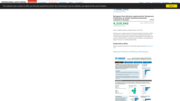
Ukraine Refugee Situation
recommended
Operational Data Portal

Während hunderttausende Ukrainer ihr Land verlassen, kann sich die EU - wie schon 2015 - nicht auf die Verteilung der Kriegsvertriebenen einigen. Dennoch ist es dieses Mal anders: Der von allen EU-Staaten gebilligte, vorübergehende Schutz für Geflüchtete aus der Ukraine ermöglicht eine rasche,
...
