Filter
843
Text search:
Health
and
WASH
Cluster
Featured
101
302
Language
Document type
411
127
109
72
50
37
23
11
2
1
Countries
36
30
29
28
27
27
26
25
20
20
19
19
19
18
18
16
16
13
13
11
11
11
11
9
9
8
8
8
7
6
6
5
5
5
5
5
4
4
4
4
4
4
3
3
3
3
3
3
3
3
2
2
2
2
2
2
2
2
2
2
2
1
1
1
1
1
1
1
1
1
1
1
1
1
1
1
1
1
1
1
1
1
1
1
1
1
1
1
1
1
Authors & Publishers
Publication Years
Category
389
126
36
30
27
11
1
Toolboxes
124
87
59
39
35
28
28
24
19
18
13
11
10
10
9
8
6
5
5
4
4
2
2
2
2
1
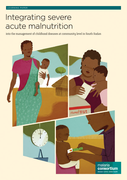
Since December 2010, Malaria Consortium has been implementing an innovative approach to community management of severe acute malnutrition, together with an existing integrated community case management (ICCM) programme in South Sudan. This learning paper considers Malaria Consortiums experience of t
...

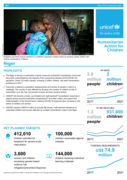
Myanmar is prone to various natural hazards that include earthquakes, floods, cyclones, droughts, fires, tsunamis, some of whichhave the potential to impact large numbers of people. In the event that large numbers of people are affected (such as was the case in 2008 following cyclone Nargis), the go
...
Ce document a été élaboré par Peter Ventevogel, consultant, sous la supervision de Marian Schilperoord. Les versions préliminaires de cette publication ont grandement bénéficié de la contribution de plusieurs personnes au sein de l’UNHCR et d’organisations partenaires. Nous voudrions tou
...

This evaluation report of UNICEF’s Psychosocial Support Response for Syrian Children in Jordan was conducted by
Antares Foundation team (Albertien van der Veen, Reem AbuKishk, Shadi Bushnaq, Orso Muneghina, Reem Rawdha
and Tineke van Pietersom)
...

The Call to Action on Protection from GBV in Emergencies, formally launched in 2013 by the United Kingdom and Sweden, aims to fundamentally transform the way GBV is addressed in humanitarian operations via the collective action of numerous partners,
...

South Africa reported it fist case of COVID-19 on 5 March 2020. While the first cases were imported, local transmission has led to a rapid increase in the number of cases. As of 21 April 2020, more than 3,400 cases and 58 deaths had been confirmed.
...

The official death toll was 447 people as of 25 March, according to the Government.
• Nearly 129,000 people are sheltering in 143 collective sites across Sofala (more than 97,600 people), Manica (more than 14,800 people); Zambezia (more than 9,600 people);
...
UNICEF Cholera Toolkit
recommended
Large size: Download directly from the website: https://www.washcluster.net/sites/gwc.com/files/2022-01/Unicef_Cholera%20Toolkit_2013.pdf
UNICEF Guide pratique de lutte contre le choléra
recommended
Le document est une boîte à outils sur le choléra élaborée par l'UNICEF, conçue pour soutenir la prévention, la préparation et la réponse aux épidémies de choléra. Il fournit des directives sur l'assainissement de l'eau, l'hygiène et l'éducation sanitaire, ainsi que des outils pratique
...
Le Plan Stratégique Multisectoriel d’Élimination du Choléra en République Démocratique du Congo (2013-2017) vise à réduire l’incidence du choléra à moins d’un cas pour 100 000 habitants. Ce plan repose sur une approche multisectorielle, combinant santé, eau, hygiène et assainissemen
...