
Filter
5480
Text search:
rights
based
approach
Featured
545
1320
Language
5354
135
110
78
69
41
33
14
7
6
5
4
4
4
3
3
3
3
3
3
3
3
3
3
2
2
2
2
2
2
2
2
2
2
1
1
1
1
1
1
1
1
1
1
1
1
1
1
1
1
1
1
1
1
1
1
Document type
2691
1013
821
408
284
111
88
27
11
10
7
1
1
Countries
303
148
137
119
97
96
93
90
90
86
84
80
78
72
70
68
61
61
60
60
49
45
44
44
43
43
40
39
39
37
31
28
26
26
25
24
24
23
22
22
22
22
19
19
19
18
17
17
17
16
16
15
13
13
13
12
12
12
11
11
11
10
10
10
10
9
9
8
6
6
6
6
6
6
5
5
5
5
5
5
4
4
4
4
4
4
4
4
3
3
3
3
3
3
3
3
3
3
3
3
3
3
2
2
2
2
2
2
2
2
2
2
2
2
2
2
2
2
2
2
2
1
1
1
1
1
1
1
1
1
1
1
1
1
1
1
1
1
1
1
1
1
Authors & Publishers
1054
290
194
180
134
111
102
76
67
58
49
44
39
30
29
27
26
25
24
22
21
21
21
21
21
21
20
20
20
19
18
17
16
16
15
15
15
15
14
14
14
13
13
13
13
12
11
11
11
11
11
11
11
11
11
11
10
10
10
10
10
10
10
10
10
10
10
10
10
10
10
10
9
9
9
9
9
9
9
9
9
8
8
7
7
7
7
7
7
7
7
7
7
7
7
7
6
6
6
6
6
6
6
6
6
6
6
6
6
6
6
6
6
6
6
5
5
5
5
5
5
5
5
5
5
5
5
5
5
5
5
5
5
5
5
5
5
5
5
5
5
5
5
5
5
5
5
5
5
5
5
5
4
4
4
4
4
4
4
4
4
4
4
4
4
4
4
4
4
4
4
4
4
4
4
4
4
4
4
4
4
4
4
4
4
4
4
4
4
4
4
4
4
4
4
4
4
4
4
4
3
3
3
3
3
3
3
3
3
3
3
3
3
3
3
3
3
3
3
3
3
3
3
3
3
3
3
3
3
3
3
3
3
3
3
3
3
3
3
3
3
3
3
3
3
3
3
3
3
3
3
3
3
3
3
3
3
3
3
3
3
3
3
3
3
3
3
3
3
3
3
3
3
3
3
3
3
3
3
3
3
3
3
3
3
2
2
2
2
2
2
2
2
2
2
2
2
2
2
2
2
2
2
2
2
2
2
2
2
2
2
2
2
2
2
2
2
2
2
2
2
2
2
2
2
2
2
2
2
2
2
2
2
2
2
2
2
2
2
2
2
2
2
2
2
2
2
2
2
2
2
2
2
2
2
2
2
2
2
2
2
2
2
2
2
2
2
2
2
2
2
2
2
2
2
2
2
2
2
2
2
2
2
2
2
2
2
2
2
2
2
2
2
2
2
2
2
2
2
2
2
2
2
2
2
2
2
2
2
2
2
2
2
2
2
2
2
2
2
2
2
2
2
2
2
2
2
2
2
2
2
2
2
2
2
2
2
2
2
2
2
2
2
2
2
2
2
2
2
2
2
2
2
2
2
2
2
2
2
2
2
2
2
2
2
2
2
2
2
2
2
2
2
2
2
2
2
2
2
2
2
2
2
2
2
2
2
2
2
2
2
2
2
2
2
2
2
2
2
2
2
2
2
2
2
2
2
2
2
2
2
2
2
2
2
2
2
2
2
2
2
2
2
2
2
2
2
2
2
2
2
2
2
2
2
2
2
2
2
1
1
1
1
1
1
1
1
1
1
1
1
1
1
1
1
1
1
1
1
1
1
1
1
1
1
1
1
1
1
1
1
1
1
1
1
1
1
1
1
1
1
1
1
1
1
1
1
1
1
1
1
1
1
1
1
1
1
1
1
1
1
1
1
1
1
1
1
1
1
1
1
1
1
1
1
1
1
1
1
1
1
1
1
1
1
1
1
1
1
1
1
1
1
1
1
1
1
1
1
1
1
1
1
1
1
1
1
1
1
1
1
1
1
1
1
1
1
1
1
1
1
1
1
1
1
1
1
1
1
1
1
1
1
1
1
1
1
1
1
1
1
1
1
1
1
1
1
1
1
1
1
1
1
1
1
1
1
1
1
1
1
1
1
1
1
1
1
1
1
1
1
1
1
1
1
1
1
1
1
1
1
1
1
1
1
1
1
1
1
1
1
1
1
1
1
1
1
1
1
1
1
1
1
1
1
1
1
1
1
1
1
1
1
1
1
1
1
1
1
1
1
1
1
1
1
1
1
1
1
1
1
1
1
1
1
1
1
1
1
1
1
1
1
1
1
1
1
1
1
1
1
1
1
1
1
1
1
1
1
1
1
1
1
1
1
1
1
1
1
1
1
1
1
1
1
1
1
1
1
1
1
1
1
1
1
1
1
1
1
1
1
1
1
1
1
1
1
1
1
1
1
1
1
1
1
1
1
1
1
1
1
1
1
1
1
1
1
1
1
1
1
1
1
1
1
1
1
1
1
1
1
1
1
1
1
1
1
1
1
1
1
1
1
1
1
1
1
1
1
1
1
1
1
1
1
1
1
1
1
1
1
1
1
1
1
1
1
1
1
1
1
1
1
1
1
1
1
1
1
1
1
1
1
1
1
1
1
1
1
1
1
1
1
1
1
1
1
1
1
1
1
1
1
1
1
1
1
1
1
1
1
1
1
1
1
1
1
1
1
1
1
1
1
1
1
1
1
1
1
1
1
1
1
1
1
1
1
1
1
1
1
1
1
1
1
1
1
1
1
1
1
1
1
1
1
1
1
1
1
1
1
1
1
1
1
1
1
1
1
1
1
1
1
1
1
1
1
1
1
1
1
1
1
1
1
1
1
1
1
1
1
1
1
1
1
1
1
1
1
1
1
1
1
1
1
1
1
1
1
1
1
1
1
1
1
1
1
1
1
1
1
1
1
1
1
1
1
1
1
1
1
1
1
1
1
1
1
1
1
1
1
1
1
1
1
1
1
1
1
1
1
1
1
1
1
1
1
1
1
1
1
1
1
1
1
1
1
1
1
1
1
1
1
1
1
1
1
1
1
1
1
1
1
1
1
1
1
1
1
1
1
1
1
1
1
1
1
1
1
1
1
1
1
1
1
1
1
1
1
1
1
1
1
1
1
1
1
1
1
1
1
1
1
1
1
1
1
1
1
1
1
1
1
1
1
1
1
1
1
1
1
1
1
1
1
1
1
1
1
1
1
1
1
1
1
1
1
1
1
1
1
1
1
1
1
1
1
1
1
1
1
1
1
1
1
1
1
1
1
1
1
1
1
1
1
1
1
1
1
1
1
1
1
1
1
1
1
1
1
1
1
1
1
1
1
1
1
1
1
1
1
1
1
1
1
1
1
1
1
1
1
1
1
1
1
1
1
1
1
1
1
1
1
1
1
1
1
1
1
1
1
1
1
1
1
1
1
1
1
1
1
1
1
1
1
1
1
1
1
1
1
1
1
1
1
1
1
1
1
1
1
1
1
1
1
1
1
1
1
1
1
1
1
1
1
1
1
1
1
1
1
1
1
1
1
1
1
1
1
1
1
1
1
1
1
1
1
1
1
1
1
1
1
1
1
1
1
1
1
1
1
1
1
1
1
1
1
1
1
1
1
1
1
1
1
1
1
1
1
1
1
1
1
1
1
1
1
1
1
1
1
1
1
1
1
1
1
1
1
1
1
1
1
1
1
1
1
1
1
1
1
1
1
1
1
1
1
1
1
1
1
1
1
1
1
1
1
1
1
1
1
1
1
1
1
1
1
1
1
1
1
1
1
1
1
1
1
1
1
1
1
1
1
1
1
1
1
1
1
1
1
1
1
1
1
1
1
1
1
1
1
1
1
1
1
1
1
1
1
1
1
1
1
1
1
1
1
1
1
1
1
1
1
1
1
1
1
1
1
1
1
1
1
1
1
1
1
1
1
1
1
1
1
1
1
1
1
1
1
1
1
1
1
1
1
1
1
1
1
1
1
1
1
1
1
1
1
1
1
1
1
1
1
1
1
1
1
1
1
1
1
1
1
1
1
1
1
1
1
1
1
1
1
1
1
1
1
1
1
1
1
1
1
1
1
1
1
1
1
1
1
1
1
1
1
1
1
1
1
1
1
1
1
1
1
1
1
1
1
1
1
1
1
1
1
1
1
1
1
1
1
1
1
1
1
1
1
1
1
1
1
1
1
1
1
1
1
1
1
1
1
1
1
1
1
1
1
1
1
1
1
1
1
1
1
1
1
1
1
1
1
1
1
1
1
1
1
1
1
1
1
1
1
1
1
1
1
1
1
1
1
1
1
1
1
1
1
1
1
1
1
1
1
1
1
1
1
1
1
1
1
1
1
1
1
1
1
1
1
1
1
1
1
1
1
1
1
1
1
1
1
1
1
1
1
1
1
1
1
1
1
1
1
1
1
1
1
1
1
1
1
1
1
1
1
1
1
1
1
1
1
1
1
1
1
1
1
1
1
1
1
1
1
1
1
1
1
1
1
1
1
1
1
1
1
1
1
1
1
1
1
1
1
1
1
1
1
1
1
1
1
1
1
1
1
1
1
1
1
1
1
1
1
1
1
1
1
1
1
1
1
1
1
1
1
1
1
1
1
1
1
1
1
1
1
1
1
1
1
1
1
1
1
1
1
1
1
1
1
1
1
1
1
1
1
1
1
1
1
1
1
1
1
1
1
1
1
1
1
1
1
1
1
1
1
1
1
1
1
1
1
1
1
1
1
1
1
1
1
1
1
1
1
1
1
1
1
1
1
1
1
1
1
1
1
1
1
1
1
1
1
1
1
1
1
1
1
1
1
1
1
1
1
1
1
1
1
1
1
1
1
1
1
1
1
1
1
1
1
1
1
1
1
1
1
1
1
1
1
1
1
1
1
1
1
1
1
1
1
1
1
1
1
1
1
1
1
1
1
1
1
1
1
1
1
1
1
1
1
1
1
1
1
1
1
1
1
1
1
1
1
1
1
1
1
1
1
1
1
1
1
1
1
1
1
1
1
1
1
1
1
1
1
1
1
1
1
1
1
1
1
1
1
1
1
1
1
1
1
1
1
1
1
1
1
1
1
1
1
1
1
1
1
1
1
1
1
1
1
1
1
1
1
1
1
1
1
1
1
1
1
1
1
1
1
1
1
1
1
1
1
1
1
1
1
1
1
1
1
1
1
1
1
1
1
1
1
1
1
1
1
1
1
1
1
1
1
1
1
1
1
1
1
1
1
1
1
1
1
1
1
1
1
1
1
1
1
1
1
1
1
1
1
1
1
1
1
1
1
1
1
1
1
1
1
1
1
1
1
1
1
1
1
1
1
1
1
1
1
1
1
1
1
1
1
1
1
1
1
1
1
1
1
1
1
1
1
1
1
1
1
1
1
1
1
1
1
1
1
1
1
1
1
1
1
1
1
1
1
1
1
1
1
1
1
1
1
1
1
1
1
1
1
1
1
1
1
1
1
1
1
1
1
1
1
1
1
1
1
1
1
1
1
1
1
1
1
1
1
1
1
1
1
1
1
1
1
1
1
1
1
1
1
1
1
1
1
1
1
1
1
1
1
1
1
1
1
1
1
1
1
1
1
1
1
1
1
1
1
1
1
1
1
1
1
1
1
1
1
1
1
1
1
1
1
1
1
1
1
1
1
1
1
1
1
1
1
1
1
1
1
1
1
1
1
1
1
1
1
1
1
1
1
1
1
1
1
1
1
1
1
1
1
1
1
1
1
1
1
1
1
1
1
1
1
1
1
1
1
1
1
1
1
1
1
1
1
1
1
1
1
1
1
1
1
1
1
1
1
1
1
1
1
1
1
1
1
1
1
1
1
1
1
1
1
1
1
1
1
1
1
1
1
1
1
1
1
1
1
1
1
1
1
1
1
1
1
1
1
1
1
1
1
1
1
1
1
1
1
1
1
1
1
1
1
1
1
1
1
1
1
1
1
1
1
1
1
1
1
1
1
1
1
1
1
1
1
1
1
1
1
1
1
1
1
1
1
1
1
1
1
1
1
1
1
1
1
1
1
1
1
1
1
1
1
1
1
1
1
1
1
1
1
1
1
1
1
1
1
1
1
1
1
1
1
1
1
1
1
1
1
1
1
1
1
1
1
1
1
1
1
1
1
1
1
1
1
1
1
1
1
1
1
1
1
1
1
1
1
1
1
1
1
1
1
1
1
1
1
1
1
1
1
1
1
1
1
1
1
1
1
1
1
1
1
1
1
1
1
1
1
1
1
1
1
1
1
1
1
1
1
1
1
1
1
1
1
1
1
1
1
1
1
1
1
1
1
1
1
1
1
1
1
1
1
1
1
1
1
1
1
1
1
1
1
1
1
1
1
1
1
1
1
1
1
1
1
1
1
1
1
1
1
1
1
1
1
1
1
1
1
1
1
1
1
1
1
1
1
1
1
1
1
1
1
1
1
1
1
1
1
1
1
1
1
1
1
1
1
1
1
1
1
1
1
1
1
1
1
1
1
1
1
1
1
1
1
1
1
1
1
1
1
1
1
1
1
1
1
1
1
1
1
1
1
1
1
1
1
1
1
1
1
1
1
1
1
1
1
1
1
1
1
1
1
1
1
1
1
1
1
1
1
1
1
1
1
1
1
1
1
1
1
1
1
1
1
1
1
1
1
1
1
1
1
1
1
1
1
1
1
1
1
1
1
1
1
1
1
1
1
1
1
1
1
1
1
1
1
1
1
1
1
1
1
1
1
1
1
1
1
1
1
1
1
1
1
1
1
1
1
1
1
1
1
1
1
1
1
1
1
1
1
1
1
1
1
1
1
1
1
1
1
1
1
1
1
1
1
1
1
1
1
1
1
1
1
1
1
1
1
1
1
1
1
1
1
1
1
1
1
1
1
1
1
1
1
1
1
1
1
1
1
1
1
1
1
1
1
1
1
1
1
1
1
1
1
1
1
1
1
1
1
1
1
1
1
1
1
1
1
1
1
1
1
1
1
1
1
1
1
1
1
1
1
1
1
1
1
1
1
1
1
1
1
1
1
1
1
1
1
1
1
1
1
1
1
1
1
1
1
1
1
1
1
1
1
1
1
1
1
1
1
1
1
1
1
1
1
1
1
1
1
1
1
1
1
1
1
1
1
1
1
1
1
1
1
1
1
1
1
1
1
1
1
1
1
1
1
1
1
1
1
1
1
1
1
1
1
1
1
1
1
1
1
1
1
1
1
1
1
1
1
1
1
1
1
1
1
1
1
1
1
1
1
1
1
1
1
1
1
1
1
1
1
1
1
1
1
1
1
1
1
1
1
1
1
1
1
1
1
1
1
1
1
1
1
1
1
1
1
1
1
1
1
1
1
1
1
1
1
1
1
1
1
1
1
1
1
1
1
1
1
1
1
1
1
1
1
1
1
1
1
1
1
1
1
1
1
1
1
1
1
1
1
1
1
1
1
1
1
1
1
1
1
1
1
1
1
1
1
1
1
1
1
1
1
1
1
1
1
1
1
1
1
1
1
1
1
1
1
1
1
1
1
1
1
1
1
1
1
1
1
1
1
1
1
1
1
1
1
1
1
1
1
1
1
1
1
1
1
1
1
1
1
1
1
1
1
1
1
1
1
1
1
1
1
1
1
1
1
1
1
1
1
1
1
1
1
1
1
1
1
1
1
1
1
1
1
1
1
1
1
1
1
1
1
1
1
1
1
1
1
1
1
1
1
1
1
1
1
1
1
1
1
1
1
1
1
1
1
1
1
1
1
1
1
1
1
1
1
1
1
1
1
1
1
1
1
1
1
1
1
1
1
1
1
1
1
1
1
1
1
1
1
1
1
1
1
1
1
1
1
1
1
1
1
1
1
1
1
1
1
1
1
1
1
1
1
1
1
1
1
1
1
1
1
1
1
1
1
1
1
1
1
1
1
1
1
1
1
1
1
1
1
1
1
1
1
1
1
1
1
1
1
1
1
1
1
1
1
1
1
1
1
1
1
1
1
1
1
1
1
1
1
1
1
1
1
1
1
1
1
1
1
1
1
1
1
1
1
1
1
1
1
1
1
1
1
1
1
1
1
1
1
1
1
1
1
1
1
1
1
1
1
1
1
1
1
1
1
1
1
1
1
1
1
1
1
1
1
1
1
1
1
1
1
1
1
1
1
1
1
1
1
1
1
1
1
1
1
1
1
1
1
1
1
1
1
1
1
1
1
1
1
1
1
1
1
1
1
1
1
1
1
1
1
1
1
1
1
1
1
1
1
1
1
1
1
1
1
1
1
1
1
1
1
1
1
1
1
1
1
1
1
1
1
1
1
1
1
1
1
1
1
1
1
1
1
1
1
1
1
1
1
1
1
1
1
1
1
1
1
1
1
1
1
1
1
1
1
1
1
1
1
1
1
1
1
1
1
1
1
1
1
1
1
1
1
1
1
1
1
1
1
1
1
1
1
1
1
1
1
1
1
1
1
1
1
1
1
1
1
1
1
1
1
1
1
1
1
1
1
1
1
1
1
1
1
1
1
1
1
1
1
1
1
1
1
1
1
1
1
1
1
1
1
1
1
1
1
1
1
1
1
1
1
1
1
1
1
1
1
1
1
1
1
1
1
1
1
1
1
1
1
1
1
1
1
1
1
1
1
1
1
1
1
1
1
1
1
1
1
1
1
1
1
1
1
1
1
1
1
1
1
1
1
1
1
1
1
1
1
1
1
1
1
1
1
1
1
1
1
1
1
1
1
1
1
1
1
1
1
1
1
1
1
1
1
1
1
1
1
1
1
1
1
1
1
1
Publication Years
1
1892
3091
472
21
1
2
Category
1651
453
438
399
360
128
58
1
Toolboxes
508
437
384
254
248
227
219
177
149
147
133
122
118
106
83
81
79
76
73
69
46
27
23
21
19
4
1

This publication seeks to describe the best treatments and practices based on the scientific evidence available at the time of writing as evaluated by the authors and may change as a result of new research. Readers need to apply this knowledge to pa
...
tients in accordance with the guidelines and laws of their country of practice. Some medications may not be available in some countries and readers should consult the specific drug information since not all the unwanted effects of medications are mentioned.
more
This brief report examines the extent to which community-based treatment and integration support are provided for people living with mental illness across 15 selected Asia-Pacific economies. Some of the key findings are discussed in light of the div
...
ersity of economies and cultural contexts.
BJPSYCH INTERNATIONALVOLUME 15 NUMBER 4 NOVEMBER 201
more

In 2015, WHO proposed the use of the Robson classification (also known as the 10-group classification) as a global standard for assessing, monitoring and comparing caesarean section rates both within healthcare facilities and between them. The system classifies all women into one of 10 categories t
...
hat are mutually exclusive and, as a set, totally comprehensive. The categories are based on 5 basic obstetric characteristics that are routinely collected in all maternities (parity, number of foetuses, previous caesarean section, onset of labour, gestational age, and fetal presentation).
more
Assessment and Guidance for Strengthening Integration of Mental Health into Primary Health Care and Community-Based Service Platforms in Ukraine

Accessed on 02.02.2020
Child marriage is a serious Violation of human Rights and a severe form of child abuse, and disproportionately affects girls.

The global tripartite self-assessment survey of country progress in addressing antimicrobial resistance (AMR) is a component of a broader approach for monitoring and evaluation of the global action plan on AMR. This report analyses the results of th
...
e second tripartite self-assessment survey
more
The global tripartite self-assessment survey of country progress in addressing antimicrobial resistance (AMR) is a component of a broader approach for monitoring and evaluation of the global action plan on AMR. This report analyses the results of th
...
e second tripartite self-assessment survey. It has been developed and run by the three Tripartite organizations (Food and Agriculture Organization of the United Nations (FAO), World Organisation for Animal Health (OIE) and World Health Organization (WHO)) and reflects progress in the human, animal (terrestrial and aquatic), plant, food safety and environmental sectors. 154 countries out of 194 WHO Member States responded to this round of the self-assessment survey – a response rate of 79.4%.
more
This note provides a few ideas to a challenging problem of reaching survivors who cannot easily access phone-based GBV support. It is very much a living document given the evolving nature of the pandemic and may be adapted as more evidence, insights
...
and lessons become available. It is intended to spark conversation in the hope that additional contributions and innovations from others will result.
more
In this document, recommendations are provided on designing and implementing
a cross-sectional serosurvey using school-based sampling to estimate age-specific
DENV seroprevalence to inform a country’s national dengue vaccination program.
The
...
document includes recommendations for methods for planning and conducting
serosurveys, including survey design, specimen collection, laboratory testing, data
analysis, and the interpretation and reporting of results.
more
The WHO European Office for the Prevention and Control of Noncommunicable Diseases organized an expert meeting on monitoring of digital marketing of unhealthy products to children and adolescents in June 2018. Based on that meeting, this report aims
...
to provide a tool to support Member States in monitoring digital marketing of unhealthy products to children; the resulting tool – the so-called CLICK monitoring framework – is flexible and can be adapted to national context. The report also describes current digital marketing strategies, the challenges arising from current practices, and some policy options to tackle digital marketing to children and adolescents.
more

9 September 2020
In a snapshot, fair allocation of vaccines will occur in the following way:
An initial proportional allocation of doses to countries until all countries reach enough quantities to cover 20% of their population
This document is also available in Arabic | Chinese | French | R
...
ussian | Spanish | Portuguese
A follow-up phase to expand coverage to other populations. If severe supply constraints persist, a weighted allocation approach would be adopted, taking account of a country’s COVID threat and vulnerability.
The document is a final working document and may be adjusted in the future as new information about the vaccines and the epidemiology of COVID-19 becomes available.
more

The checklist and reference list has two parts: high-level cross-cutting content (Part A) and specific programme content (Part B). Part A applies to all countries and contains situation and response analysis, the NSP development process, the goal, targets and priority-setting of the NSP and the prin
...
ciples of human rights and gender equity and sustainability. Part B comprises the programme requirements of prevention, treatment and care, comorbidities and integration, social protection, health systems, community engagement, human rights and gender equity, efficiency and effectiveness, governance, management and accountability, HIV and the humanitarian response
more
Many critical questions remain about the effectiveness of COVID-19 vaccines in real-world settings. These questions can only be answered in post-introduction vaccine effectiveness studies.This guidance document outlines an approach to leverage exist
...
ing surveillance systems for Severe Acute Respiratory Infection (SARI) to estimate COVID-19 vaccine effectiveness (VE) in preventing SARI associated with laboratory-confirmed SARS-CoV-2 using existing SARI surveillance systems. The approach uses the test-negative design to evaluate VE; cases are SARI patients who tested positive for SARS-CoV-2, and controls are SARI patients who tested negative for SARS-CoV-2.
more
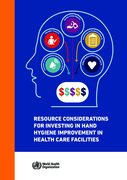
Investment in all the drivers and facilitators of hand hygiene action in health care to ensure that it occurs at the point of care and other critical moments requires a multidisciplinary, multifaceted approach. WHO describes such an
...
approach as a “multimodal improvement strategy” (MMIS) which is at the core of its implementation models for hand hygiene and infection prevention and control (IPC) programmes. The focus of this document is on the resource considerations for investing in hand hygiene improvement in health care (primary, secondary and tertiary) using the MMIS approach.
more
Interconnected Disaster Risks is a new science-based report for the general public from United Nations University – Institute for Environment and Human Security. It was first published in 2021, and is set to become an annual report.

Updated recommendations on simplified service delivery and diagnostics for hepatitis C infection
recommended
Policy Brief. 24 June 2022. This policy brief, one of two on the updated hepatitis C (HCV) guidelines, focuses on the new recommendations on simplified service delivery for a public health approach to HCV testing, care and treatment. These recommend
...
ations include decentralization, integration and task-sharing, in addition to the use of point-of-care (POC) HCV viral load assays and reflex viral load testing.
more

This document compiles the recommendations made by the World Health Organization (WHO) and the Pan American Health Organization (PAHO) to help professionals in charge of vector control programs in Latin America and the Caribbean at the national, subnational, and local level update their knowledge in
...
order to make evidence-based decisions on the most appropriate control measures for each specific situation. IVM can be used for surveillance and control or for elimination of VBDs and can help reduce the development of insecticide resistance through the rational use of these products. This document provides instructions for fulfillment of the 2008 PAHO mandate set forth in CD 48/13 (Integrated Vector Management).
more

Violence against women and girls is widespread in the Region of the Americas, resulting in enormous consequences for the health and wellbeing of women and girls, their families and communities. These costs are unacceptable and they can be prevented through evidence-
...
based action, including the health sector through its policies and protocols, as well as in collaboration with other sectors. This report remains the first of its kind and is a major milestone for the Region. It is specifically informed by the commitments of Member States in the regional Strategy and Plan of Action on Strengthening the Health System to Address Violence against Women. The report provides an analysis of efforts to advance the prevention of violence against women through health policies, clinical protocols, multisectoral plans and related approaches across the Americas. Attention to this topic is timely, as the COVID-19 pandemic has created new visibility for this area of work. This report offers critical information on efforts in the Region that can be learned from and used to build upon in the future to prevent and respond to violence against all women and girls everywhere.
more
Myanmar continues to experience a severe - and worsening - humanitarian and human rights crisis. Conflict and violence have escalated across the country, impacting children and their families and displacing more than 1.5 million people. Access of co
...
nflict-affected populations to services and delivery of humanitarian assistance has been further constrained by restrictions imposed on movement of both people and goods.
more

WHO/Europe has launched a new guide, providing support to countries on how to apply behavioural and cultural insights (BCI) for health. It presents a simple step-wise approach, complemented by a rich collection of detailed considerations, tools and
...
exercises. The guide is the first of its kind, specifically developed for use by public health professionals developing policies, services and communications informed by BCI across health topics.
Some of the most persistent public health challenges involve human behaviour. Using a BCI lens means that health policies, services and communications can be tailored to the needs and circumstances of people and communities, and thereby help combat these challenges. The new Tailoring Health Programmes (THP) guide describes how this can be done.
Building on several topic-specific guides that focused on applying BCI to routine and influenza vaccination and tackling antimicrobial resistance, as well as external evaluations and a rigorous peer-review process, this guide is the result of over a decade of work by WHO/Europe. The THP approach has already been adopted in over 20 countries and has received positive feedback from public health agencies.
“This guide is the culmination of a decade of work involving many colleagues at country, regional and global levels. The guide is our “BCI bible”, guiding our work with and in countries to help tackle persistent health challenges,” said Katrine Bach Habersaat, Regional Advisor for BCI at WHO/Europe.
Karina Godoy, Senior Analyst and National Focal Point for Behavioural Insights at the Public Health Agency of Sweden, who is employing the approach described in the guide across several health projects, comments: “The THP guide is easy to use and at the same time provides detailed guidance and inspiration where needed. We have decided to translate the document into Swedish and use the approach widely”.
more
