
Filter
2045
Text search:
clinical
trials
Featured
239
353
Language
1903
69
69
56
28
21
13
13
8
2
2
2
2
2
2
1
1
1
1
1
1
Document type
946
430
357
112
81
50
32
12
12
7
3
2
Countries
110
100
57
36
32
27
23
21
21
21
20
19
19
18
18
17
17
16
15
15
15
14
14
12
12
12
12
11
10
10
10
9
9
8
8
6
6
6
6
6
5
5
5
5
5
5
4
4
4
4
4
4
4
3
3
3
3
3
3
3
3
2
2
2
2
2
2
2
2
2
2
2
2
2
1
1
1
1
1
1
1
1
1
1
1
1
1
1
1
1
1
1
1
1
1
1
Authors & Publishers
477
148
87
60
45
44
43
27
19
19
19
16
15
12
12
12
12
10
10
9
8
8
7
7
6
6
6
6
6
6
5
5
5
5
5
5
5
5
5
5
5
5
4
4
4
4
4
4
4
4
4
4
4
4
4
4
4
4
4
4
4
3
3
3
3
3
3
3
3
3
3
3
3
3
3
3
3
3
3
3
3
3
3
3
3
3
3
3
3
3
3
3
3
3
3
3
3
3
3
3
3
3
3
3
3
3
3
3
2
2
2
2
2
2
2
2
2
2
2
2
2
2
2
2
2
2
2
2
2
2
2
2
2
2
2
2
2
2
2
2
2
2
2
2
2
2
2
2
2
2
2
2
2
2
2
2
2
2
2
2
2
2
2
2
2
2
2
2
2
2
2
2
2
2
2
2
2
2
2
2
2
2
2
2
2
2
2
2
2
2
2
2
2
2
2
2
2
2
2
2
2
2
2
2
2
2
2
2
2
2
2
2
2
2
2
2
2
2
2
2
2
2
2
2
2
2
2
2
2
2
2
1
1
1
1
1
1
1
1
1
1
1
1
1
1
1
1
1
1
1
1
1
1
1
1
1
1
1
1
1
1
1
1
1
1
1
1
1
1
1
1
1
1
1
1
1
1
1
1
1
1
1
1
1
1
1
1
1
1
1
1
1
1
1
1
1
1
1
1
1
1
1
1
1
1
1
1
1
1
1
1
1
1
1
1
1
1
1
1
1
1
1
1
1
1
1
1
1
1
1
1
1
1
1
1
1
1
1
1
1
1
1
1
1
1
1
1
1
1
1
1
1
1
1
1
1
1
1
1
1
1
1
1
1
1
1
1
1
1
1
1
1
1
1
1
1
1
1
1
1
1
1
1
1
1
1
1
1
1
1
1
1
1
1
1
1
1
1
1
1
1
1
1
1
1
1
1
1
1
1
1
1
1
1
1
1
1
1
1
1
1
1
1
1
1
1
1
1
1
1
1
1
1
1
1
1
1
1
1
1
1
1
1
1
1
1
1
1
1
1
1
1
1
1
1
1
1
1
1
1
1
1
1
1
1
1
1
1
1
1
1
1
1
1
1
1
1
1
1
1
1
1
1
1
1
1
1
1
1
1
1
1
1
1
1
1
1
1
1
1
1
1
1
1
1
1
1
1
1
1
1
1
1
1
1
1
1
1
1
1
1
1
1
1
1
1
1
1
1
1
1
1
1
1
1
1
1
1
1
1
1
1
1
1
1
1
1
1
1
1
1
1
1
1
1
1
1
1
1
1
1
1
1
1
1
1
1
1
1
1
1
1
1
1
1
1
1
1
1
1
1
1
1
1
1
1
1
1
1
1
1
1
1
1
1
1
1
1
1
1
1
1
1
1
1
1
1
1
1
1
1
1
1
1
1
1
1
1
1
1
1
1
1
1
1
1
1
1
1
1
1
1
1
1
1
1
1
1
1
1
1
1
1
1
1
1
1
1
1
1
1
1
1
1
1
1
1
1
1
1
1
1
1
1
1
1
1
1
1
1
1
1
1
1
1
1
1
1
1
1
1
1
1
1
1
1
1
1
1
1
1
1
1
1
1
1
1
1
1
1
1
1
1
1
1
1
1
1
1
1
1
1
1
1
1
1
1
1
1
1
1
1
1
1
1
1
1
1
1
1
1
1
1
1
1
1
1
1
1
1
1
1
1
1
1
1
1
1
1
1
1
1
1
1
1
1
1
1
1
1
1
1
1
1
1
1
1
1
1
1
1
1
1
1
1
1
1
1
1
1
1
1
1
1
1
1
1
1
1
1
1
1
1
1
1
1
1
1
1
1
1
1
1
1
1
1
1
1
1
1
1
1
1
1
1
1
1
1
1
1
1
1
1
1
1
1
1
1
1
1
1
1
1
1
1
1
1
1
1
1
1
1
1
1
1
1
1
1
1
1
1
1
1
1
1
1
1
1
1
1
1
1
1
1
1
1
1
1
1
1
1
1
1
1
1
1
1
1
1
1
1
1
1
1
1
1
1
1
1
1
1
1
1
1
1
1
1
1
1
1
1
1
1
1
1
1
1
1
1
1
1
1
1
1
1
1
1
1
1
1
1
1
1
1
1
1
1
1
1
1
1
1
1
1
1
1
1
1
1
1
1
1
1
1
1
1
1
1
1
1
1
1
1
1
1
1
1
1
1
1
1
1
1
1
1
1
1
1
1
1
1
1
1
1
1
1
1
1
1
1
1
1
1
1
1
1
1
1
1
1
1
1
1
1
1
1
1
1
1
1
1
1
1
1
1
1
1
1
1
1
1
1
1
1
1
1
1
1
1
1
1
1
1
1
1
1
1
1
1
1
1
1
1
1
1
1
1
1
1
1
1
1
1
1
1
1
1
1
1
1
1
1
1
1
1
1
1
1
1
1
1
1
1
1
1
1
1
1
1
1
1
1
1
1
1
1
1
1
1
1
1
1
1
1
1
1
1
1
1
1
1
1
1
1
1
1
1
1
1
1
1
1
1
1
1
1
1
1
1
1
1
1
1
1
1
1
1
1
1
1
1
1
1
1
1
1
1
1
1
1
1
1
1
1
1
1
1
1
1
1
1
1
1
1
1
1
1
1
1
1
1
1
1
1
1
1
1
1
1
1
1
1
1
1
1
1
1
1
1
1
1
1
1
1
1
1
1
1
1
1
1
1
1
1
1
1
1
1
1
1
1
1
1
1
1
1
1
1
1
1
1
1
1
1
1
1
1
1
1
1
1
1
1
1
1
1
1
1
1
1
1
1
1
1
1
1
1
1
1
1
1
1
1
1
1
1
1
1
1
1
1
1
1
1
1
1
1
1
1
1
1
1
1
1
1
1
1
1
1
1
1
1
1
1
1
1
1
1
1
1
1
1
1
1
1
1
1
1
1
1
1
1
1
1
1
1
1
1
1
1
1
1
1
1
1
1
1
1
1
1
1
1
1
1
1
1
1
1
1
1
1
1
1
1
1
1
1
1
1
1
1
1
1
1
1
1
1
1
1
1
1
1
1
1
1
1
1
1
1
1
1
1
1
1
1
1
1
1
1
1
1
1
1
1
1
1
1
1
1
1
1
1
1
1
1
1
1
1
1
1
1
1
1
1
1
1
1
1
1
1
1
1
1
1
1
1
1
1
1
1
1
1
1
1
1
1
1
1
1
1
1
1
1
1
1
1
1
1
1
1
1
1
1
1
1
1
1
1
1
1
1
1
1
1
1
1
1
1
1
1
1
1
1
1
1
1
1
1
1
1
1
1
1
1
1
1
1
1
1
1
1
1
1
1
1
1
1
1
1
1
1
1
1
1
1
1
1
1
1
1
1
1
1
1
1
1
1
1
1
1
1
1
1
1
1
1
1
1
1
1
1
1
1
1
1
1
1
1
1
1
1
1
1
1
1
1
1
1
1
1
1
1
1
1
1
1
1
1
1
1
1
1
1
1
1
1
1
1
1
1
1
1
1
1
1
1
1
1
1
1
1
1
1
1
1
1
1
1
1
1
1
1
1
1
1
1
1
1
1
1
1
1
1
1
1
1
1
1
1
1
1
1
1
1
1
1
1
1
1
1
1
1
1
1
1
1
1
1
1
1
1
1
1
1
1
1
1
1
1
1
1
1
1
1
1
1
1
1
1
1
1
1
1
1
1
1
1
1
1
1
1
1
1
1
1
1
1
1
1
1
1
1
1
1
1
1
1
1
1
1
1
1
1
1
1
1
1
1
1
1
1
1
1
1
1
1
1
1
1
1
1
1
1
1
1
1
1
1
1
1
1
1
1
1
1
1
1
1
1
1
1
1
1
1
1
1
1
1
1
1
1
1
1
1
1
1
1
1
1
1
1
1
1
1
1
1
1
1
1
1
1
1
1
1
1
1
1
1
1
1
1
1
1
1
1
1
1
1
1
1
1
1
1
1
1
1
1
1
1
1
1
1
1
1
1
1
1
1
Publication Years
756
1131
145
12
1
Category
519
296
141
127
38
29
21
Toolboxes
289
261
170
110
93
89
64
60
51
50
44
27
25
20
19
18
16
12
12
11
10
10
4
3
2
31 March 2021
This article is part of a series of explainers on vaccine development and distribution. Learn more about vaccines – from how they work and how they’re made to ensuring safety and equitable access – in WHO’s Vaccines Explained series.
COVID-19 vaccines are safe, and getting v
...
accinated will help protect you against developing severe COVID-19 disease and dying from COVID-19. You may experience some mild side effects after getting vaccinated, which are signs that your body is building protection.
more
31 March 2021
This article is part of a series of explainers on vaccine development and distribution. Learn more about vaccines – from how they work and how they’re made to ensuring safety and equitable access – in WHO’s Vaccines Explained series.
Vaccines are a critical tool in the battl
...
e against COVID-19, and getting vaccinated is one of the best ways to protect yourself and others from COVID-19.
more

Vaccine hesitancy
recommended
April 19,2021
MEDBOX Issue Brief no.12
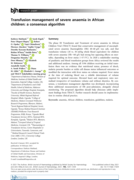
The paper provides the rationale for these recommendations, which are based on analyses of data from the TRACT trial.

Current and expected problems such as ageing, increased prevalence of chronic conditions and multi-morbidity, increased emphasison healthy lifestyle and prevention, and substitution for care from hospitals by care provided in the community encourage countries worldwide to develop new models of prima
...
ry care delivery. Owing to the fact that many tasks do not necessarily require the knowledge and skills of a doctor, interest in using nurses to expand the capacity of the primary care workforce is increasing. Substitution of nurses for doctors is one strategy used to improve access, efficiency, and quality of care. This is the first update of the Cochrane review published in 2005.
more
This article looks at the Baseline Standards developed by the International Society for Paediatric
Oncology (SIOP) for paediatric oncology nursing care in low- and middle-income countries. The
Baseline Standards lay the foundation for effective care and address barriers such as inadequate
staffin
...
g levels, lack of support, limited access to nurse education and unsafe nursing environments.
more
Tackling COVID-19 misinformation. Ensuring communities have access to lifesaving public health information from trusted sources and are not misled by misinformation is essential to ending the COVID-19 pandemic.
In an effort to empower doctors and nurses – some of the most effective and trusted
...
messengers of public health information – to actively address COVID-19 misinformation and build vaccine confidence globally, the WHO welcomes this social media toolkit for healthcare practitioners, developed by the Government of the United Kingdom.
This toolkit aims to provide healthcare workers with the tools, skills and content needed to effectively share authentic and reliable information online. Centered around three core vaccine confidence messages, Vaccine Safety, Vaccine Development and Vaccine Reducing Risk of Sickness; this toolkit sets out three approaches: creating your own posts, posting the images and videos provided in the toolkit, or resharing vaccine information from trusted sources.
more

Front. Med., 27 November 2020 | https://doi.org/10.3389/fmed.2020.594728. The Checklist included eight actions for implementing rural pathways in LMICs: establishing community needs; policies and partners; exploring existing workers and scope; selecting health workers; education and training; workin
...
g conditions for recruitment and retention; accreditation and recognition of workers; professional support/up-skilling and; monitoring and evaluation. For each action, a summary of LMICs-specific evidence and prompts was developed to stimulate reflection and learning. To support implementation, rural pathways exemplars from different WHO regions were also compiled. Field-testing showed the Checklist is fit for purpose to guide holistic planning and benchmarking of rural pathways, irrespective of LMICs, stakeholder, or health worker type.
more
Nature Medicine, https://doi.org/10.1038/s41591-021-01283-z

16.7.2021

24 September 2021. The vaccine has been authorized by the Chinese National Regulatory Authority (NRA) – the National Medicinal Product Administration (NMPA) – as well as other regulatory authorities. Because WHO has granted Emergency Use Listing (EUL) for the COVID-19 Vaccine BIBP/ Sinopharm, th
...
e Africa Union and Africa CDC’s Regulatory Taskforce has endorsed the Emergency Use Authorization for the vaccine (see scenario #1) and the specification is 0.5ml/dose, 1 dose/vial; or 2 doses/vial; or 5 doses/vial. As such, African Union Member States are recommended to waive any review processes and rely directly on the WHO EUL via the AVAREF managed pathway described in Scenario #1.
more

24 September 2021. The vaccine has been authorized by the Chinese National Regulatory Authority (NRA) – the National Medicinal Product Administration (NMPA) – as well as other regulatory authorities. Because WHO has granted Emergency Use Listing (EUL) for the Sinovac COVID-19 vaccine (Vero Cell
...
[Inactivated]) – CoronaVac, the Africa Union and Africa CDC’s Regulatory Taskforce has endorsed the Emergency Use Authorisation for the vaccine (see scenario #1). As such, African Union Member States are recommended to waive any review processes and rely directly on the WHO EUL via the AVAREF managed pathway described in Scenario #1
more

Die aktuellen Leitlinien stellen detailliert und umfassend die gesamte wissen-
schaftliche Basis und die daraus abgeleiteten Therapieempfehlungen in elf Einzel-
kapiteln dar. Darunter befinden sich auch allgemeingültige Empfehlungen wie
zum Beispiel zur Ausbildung und zu ethischen Fragestellunge
...
n am Lebensende.
Um Ihnen einen möglichst schnellen und gleichzeitig umfassenden Überblick zu
ermöglichen, haben wir für Sie in diesem Taschenbuch die wesentlichen Aussagen
aus allen Kapiteln als Kurzfassung zusammengestellt.
more
These WHO interim recommendations for use of the COVID-19 vaccine BIBP produced by Sinopharm were developed on the basis of advice issued by the Strategic Advisory Group of Experts on Immunization (SAGE) and the evidence summary included in the background document and annexes referenced below.
Th
...
is document has been updated: version 15 March 2022.
more

Adolescent girls and young women (AGYW) remain disproportionately affected by HIV in Eastern and Southern Africa (ESA), with 26 per cent of new infections attributed to this population. AGYW face many personal, social and structural barriers to access, uptake and use of traditional HIV prevention me
...
thods. Oral Pre-exposure Prophylaxis (PrEP) is proven to be highly effective as an additional prevention choice for reducing the risk of HIV acquisition, including for AGYW. Successful uptake and adherence to PrEP is critical in its effectiveness as an HIV prevention method, however, the current demand for PrEP by AGYW is low with suboptimal adherence.
Within the ESA region, there is currently great impetus to address these challenges and scale up PrEP for AGYW. A critical aspect of this is to leverage the learnings and evidence from implementation of how to improve the demand and quality of PrEP programming for this population. Improving the Quality of Pre-Exposure Prophylaxis Implementation for Adolescent Girls and Young Women in Eastern and Southern Africa examines the current efforts in the region to accelerate and scale up evidence-based PrEP delivery platforms. The implementation brief provides current knowledge and builds on WHO guidance to provide key considerations for implementation, including driving demand and improving quality, as well as focus on wider combination prevention and integration agendas.
more
Interim guidance, 26 October 2021
This interim guidance has been developed on the basis of the advice issued by the Strategic Advisory Group of Experts (SAGE) on Immunization at its meeting on 5 October 2021.
SAGE said moderately and severely immunocompromised persons should be offered an addition
...
al dose of all WHO approved vaccines “since these individuals are less likely to respond adequately to vaccination following a standard primary vaccine series and are at high risk of severe COVID-19 disease.”
People aged 60 and older who received the Sinovac and Sinopharm vaccines should get a third dose too, the experts added, though use of other vaccines may also be considered depending on supply and access.
“When implementing this recommendation, countries should initially aim at maximizing 2-dose coverage in that population, and thereafter administer the third dose, starting in the oldest age groups”, they said.
SAGE has also reviewed a vaccine developed by Indian company Bharat Biotech and will issue a policy recommendation after WHO greenlights it for emergency use.
more
27 September 2022
These WHO interim recommendations for use of the Novavax NVX-CoV2373 vaccine were developed on the basis of advice issued by the Strategic Advisory Group of Experts on Immunization (SAGE) and the evidence summary included in the background document and annexes referenced below.
