
Filter
650
Text search:
reducing
sugar
Featured
75
198
Language
Document type
331
134
83
34
32
19
8
3
2
2
1
1
Countries
73
50
28
22
15
15
14
14
13
13
13
12
11
11
11
9
9
8
7
6
6
5
4
4
4
4
4
3
3
3
3
3
3
3
3
3
2
2
2
2
2
2
2
2
2
2
2
2
2
1
1
1
1
1
1
1
1
1
1
1
1
1
1
1
1
1
1
1
1
1
1
1
1
1
1
1
1
1
1
1
1
1
1
Authors & Publishers
Publication Years
Category
311
83
65
49
40
17
1
Toolboxes
64
39
31
18
17
16
14
13
12
11
11
11
11
10
5
5
5
5
5
4
4
2
1
1

This content is from the Advance Chapters of the NEW Where There Is No Doctor. You can download this chapter in Bangla, English, Haitian Kreyol, Lao, Nepali, Spanish, and Swahili

Kenya in undergoing an epidemiological transition marked by a decline in morbidity and mortality due to communicable conditions, and an increase in the burden of non-communicable diseases (NCDs), which include diseases such as diabetes, cancers, cardiovascular diseases and chronic respiratory infect
...
Zimbabwe Cholera Control Guidelines
recommended
3rd edition

This short guide to the Global Diabetes Compact explains what diabetes is and why action to improve prevention efforts, diagnosis and treatment is so urgent. It outlines the key asks associated with the Compact and emphasizes that increasing access to insulin, strengthening health systems and meanin
...

The Cholera Outbreak Guidelines: Preparedness, Prevention, and Control provide a practical field guide for responding to cholera outbreaks. Developed by Oxfam GB, the guidelines combine lessons from past cholera interventions and best practices for effective outbreak management. The document outline
...

It provides insight into WHO’s work that aims to improve the health of the people of the United Republic of Tanzania in collaboration with key stakeholders.

India is experiencing rapid demographic and epidemiological transitions with NCDs causing significant disability, morbidity and mortality both in urban and rural populations and across all socioeconomic strata. According to the ICMR State Level Disease Burden Initiative, in 2016, NCDs accounted to a
...

Lancet Planet Health 2022;6: e760–68
The emergence of COVID-19 has drawn the attention of health researchers sharply back to the role that food systems can play in generating human disease burden. But emerging pandemic threats are just one dimension of the complex relationship between agriculture
...

Diabetes is an increasingly prevalent yet under-recognised health crisis in Africa, driven by demographic and socioeconomic transitions. In 2021, 24 million adults in the region were living with diabetes, and this figure is expected to increase by 129% by 2045.
Unhealthy diets and excess body weight are leading risk factors for death and disability in the WHO European Region. Addressing malnutrition in all its forms is essential to ensure health and well-being for all and, consequently, sustainable development. It requires coherent and innovative actions c
...

This flipbook, released in Nov. 2011, contains key messages that pregnant women and their families need in order to plan care of an infant at home right after birth. It focuses on essential actions families can take both to prevent newborn death and illness and to promote healthy newborn development
...
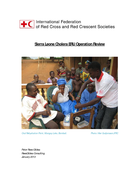
This review of the IFRC support to the Sierra Leone Red Cross Society response to the 2012 cholera outbreak provides ideas and concepts to promote a more coherent and evidence based rationale on how to make more effective use of IFRC global assets to stop, control, mitigate and respond to cholera ep
...

BMC Medicine (2015) 13:42 DOI 10.1186/s12916-014-0263-6

4th edition. A manual for clinics, community health centers and district hospitals


Hypertension, or high blood pressure, is a condition which generally has no symptoms and if left untreated, can lead to heart attacks, heart failure, stroke, kidney failure and blindness. Risk factors include older age, overweight or obesity, lack of physical activity, high salt/sodium intake, and h
...
