Filter
862
Text search:
World
Health
Organization
(WHO),
Regional
Office
for
South-East-Asia
Featured
Recommendations
116
New Publications
231
Language
Document type
No document type
396
Studies & Reports
179
Guidelines
157
Manuals
44
Strategic & Response Plan
39
Training Material
13
Fact sheets
10
Situation Updates
8
Resource Platforms
8
Infographics
4
Brochures
2
Online Courses
2
Countries / Regions
South–East Asia Region
67
Global
64
India
45
Asia
38
Myanmar / Burma
27
Nepal
23
Bangladesh
17
Philippines
12
Indonesia
11
Western Pacific Region
11
Africa
11
Thailand
10
Cambodia
9
Western and Central Europe
9
Afghanistan
5
Sri Lanka
5
Pakistan
4
China
4
South Africa
4
Eastern Europe
4
Laos
4
Russia
4
Vietnam
4
Nigeria
3
Ethiopia
3
Ghana
3
Uganda
3
Syria
3
Kenya
3
East and Southern Africa
3
West and Central Africa
3
Middle East and North Africa
3
Venezuela
3
Timor Leste/ East Timor
3
Burkina Faso
2
Congo, Democratic Republic of
2
Haiti
2
South Sudan
2
Tanzania
2
Rwanda
2
Mozambique
2
Sudan
2
Yemen
2
Latin America and the Carribbean
2
Iran
2
Sierra Leone
1
Liberia
1
Senegal
1
Morocco
1
USA
1
Saudi Arabia
1
Cameroon
1
Iraq
1
Jordan
1
Lebanon
1
Zambia
1
Papua New Guinea
1
Namibia
1
Eswatini/ Swaziland
1
Brazil
1
Ukraine
1
Ecuador
1
Greece
1
Mexico
1
Eastern Europe and Central Asia
1
Other region
1
Paraguay
1
Bhutan
1
Palestine
1
North Korea
1
Albania
1
Mongolia
1
Tajikistan
1
Kazakhstan
1
Georgia
1
Tunisia
1
Bosnia and Herzegovina
1
Authors & Publishers
Publication Years
Category
Countries
187
Clinical Guidelines
125
Public Health
75
Women & Child Health
67
Key Resources
42
Capacity Building
21
Pharmacy & Technologies
14
Toolboxes
HIV
87
Mental Health
72
TB
60
COVID-19
59
NTDs
49
Planetary Health
41
AMR
36
Caregiver
31
Global Health Education
29
Rapid Response
25
NCDs
21
Disability
19
Malaria
19
Pharmacy
16
2.0 Rapid Response
16
Zika
12
Refugee
9
Health Financing Toolbox
9
Conflict
7
Natural Hazards
7
Ebola & Marburg
6
Specific Hazards
6
Cholera
4
Polio
4
Typhoon
1

he WHO South-East Region in 2019 accounted for nearly a million missing TB patients from the estimated incidence. Active case-finding (ACF) or systematic screening
...
The guideline elaborates on the prevention and control strategy developed by the South-East Asia Region
...
The Asia Pacific Observatory on Health Systems and Policies is a collaborative partnership which supports and promotes evidence-based health policy making in the Asia Pacific Region. Based in
...
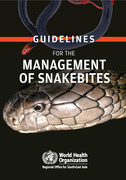
Snakebites are well-known medical emergencies in many parts of the world, especially in rural areas. Agricultural workers and children are the most affected. The incidence of snakebite mortality is particularly high in
...

Information on Chikungunya Fever
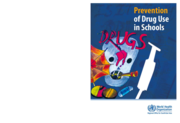
Schools are generally the most popular setting for drug-use-
prevention programmes, and are used both by governmental and
non-governmental agencies. This may be for many reasons: ease of
obtainin
...
This publication provides directions for a logical, evidence informed approach to selecting, developing, implementing and monitoring population-based interventions within the context of the double-burden of malnutrition in
...

The socioeconomic factors and public health inadequacies that facilitated the rapid spread of this infection continue to exist. As it is a new and emerging disease it has not received sufficient coverage yet in the medical curricula of Member States
...

Review of International, Regional and National Policies and Legal Frameworks that Promote Migrants and Mobile Populations' Access to Health and Malaria Services in the Greater Mekong Subregion (Camb
...
Birth defect has been an emerging major cause of child mortality in the region. Scarcity of the birth defects information hampers policy decisions and control measures at national level. In order to create evidence for action
...

Birth defect has been an emerging major cause of child mortality in the region. Scarcity of the birth defects information hampers policy decisions and control measures at national level. In order to create evidence for action
...
Frequently asked questions on Antimicrobial resistance.

Polymerase Chain Reaction (PCR) has significantly helped in early diagnosis and commencement of specific interventions for diseases control. It also plays a critical role in understanding the disease epidemiology and unraveling the transmissio
...