
Filter
1790
Text search:
Management
of
Occupational
Health
Featured
226
403
Language
Document type
899
352
237
144
67
37
27
10
6
3
3
3
1
Countries
88
84
69
54
53
42
39
31
28
28
27
23
23
23
23
21
20
20
19
19
18
16
15
14
14
13
13
13
13
12
11
11
9
9
9
9
8
8
8
7
7
7
6
6
5
5
5
5
5
4
4
4
4
4
4
4
3
3
3
3
3
3
2
2
2
2
2
2
2
2
2
2
2
1
1
1
1
1
1
1
1
1
1
1
1
1
1
1
1
1
1
1
1
1
1
1
1
1
1
1
Authors & Publishers
Publication Years
Category
669
143
117
110
39
22
20
Toolboxes
228
200
111
87
87
86
65
54
48
44
42
39
35
30
30
28
27
19
10
9
7
5
3
1
1

Myanmar is one of the world’s 22 high tuberculosis (TB) burden countries, and supporting TB control in Myanmar is a global priority. This report reflects the findings, discussions, conclusions and recommendations
...
The Government of Kenya, through the Ministry of Health, has the
constitutional obligation to provide the highest level
...
Combination file of all the documents related to the national guidelines for accreditation, supervision and regulation of ART clinics in India. Documents included:
National Guidelines for Accredit
...

Hypertension is referred to as a “silent killer”. Most people with hypertension are unaware of their condition as in most cases, they experience no warning signs or symptoms hence they are not identified or treated. Hypertention is associated wi
...



8–18 December 2015
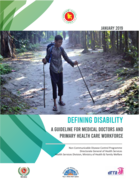
January 2019
Non Communicable Disease Control Programme Directorate General of Health Services Health Services Division, Ministry
...

N95 or equivalent respirators are single-use personal protective equipment (PPE) designed for use by health workers that provide direct care to patients with diseases transmitted by aerosols or during aerosol generating procedures (AGP) for patients
...

Non-Communicable Diseases (NCDs) have emerged as conditions of great public health concern in Kenya accounting for 39% of deaths annually. The Mini
...
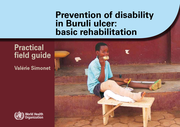
The guide contains valuable tools for wound care and the rehabilitation of people affected by Buruli ulcer. It is also helpful for peripheral health centres in areas where Buruli ulcer is endemic an
...
The guidelines begin with an overview of the determinants of mental health among children and adolescents before reviewing related South African po
...


Epilepsy is one of the world’s most common chronic neurological disorders. Roughly 50 million people
suffer from it, 5 million of them in the Region of
...
Q6: Can dementia be diagnosed at first or second level care by non-specialist health care providers? What should be the assessment process for the diagnosis of dementia?
