
Filter
2550
Text search:
children
with
disabilities
Featured
230
598
Language
2404
83
69
34
32
23
12
10
6
6
6
4
4
4
4
3
3
3
3
3
3
3
3
3
2
2
2
2
2
2
2
2
2
2
1
1
1
1
1
1
1
1
1
1
1
1
1
1
1
1
1
1
1
1
1
1
Document type
1566
365
238
132
127
40
39
25
4
4
4
2
1
1
Countries
99
74
71
66
64
59
54
54
48
45
43
43
36
35
34
34
32
29
29
27
26
26
25
25
24
23
23
18
18
17
17
16
16
15
14
13
13
12
11
10
10
10
9
9
9
9
9
9
8
8
7
7
7
7
7
7
7
7
7
6
6
6
6
5
4
4
4
4
3
3
3
3
3
3
3
3
3
3
3
2
2
2
2
2
2
2
2
2
2
2
2
2
2
1
1
1
1
1
1
1
1
1
1
1
1
1
1
1
1
1
1
1
1
1
1
1
Authors & Publishers
229
91
79
67
66
64
50
47
43
36
32
28
27
23
22
22
22
21
21
21
19
17
17
15
14
13
13
13
12
12
12
11
11
11
11
10
10
10
10
10
10
9
9
9
9
9
9
8
8
7
7
7
7
7
7
6
6
6
6
6
6
6
6
6
6
6
5
5
5
5
5
5
5
5
5
5
5
5
5
5
5
5
4
4
4
4
4
4
4
4
4
4
4
4
4
4
4
4
4
4
4
4
4
4
4
4
3
3
3
3
3
3
3
3
3
3
3
3
3
3
3
3
3
3
3
3
3
3
3
3
3
3
3
3
3
3
3
3
3
3
3
3
3
3
3
3
3
3
3
3
3
3
3
3
3
3
3
3
3
3
3
3
3
3
3
2
2
2
2
2
2
2
2
2
2
2
2
2
2
2
2
2
2
2
2
2
2
2
2
2
2
2
2
2
2
2
2
2
2
2
2
2
2
2
2
2
2
2
2
2
2
2
2
2
2
2
2
2
2
2
2
2
2
2
2
2
2
2
2
2
2
2
2
2
2
2
2
2
2
2
2
2
2
2
2
2
2
2
2
2
2
2
2
2
2
2
2
2
2
2
2
2
2
2
2
2
2
2
2
2
2
2
2
2
2
2
2
2
2
2
2
2
2
2
2
2
2
2
2
2
2
2
2
2
2
2
2
2
2
2
2
2
2
2
2
2
2
2
2
2
2
2
1
1
1
1
1
1
1
1
1
1
1
1
1
1
1
1
1
1
1
1
1
1
1
1
1
1
1
1
1
1
1
1
1
1
1
1
1
1
1
1
1
1
1
1
1
1
1
1
1
1
1
1
1
1
1
1
1
1
1
1
1
1
1
1
1
1
1
1
1
1
1
1
1
1
1
1
1
1
1
1
1
1
1
1
1
1
1
1
1
1
1
1
1
1
1
1
1
1
1
1
1
1
1
1
1
1
1
1
1
1
1
1
1
1
1
1
1
1
1
1
1
1
1
1
1
1
1
1
1
1
1
1
1
1
1
1
1
1
1
1
1
1
1
1
1
1
1
1
1
1
1
1
1
1
1
1
1
1
1
1
1
1
1
1
1
1
1
1
1
1
1
1
1
1
1
1
1
1
1
1
1
1
1
1
1
1
1
1
1
1
1
1
1
1
1
1
1
1
1
1
1
1
1
1
1
1
1
1
1
1
1
1
1
1
1
1
1
1
1
1
1
1
1
1
1
1
1
1
1
1
1
1
1
1
1
1
1
1
1
1
1
1
1
1
1
1
1
1
1
1
1
1
1
1
1
1
1
1
1
1
1
1
1
1
1
1
1
1
1
1
1
1
1
1
1
1
1
1
1
1
1
1
1
1
1
1
1
1
1
1
1
1
1
1
1
1
1
1
1
1
1
1
1
1
1
1
1
1
1
1
1
1
1
1
1
1
1
1
1
1
1
1
1
1
1
1
1
1
1
1
1
1
1
1
1
1
1
1
1
1
1
1
1
1
1
1
1
1
1
1
1
1
1
1
1
1
1
1
1
1
1
1
1
1
1
1
1
1
1
1
1
1
1
1
1
1
1
1
1
1
1
1
1
1
1
1
1
1
1
1
1
1
1
1
1
1
1
1
1
1
1
1
1
1
1
1
1
1
1
1
1
1
1
1
1
1
1
1
1
1
1
1
1
1
1
1
1
1
1
1
1
1
1
1
1
1
1
1
1
1
1
1
1
1
1
1
1
1
1
1
1
1
1
1
1
1
1
1
1
1
1
1
1
1
1
1
1
1
1
1
1
1
1
1
1
1
1
1
1
1
1
1
1
1
1
1
1
1
1
1
1
1
1
1
1
1
1
1
1
1
1
1
1
1
1
1
1
1
1
1
1
1
1
1
1
1
1
1
1
1
1
1
1
1
1
1
1
1
1
1
1
1
1
1
1
1
1
1
1
1
1
1
1
1
1
1
1
1
1
1
1
1
1
1
1
1
1
1
1
1
1
1
1
1
1
1
1
1
1
1
1
1
1
1
1
1
1
1
1
1
1
1
1
1
1
1
1
1
1
1
1
1
1
1
1
1
1
1
1
1
1
1
1
1
1
1
1
1
1
1
1
1
1
1
1
1
1
1
1
1
1
1
1
1
1
1
1
1
1
1
1
1
1
1
1
1
1
1
1
1
1
1
1
1
1
1
1
1
1
1
1
1
1
1
1
1
1
1
1
1
1
1
1
1
1
1
1
1
1
1
1
1
1
1
1
1
1
1
1
1
1
1
1
1
1
1
1
1
1
1
1
1
1
1
1
1
1
1
1
1
1
1
1
1
1
1
1
1
1
1
1
1
1
1
1
1
1
1
1
1
1
1
1
1
1
1
1
1
1
1
1
1
1
1
1
1
1
1
1
1
1
1
1
1
1
1
1
1
1
1
1
1
1
1
1
1
1
1
1
1
1
1
1
1
1
1
1
1
1
1
1
1
1
1
1
1
1
1
1
1
1
1
1
1
1
1
1
1
1
1
1
1
1
1
1
1
1
1
1
1
1
1
1
1
1
1
1
1
1
1
1
1
1
1
1
1
1
1
1
1
1
1
1
1
1
1
1
1
1
1
1
1
1
1
1
1
1
1
1
1
1
1
1
1
1
1
1
1
1
1
1
1
1
1
1
1
1
1
1
1
1
1
1
1
1
1
1
1
1
1
1
1
1
1
1
1
1
1
1
1
1
1
1
1
1
1
1
1
1
1
1
1
1
1
1
1
1
1
1
1
1
1
1
1
1
1
1
1
1
1
1
1
1
1
1
1
1
1
1
1
1
1
1
1
1
1
1
1
1
1
1
1
1
1
1
1
1
1
1
1
1
1
1
1
1
1
1
1
1
1
1
1
1
1
1
1
1
1
1
1
1
1
1
1
1
1
1
1
1
1
1
1
1
1
1
1
1
1
1
1
1
1
1
1
1
1
1
1
1
1
1
1
1
1
1
1
1
1
1
1
1
1
1
1
1
1
1
1
1
1
1
1
1
1
1
1
1
1
1
1
1
1
1
1
1
1
1
1
1
1
1
1
1
1
1
1
1
1
1
1
1
1
1
1
1
1
1
1
1
1
1
1
1
1
1
1
1
1
1
1
1
1
1
1
1
1
1
1
1
1
1
1
1
1
1
1
1
1
1
1
1
1
1
1
1
1
1
1
1
1
1
1
1
1
1
1
1
1
1
1
1
1
1
1
1
1
1
1
1
1
1
1
1
1
1
1
1
1
1
1
1
1
1
1
1
1
1
1
1
1
1
1
1
1
1
1
1
1
1
1
1
1
1
1
1
1
1
1
1
1
1
1
1
1
1
1
1
1
1
1
1
1
1
1
1
1
1
1
1
1
1
1
1
1
1
1
1
1
1
1
1
1
1
1
1
1
1
1
1
1
1
1
1
1
1
1
1
1
1
1
1
1
1
1
1
1
1
1
1
1
1
1
1
1
1
1
1
1
1
1
1
1
1
1
1
1
1
1
1
1
1
1
1
1
1
1
1
1
1
1
1
1
1
1
1
1
1
1
1
1
1
1
1
1
1
1
1
1
1
1
1
1
1
1
1
1
1
1
1
1
1
1
1
1
1
1
1
1
1
1
1
1
1
1
1
1
1
1
1
1
1
1
1
1
1
1
1
1
1
1
1
1
1
1
1
1
1
1
1
1
1
1
1
1
1
1
1
1
1
1
1
1
1
1
1
1
1
1
1
1
1
1
1
1
1
1
1
1
1
1
1
1
1
1
1
1
1
1
1
1
1
1
1
1
1
1
1
1
1
1
1
1
1
1
1
1
1
1
1
1
1
1
1
1
1
1
1
1
1
1
1
1
1
1
1
1
1
1
1
1
1
1
1
1
1
1
1
1
1
1
1
1
1
1
1
1
1
1
1
1
1
1
1
1
1
1
1
1
1
1
1
1
1
1
1
1
1
1
1
1
1
1
1
1
1
1
1
1
1
1
1
1
1
1
1
1
1
1
1
1
1
1
1
1
1
1
1
1
1
1
1
1
1
1
1
1
1
1
1
1
1
1
1
1
1
1
1
1
1
1
1
1
1
1
1
1
1
1
1
1
1
1
1
1
1
1
1
1
1
1
1
1
1
1
1
1
1
1
1
1
1
1
1
1
1
1
1
1
1
1
1
1
1
1
1
1
1
1
1
1
1
1
1
1
1
1
1
1
1
1
1
1
1
1
1
1
1
1
1
1
1
1
1
1
1
1
1
1
1
1
1
1
1
1
1
1
1
1
1
1
1
1
1
1
1
1
1
1
1
1
1
1
1
1
1
1
1
1
1
1
1
1
1
1
1
1
1
1
1
1
1
1
1
1
1
1
1
1
1
1
1
1
1
1
1
1
1
1
1
1
1
1
Publication Years
1
739
1592
213
5
Category
958
166
158
102
74
45
4
Toolboxes
574
326
249
148
74
70
66
62
36
30
29
27
23
22
18
14
11
10
8
6
6
4
4
4
2
1
This is an open-access training course for frontline healthcare providers who manage acute illness and injury with limited resources. Produced in response to requests from multiple countries and international partners, the BEC package includes a Par
...
ticipant Workbook and electronic slide decks for each module. Integrating the guidance from WHO Emergency Triage, Assessment and Treatment (ETAT) for children and the Integrated Management of Adult/Adolescent Illness (IMAI), BEC teaches a systematic approach to the initial assessment and management of time-sensitive conditions where early intervention saves lives
more
Operational Updates
Emergency Relief & Nutrition Rakhine: A significant increase in internal displacements due to continued armed conflict between the Myanmar military (Tatmadaw) and Arakan Army was reported in northern and central Rakhine State increasing from 6,000 people in February to 20,000 i
...
n March. WFP delivered a one-month ration of food to 2,220 newly displaced people in central Rakhine State, with plans to extend support to additional displaced populations based on coordination with other actors meeting current needs, including the Government and ICRC. WFP continued providing emergency relief assistance to 96,050 conflict-affected people from 173 Muslim, Buddhist and Hindu villages in Buthidaung and Maungdaw townships of northern Rakhine State. In addition, WFP reached over 16,300 children under 5 years through nutrition interventions. In central Rakhine, 4,740 pregnant and lactating women (PLWs) and 24,160 children under 5 years were reached with nutrition interventions, and over 128,040 food-insecure people received relief assistance.
more
Myanmar continues to present a complex and dynamic operating context where ongoing socio-economic and political challenges, including conflict, displacement, widespread poverty and food insecurity, hinder development efforts. An estimated 24.8 percent of its 54 million population live near or below
...
the poverty line. Many struggle with inadequate physical, social and economic access to sufficient, safe and nutritious food, with women, girls, persons with disabilities and minorities affected most.
more
WHO has updated its guidelines for COVID-19 therapeutics, with revised recommendations for patients with non-severe COVID-19. This is the 13th update to these guidelines.
Updated risk rates for h
...
ospital admission in patients with non-severe COVID-19
The guidance includes updated risk rates for hospital admission in patients with non-severe COVID-19.
The current COVID-19 virus variants tend to cause less severe disease while immunity levels are higher due to vaccination, leading to lower risks of severe illness and death for most patients.
This update includes new baseline risk estimates for hospital admission in patients with non-severe COVID-19. The new ‘moderate risk’ category now includes people previously considered to be high risk including older people and/or those with chronic conditions, disabilities, and comorbidities of chronic disease. The updated risk estimates will assist healthcare professionals to identify individuals at high, moderate or low risk of hospital admission, and to tailor treatment according to WHO guidelines:
**High: **People who are immunosuppressed remain at higher risk if they contract COVID-19, with an estimated hospitalization rate of 6%.
**Moderate: **People over 65 years old, those with conditions like obesity, diabetes and/or chronic conditions including chronic obstructive pulmonary disease, kidney or liver disease, cancer, people with disabilities and those with comorbidities of chronic disease are at moderate risk, with an estimated hospitalization rate of 3%.
Low: Those who are not in the high or moderate risk categories are at low risk of hospitalization (0.5%). Most people are low risk.
Review of COVID-19 treatments for people with non-severe COVID-19
WHO continues to strongly recommend nirmatrelvir-ritonavir (also known by its brand name ‘Paxlovid’) for people at high-risk and moderate risk of hospitalization. The recommendations state that nirmatrelvir-ritonavir is considered the best choice for most eligible patients, given its therapeutic benefits, ease of administration and fewer concerns about potential harms. Nirmatrelvir-ritonavir was first recommended by WHO in April 2022.
If nirmatrelvir-ritonavir is not available to patients at high-risk of hospitalization, WHO suggests the use of molnupiravir or remdesivir instead.
WHO suggests against the use of molnupiravir and remdesivir for patients at moderate risk, judging the potential harms to outweigh the limited benefits in patients at moderate risk of hospital admission.
For people at low risk of hospitalization, WHO does not recommend any antiviral therapy. Symptoms like fever and pain can continue to be managed with analgesics like paracetamol.
WHO also recommends against use of a new antiviral (VV116) for patients, except in clinical trials.
The update also includes a strong recommendation against the use of ivermectin for patients with non-severe COVID-19. WHO continues to advise that in patients with severe or critical COVID-19, ivermectin should only be used in clinical trials.
more

BMC Infectious Diseases (2019) 19:832
Intestinal schistosomiasis is highly endemic in Tanzania and mass drug administration (MDA) using
praziquantel is the mainstay of the control program. However, the MDA program covers only school aged children
...
and does not include neither adult individuals nor other public health measures. The Ijinga schistosomiasis project
examines the impact of an intensified treatment protocol with praziquantel MDA in combination with additional
public health interventions. It aims to investigate the feasibility of eliminating intestinal schistosomiasis in a highly
endemic African setting using an integrated community-based approach.
more

Leprosy/Hansen disease is a chronic infectious disease primarily impacting the skin and peripheral nerves. If left untreated, leprosy can have long-term consequences, including deformities and disabilities, which are associated
...
with stigma. Leprosy is one of the 21 neglected tropical diseases (NTDs), a group of conditions prevalent in tropical regions. In the “WHO Roadmap for Neglected Tropical Diseases 2021–2030”, leprosy, human African trypanosomiasis (HAT) and onchocerciasis are targeted for interruption of transmission. Acknowledging the growing necessity for establishing a process to verify the absence of new autochthonous leprosy cases, a technical guidance has been developed outlining a clear pathway, demarcating phases with
indicators and milestones leading towards the elimination of leprosy disease.
more
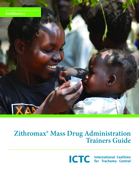
More and more countries are completing their epidemiological mapping of trachoma in suspected
endemic districts and are preparing to distribute Zithromax® in those districts where the prevalence of
“trachomatous inflammation – follicular” (TF) is above 5% among
...
children aged 1-9 years. Mass drug
administration (MDA) is normally at the district level and targets the whole population with Zithromax®
tablets to those 5 years old and above; Zithromax® suspension for children between 6 months and 5
years of age; and tetracycline eye ointment 1% for infants up to 6 months old.
more
The toolkit's purpose is to:
improve the primary health care response for older persons.
sensitize and educate primary health care workers about the specific needs of their older clients.
provide primary care health workers with a se
...
t of tools/instruments to assess older people's health.
raise awareness among primary care health workers of the accumulation of minor/major disabilities experienced by older people.
provide guidance on how to make primary health care management procedures more responsive to the needs of older people's needs.
offer direction on how to do environmental audits to test primary health care centres for their age-friendliness.
The toolkit comprises a number of instruments (evaluation forms, slides, figures, graphs, diagrams, scale tables, country guidelines, exam sheets, screening tools, cards, checklists, etc.) that can be used by primary health care workers to assess and address older persons' health. These resources are meant to supplement and not to replace local and national materials and guidelines
more
Cotonou declaration on buruli ulcer
recommended
Cotonou Declaration oBuruli Ulcer
Cotonou, Benin, 30 March 2009
Neglected tropical diseases kill, weaken or incapacitate millions of people every year, causing permanent physical suffering, social stigmatization and reduced productive capacity. Buruli ulcer, one such disease, causes immense suffer
...
ing and disabilities, especially among children. Delayed schooling and loss of productivity are considerable among the affected populations. These adverse consequences tend to aggravate poverty in affected communities. Globally, the disease has been reported in 30 countries. In WHO’s African Region, Buruli ulcer has been confirmed in 12 countries and is suspected in 10 others.
Significant progress has been made in the past 10 years in knowledge of Buruli
ulcer, investments in related research, control of the disease, and improvement
of tools for case diagnosis and development of treatment protocols. Substantial achievements have been made in diagnosis, treatment, immunology and epidemiology. Despite these achievements, little is known about the exact mode of transmission of the disease, and there is no simple diagnostic test usable in the field.
The use of antibiotics has revolutionized treatment and contributed to reducing the need for surgery by half. However, efforts are still needed to develop simple diagnostic tools usable in the field as well as disability prevention methods. The Global Buruli Ulcer Initiative has adopted the strategy recommended by WHO. The strategy is based on early diagnosis of the disease and the use of antibiotics for treatment upon the onset of the first signs by improving access to screening and case management at the most peripheral level of the health system.
more
The Minimum Standards for Age and Disability Inclusion in Humanitarian Action inform the design, implementation, monitoring and evaluation of humanitarian programmes across all sectors and phases of response, and in all emergency contexts, ensuring older people and people
...
with disabilities are not excluded.
more

This assessment is the first of its kind to be conducted in the south-eastern region of Myanmar. It is an important contribution to ensuring the full inclusion of women and children in Myanmar’s political, social, and cultural systems,
...
with a specific focus on the issue of gender-based violence (GBV) and its impact on these groups in south-eastern Myanmar. The United Nations Population Fund (UNFPA) is grateful for the participation of women, men, boys and girls from Mon, Kayin and Kayah States for sharing their views and experiences during the study.
more

People younger than 20 years comprise 35% of the global population and 40% of the global population of least-developed nations. The number of children - neonates, infants, children, and adolescents
...
up to 19 years of age - who need pediatric palliative care (PPC) each year may be as high as 21 million. Another study found that almost 2.5 million children die each year with serious health related suffering and that more than 98% of these children are in low- and middle-income countries (LMICs) (3). While estimates differ, there is no doubt that there is an enormous need for prevention and relief of suffering among children - for PPC.
more

The meningitis road map has been designated as a flagship global strategy of the WHO’s Thirteenth General Programme of Work, 2019–2023 and is an essential component in achieving universal health coverage.
The road map will reinforce and combine with
...
wider initiatives, such as those aimed at strengthening primary health care and health systems, increasing immunization coverage, improving global health security, fighting antimicrobial resistance and advocating for the rights of persons with disabilities. It will complement other global control strategies, such as those addressing sepsis, pneumonia, tuberculosis and HIV. Implementation will be a challenge for all countries across the world, but especially in resource-poor settings where the burden of meningitis is greatest. The targets for the visionary and strategic goals will be adapted to regional and local contexts.
more

This Handbook is primarily for educators, to help them learn about mental health issues and better support them in educational environments. The Handbook aims to provide training to teachers, administrators, and people involved in the education of primary school
...
children about the implementation of mental health literacy into daily school life. Such knowledge, skills and attitudes will equip all levels of educators with key tools to support student mental health, manage difficult classroom behavior, and promote students’ wellbeing and academic success.
more

Continuum of HIV services refers to a comprehensive package of HIV prevention, diagnostic, treatment, care and support services provided for people at risk of infection or living with HIV and their families. This revised edition of the guidelines f
...
or use of ARV and opportunistic infection
(OI) drugs in adults, adolescents and children is based on recent national and
global evidences and experiences. The Federal Ministry of Health believes that
these guidelines, along with other national guidelines and training manuals, will be
instrumental in maintaining the standard of care and ensuring quality of HIV service
delivery.
more
Case management is an approach at the core of social work. Case management is the process required for improving the quality of life for vulnerable children in need of care and protection. This manual is intended to support social workers in their c
...
ase management role and reduce overall workload by ensuring case management processes are conducted efficiently with best outcomes for children.
more
The mission of the Women’s Health Council is to inform and influence the development of health policy to ensure the maximum health and social gain for women in Ireland.
Its membership is representative of a wide range of expertise and interest in women’s health.
The Women’s Health Council
...
has five functions detailed in its Statutory Instruments:
1. Advising the Minister for Health and Children on all aspects of women’s health.
2. Assisting the development of national and regional policies
and strategies designed to increase health gain and social gain for women.
3. Developing expertise on women’s health within the health services.
4. Liaising with other relevant international bodies which have similar functions as the Council.
5. Advising other Government Ministers at their request.
more

After five consecutive below-average rains, the humanitarian crisis in the Horn of Africa is expanding and deepening.
Combined with insecurity and macroeconomic volatility, the impact of the drought on food and nutrition security has been devasta
...
ting. Across Ethiopia, Kenya and Somalia, an estimated 22 million people are now acutely food insecure because of the drought. The malnutrition situation is also critical. Some 5.1 million children across drought-affected areas of the three countries are acutely malnourished in 2023, with dire implications for their health, growth and survival. Concerningly, the upcoming March-May 2023 rains are also forecast to be below-average. Should these rains fail, and humanitarian assistance not be delivered at scale, food insecurity will continue to deteriorate.
Regardless of how the 2023 rains perform, extremely high humanitarian needs will persist through 2023 while a full recovery from a drought of this magnitude will take years. To address the devastating drought-induced hunger and malnutrition across the region, WFP is pursuing an integrated dual track approach; meeting immediate life-saving food and nutritional needs while simultaneously building resilience to extreme climate variability.
more

Evidence-based psychological interventions are an important part of health, social, protection and education services and can help increase access to effective mental health treatments and progression towards universal health coverage.
This manual provides managers and others responsible for plan
...
ning and delivering services with practical guidance on how to implement manualized psychological interventions for adults, adolescents and children. It covers the five key implementation steps: make an implementation plan; adapt for context; prepare the workforce; identify, assess and support potential beneficiaries; and monitor and evaluate the service.
more

Ethiopia has been repeatedly affected by conflict, flooding, drought, and disease outbreaks in the past years. As of January 2024, the country is actively responding to the longest recorded cholera outbreak which started in August 2022, recurrent measles outbreaks which started in August 2021, and t
...
he highest number of malaria cases reported since 2017. The El Niño phenomenon is expected to cause further havoc up to July 2024, by causing drought in some parts of the country, and flooding in others. Food insecurity due to lost harvest and livestock is aggravating already high malnutrition rates, negatively impacting morbidity and mortality.
The Health Cluster is closely collaborating with the Ministry of Health (MOH) to prepare for, prevent, and respond to public health emergencies by mobilizing resources to enable health partners to provide life-saving health services to vulnerable populations.
In an environment with ever-increasing needs and decreased funding, the below priorities for 2024 and 2025 have been identified: 1 Strengthen advocacy for longer-term, development funding to address root causes of recurrent disease outbreaks, including through the Humanitarian-Development-Peace Nexus 2 Advocate for increased access to quality health services, with a strong focus on:
sexual and reproductive health services (including for survivors of sexual and gender-based violence)
inclusion of people with disabilities, older people, and people living with HIV
remote populations through inclusion of Mobile Health Teams (MHT) as part of the health system 3 Standardize health services provided by Health Cluster partners through the implementation of Essential Health Care packages, aligned with existing MOH guidance, aimed at ensuring quality service delivery for affected populations, especially at community level 4 Strengthen quality of, and access to data for needs analysis and informed decision-making 5 Strengthen subnational coordination, with increased focus on zones and local health partners
more
