
Filter
4389
Text search:
Basic
Needs
Basic
Rights
Featured
421
1161
Language
4301
103
79
63
53
25
24
15
14
7
6
6
6
5
5
5
4
4
4
3
3
3
3
3
3
3
3
3
3
3
3
3
3
2
2
2
2
2
2
2
2
2
2
2
2
2
1
1
1
1
1
1
1
1
1
1
1
1
Document type
2363
726
531
344
204
99
56
40
11
7
3
2
1
Countries
208
153
125
99
90
89
88
85
85
84
75
74
67
63
58
58
57
55
51
46
41
40
40
38
38
38
35
31
30
29
28
28
28
24
21
20
19
19
19
17
16
16
16
15
13
13
12
12
12
12
11
11
10
10
10
10
9
9
9
9
9
9
8
7
7
7
7
6
6
6
6
6
5
5
5
5
5
5
4
4
4
4
3
3
3
3
3
3
3
3
3
3
2
2
2
2
2
2
2
2
2
2
2
2
2
2
2
2
2
2
2
2
2
2
1
1
1
1
1
1
1
1
1
1
1
1
1
1
1
1
1
Authors & Publishers
655
223
138
119
115
102
94
52
52
42
37
33
31
28
24
24
23
23
21
21
20
19
18
18
18
17
16
16
16
15
15
15
15
14
14
13
13
13
12
12
12
12
12
11
11
11
11
11
11
11
11
11
10
10
10
10
9
9
9
9
9
9
8
8
8
8
8
8
8
8
8
8
8
8
7
7
7
7
7
7
7
7
7
7
7
7
6
6
6
6
6
6
6
6
6
6
6
6
5
5
5
5
5
5
5
5
5
5
5
5
5
5
5
5
5
5
5
5
5
5
5
5
5
5
5
5
5
5
5
5
5
5
5
4
4
4
4
4
4
4
4
4
4
4
4
4
4
4
4
4
4
4
4
4
4
4
4
4
4
4
4
4
4
4
4
4
4
4
4
4
4
4
3
3
3
3
3
3
3
3
3
3
3
3
3
3
3
3
3
3
3
3
3
3
3
3
3
3
3
3
3
3
3
3
3
3
3
3
3
3
3
3
3
3
3
3
3
3
3
3
3
3
3
3
3
3
3
3
3
3
3
3
3
3
3
3
3
3
3
3
3
3
3
3
3
3
3
3
3
3
3
3
3
3
3
3
3
3
3
3
3
2
2
2
2
2
2
2
2
2
2
2
2
2
2
2
2
2
2
2
2
2
2
2
2
2
2
2
2
2
2
2
2
2
2
2
2
2
2
2
2
2
2
2
2
2
2
2
2
2
2
2
2
2
2
2
2
2
2
2
2
2
2
2
2
2
2
2
2
2
2
2
2
2
2
2
2
2
2
2
2
2
2
2
2
2
2
2
2
2
2
2
2
2
2
2
2
2
2
2
2
2
2
2
2
2
2
2
2
2
2
2
2
2
2
2
2
2
2
2
2
2
2
2
2
2
2
2
2
2
2
2
2
2
2
2
2
2
2
2
2
2
2
2
2
2
2
2
2
2
2
2
2
2
2
2
2
2
2
2
2
2
2
2
2
2
2
2
2
2
2
2
2
2
2
2
2
2
2
2
2
2
2
2
2
2
2
2
2
2
2
2
2
2
2
2
2
2
2
2
2
2
2
2
2
1
1
1
1
1
1
1
1
1
1
1
1
1
1
1
1
1
1
1
1
1
1
1
1
1
1
1
1
1
1
1
1
1
1
1
1
1
1
1
1
1
1
1
1
1
1
1
1
1
1
1
1
1
1
1
1
1
1
1
1
1
1
1
1
1
1
1
1
1
1
1
1
1
1
1
1
1
1
1
1
1
1
1
1
1
1
1
1
1
1
1
1
1
1
1
1
1
1
1
1
1
1
1
1
1
1
1
1
1
1
1
1
1
1
1
1
1
1
1
1
1
1
1
1
1
1
1
1
1
1
1
1
1
1
1
1
1
1
1
1
1
1
1
1
1
1
1
1
1
1
1
1
1
1
1
1
1
1
1
1
1
1
1
1
1
1
1
1
1
1
1
1
1
1
1
1
1
1
1
1
1
1
1
1
1
1
1
1
1
1
1
1
1
1
1
1
1
1
1
1
1
1
1
1
1
1
1
1
1
1
1
1
1
1
1
1
1
1
1
1
1
1
1
1
1
1
1
1
1
1
1
1
1
1
1
1
1
1
1
1
1
1
1
1
1
1
1
1
1
1
1
1
1
1
1
1
1
1
1
1
1
1
1
1
1
1
1
1
1
1
1
1
1
1
1
1
1
1
1
1
1
1
1
1
1
1
1
1
1
1
1
1
1
1
1
1
1
1
1
1
1
1
1
1
1
1
1
1
1
1
1
1
1
1
1
1
1
1
1
1
1
1
1
1
1
1
1
1
1
1
1
1
1
1
1
1
1
1
1
1
1
1
1
1
1
1
1
1
1
1
1
1
1
1
1
1
1
1
1
1
1
1
1
1
1
1
1
1
1
1
1
1
1
1
1
1
1
1
1
1
1
1
1
1
1
1
1
1
1
1
1
1
1
1
1
1
1
1
1
1
1
1
1
1
1
1
1
1
1
1
1
1
1
1
1
1
1
1
1
1
1
1
1
1
1
1
1
1
1
1
1
1
1
1
1
1
1
1
1
1
1
1
1
1
1
1
1
1
1
1
1
1
1
1
1
1
1
1
1
1
1
1
1
1
1
1
1
1
1
1
1
1
1
1
1
1
1
1
1
1
1
1
1
1
1
1
1
1
1
1
1
1
1
1
1
1
1
1
1
1
1
1
1
1
1
1
1
1
1
1
1
1
1
1
1
1
1
1
1
1
1
1
1
1
1
1
1
1
1
1
1
1
1
1
1
1
1
1
1
1
1
1
1
1
1
1
1
1
1
1
1
1
1
1
1
1
1
1
1
1
1
1
1
1
1
1
1
1
1
1
1
1
1
1
1
1
1
1
1
1
1
1
1
1
1
1
1
1
1
1
1
1
1
1
1
1
1
1
1
1
1
1
1
1
1
1
1
1
1
1
1
1
1
1
1
1
1
1
1
1
1
1
1
1
1
1
1
1
1
1
1
1
1
1
1
1
1
1
1
1
1
1
1
1
1
1
1
1
1
1
1
1
1
1
1
1
1
1
1
1
1
1
1
1
1
1
1
1
1
1
1
1
1
1
1
1
1
1
1
1
1
1
1
1
1
1
1
1
1
1
1
1
1
1
1
1
1
1
1
1
1
1
1
1
1
1
1
1
1
1
1
1
1
1
1
1
1
1
1
1
1
1
1
1
1
1
1
1
1
1
1
1
1
1
1
1
1
1
1
1
1
1
1
1
1
1
1
1
1
1
1
1
1
1
1
1
1
1
1
1
1
1
1
1
1
1
1
1
1
1
1
1
1
1
1
1
1
1
1
1
1
1
1
1
1
1
1
1
1
1
1
1
1
1
1
1
1
1
1
1
1
1
1
1
1
1
1
1
1
1
1
1
1
1
1
1
1
1
1
1
1
1
1
1
1
1
1
1
1
1
1
1
1
1
1
1
1
1
1
1
1
1
1
1
1
1
1
1
1
1
1
1
1
1
1
1
1
1
1
1
1
1
1
1
1
1
1
1
1
1
1
1
1
1
1
1
1
1
1
1
1
1
1
1
1
1
1
1
1
1
1
1
1
1
1
1
1
1
1
1
1
1
1
1
1
1
1
1
1
1
1
1
1
1
1
1
1
1
1
1
1
1
1
1
1
1
1
1
1
1
1
1
1
1
1
1
1
1
1
1
1
1
1
1
1
1
1
1
1
1
1
1
1
1
1
1
1
1
1
1
1
1
1
1
1
1
1
1
1
1
1
1
1
1
1
1
1
1
1
1
1
1
1
1
1
1
1
1
1
1
1
1
1
1
1
1
1
1
1
1
1
1
1
1
1
1
1
1
1
1
1
1
1
1
1
1
1
1
1
1
1
1
1
1
1
1
1
1
1
1
1
1
1
1
1
1
1
1
1
1
1
1
1
1
1
1
1
1
1
1
1
1
1
1
1
1
1
1
1
1
1
1
1
1
1
1
1
1
1
1
1
1
1
1
1
1
1
1
1
1
1
1
1
1
1
1
1
1
1
1
1
1
1
1
1
1
1
1
1
1
1
1
1
1
1
1
1
1
1
1
1
1
1
1
1
1
1
1
1
1
1
1
1
1
1
1
1
1
1
1
1
1
1
1
1
1
1
1
1
1
1
1
1
1
1
1
1
1
1
1
1
1
1
1
1
1
1
1
1
1
1
1
1
1
1
1
1
1
1
1
1
1
1
1
1
1
1
1
1
1
1
1
1
1
1
1
1
1
1
1
1
1
1
1
1
1
1
1
1
1
1
1
1
1
1
1
1
1
1
1
1
1
1
1
1
1
1
1
1
1
1
1
1
1
1
1
1
1
1
1
1
1
1
1
1
1
1
1
1
1
1
1
1
1
1
1
1
1
1
1
1
1
1
1
1
1
1
1
1
1
1
1
1
1
1
1
1
1
1
1
1
1
1
1
1
1
1
1
1
1
1
1
1
1
1
1
1
1
1
1
1
1
1
1
1
1
1
1
1
1
1
1
1
1
1
1
1
1
1
1
1
1
1
1
1
1
1
1
1
1
1
1
1
1
1
1
1
1
1
1
1
1
1
1
1
1
1
1
1
1
1
1
1
1
1
1
1
1
1
1
1
1
1
1
1
1
1
1
1
1
1
1
1
1
1
1
1
1
1
1
1
1
1
1
1
1
1
1
1
1
1
1
1
1
1
1
1
1
1
1
1
1
1
1
1
1
1
1
1
1
1
1
1
1
1
1
1
1
1
1
1
1
1
1
1
1
1
1
1
1
1
1
1
1
1
1
1
1
1
1
1
1
1
1
1
1
1
1
1
1
1
1
1
1
1
1
1
1
1
1
1
1
1
1
1
1
1
1
1
1
1
1
1
1
1
1
1
1
1
1
1
1
1
1
1
1
1
1
1
1
1
1
1
1
1
1
1
1
1
1
1
1
1
1
1
1
1
1
1
1
1
1
1
1
1
1
1
1
1
1
1
1
1
1
1
1
1
1
1
1
1
1
1
1
1
1
1
1
1
1
1
1
1
1
1
1
1
1
1
1
1
1
1
1
1
1
1
1
1
1
1
1
1
1
1
1
1
1
1
1
1
1
1
1
1
1
1
1
1
1
1
1
1
1
1
1
1
1
1
1
1
1
1
1
1
1
1
1
1
1
1
1
1
1
1
1
1
1
1
1
1
1
1
1
1
1
1
1
1
1
1
1
1
1
1
1
1
1
1
1
1
1
1
1
1
1
1
1
1
1
1
1
1
1
1
1
1
1
1
1
1
1
1
1
1
1
1
1
1
1
1
1
1
1
1
1
1
1
1
1
1
1
1
1
1
1
1
1
1
1
1
1
1
1
1
1
1
1
1
1
1
1
1
1
1
1
1
1
1
1
1
1
1
1
1
1
1
1
1
1
1
1
1
1
1
1
1
1
1
1
1
1
1
1
1
1
1
1
1
1
1
1
1
1
1
1
1
1
1
1
1
1
1
1
1
1
1
1
1
1
1
1
1
1
1
1
1
1
1
1
1
1
1
1
1
1
1
1
1
1
1
1
1
1
1
1
1
1
1
1
1
1
1
1
1
1
1
1
1
1
1
1
1
1
1
1
1
1
1
1
1
1
1
1
1
1
1
1
1
1
1
1
1
1
1
1
1
1
1
1
1
1
1
1
1
1
1
1
1
1
1
1
1
1
1
1
1
1
1
1
1
1
1
1
1
1
1
1
1
1
1
1
1
1
1
1
1
1
1
1
1
1
1
1
1
1
1
1
1
1
1
1
1
1
1
1
1
1
1
1
1
1
1
1
1
1
1
1
1
1
1
1
1
1
1
1
1
1
1
1
1
1
1
1
1
1
1
1
1
1
1
1
1
1
1
1
1
1
1
1
1
1
1
1
1
1
1
1
1
1
1
1
1
1
1
1
1
1
1
1
1
1
1
1
1
1
1
1
1
1
1
1
1
1
1
1
1
1
1
1
1
1
1
1
1
1
1
1
1
1
1
1
1
1
1
1
1
1
1
1
1
1
1
1
1
1
1
1
1
1
1
1
1
1
1
1
1
1
1
1
1
1
1
1
1
1
1
1
1
1
1
1
1
1
1
1
1
1
1
1
1
1
1
1
1
1
1
1
1
1
1
1
1
1
1
1
1
1
1
1
1
1
1
1
1
1
1
1
1
1
1
1
1
1
1
1
1
1
1
1
1
1
1
1
1
1
1
1
1
1
1
1
1
1
1
1
1
1
1
1
1
1
1
1
1
1
1
1
1
1
1
1
1
1
1
1
1
1
1
1
1
1
1
1
1
1
1
1
1
1
1
1
1
1
1
1
1
1
1
1
1
1
1
1
1
1
1
1
1
1
1
1
1
1
1
1
1
1
1
1
1
1
1
1
1
1
1
1
1
1
1
1
1
1
1
1
1
1
1
1
1
1
1
1
1
1
1
1
1
1
1
1
1
1
1
1
1
1
1
1
1
1
1
1
1
1
1
1
1
1
1
1
1
1
1
1
1
1
1
1
1
1
1
1
1
1
1
1
1
1
1
1
1
1
1
1
1
1
1
1
1
1
1
1
1
1
1
1
1
1
1
1
1
1
1
1
1
1
1
1
1
1
1
1
1
1
1
1
1
1
1
1
1
1
1
1
1
1
1
1
1
1
1
1
1
1
1
1
1
1
1
1
1
1
1
1
1
1
1
1
1
1
1
1
1
1
1
1
1
1
1
1
1
1
1
1
1
1
1
1
1
1
1
1
1
1
1
1
1
1
1
1
1
1
1
1
1
1
1
1
1
1
1
1
1
1
1
1
1
1
1
1
1
1
1
1
1
1
1
1
1
1
1
1
1
1
1
1
1
1
1
1
1
1
1
1
1
1
1
1
1
1
1
1
1
1
1
1
1
1
1
1
1
1
1
1
1
1
1
1
1
1
1
1
1
1
1
1
1
1
1
1
1
1
1
1
1
1
1
1
1
1
1
1
1
1
1
1
1
1
1
1
1
1
1
1
1
1
1
1
1
1
1
1
1
1
1
1
1
1
1
1
1
1
1
1
1
1
1
1
1
1
1
1
1
1
1
1
1
1
1
1
1
1
1
1
1
1
1
1
1
1
1
1
1
1
1
1
1
1
1
1
1
1
1
1
1
1
1
1
1
1
1
1
1
1
1
1
1
1
1
1
1
1
1
1
1
1
1
1
1
1
1
1
1
1
1
1
1
1
1
1
1
1
1
1
1
1
1
1
1
1
1
1
1
1
1
1
1
1
1
1
1
1
1
1
1
1
1
1
1
1
1
1
1
1
1
1
1
1
1
1
1
1
1
1
1
1
1
1
1
1
1
1
1
1
1
1
1
1
1
1
1
1
1
1
1
1
1
1
1
1
1
1
1
1
1
1
1
1
1
1
1
1
1
1
1
1
1
1
1
1
1
1
1
1
1
1
1
1
1
1
1
1
1
1
1
1
1
1
1
1
1
1
1
1
1
1
1
1
1
1
1
1
1
1
1
1
1
1
1
1
1
1
1
1
1
1
1
1
1
1
1
1
1
1
1
1
1
1
1
1
1
1
1
1
1
1
1
1
1
1
1
1
1
1
1
1
1
1
1
1
1
1
1
1
1
1
1
1
1
1
1
1
1
1
1
1
Publication Years
1
1299
2584
480
23
1
1
Category
1522
389
294
280
266
126
50
1
Toolboxes
398
369
332
229
166
159
144
133
111
106
95
92
89
83
79
64
60
48
47
44
42
17
14
14
12
5
2
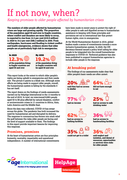
A new report from aid agencies Age International and HelpAge International, If not now, when? criticises the humanitarian sector for its failure to address the needs of older people in emergencies. This failure contravenes several international comm
...
itments made in recent years and flies in the face of humanitarian principles
Download the full report here: https://www.helpage.org/download/5fb34a78e7597/
more

This guidance document is meant to support practitioners working in disaster prone contexts to develop and implement more effective integrated resilience programming. It promotes programming that cuts across different fields of work like rights awar
...
eness, food security, emergency preparedness, livelihoods, education, health etc. whilst at the same time encouraging us to work simultaneously at the individual, household, community and national level. It includes specific recommendations for developing resilience programming for communities prone to floods, cyclone, drought and earthquakes. It also includes recommendations to develop safe school programming to help reduce the impact of disasters on school infrastructure, ensure education continuity and build the resilience of students, teachers and their families.
more
People on the move – migrants, refugees, asylum seekers and other displaced populations – face extraordinary risks to their lives, safety, dignity, human rights and well-being.
In part this is connected to the core reasons that lead to migrat
...
ion and displacement, ranging from violence, persecution, conflict, poverty, political and social issues, as well as disasters and the adverse effects of climate change. In 2021, we are seeing the compounding factors of the COVID-19 pandemic and the climate crisis driving higher numbers of people to migrate, exacerbating risks and vulnerabilities.
more

If you are fleeing the war in Ukraine and coming to the European Union, you will find key information about your rights with regard to crossing the border into an EU country, eligibility for temporary protection and applying for international protec
...
tion, as well as the rights of travel inside the European Union.
Available in English, Russian and Ukrainian
more

Member States of the Region have initiated processes to strengthen leadership and governance for mental health. Several countries have developed and implemented mental health plans, strategies and legislations. Direct spending on mental health needs
...
to be increased throughout the Region through the health sector as well as other relevant sectors.
more
In the area of nutrition and HIV, children deserve special attention because of their additional needs to ensure growth and development and their dependency on adults for adequate care. It was therefore proposed to first develop guidelines for chil
...
dren and thereafter consider a similar approach for other specific groups.
The content of these guidelines acknowledges that wasting and undernutrition in HIV-infected children reflect a series of failures within the health system, the home and community and not just a biological process related to virus and host interactions. In trying to protect the nutritional well-being or reverse the undernutrition experienced by infected children, issues of food insecurity, food quantity and quality as well as absorption and digestion of nutrients are considered. Interventions are proposed that are practical and feasible in resource-poor settings and offer a prospect for clinical improvement.
The guidelines do not cover the feeding of infants 0 to 6 months old, because the specialised care in this age group is already addressed in other WHO guidelines and documents.
more
A public health emergency operations centre (EOC) is a central location for coordinating operational information and resources for strategic management of pugencies and events. EOCs provide communication and information tools and services blic health emer-
and a management system during a response
...
to an emergency or event. This report lays out components and characteristics of an emergency operations plan, providing a suggested structure for plans and procedures. The planning process, and that of coducting a hazard analysis or needs assessment, are also discussed as key steps
more
Wheelchair service training package: Trainer's manual. Intermediate level
recommended
Sarah Frost, Kylie Mines, Jamie Noon, Elsje Scheffler, and Rebecca Jackson Stoeckle
WHO; USAID
(2013)
C_WHO
WSTP-I is the second part of the WHO wheelchair service training package series and focusses more on addressing the needs of people who have severe difficulties in walking and moving around and also having poor postural control .
This report presents, for the first time, a global assessment of the extent to which health care facilities provide essential water, sanitation and hygiene (WASH) services. Drawing on data from 54 low- and middle-income countries, the report concludes that 38% lack access to even rudimentary levels
...
of water, 19% lack sanitation and 35% do not have water and soap for handwashing. When a higher level of service is factored in, the situation deteriorates significantly. A number of areas require urgent action and WHO will work with UNICEF, Governments and other partners to develop a global plan to address the most pressing needs and ensure that all health care facilities have WASH services.
more

This document is intended to serve as a reference for national public health policy-makers. It outlines the scope of potential meningitis surveillance strategies that make it possible to obtain the data required for epidemic detection, monitoring of epidemiological and microbiological trends, evalua
...
tion of meningitis control strategies and assessment of the impact of Nm A conjugate vaccine. Ultimately, it provides information that can be used to decide on a surveillance strategy that is tailored to the needs and capacity of a country.
more

Inerim Guidance for health-care providers. This document describes guidance for a supportive response by healthcare providers (e.g. physicians, nurses), focusing primarily on women affected by Zika virus infection during pregnancy and their families, for their mental health and psychosocial
...
needs.
more
In preparing this paper, the Pharmacovigilance Group of the Pan American Health Organization’s Pan American Network for Drug Regulatory Harmonization (PANDRH) adopted the perspective of PAHO/WHO, which considers Pharmacovigilance, an essential component of public health programs. Its intention was
...
to facilitate the development of pharmacovigilance systems in the Region of the Americas and improve, strengthen, and promote the adoption of good practices to improve safety for patients and the general population, based on the needs of the Region.
Document also available in Spanish and Portuguese!
more
Botswana CPD.
The 6th Government of Botswana/UNFPA Country Programme (2017-2021) is focusing on a transformative development agenda that is universal, inclusive, human rights-based, integrated and anchored in the principle of equality and leaving
...
no one behind, while reaching the furthest left behind first. The country programme will contribute directly to the three outcomes of the United Nations Sustainable Development Framework (2017-2021).
more
This Global Plan builds on the previous edition, which laid out priority actions for 2018-2022, informed by global commitments member states endorsed at the 2018 United Nations High-Level Meeting (UNHLM) on TB. The resource needs estimates from this
...
Global Plan include resources needed for implementing TB care and prevention and R&D into new tools. This Global Plan has already informed the Global Fund Investment Case and the 2022 G20 deliberations on TB. It will serve as a key document for inspiring and aligning global advocacy efforts, such as for the upcoming UNHLM on TB in 2023.
more

The aim with this study was to examine in what amount disabled children in South Africa can live a participating life in society, with focus on special needs schools and their capability to empower the children. The data material has been collected
...
through eight qualitative interviews, and observations at seven special needs schools in the country. Through my result I have distinguished three main roads to empower the children: First, to analyze social structures, secondly, to gain knowledge and awareness, and thirdly, to strengthen the children’s self-esteem. I have also analyzed the structural barriers that are hindering disabled children to participate, and illustrated this by describing social policies and their effect on special needs schools in South Africa.
more
CBR Training Manual
recommended
LIGHT FOR THE WORLD is a European confederation of national development NGOs committed to saving eyesight, improving the quality of life and advocating for the rights of person with disabilities in the underprivileged regions of our world. The guide
...
lines reflect both the ongoing developments within CBR during recent years and the strategic debates between CBR practitioners from around the world as to the very ideology behind CBR. The goal of the new CBR guidelines is to assist with the development of CBR practice in the many countries around the world where it is practiced.
more

Disability-inclusive social protection research in Nepal
Banks, Lena M., Walsham, Matthew and others
International Centre for Evidence in Disability
(2018)
C1
A national overview with a case study from Tanahun district. The overall aims of this study are (1) to assess the extent to which social protection systems in Nepal address the needs of people with disabilities; and (2) to identify and document elem
...
ents of good practice, as well as challenges, in the design and delivery of social protection for people with disabilities. As most social protection programmes in Nepal are targeted to various groups considered to be a high risk of poverty or marginalisation (e.g. orphans, widows), the research mainly focuses on disability-specific schemes, as they are relevant to a higher proportion of people with disabilities.
more

Consultancy to conduct desk review on impact of national policies and programs on disability rights and develop an action plan to make existing policies and programs and legislation disability friendly
Drinking-water quality regulations and standards developed or revised in accordance with this guidance will reflect the best practices identified in the WHO Guidelines for Drinking-water Quality to most effectively protect public health. Moreover, the regulations and standards will consider local
...
needs, priorities and capacities to ensure that they are realistic and appropriate. Topics covered include:
- Guiding principles
- Getting started
- Selecting parameters and parameter limits
- Setting out compliance monitoring requirements more
- Guiding principles
- Getting started
- Selecting parameters and parameter limits
- Setting out compliance monitoring requirements more
Procurement and supply management activities are fundamental to consistent and reliable access to essential medicines and health products. To reduce the impact of CVD, action needs to be taken to improve prevention, diagnosis, care and management of
...
CVD diseases. Affordable essential medicines and technologies to manage CVD disease must be available where and when they are required. Medicines and technologies need to be managed appropriately to ensure that the correct medicines are selected, procured in the right quantities, distributed to facilities in a timely manner, and handled and stored in a way that maintains their quality. This needs to be backed up by policies that enable sufficient quantities to be procured in order to reduce cost inefficiencies, ensure the reliability and security of the distribution system, and encourage the appropriate use of these health products. In order to avoid stock-outs and the disruption of treatment, all related activities need to be conducted in a timely manner, with performance continually monitored, and prompt action taken in response to problems that may arise. Additionally, medication must be dispensed correctly and used rationally by the healthcare provider and patient alike. The purpose of this guide is to explain the necessary steps.
more
