
Filter
673
Text search:
earthquake
Featured
71
204
Language
Document type
395
75
64
53
23
20
16
8
7
4
3
2
2
1
Countries
50
46
44
25
21
19
16
12
11
7
7
7
6
5
5
4
4
4
4
4
3
3
3
3
3
3
2
2
2
2
2
2
2
2
2
2
2
2
1
1
1
1
1
1
1
1
1
1
1
1
1
1
1
1
1
1
1
1
1
1
1
Authors & Publishers
Publication Years
Category
203
183
28
20
15
14
1
1
Toolboxes
136
75
50
40
35
21
21
17
14
12
11
9
8
4
4
4
3
3
3
2
2
2
1
1
1
VADEMECUM | This Vademecum is intended to provide a benchmark for aid workers—whether working in the field or at a strategic level—in particular concerning the formulation and implementation of programmes of prevention or response to humanitarian crises. It is not solely a theoretical document b
...

ARC resource pack - Study material
Key Recommendations for an Inclusive Urban Agenda
This consultative version of the guideline is the product of literature reviews, discussions and contributions from diverse stakeholders, as well as UNISDR-nominated experts appointed specifically for the development of the Words into Action guideline for Build back better in recovery, rehabilitatio
...
Successful detonation of an improvised nuclear device (IND) would be a catastrophic event, causing an unprecedented number of injuries and lives lost, as well as economic, political, and social disruption. However, an effective medical response and an infrastructure prepared to protect itself from f
...
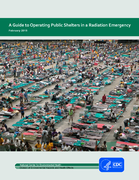
This guide is intended for shelter operators, planners, and staff, as well as emergency managers, public health professionals, and radiation protection professionals who participate in shelter planning and could be called upon to support shelter operations. This guide provides information on the inc
...
Guidance | Preparedness - Response and early recovery - Recovery and reconstruction

Effective risk communication requires the alignment of complex factors including trust between the communicator and the audience(s), audience involvement, and emotional responses to risk. Risk communication is especially challenging now as new media changes the landscape for both
communicators and
...
Key Features:
• Module Users: Disaster Management Trainers
• Training Targets: State Government and District
officials / Disaster Management Authorities / Disaster
Management Planners and Responders
• Training Duration: 5 working days (one week)
• Trainers Input: Multi-disciplinary
â€
...
WHO and UNICEF have established recommendations for breastfeeding practices. Although every mother decides how to feed her child, this decision is strongly influenced by economic, environmental, social and political factors. The Global Breastfeeding Scorecard analyzes indicators on how countries pro
...
The training manual consists of: (i) Tools for communication, reassurance and comfort for staff working directly with distressed children; (ii) Advice and guidance for staff working with parents and primary care-givers; (iii) Suggestions for ways to support a distressed child. It provides a non-i
...
The Standard consists of nine key inclusion standards, and seven sets of sector-specific inclusion standards for protection – water, sanitation and hygiene, food security and livelihoods, nutrition, shelter, settlement and household items, health and education. Each standard comes with key actions
...


A review of Save the Children’s work to promote the rights of children with disabilities
