
Filter
1560
Text search:
World
Health
Organization
WHO,
Regional
Office
of
Europe
Featured
172
241
Language
Document type
577
421
250
130
67
41
40
19
6
4
2
1
1
Countries
144
103
73
70
39
32
23
19
17
16
14
13
12
12
11
11
11
10
10
9
9
8
8
8
8
8
8
8
7
7
7
6
5
5
5
5
5
5
5
5
5
5
4
4
4
4
4
4
4
4
4
3
3
3
3
3
3
3
3
3
3
3
3
3
3
3
3
3
2
2
2
2
2
2
2
2
2
2
2
2
2
1
1
1
1
1
1
1
1
1
1
1
1
1
1
1
1
1
1
1
1
1
1
1
1
1
1
1
Authors & Publishers
Publication Years
Category
306
130
111
101
98
25
12
Toolboxes
198
170
141
120
80
67
62
58
56
55
55
44
44
32
30
29
28
28
12
11
9
8
5
5
2
2
Improvements in water sanitation and hygiene (WASH) and wastewater management in all sectors are critical elements of preventing infections and reducing the spread of antimicrobial resistance (AMR)
...

Inequality of access to palliative care and symptom relief is one of the greatest disparities in global health care (1). Currently, there is avoida
...
2nd edition. The purpose of the WHO human health risk assessment toolkit: chemical hazards is to provide its users with guidance to identify, acqui
...
This paper summarizes the evidence about the health effects of air pollution from particulate matter and their implications for policy-makers, with the aim
...

This publication describes the first WHO public-benefit Target Product Profiles (TPPs) for snakebite antivenoms. It focuses on antivenoms for treatment of snakebite envenoming in sub-Saharan Africa.
...
This report on global leishmaniasis surveillance follows those published in 2016–2023.2–6 Six indicators of leishmaniasis are publicly available from the Global Health Observatory (GHO).7 In add
...

Rabies remains an under-reported neglected zoonosis with a case-fatality rate of almost 100% in humans and animals. Dog-mediated human rabies causes tens of thousands
...

Key stakeholders must be involved in the planning, implementation, monitoring and evaluation of NCD plans and programmes. Within a ministry of health
...
Sixth Meeting of the mhGAP Forum Hosted by WHO in Geneva on 4-5 September 2014 Summary Report

The QualityRights training and orientation modules have been developed to enhance the knowledge, skills and understanding of key stakeholders on how to promote the rights of people with psychosocial
...

This report includes analysis from informal regional consultations in the African Region, the Caribbean and North America, Latin America, South-East Asia Region, European Region, Eastern Mediterranean Region, alongside three forums in the Western Pa
...
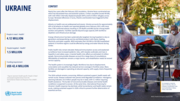
The 2026 outlook remains concerning. Without sustained support, health needs will remain acute. Disease outbreak risks persist amid degraded surveillance. Interagency planning indicates 10.8 million people may be in need, with 4.1 million requiring
...
This resource pack was developed for the country offices of the World Health Organization and na
...
Self-care interventions are among the most promising and exciting new approaches to improve health and well-being, both from a health systems perspective and for people
...

Self-care interventions are among the most promising and exciting new approaches to improve health and well-being, both from a health systems perspective and for people
...
Mental health is critically important to everyone, everywhere. All over the world, mental health needs are high but responses are insufficient and
...

Mental health is critically important to everyone, everywhere. All over the world, mental health needs are high but responses are insufficient and
...

WHO, as the coordinating authority on international health, supports countries in protecting public health through evidence-based policies and acti
...

The 2026 appeal seeks nearly US$ 1 billion to respond to 36 emergencies worldwide, including 14 Grade 3 emergencies requiring the highest level of organizational response. These emergencies span sudden-onset and protracted humanitarian crises where
...

Social Determinants of Health Discussion Paper 1 (Debates). This paper was prepared for the launch of the Commission on Social Determinants
...
