
Filter
3119
Text search:
methodology
Featured
265
936
Language
3007
76
75
39
34
24
13
10
5
5
4
3
2
2
2
2
2
2
2
2
2
2
1
1
1
1
1
1
1
1
1
1
1
1
1
1
1
1
1
1
1
1
1
1
1
1
1
1
1
1
Document type
1686
701
351
176
91
41
30
16
16
4
3
1
Countries
171
147
97
88
86
76
72
71
67
63
62
61
60
58
53
49
47
45
43
40
38
33
30
29
26
26
24
23
23
23
23
23
21
20
18
18
18
17
16
16
15
12
12
12
12
12
11
11
11
10
9
9
9
8
8
8
8
8
8
7
7
6
6
6
6
6
5
5
5
5
4
4
4
4
4
4
4
4
3
3
3
3
3
3
3
3
3
3
2
2
2
2
2
2
2
2
2
2
2
2
2
2
2
2
2
2
2
2
2
2
2
2
1
1
1
1
1
1
1
1
1
1
1
1
1
1
1
1
1
1
1
1
1
1
1
Authors & Publishers
398
116
101
73
72
68
57
41
32
27
27
24
18
16
15
14
14
14
14
14
13
13
13
13
12
11
11
10
10
10
10
9
9
9
9
8
8
8
8
8
8
8
8
8
8
8
8
8
8
8
8
7
7
7
7
7
7
7
7
7
7
7
7
7
7
7
6
6
6
6
6
6
6
5
5
5
5
5
5
5
5
5
5
5
5
5
5
5
5
5
4
4
4
4
4
4
4
4
4
4
4
4
4
4
4
4
4
4
4
4
4
4
4
4
4
4
4
4
4
4
4
4
4
4
4
4
4
3
3
3
3
3
3
3
3
3
3
3
3
3
3
3
3
3
3
3
3
3
3
3
3
3
3
3
3
3
3
3
3
3
3
3
3
3
3
3
3
3
3
3
3
3
3
3
3
3
3
3
3
3
3
3
3
3
3
3
3
3
3
3
3
3
3
3
3
3
3
3
3
2
2
2
2
2
2
2
2
2
2
2
2
2
2
2
2
2
2
2
2
2
2
2
2
2
2
2
2
2
2
2
2
2
2
2
2
2
2
2
2
2
2
2
2
2
2
2
2
2
2
2
2
2
2
2
2
2
2
2
2
2
2
2
2
2
2
2
2
2
2
2
2
2
2
2
2
2
2
2
2
2
2
2
2
2
2
2
2
2
2
2
2
2
2
2
2
2
2
2
2
2
2
2
2
2
2
2
2
2
2
2
2
2
2
2
2
2
2
2
2
2
2
2
2
2
2
2
2
2
2
2
2
2
2
2
2
2
2
2
2
2
2
2
2
2
2
2
2
2
2
2
2
2
2
2
2
2
2
2
2
2
2
2
2
2
2
2
2
2
2
2
2
2
2
2
2
2
2
2
2
2
1
1
1
1
1
1
1
1
1
1
1
1
1
1
1
1
1
1
1
1
1
1
1
1
1
1
1
1
1
1
1
1
1
1
1
1
1
1
1
1
1
1
1
1
1
1
1
1
1
1
1
1
1
1
1
1
1
1
1
1
1
1
1
1
1
1
1
1
1
1
1
1
1
1
1
1
1
1
1
1
1
1
1
1
1
1
1
1
1
1
1
1
1
1
1
1
1
1
1
1
1
1
1
1
1
1
1
1
1
1
1
1
1
1
1
1
1
1
1
1
1
1
1
1
1
1
1
1
1
1
1
1
1
1
1
1
1
1
1
1
1
1
1
1
1
1
1
1
1
1
1
1
1
1
1
1
1
1
1
1
1
1
1
1
1
1
1
1
1
1
1
1
1
1
1
1
1
1
1
1
1
1
1
1
1
1
1
1
1
1
1
1
1
1
1
1
1
1
1
1
1
1
1
1
1
1
1
1
1
1
1
1
1
1
1
1
1
1
1
1
1
1
1
1
1
1
1
1
1
1
1
1
1
1
1
1
1
1
1
1
1
1
1
1
1
1
1
1
1
1
1
1
1
1
1
1
1
1
1
1
1
1
1
1
1
1
1
1
1
1
1
1
1
1
1
1
1
1
1
1
1
1
1
1
1
1
1
1
1
1
1
1
1
1
1
1
1
1
1
1
1
1
1
1
1
1
1
1
1
1
1
1
1
1
1
1
1
1
1
1
1
1
1
1
1
1
1
1
1
1
1
1
1
1
1
1
1
1
1
1
1
1
1
1
1
1
1
1
1
1
1
1
1
1
1
1
1
1
1
1
1
1
1
1
1
1
1
1
1
1
1
1
1
1
1
1
1
1
1
1
1
1
1
1
1
1
1
1
1
1
1
1
1
1
1
1
1
1
1
1
1
1
1
1
1
1
1
1
1
1
1
1
1
1
1
1
1
1
1
1
1
1
1
1
1
1
1
1
1
1
1
1
1
1
1
1
1
1
1
1
1
1
1
1
1
1
1
1
1
1
1
1
1
1
1
1
1
1
1
1
1
1
1
1
1
1
1
1
1
1
1
1
1
1
1
1
1
1
1
1
1
1
1
1
1
1
1
1
1
1
1
1
1
1
1
1
1
1
1
1
1
1
1
1
1
1
1
1
1
1
1
1
1
1
1
1
1
1
1
1
1
1
1
1
1
1
1
1
1
1
1
1
1
1
1
1
1
1
1
1
1
1
1
1
1
1
1
1
1
1
1
1
1
1
1
1
1
1
1
1
1
1
1
1
1
1
1
1
1
1
1
1
1
1
1
1
1
1
1
1
1
1
1
1
1
1
1
1
1
1
1
1
1
1
1
1
1
1
1
1
1
1
1
1
1
1
1
1
1
1
1
1
1
1
1
1
1
1
1
1
1
1
1
1
1
1
1
1
1
1
1
1
1
1
1
1
1
1
1
1
1
1
1
1
1
1
1
1
1
1
1
1
1
1
1
1
1
1
1
1
1
1
1
1
1
1
1
1
1
1
1
1
1
1
1
1
1
1
1
1
1
1
1
1
1
1
1
1
1
1
1
1
1
1
1
1
1
1
1
1
1
1
1
1
1
1
1
1
1
1
1
1
1
1
1
1
1
1
1
1
1
1
1
1
1
1
1
1
1
1
1
1
1
1
1
1
1
1
1
1
1
1
1
1
1
1
1
1
1
1
1
1
1
1
1
1
1
1
1
1
1
1
1
1
1
1
1
1
1
1
1
1
1
1
1
1
1
1
1
1
1
1
1
1
1
1
1
1
1
1
1
1
1
1
1
1
1
1
1
1
1
1
1
1
1
1
1
1
1
1
1
1
1
1
1
1
1
1
1
1
1
1
1
1
1
1
1
1
1
1
1
1
1
1
1
1
1
1
1
1
1
1
1
1
1
1
1
1
1
1
1
1
1
1
1
1
1
1
1
1
1
1
1
1
1
1
1
1
1
1
1
1
1
1
1
1
1
1
1
1
1
1
1
1
1
1
1
1
1
1
1
1
1
1
1
1
1
1
1
1
1
1
1
1
1
1
1
1
1
1
1
1
1
1
1
1
1
1
1
1
1
1
1
1
1
1
1
1
1
1
1
1
1
1
1
1
1
1
1
1
1
1
1
1
1
1
1
1
1
1
1
1
1
1
1
1
1
1
1
1
1
1
1
1
1
1
1
1
1
1
1
1
1
1
1
1
1
1
1
1
1
1
1
1
1
1
1
1
1
1
1
1
1
1
1
1
1
1
1
1
1
1
1
1
1
1
1
1
1
1
1
1
1
1
1
1
1
1
1
1
1
1
1
1
1
1
1
1
1
1
1
1
1
1
1
1
1
1
1
1
1
1
1
1
1
1
1
1
1
1
1
1
1
1
1
1
1
1
1
1
1
1
1
1
1
1
1
1
1
1
1
1
1
1
1
1
1
1
1
1
1
1
1
1
1
1
1
1
1
1
1
1
1
1
1
1
1
1
1
1
1
1
1
1
1
1
1
1
1
1
1
1
1
1
1
1
1
1
1
1
1
1
1
1
1
1
1
1
1
1
1
1
1
1
1
1
1
1
1
1
1
1
1
1
1
1
1
1
1
1
1
1
1
1
1
1
1
1
1
1
1
1
1
1
1
1
1
1
1
1
1
1
1
1
1
1
1
1
1
1
1
1
1
1
1
1
1
1
1
1
1
1
1
1
1
1
1
1
1
1
1
1
1
1
1
1
1
1
1
1
1
1
1
1
1
1
1
1
1
1
1
1
1
1
1
1
1
1
1
1
1
1
1
1
1
1
1
1
1
1
1
1
1
1
1
1
1
1
1
1
1
1
1
1
1
1
1
1
1
1
1
1
1
1
1
1
1
1
1
1
1
1
1
1
1
1
1
1
1
1
1
1
1
1
1
1
1
1
1
1
1
1
1
1
1
1
1
1
1
1
1
1
1
1
1
1
1
1
1
1
1
1
1
1
1
1
1
1
1
1
1
1
1
1
1
1
1
1
1
1
1
1
1
1
1
1
1
1
1
1
1
1
1
1
1
1
1
1
1
1
1
1
1
1
1
1
1
1
1
1
1
1
1
1
1
1
1
1
1
1
1
1
1
1
1
1
1
1
1
1
1
1
1
1
1
1
1
1
1
1
1
1
1
1
1
1
1
1
1
1
1
1
1
1
1
1
1
1
1
1
1
1
1
1
1
1
1
1
1
1
1
1
1
1
1
1
1
1
1
1
1
1
1
1
1
1
1
1
1
1
1
1
1
1
1
1
1
1
1
1
1
1
1
1
1
1
1
1
1
1
1
1
1
1
1
1
1
1
1
1
1
1
1
1
1
1
1
1
1
1
1
1
1
1
1
1
1
1
1
1
1
1
1
1
1
1
1
1
1
1
1
1
1
1
1
1
1
1
1
1
1
1
1
1
1
1
1
1
1
1
1
1
1
1
1
1
1
1
1
1
1
1
1
1
1
1
1
1
1
1
1
1
1
1
1
1
1
1
1
1
1
1
1
1
1
1
1
1
1
1
1
1
1
1
1
1
1
1
1
1
1
1
1
1
1
1
1
1
1
1
1
1
1
1
1
1
1
1
1
1
1
1
1
1
1
1
1
1
1
1
1
1
1
1
1
1
1
1
1
1
1
1
1
1
1
1
1
1
1
1
1
1
1
1
1
1
1
1
1
1
1
1
1
1
1
1
1
1
1
1
1
1
1
1
1
1
1
1
1
1
1
1
1
1
1
1
1
1
1
1
1
1
1
1
1
1
1
1
1
1
1
1
1
1
1
1
1
1
1
1
1
1
1
1
1
1
1
1
1
1
1
1
1
1
1
1
1
1
1
1
1
1
1
1
1
1
1
1
1
1
1
1
1
1
1
1
1
1
1
1
1
1
1
1
1
1
1
1
1
1
1
1
1
1
1
1
1
1
1
1
1
1
1
1
1
1
1
1
1
1
1
1
1
1
1
1
1
1
1
1
1
1
1
1
1
1
1
1
1
1
1
1
1
1
1
1
1
1
1
1
1
1
1
1
1
1
1
1
1
1
1
1
1
1
1
1
1
1
1
1
1
1
1
1
1
1
1
1
1
1
1
1
1
1
1
1
1
1
1
1
1
1
1
1
1
1
1
1
1
1
1
1
1
1
1
1
1
1
1
1
1
1
1
1
1
1
1
1
1
1
1
1
1
1
1
1
1
1
1
1
1
1
1
1
1
1
1
1
1
1
1
1
1
1
1
1
1
1
1
1
1
1
1
1
1
1
1
1
1
1
1
1
1
1
1
1
1
1
1
1
1
1
1
1
1
1
1
1
1
1
1
1
1
1
1
1
1
1
1
1
1
1
1
1
1
1
1
1
1
1
1
1
1
1
1
1
1
1
1
1
1
1
1
1
1
1
1
1
1
1
1
1
1
1
1
1
1
1
1
1
1
1
1
1
1
1
1
1
1
1
1
1
1
1
1
1
1
1
1
1
1
1
1
1
1
1
1
1
1
1
1
1
1
1
1
1
1
1
1
1
1
1
1
1
1
1
1
1
1
1
1
1
1
1
1
1
1
1
1
1
1
1
1
1
1
1
1
1
1
1
1
1
1
1
1
1
1
1
1
1
1
1
1
1
1
1
1
1
1
1
1
1
1
1
1
1
1
1
1
1
1
1
1
1
1
1
1
1
1
1
1
1
1
1
1
1
1
1
1
1
1
1
1
1
1
1
1
1
1
1
1
1
1
1
1
1
1
1
1
1
1
1
1
1
1
1
1
1
1
1
1
1
1
1
1
1
1
1
1
1
1
1
1
1
1
1
1
1
1
1
1
1
1
1
1
1
1
1
1
1
1
1
1
1
1
1
1
1
1
1
1
1
1
1
1
1
1
1
1
1
1
1
1
1
1
1
1
1
1
1
1
1
1
1
1
1
1
1
1
1
1
1
1
1
1
1
1
1
1
1
1
1
1
1
1
1
1
1
1
1
1
1
1
1
1
1
1
1
1
1
1
1
1
1
1
1
1
1
1
1
1
1
1
1
1
1
1
1
1
1
1
1
1
1
1
1
1
1
1
1
1
1
1
1
1
1
1
1
1
1
1
1
1
1
1
1
1
1
1
1
1
1
1
1
1
1
1
1
1
1
1
1
1
1
1
1
1
1
1
1
1
1
1
1
1
1
1
1
1
1
1
1
1
1
1
1
1
1
1
1
1
1
1
1
1
1
1
1
1
1
1
1
1
1
1
1
1
1
1
1
1
1
1
1
1
1
1
1
1
1
1
1
1
1
1
1
1
1
1
1
1
1
1
1
1
1
1
1
1
1
1
1
1
1
1
1
1
1
1
1
1
1
1
1
1
1
1
1
1
1
1
1
1
1
1
1
1
1
1
1
1
1
1
1
1
1
1
1
1
1
1
1
1
1
1
1
1
1
1
1
1
1
1
1
1
1
1
1
1
1
1
1
1
1
1
1
1
1
1
1
1
Publication Years
1
910
1977
221
10
Category
1278
249
193
174
159
72
26
Toolboxes
245
186
162
134
128
119
99
88
80
76
70
69
69
69
56
56
54
46
41
30
17
17
14
13
9
4
2
Abuses by ArmThis report is based on research in Catatumbo in April 2019. We interviewed more than 80 people, including abuse victims, their relatives, community leaders, church representatives, human rights officials, local authorities, judicial officials, and members of humanitarian and human righ
...
ts organizations working in the area. Some interviews were conducted in Cúcuta, the capital of North Santander province, and by telephone. We also reviewed official reports and statistics, publications by nongovernmental and international organizations, and written testimony given to government officials by almost 500 victims of abuses committed in the context of the armed conflicts.ed Groups Against Civilians Including Venezuelan Exiles in Northeastern Colombia
more

Nepal has only recently started its journey on the path to an integrated response to the challenge of antimicrobial resistance (AMR). Despite this, it is notable that the Nepal Health Sector Strategy Plan (HSSP)-2 mentions growing antibiotic resistanceas a public health challenge.
Event-based surveillance (EBS) is defined as the organized collection, monitoring, assessment and interpretation of mainly unstructured ad hoc information regarding health events or risks, which may represent an acute risk to health. Both indicator-based and event-based surveillance components serve
...
the early warning and response (EWAR) function of the public health surveillance system. The Framework for Event-based Surveillance offers guidance to public health practitioners seeking to implement EBS at each administrative level in their countries.
more

This evaluation report of UNICEF’s Psychosocial Support Response for Syrian Children in Jordan was conducted by
Antares Foundation team (Albertien van der Veen, Reem AbuKishk, Shadi Bushnaq, Orso Muneghina, Reem Rawdha
and Tineke van Pietersom) under the supervision of guidance Farhod Kamidov, M
...
onitoring and Evaluation Officer
and Muhammad Rafiq Khan, Child Protection Specialist (CPiE).This is achieved through community-supported child and
adolescent friendly spaces (CFSs)1 and community-based
child protection mechanisms and processes. Currently,
in its fourth year of operation as part of the Syria crisis,
UNICEF considers it an opportune moment to take stock
of the programme’s overall effectiveness to date and in so
doing to inform its future.
more

Child friendly spaces (CFS) are safe spaces where
communities create nurturing environments in which
children can access free and structured play and
learning activities. CFS, also commonly referred to
as Child Centred Spaces or Safe Spaces for Children,
may provide educational and psychosocial
...
support
and other activities that restore a sense of normality
and continuity for children whose lives have been
disrupted by war, natural disaster or other emergency
situations.
more
This report outlines and analyses the implementation of the Bridge Builder Model. This is a two-way, capacity-sharing model aimed at bringing together local faith actors (LFAs) and international humanitarian actors to increase understanding, trust, coordination and collaboration.
There is a crucial need to initiate and sustain fistula programs that increase access and strengthen the capacity of the health care system to provide high quality services for repair and care of women living with female genital fistula. Therefore, it is important to pay particular attention to the
...
quality of training, and to proactively determine how this training fits into the health care system. Furthermore, the quality of training is improved by committing adequate resources to ensure competent trainers, able to train and follow-up their trainees. Women with genital fistulae, their families and the community need to have confidence in the health care system. It is therefore necessary to have pro-active discussions about the quality of training with relevant stakeholders. These fistula training guidelines and standards go towards harmonizing the training approach and to improving the quality of training and hence, service delivery.
more

The Guidelines on promotive and preventive mental health interventions for adolescents - Helping Adolescents thrive (HAT), provide evidence-informed recommendations on psychosocial interventions to promote mental health, prevent mental disorders, and reduce self-harm and other risk behaviours among
...
adolescents.
The HAT Guidelines aims to inform policy development, service planning and the strengthening of health and education systems, and facilitate mainstreaming of adolescent mental health promotion and prevention strategies across sectors and delivery platforms.
more
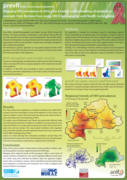
Since 2001, several Demographic and Health Surveys (DHS) include HIV
testing. For many countries, in particular in sub-Saharan Africa, DHS are
the only national source of data in general population. Several DHS collect
latitude and longitude of surveyed clusters but the sampling method is not
ap
...
propriate to derive local estimates: sample size is not large enough for a
direct spatial interpolation.
We developed a generic approach to map spatial regional trends of HIV
prevalence from DHS. We present how our results from Burkina Faso 2003
DHS shed new light on HIV epidemics.
more
The Basic Needs and Response Analysis Framework and Toolkit (known as the Framework & Toolkit) is part of the ECHO ERC funded project to increase the uptake of multi-purpose cash grants (MPGs) in emergency responses for more efficient and effective humanitarian action. MPGs are a powerful aid modali
...
ty because of their efficiency and effectiveness. They can be combined with other assistance modalities to maximize the benefit for affected communities.
more
Children living in humanitarian crises face an increased risk of abuse. While the threats of harm are increasing, the established systems in place to protect them are breaking down. Faced with the COVID-19 pandemic and its impacts, vulnerable families suffer multiple hardships. Schools are closed an
...
d families have been pushed to the brink of poverty, sometimes having been denied the opportunity to protect and provide for their children.
The report provides an in-depth analysis of 19 Humanitarian Response Plans and Refugee Response Plans from 2019
more
The document "Priority medical devices list for the COVID-19 response and associated technical specifications" complements this guideline.
This document provides interim guidance on the quality, performance characteristics and related standards of personal protective equipment (PPE) to be used i
...
n the context of COVID-19. This includes WHO Priority Medical Devices, specifically: surgical masks, non-surgical masks, gloves, googles, face shields, gowns and N95 masks. It is intended for procurement agencies, occupational health departments, infection prevention and control departments or focal points, health facility administrators, biomedical and materials engineering, PPE manufacturers and public health authorities at both national and facility levels.
more
Priority medical devices list for the COVID-19 response and associated technical specifications
recommended
23 February 2021
This document describes the medical devices required for the clinical management of COVID-19, selected and prioritized according to the latest available evidence and interim guidelines. This includes: oxygen therapy, pulse oximeters, patient monitors, thermometers, infusion and suc
...
tion pumps, X-ray, ultrasound and CT scanners as well as personal protective equipment. In order to facilitate access to quality assured priority medical devices, the document also includes technical and performance characteristics, related standards, accessories and consumables. It is intended for policy-makers and planning officers in Ministries of Health, procurement and regulatory agencies, intergovernmental and international agencies as well as the medical device industry.
This document is an update to the List of priority medical devices for COVID-19 case management and Technical specifications for invasive and non-invasive ventilators for COVID-19.
This document complements the Technical specifications of personal protective equipment for COVID-19.
more
Ethiopia GATS was implemented by Ethiopia Public Health Institute (EPHI) in collaboration with the Ethiopian Food, Medicine, Health Care Administration and Control Authority (FMHACA), CSA, FMOH and the World Health Organization (WHO)country office. Technical assistance
...
for the implementation of the survey was provided by the WHO, the U.S. Centers for Disease Control and Prevention (CDC), and RTI International. Program support was provided by the CDC Foundation.Financial support for Ethiopia GATS was provided by the CDC Foundation with a grant from the Bill & Melinda Gates Foundation.GATS enhances countries’ capacity to design, implement and evaluate tobacco control programs. It also assistscountries to fulfill their obligations under the WHO FCTC to generate comparable data within and across countries. In addition,it allows countries to implement the WHO MPOWER policy package. WHO MPOWERisa technical packagedevelopedtoassist countries in implementing selected demand reduction measures contained in the WHO Framework Convention on Tobacco Control(FCTC)(5).The six MPOWER evidence-based measures contained in the FCTC;
more

In the present report, the Special Rapporteur on the sale and sexual exploitation of children, including child prostitution, child pornography and other child sexual abuse material, Mama Fatima Singhateh, focuses on the impact of the coronavirus disease (COVID-19) p
...
andemic on increased risk and various manifestations of sale and sexual exploitation of children. The Special Rapporteur outlines the push and pull factors, protection challenges and good practices, and provides recommendations on measures to address the heightened risks of sale and sexual exploitation of children, both online and offline, during and in the aftermath of the COVID-19 crisis and the ensuing lockdowns.
more

Burns are a global public health problem, accounting for close to 200,000 deaths annually. The majority of these occur in low- and middle-income countries, where a number of constraints complicate the public health task of addressing burns. While the primary prevention of burns in low- and middle-in
...
come countries is a pressing need, the World Health Organization (WHO) also actively encourages further development of burn-care systems, including the training of health-care providers in the appropriate triage and management of people with burns.
more

The African Development Bank has launched a consultation process with health ministers and other partners as it develops a strategy to drive enhanced access to health services across Africa through 2030.
Input from ministers in the Bank’s 54 regional member countries, development partners and c
...
ivil society is expected to strengthen the Bank’s Strategy for Quality Health Infrastructure in Africa (2021-2030). A robust scoping study titled “Good Health and Well-being” underpins the strategy.
more
