
Filter
4732
Text search:
medicines
Featured
513
1294
Language
4474
151
132
97
70
48
40
32
18
17
9
9
8
7
6
6
6
5
5
5
5
4
4
4
3
3
3
3
3
3
2
2
2
2
2
2
2
2
2
2
2
2
2
1
1
1
1
1
1
1
1
1
1
1
1
1
1
1
1
1
1
1
Document type
2212
839
728
297
233
150
107
67
35
30
15
11
6
1
Countries
242
229
143
114
110
102
94
93
91
87
82
80
75
73
73
70
69
68
65
60
53
47
47
42
40
40
37
35
34
30
27
27
25
24
24
23
23
23
22
22
22
21
20
19
18
18
17
16
16
13
12
11
11
11
10
10
10
10
10
9
9
9
9
8
7
7
7
6
6
6
6
6
6
5
5
5
5
5
5
5
4
4
4
4
4
4
4
3
3
3
3
3
3
3
3
3
3
3
3
3
3
3
3
3
3
3
2
2
2
2
2
2
2
2
2
2
2
2
2
2
2
2
2
1
1
1
1
1
1
1
1
1
1
1
1
1
1
1
1
1
1
1
1
1
1
1
1
1
1
Authors & Publishers
765
224
167
128
105
80
69
62
59
57
34
33
32
31
29
27
25
25
25
24
24
21
19
19
19
18
18
17
16
16
16
15
15
15
15
13
13
13
13
13
12
12
12
12
12
12
11
11
11
11
11
11
10
10
10
10
10
10
10
10
10
9
9
9
9
8
8
8
8
8
8
8
8
8
8
8
8
8
8
8
7
7
7
7
7
7
7
7
7
7
7
7
6
6
6
6
6
6
6
6
6
6
6
6
6
6
6
6
6
6
6
6
6
6
6
6
6
6
6
6
6
6
6
5
5
5
5
5
5
5
5
5
5
5
5
5
5
5
5
5
5
5
5
5
5
5
5
5
5
5
5
5
5
5
5
4
4
4
4
4
4
4
4
4
4
4
4
4
4
4
4
4
4
4
4
4
4
4
4
4
4
4
4
4
4
4
4
4
4
4
4
4
4
4
4
4
4
4
4
3
3
3
3
3
3
3
3
3
3
3
3
3
3
3
3
3
3
3
3
3
3
3
3
3
3
3
3
3
3
3
3
3
3
3
3
3
3
3
3
3
3
3
3
3
3
3
3
3
3
3
3
3
3
3
3
3
3
3
3
3
3
3
3
3
3
3
3
3
3
3
3
3
3
3
3
3
3
3
3
3
3
3
3
3
3
3
3
3
3
3
3
3
3
2
2
2
2
2
2
2
2
2
2
2
2
2
2
2
2
2
2
2
2
2
2
2
2
2
2
2
2
2
2
2
2
2
2
2
2
2
2
2
2
2
2
2
2
2
2
2
2
2
2
2
2
2
2
2
2
2
2
2
2
2
2
2
2
2
2
2
2
2
2
2
2
2
2
2
2
2
2
2
2
2
2
2
2
2
2
2
2
2
2
2
2
2
2
2
2
2
2
2
2
2
2
2
2
2
2
2
2
2
2
2
2
2
2
2
2
2
2
2
2
2
2
2
2
2
2
2
2
2
2
2
2
2
2
2
2
2
2
2
2
2
2
2
2
2
2
2
2
2
2
2
2
2
2
2
2
2
2
2
2
2
2
2
2
2
2
2
2
2
2
2
2
2
2
2
2
2
2
2
2
2
2
2
2
2
2
2
2
2
2
2
2
2
2
2
2
2
2
2
2
2
2
2
2
2
2
2
2
2
2
2
2
2
2
2
2
2
2
2
2
2
2
2
2
2
2
2
2
2
2
2
2
2
2
2
2
2
2
2
2
2
2
2
2
2
2
2
2
1
1
1
1
1
1
1
1
1
1
1
1
1
1
1
1
1
1
1
1
1
1
1
1
1
1
1
1
1
1
1
1
1
1
1
1
1
1
1
1
1
1
1
1
1
1
1
1
1
1
1
1
1
1
1
1
1
1
1
1
1
1
1
1
1
1
1
1
1
1
1
1
1
1
1
1
1
1
1
1
1
1
1
1
1
1
1
1
1
1
1
1
1
1
1
1
1
1
1
1
1
1
1
1
1
1
1
1
1
1
1
1
1
1
1
1
1
1
1
1
1
1
1
1
1
1
1
1
1
1
1
1
1
1
1
1
1
1
1
1
1
1
1
1
1
1
1
1
1
1
1
1
1
1
1
1
1
1
1
1
1
1
1
1
1
1
1
1
1
1
1
1
1
1
1
1
1
1
1
1
1
1
1
1
1
1
1
1
1
1
1
1
1
1
1
1
1
1
1
1
1
1
1
1
1
1
1
1
1
1
1
1
1
1
1
1
1
1
1
1
1
1
1
1
1
1
1
1
1
1
1
1
1
1
1
1
1
1
1
1
1
1
1
1
1
1
1
1
1
1
1
1
1
1
1
1
1
1
1
1
1
1
1
1
1
1
1
1
1
1
1
1
1
1
1
1
1
1
1
1
1
1
1
1
1
1
1
1
1
1
1
1
1
1
1
1
1
1
1
1
1
1
1
1
1
1
1
1
1
1
1
1
1
1
1
1
1
1
1
1
1
1
1
1
1
1
1
1
1
1
1
1
1
1
1
1
1
1
1
1
1
1
1
1
1
1
1
1
1
1
1
1
1
1
1
1
1
1
1
1
1
1
1
1
1
1
1
1
1
1
1
1
1
1
1
1
1
1
1
1
1
1
1
1
1
1
1
1
1
1
1
1
1
1
1
1
1
1
1
1
1
1
1
1
1
1
1
1
1
1
1
1
1
1
1
1
1
1
1
1
1
1
1
1
1
1
1
1
1
1
1
1
1
1
1
1
1
1
1
1
1
1
1
1
1
1
1
1
1
1
1
1
1
1
1
1
1
1
1
1
1
1
1
1
1
1
1
1
1
1
1
1
1
1
1
1
1
1
1
1
1
1
1
1
1
1
1
1
1
1
1
1
1
1
1
1
1
1
1
1
1
1
1
1
1
1
1
1
1
1
1
1
1
1
1
1
1
1
1
1
1
1
1
1
1
1
1
1
1
1
1
1
1
1
1
1
1
1
1
1
1
1
1
1
1
1
1
1
1
1
1
1
1
1
1
1
1
1
1
1
1
1
1
1
1
1
1
1
1
1
1
1
1
1
1
1
1
1
1
1
1
1
1
1
1
1
1
1
1
1
1
1
1
1
1
1
1
1
1
1
1
1
1
1
1
1
1
1
1
1
1
1
1
1
1
1
1
1
1
1
1
1
1
1
1
1
1
1
1
1
1
1
1
1
1
1
1
1
1
1
1
1
1
1
1
1
1
1
1
1
1
1
1
1
1
1
1
1
1
1
1
1
1
1
1
1
1
1
1
1
1
1
1
1
1
1
1
1
1
1
1
1
1
1
1
1
1
1
1
1
1
1
1
1
1
1
1
1
1
1
1
1
1
1
1
1
1
1
1
1
1
1
1
1
1
1
1
1
1
1
1
1
1
1
1
1
1
1
1
1
1
1
1
1
1
1
1
1
1
1
1
1
1
1
1
1
1
1
1
1
1
1
1
1
1
1
1
1
1
1
1
1
1
1
1
1
1
1
1
1
1
1
1
1
1
1
1
1
1
1
1
1
1
1
1
1
1
1
1
1
1
1
1
1
1
1
1
1
1
1
1
1
1
1
1
1
1
1
1
1
1
1
1
1
1
1
1
1
1
1
1
1
1
1
1
1
1
1
1
1
1
1
1
1
1
1
1
1
1
1
1
1
1
1
1
1
1
1
1
1
1
1
1
1
1
1
1
1
1
1
1
1
1
1
1
1
1
1
1
1
1
1
1
1
1
1
1
1
1
1
1
1
1
1
1
1
1
1
1
1
1
1
1
1
1
1
1
1
1
1
1
1
1
1
1
1
1
1
1
1
1
1
1
1
1
1
1
1
1
1
1
1
1
1
1
1
1
1
1
1
1
1
1
1
1
1
1
1
1
1
1
1
1
1
1
1
1
1
1
1
1
1
1
1
1
1
1
1
1
1
1
1
1
1
1
1
1
1
1
1
1
1
1
1
1
1
1
1
1
1
1
1
1
1
1
1
1
1
1
1
1
1
1
1
1
1
1
1
1
1
1
1
1
1
1
1
1
1
1
1
1
1
1
1
1
1
1
1
1
1
1
1
1
1
1
1
1
1
1
1
1
1
1
1
1
1
1
1
1
1
1
1
1
1
1
1
1
1
1
1
1
1
1
1
1
1
1
1
1
1
1
1
1
1
1
1
1
1
1
1
1
1
1
1
1
1
1
1
1
1
1
1
1
1
1
1
1
1
1
1
1
1
1
1
1
1
1
1
1
1
1
1
1
1
1
1
1
1
1
1
1
1
1
1
1
1
1
1
1
1
1
1
1
1
1
1
1
1
1
1
1
1
1
1
1
1
1
1
1
1
1
1
1
1
1
1
1
1
1
1
1
1
1
1
1
1
1
1
1
1
1
1
1
1
1
1
1
1
1
1
1
1
1
1
1
1
1
1
1
1
1
1
1
1
1
1
1
1
1
1
1
1
1
1
1
1
1
1
1
1
1
1
1
1
1
1
1
1
1
1
1
1
1
1
1
1
1
1
1
1
1
1
1
1
1
1
1
1
1
1
1
1
1
1
1
1
1
1
1
1
1
1
1
1
1
1
1
1
1
1
1
1
1
1
1
1
1
1
1
1
1
1
1
1
1
1
1
1
1
1
1
1
1
1
1
1
1
1
1
1
1
1
1
1
1
1
1
1
1
1
1
1
1
1
1
1
1
1
1
1
1
1
1
1
1
1
1
1
1
1
1
1
1
1
1
1
1
1
1
1
1
1
1
1
1
1
1
1
1
1
1
1
1
1
1
1
1
1
1
1
1
1
1
1
1
1
1
1
1
1
1
1
1
1
1
1
1
1
1
1
1
1
1
1
1
1
1
1
1
1
1
1
1
1
1
1
1
1
1
1
1
1
1
1
1
1
1
1
1
1
1
1
1
1
1
1
1
1
1
1
1
1
1
1
1
1
1
1
1
1
1
1
1
1
1
1
1
1
1
1
1
1
1
1
1
1
1
1
1
1
1
1
1
1
1
1
1
1
1
1
1
1
1
1
1
1
1
1
1
1
1
1
1
1
1
1
1
1
1
1
1
1
1
1
1
1
1
1
1
1
1
1
1
1
1
1
1
1
1
1
1
1
1
1
1
1
1
1
1
1
1
1
1
1
1
1
1
1
1
1
1
1
1
1
1
1
1
1
1
1
1
1
1
1
1
1
1
1
1
1
1
1
1
1
1
1
1
1
1
1
1
1
1
1
1
1
1
1
1
1
1
1
1
1
1
1
1
1
1
1
1
1
1
1
1
1
1
1
1
1
1
1
1
1
1
1
1
1
1
1
1
1
1
1
1
1
1
1
1
1
1
1
1
1
1
1
1
1
1
1
1
1
1
1
1
1
1
1
1
1
1
1
1
1
1
1
1
1
1
1
1
1
1
1
1
1
1
1
1
1
1
1
1
1
1
1
1
1
1
1
1
1
1
1
1
1
1
1
1
1
1
1
1
1
1
1
1
1
1
1
1
1
1
1
1
1
1
1
1
1
1
1
1
1
1
1
1
1
1
1
1
1
1
1
1
1
1
1
1
1
1
1
1
1
1
1
1
1
1
1
1
1
1
1
1
1
1
1
1
1
1
1
1
1
1
1
1
1
1
1
1
1
1
1
1
1
1
1
1
1
1
1
1
1
1
1
1
1
1
1
1
1
1
1
1
1
1
1
1
1
1
1
1
1
1
1
1
1
1
1
1
1
1
1
1
1
1
1
1
1
1
1
1
1
1
1
1
1
1
1
1
1
1
1
1
1
1
1
1
1
1
1
1
1
1
1
1
1
1
1
1
1
1
1
1
1
1
1
1
1
1
1
1
1
1
1
1
1
1
1
1
1
1
1
1
1
1
1
1
1
1
1
1
1
1
1
1
1
1
1
1
1
1
1
1
1
1
1
1
1
1
1
1
1
1
1
1
1
1
1
1
1
1
1
1
1
1
1
1
1
1
1
1
1
1
1
1
1
1
1
1
1
1
1
1
1
1
1
1
1
1
1
1
1
1
1
1
1
1
1
1
1
1
1
1
1
1
1
1
1
1
1
1
1
1
1
1
1
1
1
1
1
1
1
1
1
1
1
1
1
1
1
1
1
1
1
1
1
1
1
1
1
1
1
1
1
1
1
1
1
1
1
1
1
1
1
1
1
1
1
1
1
1
1
1
1
1
1
1
1
1
1
1
1
1
1
1
1
1
1
1
1
1
1
1
1
1
1
1
1
1
1
1
1
1
1
1
1
1
1
1
1
1
1
1
1
1
1
1
1
1
1
1
1
1
1
1
1
1
1
1
1
1
1
1
1
1
1
1
1
1
1
1
1
1
1
1
1
1
1
1
1
1
1
1
1
1
1
1
1
1
1
1
1
1
1
1
1
1
1
1
1
1
1
1
1
1
1
1
1
1
1
1
1
1
1
1
1
1
1
1
1
1
1
1
1
1
1
1
1
1
1
1
1
1
1
1
1
1
1
1
1
1
1
1
1
1
1
1
1
1
1
1
1
1
1
1
1
1
1
1
1
1
1
1
1
1
1
1
1
1
1
1
1
1
1
1
1
1
1
1
1
1
1
1
1
1
1
1
1
1
1
1
1
1
1
1
1
1
1
1
1
1
1
1
1
1
1
1
1
1
1
1
1
1
1
1
1
1
1
1
1
1
1
1
1
1
1
1
1
1
1
1
1
1
1
1
1
1
1
1
1
1
1
1
1
1
1
1
1
1
1
1
1
1
1
1
1
1
1
1
1
1
1
1
1
1
1
1
1
1
1
1
1
1
1
1
1
1
1
1
1
1
1
1
1
1
1
1
1
1
1
1
1
1
1
1
1
1
1
1
1
1
1
1
1
1
1
1
1
1
1
1
1
1
1
1
1
1
1
1
1
1
1
1
1
1
1
1
1
1
1
1
1
1
1
1
1
1
1
1
1
1
1
1
1
1
1
1
1
1
1
1
1
1
1
1
1
1
1
1
1
1
1
1
1
1
1
1
1
1
1
1
1
1
1
1
1
1
1
1
1
1
1
1
1
1
1
1
1
1
1
1
1
1
1
1
1
1
1
1
1
1
1
1
1
1
1
1
1
1
1
1
1
1
1
1
1
1
1
1
1
1
1
1
1
1
1
1
1
1
1
1
1
1
1
1
1
1
1
1
1
1
1
1
1
1
1
1
1
1
1
1
1
1
1
1
1
1
1
1
1
1
1
1
1
1
1
1
1
1
1
1
1
1
1
1
1
1
1
1
1
1
1
1
1
1
1
1
1
1
1
1
1
1
1
1
1
1
1
1
1
1
1
1
1
1
1
1
1
1
1
1
1
1
1
1
1
1
1
1
1
1
1
1
1
1
1
1
1
1
1
1
1
1
1
1
1
1
1
1
1
1
1
1
1
1
1
1
1
1
1
1
1
1
1
1
1
1
1
1
1
1
1
1
1
1
1
1
1
1
1
1
1
1
1
1
1
1
1
1
1
1
1
1
1
1
1
1
1
1
1
1
1
1
1
1
1
1
1
1
1
1
1
1
1
1
1
1
1
1
1
1
1
1
1
1
1
1
1
1
1
1
1
1
1
1
1
1
1
1
1
1
1
1
1
1
1
1
1
1
1
1
1
1
1
1
1
1
1
1
1
1
1
1
1
1
1
1
1
1
1
1
1
1
1
1
1
1
1
1
1
1
1
1
1
1
1
1
1
1
1
1
1
1
1
1
1
1
1
1
1
1
1
1
1
1
1
1
1
1
1
1
1
1
1
1
1
1
1
1
1
1
1
1
1
1
1
1
1
1
1
1
1
1
1
1
1
1
1
1
1
1
1
1
1
1
1
1
1
1
1
1
1
1
1
1
1
1
1
1
1
1
1
1
1
1
1
1
1
Publication Years
1581
2765
357
27
2
Category
1947
411
291
206
181
96
58
2
Toolboxes
365
291
286
283
251
163
159
146
131
130
111
110
106
94
91
77
65
57
52
43
20
20
11
10
6
1
The objectives of these WHO guidelines are to provide updated evidence- based recommendations for the treatment of persons with hepatitis C infection using, where possible, all DAA-only combinations. The guidelines also provide recommendations on the preferred regimens based on a patient’s HCV gen
...
otype and clinical history, and assess the appropriateness of continued use of certain medicines. This document also includes existing recommendations on screening for HCV infection and care of persons infected with HCV that were first issued in 2014
more
WHO guidelines on the pharmacological treatment of persisting pain in children with medical illnesses
World Health Organization
(2012)
The Access to Controlled Medications Programme identified the development of treatment guidelines that cover the treatment of all types of pain as one of the core areas of focus for improving access to opioid analgesics. Such guidelines are interesting both for health-care professionals and policy-
...
makers. They are also important in improving access to controlled medicines for determining when those opioid medicines and when non-opioid medicines are preferred.
Based on a Delphi study, WHO planned the development of three treatment guidelines, covering chronic pain in children, chronic pain in adults and acute pain.
more
Directrices de la OMS sobre el tratamiento farmacológico del dolor persistente en niños con enfermedades médicas
World Health Organization
(2012)
The Access to Controlled Medications Programme identified the development of treatment guidelines that cover the treatment of all types of pain as one of the core areas of focus for improving access to opioid analgesics. Such guidelines are interesting both for health-care professionals and policy-
...
makers. They are also important in improving access to controlled medicines for determining when those opioid medicines and when non-opioid medicines are preferred.
Based on a Delphi study, WHO planned the development of three treatment guidelines, covering chronic pain in children, chronic pain in adults and acute pain.
more
The publication of the Second Edition of the Emergency Drug Guidelines represents the culmination of the efforts of the National Drugs and Therapeutics Committee (NDTC) to publish clinical drug guidelines for common diseases seen in Fiji. These guidelines are targeted for health care professionals w
...
orking at hospitals and at the primary health care settings. It sets the gold standard for the use of drugs in the treatment of emergency medical conditions in Fiji. The guidelines have taken into account the drugs available in the Fiji Essential Medicines Formulary (EMF), 2006 Edition, in recommending treatment approaches. All recommended therapies are either evidencebased or universally accepted standards
more
This is a pocket-sized manual for use by doctors, senior nurses and other senior health workers who are responsible for the care of young children at the first referral level in developing countries. It presents up-to-date clinical guidelines which are based on a review of the available published ev
...
idence by subject experts, for both inpatient and outpatient care in small hospitals where basic laboratory facilities and essential drugs and inexpensive medicines are available. It focuses on the inpatient management of the major causes of childhood mortality, such as pneumonia, diarrhoea, severe malnutrition, malaria, meningitis, measles, HIV infection and related conditions. It covers neonatal problems and surgical conditions of children which can be managed in small hospitals. This pocket book is part of a series of documents and tools that support the Integrated Management of Childhood Illness (IMCI).
more
WHO Pharmacovigilance indicators: a practical manual for the assessment of pharmacovigilance systems
This manual provides a practical method for determining the pharmacovigilance indices. It is designed to be simple and can be understood by any worker in pharmacovigilance without formal training in monitoring and evaluation. Pharmacovigilance as a medical discipline is crucial in preventing medicin
...
e-related adverse effects in humans, promoting patient safety, and the rational use of medicines. The indicators proposed in this manual are based on the expected functions of pharmacovigilance centres as described in the WHO Mimimum Requirements for a Functional Pharmacovigilance System (1) (see Annex 1 of the manual).
more
WHO Technical Report Series, No. 961, 2011, Annex 8 - These guidelines are intended to provide a description of ways in which pharmacists can improve access to health care, health promotion and the use of medicines on behalf of the patients they ser
...
ve. The role of FIP is to provide leadership for national pharmacy professional organizations, which in turn provide the impetus for setting national standards. The vital element is the commitment of the pharmacy profession worldwide to promoting excellence in practice for the benefi t of those served. The public and other professions will judge the pharmacy profession on how its members translate that commitment into practice in all settings, especially community and hospital pharmacy settings.
more
This policy brief has been developed in response to the contemporary challenge of antibiotic resistance (ABR). ABR poses a formidable threat to global health and sustainable development. It is now increasingly recognized that the systematic neglect of cultural factors is one of the biggest obs
...
tacles to achieving better health outcomes and better standards of living worldwide. Using a cultural contexts of health approach, the policy brief explores the centrality of culture to the challenge of ABR. The brief examines how the prescription and use of antibacterial medicines, the transmission of resistance, and the regulation and funding of research are influenced by cultural, social and commercial, as well as biological and technological factors. The brief moves beyond the ready equation of culture with individual behaviours and demonstrates how culture serve as an enabler of health and provide new possibilities for change.
more

This document is a situation report (#6) from October 2, 2017, describing the cholera outbreak in Yemen. By October 1, 2017, there were 777,229 suspected cholera cases and 2,134 deaths across 22 of Yemen's 23 governorates. The response involves WASH partners providing hygiene supplies and water trea
...
tment, health cluster partners operating treatment centers, and communication campaigns reaching over 16 million people. Major challenges include limited supplies, security risks hindering access to affected communities, a weakened health system with over 55% of facilities closed or partially functional, and difficulties importing medicines and medical supplies. Children under 18 represent 60% of cases, while people over 60 report the highest death rates.
more
WHO has developed a new health kit to support treatment for chronic disease patients in emergency settings. The prevalence of NCDs is increasing worldwide, including in emergency/crisis-prone areas. Yet current humanitarian response has not accounted for this emerging burden. The NCD kit attends to
...
cover this gap by providing essential medicines and medical devices for the management of hypertension and cardiac conditions, diabetes and endocrine conditions, chronic respiratory diseases, and mental health and neurological conditions and neurological conditions for outpatient care in primary health care settings.
more
WHO's Severe acute malnutrition with medical complications kit (SAM/MC) kit is a standard kit designed to provide medical treatment for 50 children under five suffering from severe malnutrition with medical complications. The SAM/MC kit includes antibiotics, antifungal, de-worming, antimalarial and
...
anti-scabies medicines, and a rehydration mix specific to treat cases of severe acute malnutrition
more

The survey, conducted between March 1–10, 2018, assessed the performance of 104 public and 33 private hospitals in Venezuela. According to the figures, most laboratory services and hospital nutrition services are only available intermittently or are completely inoperative. Shortages of items such
...
as basic medicines, catheters, surgical supplies, and infant formula are highlighted in the survey; 14% of intensive care units have been shut down because they are unable to operate and 79% of the facilities analysed have no water at all.
more
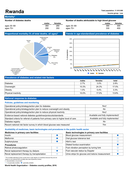
Diabetes country profiles 2016 - The aim of the diabetes country profiles is to synthesize, in one reference document, the national status of diabetes prevention and control. Each profile includes data on diabetes prevalence and trends; mortality; risk factors; availability of diabetes country plans
...
; monitoring and surveillance; primary prevention and treatment policies and availability of medicines, basic technologies and procedures.
more

Replacement of Annex 2 of WHO Technical Report Series, No. 964
...
Medicines and should be part of any primary health care package where snakebites occur. Currently, there is an urgent need to ensure availability of safe, effective and affordable antivenoms, particularly to those in developing countries and to improve the regulatory control over the manufacture, import and sale of antivenoms.>
more
more

Traditional medicine, including the knowledge, skills and practices of holistic health care, exists in all cultures. It is based on indigenous theories, beliefs and experiences and is widely accepted for its role in health maintenance and the treatment of disease.Medicinal plants are the main ingred
...
ients of local medicines, but rapid urbanization is leading to the loss of many important plants and knowledge of their use. To help preserve this knowledge and recognize the importance of medicinal plants to health care systems, the WHO Regional Office for the Western Pacific has published a series of books on Medicinal Plants in China, the Republic of Korea, Viet Nam and the South Pacific. Medicinal Plants in Papua New Guinea is the fifth in this series. This book covers only a small proportion of the immense knowledge on traditional medicine, the plant species from which they are derived, the diseases they can treat and the parts of the plants to be used. The diverse cultures, languages and traditional practices of Papua New Guinea made this a particularly challenging project. But we believe the information and accompanying references can provide useful information for scientists, doctors and other users.
more

The aim of these Guidelines is to provide a framework for the conservation and sustainable use of plants in medicine. To do this, the Guidelines describe the various tasks that should be carried out to ensure that where medicinal plants are taken from the wild, they are taken on a basis that is sust
...
ainable.
The Guidelines conform to the principles of Caring for the Earth, prepared in partnership by IUCN, UNEP and WWF. Caring for the Earth extends the message and scope of the World Conservation Strategy to an ethic of sustainable living, and explains how to integrate conservation with development. Its message is particularly relevant to the issue of medicinal plants, which in many parts of the world are being seriously depleted due to over-exploitation and loss of habitats, resulting in a lack of essential medicines and so reducing options for the future. more
The Guidelines conform to the principles of Caring for the Earth, prepared in partnership by IUCN, UNEP and WWF. Caring for the Earth extends the message and scope of the World Conservation Strategy to an ethic of sustainable living, and explains how to integrate conservation with development. Its message is particularly relevant to the issue of medicinal plants, which in many parts of the world are being seriously depleted due to over-exploitation and loss of habitats, resulting in a lack of essential medicines and so reducing options for the future. more
An estimated 59 000 people die from rabies each year. That’s one person every nine minutes of every day, 40% of whom are children living in Asia and Africa. As dog bites cause almost all human cases, we can prevent rabies deaths by increasing awareness, vaccinating dogs to prevent the disease at i
...
ts source and administering life-saving treatment after people have been bitten. We have the vaccines, medicines, tools and technologies to prevent people from dying from dog-mediated rabies. For a relatively low cost it is possible to break the disease cycle and save lives
more
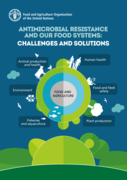
Since the introduction of penicillin in the early twentieth century, antimicrobial treatments have been utilized not only in human medicine but also in veterinary care – initially to ward off diseases, prevent post-surgery infections, and treat sick farm animals.Global food production
...
has intensified over the past 50 years due to economic expansion and popu-lation growth. The use of antimicrobials in agriculture – in livestock, fish farming, and even on crops – has grown as well. Antimicrobials are not only used as medicines, but are sometimes also added in low concentrations to animal feed as a way of stimulating growth.
more

Inequality of access to palliative care and symptom relief is one of the greatest disparities in global health care (1). Currently, there is avoidable suffering on a massive scale due to lack of access to palliative care and symptom relief in low- and middle-income countries (LMICs) (1). Yet basic p
...
alliative care that can prevent or relieve most suffering due to serious or life-threatening health conditions can be taught easily to generalist clinicians, can be provided in the community and requires only simple, inexpensive medicines and equipment. For these reasons, the World Health Assembly (WHA) resolved that palliative care is "an ethical responsibility of health systems"(2). Further, most patients who need palliative care are at home and prefer to remain there. Thus, it is imperative that palliative care be provided in the community as part of primary care. This document was written to assist ministries of health and health care planners, implementers and managers to integrate palliative care and symptom control into primary health care (PHC).
more
Version 1.1. The WHO protocol has been adapted to resource-limited settings and builds on existing methodologies from the European Centre for Disease Prevention and Control (ECDC), the Global PPS project from University of Antwerp, the US Centers for Disease Control and Prevention (CDC), and the
...
Medicines Utilisation Research in Africa (MURIA).
Point Prevalence Surveys collects information on prescribing practices of antibiotics and other information relevant to treatment and management of infectious diseases in hospitalized patients, and complements surveillance of antimicrobial consumption.
more
