
Filter
4382
Text search:
UNICEF,
WHO
Featured
436
1334
Language
3890
251
170
110
91
58
41
34
20
14
11
8
7
6
6
6
5
5
4
4
4
4
3
3
3
3
3
3
3
3
2
2
2
2
2
2
2
2
2
2
2
2
2
2
2
2
2
2
1
1
1
1
1
1
1
1
1
1
1
1
1
1
1
1
1
1
1
1
1
1
1
1
1
1
1
1
1
1
1
1
1
1
1
1
1
1
1
1
1
1
1
1
1
1
1
1
1
1
Document type
2358
666
529
208
193
158
98
78
45
22
15
4
2
1
Countries
193
144
135
134
122
117
106
100
94
90
87
76
75
74
73
60
59
57
53
52
52
51
51
45
45
44
43
42
39
38
38
36
36
36
35
34
31
30
30
28
26
25
24
24
24
22
21
20
20
19
19
18
18
17
16
16
16
16
15
13
12
12
11
11
10
9
9
9
9
8
7
7
7
7
7
7
7
6
6
6
5
5
5
5
4
4
4
4
4
3
3
3
3
3
3
3
3
3
2
2
2
2
2
2
2
2
2
2
2
2
2
2
2
2
2
1
1
1
1
1
1
1
1
1
1
1
1
1
1
1
1
1
1
1
1
1
1
1
1
Authors & Publishers
611
385
155
135
134
113
107
96
62
46
40
34
33
29
29
29
25
25
24
23
20
19
19
19
18
17
17
17
16
16
16
16
15
15
15
15
15
15
14
14
13
13
13
12
12
12
12
12
12
12
12
11
11
10
10
9
9
9
9
9
9
9
9
9
9
8
8
8
8
8
8
8
8
8
8
8
8
7
7
7
7
7
7
7
7
7
7
7
7
7
7
6
6
6
6
6
6
6
6
6
6
6
6
6
6
6
6
6
6
6
6
6
5
5
5
5
5
5
5
5
5
5
5
5
5
5
5
5
5
5
5
5
5
5
5
5
5
5
5
5
5
5
5
5
5
4
4
4
4
4
4
4
4
4
4
4
4
4
4
4
4
4
4
4
4
4
4
4
4
4
4
4
4
4
4
4
4
4
4
4
4
4
4
4
4
4
4
4
4
3
3
3
3
3
3
3
3
3
3
3
3
3
3
3
3
3
3
3
3
3
3
3
3
3
3
3
3
3
3
3
3
3
3
3
3
3
3
3
3
3
3
3
3
3
3
3
3
3
3
3
3
3
3
3
3
3
3
3
3
3
3
3
3
3
3
3
3
3
3
3
3
3
3
3
3
3
3
3
3
3
3
3
3
3
3
3
3
3
3
2
2
2
2
2
2
2
2
2
2
2
2
2
2
2
2
2
2
2
2
2
2
2
2
2
2
2
2
2
2
2
2
2
2
2
2
2
2
2
2
2
2
2
2
2
2
2
2
2
2
2
2
2
2
2
2
2
2
2
2
2
2
2
2
2
2
2
2
2
2
2
2
2
2
2
2
2
2
2
2
2
2
2
2
2
2
2
2
2
2
2
2
2
2
2
2
2
2
2
2
2
2
2
2
2
2
2
2
2
2
2
2
2
2
2
2
2
2
2
2
2
2
2
2
2
2
2
2
2
2
2
2
2
2
2
2
2
2
2
2
2
2
2
2
2
2
2
2
2
2
2
2
2
2
2
2
2
2
2
2
2
2
2
2
2
2
2
2
2
2
2
2
2
2
2
2
2
2
2
2
2
2
2
2
2
2
2
2
2
2
2
2
2
2
2
2
2
2
2
2
2
2
2
2
2
2
2
2
2
2
2
2
2
2
2
2
2
2
2
2
2
2
2
2
1
1
1
1
1
1
1
1
1
1
1
1
1
1
1
1
1
1
1
1
1
1
1
1
1
1
1
1
1
1
1
1
1
1
1
1
1
1
1
1
1
1
1
1
1
1
1
1
1
1
1
1
1
1
1
1
1
1
1
1
1
1
1
1
1
1
1
1
1
1
1
1
1
1
1
1
1
1
1
1
1
1
1
1
1
1
1
1
1
1
1
1
1
1
1
1
1
1
1
1
1
1
1
1
1
1
1
1
1
1
1
1
1
1
1
1
1
1
1
1
1
1
1
1
1
1
1
1
1
1
1
1
1
1
1
1
1
1
1
1
1
1
1
1
1
1
1
1
1
1
1
1
1
1
1
1
1
1
1
1
1
1
1
1
1
1
1
1
1
1
1
1
1
1
1
1
1
1
1
1
1
1
1
1
1
1
1
1
1
1
1
1
1
1
1
1
1
1
1
1
1
1
1
1
1
1
1
1
1
1
1
1
1
1
1
1
1
1
1
1
1
1
1
1
1
1
1
1
1
1
1
1
1
1
1
1
1
1
1
1
1
1
1
1
1
1
1
1
1
1
1
1
1
1
1
1
1
1
1
1
1
1
1
1
1
1
1
1
1
1
1
1
1
1
1
1
1
1
1
1
1
1
1
1
1
1
1
1
1
1
1
1
1
1
1
1
1
1
1
1
1
1
1
1
1
1
1
1
1
1
1
1
1
1
1
1
1
1
1
1
1
1
1
1
1
1
1
1
1
1
1
1
1
1
1
1
1
1
1
1
1
1
1
1
1
1
1
1
1
1
1
1
1
1
1
1
1
1
1
1
1
1
1
1
1
1
1
1
1
1
1
1
1
1
1
1
1
1
1
1
1
1
1
1
1
1
1
1
1
1
1
1
1
1
1
1
1
1
1
1
1
1
1
1
1
1
1
1
1
1
1
1
1
1
1
1
1
1
1
1
1
1
1
1
1
1
1
1
1
1
1
1
1
1
1
1
1
1
1
1
1
1
1
1
1
1
1
1
1
1
1
1
1
1
1
1
1
1
1
1
1
1
1
1
1
1
1
1
1
1
1
1
1
1
1
1
1
1
1
1
1
1
1
1
1
1
1
1
1
1
1
1
1
1
1
1
1
1
1
1
1
1
1
1
1
1
1
1
1
1
1
1
1
1
1
1
1
1
1
1
1
1
1
1
1
1
1
1
1
1
1
1
1
1
1
1
1
1
1
1
1
1
1
1
1
1
1
1
1
1
1
1
1
1
1
1
1
1
1
1
1
1
1
1
1
1
1
1
1
1
1
1
1
1
1
1
1
1
1
1
1
1
1
1
1
1
1
1
1
1
1
1
1
1
1
1
1
1
1
1
1
1
1
1
1
1
1
1
1
1
1
1
1
1
1
1
1
1
1
1
1
1
1
1
1
1
1
1
1
1
1
1
1
1
1
1
1
1
1
1
1
1
1
1
1
1
1
1
1
1
1
1
1
1
1
1
1
1
1
1
1
1
1
1
1
1
1
1
1
1
1
1
1
1
1
1
1
1
1
1
1
1
1
1
1
1
1
1
1
1
1
1
1
1
1
1
1
1
1
1
1
1
1
1
1
1
1
1
1
1
1
1
1
1
1
1
1
1
1
1
1
1
1
1
1
1
1
1
1
1
1
1
1
1
1
1
1
1
1
1
1
1
1
1
1
1
1
1
1
1
1
1
1
1
1
1
1
1
1
1
1
1
1
1
1
1
1
1
1
1
1
1
1
1
1
1
1
1
1
1
1
1
1
1
1
1
1
1
1
1
1
1
1
1
1
1
1
1
1
1
1
1
1
1
1
1
1
1
1
1
1
1
1
1
1
1
1
1
1
1
1
1
1
1
1
1
1
1
1
1
1
1
1
1
1
1
1
1
1
1
1
1
1
1
1
1
1
1
1
1
1
1
1
1
1
1
1
1
1
1
1
1
1
1
1
1
1
1
1
1
1
1
1
1
1
1
1
1
1
1
1
1
1
1
1
1
1
1
1
1
1
1
1
1
1
1
1
1
1
1
1
1
1
1
1
1
1
1
1
1
1
1
1
1
1
1
1
1
1
1
1
1
1
1
1
1
1
1
1
1
1
1
1
1
1
1
1
1
1
1
1
1
1
1
1
1
1
1
1
1
1
1
1
1
1
1
1
1
1
1
1
1
1
1
1
1
1
1
1
1
1
1
1
1
1
1
1
1
1
1
1
1
1
1
1
1
1
1
1
1
1
1
1
1
1
1
1
1
1
1
1
1
1
1
1
1
1
1
1
1
1
1
1
1
1
1
1
1
1
1
1
1
1
1
1
1
1
1
1
1
1
1
1
1
1
1
1
1
1
1
1
1
1
1
1
1
1
1
1
1
1
1
1
1
1
1
1
1
1
1
1
1
1
1
1
1
1
1
1
1
1
1
1
1
1
1
1
1
1
1
1
1
1
1
1
1
1
1
1
1
1
1
1
1
1
1
1
1
1
1
1
1
1
1
1
1
1
1
1
1
1
1
1
1
1
1
1
1
1
1
1
1
1
1
1
1
1
1
1
1
1
1
1
1
1
1
1
1
1
1
1
1
1
1
1
1
1
1
1
1
1
1
1
1
1
1
1
1
1
1
1
1
1
1
1
1
1
1
1
1
1
1
1
1
1
1
1
1
1
1
1
1
1
1
1
1
1
1
1
1
1
1
1
1
1
1
1
1
1
1
1
1
1
1
1
1
1
1
1
1
1
1
1
1
1
1
1
1
1
1
1
1
1
1
1
1
1
1
1
1
1
1
1
1
1
1
1
1
1
1
1
1
1
1
1
1
1
1
1
1
1
1
1
1
1
1
1
1
1
1
1
1
1
1
1
1
1
1
1
1
1
1
1
1
1
1
1
1
1
1
1
1
1
1
1
1
1
1
1
1
1
1
1
1
1
1
1
1
1
1
1
1
1
1
1
1
1
1
1
1
1
1
1
1
1
1
1
1
1
1
1
1
1
1
1
1
1
1
1
1
1
1
1
1
1
1
1
1
1
1
1
1
1
1
1
1
1
1
1
1
1
1
1
1
1
1
1
1
1
1
1
1
1
1
1
1
1
1
1
1
1
1
1
1
1
1
1
1
1
1
1
1
1
1
1
1
1
1
1
1
1
1
1
1
1
1
1
1
1
1
1
1
1
1
1
1
1
1
1
1
1
1
1
1
1
1
1
1
1
1
1
1
1
1
1
1
1
1
1
1
1
1
1
1
1
1
1
1
1
1
1
1
1
1
1
1
1
1
1
1
1
1
1
1
1
1
1
1
1
1
1
1
1
1
1
1
1
1
1
1
1
1
1
1
1
1
1
1
1
1
1
1
1
1
1
1
1
1
1
1
1
1
1
1
1
1
1
1
1
1
1
1
1
1
1
1
1
1
1
1
1
1
1
1
1
1
1
1
1
1
1
1
1
1
1
1
1
1
1
1
1
1
1
1
1
1
1
1
1
1
1
1
1
1
1
1
1
1
1
1
1
1
1
1
1
1
1
1
1
1
1
1
1
1
1
1
1
1
1
1
1
1
1
1
1
1
1
1
1
1
1
1
1
1
1
1
1
1
1
1
1
1
1
1
1
1
1
1
1
1
1
1
1
1
1
1
1
1
1
1
1
1
1
1
1
1
1
1
1
1
1
1
1
1
1
1
1
1
1
1
1
1
1
1
1
1
1
1
1
1
1
1
1
1
1
1
1
1
1
1
1
1
1
1
1
1
1
1
1
1
1
1
1
1
1
1
1
1
1
1
1
1
1
1
1
1
1
1
1
1
1
1
1
1
1
1
1
1
1
1
1
1
1
1
1
1
1
1
1
1
1
1
1
1
1
1
1
1
1
1
1
1
1
1
1
1
1
1
1
1
1
1
1
1
1
1
1
1
1
1
1
1
1
1
1
1
1
1
1
1
1
1
1
1
1
1
1
1
1
1
1
1
1
1
1
1
1
1
1
1
1
1
1
1
1
1
1
1
1
1
1
1
1
1
1
1
1
1
1
1
1
1
1
1
1
1
1
1
1
1
1
1
1
1
1
1
1
1
1
1
1
1
1
1
1
1
1
1
1
1
1
1
1
1
1
1
1
1
1
1
1
1
1
1
1
1
1
1
1
1
1
1
1
1
1
1
1
1
1
1
1
1
1
1
1
1
1
1
1
1
1
1
1
1
1
1
1
1
1
1
1
1
1
1
1
1
1
1
1
1
1
1
1
1
1
1
1
1
1
1
1
1
1
1
1
1
1
1
1
1
1
1
1
1
1
1
1
1
1
1
1
1
1
1
1
1
1
1
1
1
1
1
1
1
1
1
1
1
1
1
1
1
1
1
1
1
1
1
1
1
1
1
1
1
1
1
1
1
1
1
1
1
1
1
1
1
1
1
1
1
1
1
1
1
1
1
1
1
1
1
1
1
1
1
1
1
1
1
1
1
1
1
1
1
1
1
1
1
1
1
1
1
1
1
1
1
1
1
1
1
1
1
1
1
1
1
1
1
1
1
1
1
1
1
1
1
1
1
1
1
1
1
1
1
1
1
1
1
1
1
1
1
1
1
1
1
1
1
1
1
1
1
1
1
1
1
1
1
1
1
1
1
1
1
1
1
1
1
1
1
1
1
1
1
1
1
1
1
1
1
1
1
1
1
1
1
1
1
1
1
1
1
1
1
1
1
1
1
1
1
1
1
1
1
1
1
1
1
1
1
1
1
1
1
1
1
1
1
1
1
1
1
1
1
1
1
1
1
1
1
1
1
1
1
1
1
1
1
1
1
1
1
1
1
1
1
1
1
1
1
1
1
1
1
1
1
1
1
1
1
1
1
1
1
1
1
1
1
1
1
1
1
1
1
1
1
1
1
1
1
1
1
1
1
1
1
1
1
1
1
1
1
1
1
1
1
1
1
1
1
1
1
1
1
1
1
1
1
1
1
1
1
1
1
1
1
1
1
1
1
1
1
1
1
1
1
1
1
1
1
1
1
1
1
1
1
1
1
1
1
1
1
1
1
1
1
1
1
1
1
1
1
1
1
1
1
1
1
1
1
1
1
1
1
1
1
1
1
1
1
1
1
1
1
1
1
1
1
1
1
1
1
1
1
1
1
1
1
1
1
1
1
1
1
1
1
1
1
1
1
1
1
1
1
1
1
1
1
1
1
1
1
1
1
1
1
1
1
1
1
1
1
1
1
1
1
1
1
1
1
1
1
1
1
1
1
1
1
1
1
1
1
1
1
1
1
1
1
1
1
1
1
1
Publication Years
1482
2516
370
14
Category
1929
459
335
222
149
84
26
Toolboxes
563
254
215
197
187
129
114
107
106
75
70
60
58
57
50
48
45
42
37
37
28
27
11
11
5
4
1
This catalogue provides tools and information resources to support EU/EEA countries in addressing the challenging issue of vaccine hesitancy. The catalogue provides examples of practices that can serve as a resource for other countries. The project was developed in the context of ECDC’s support fo
...
r EU/EEA Member States in prevention and control of vaccine-preventable diseases, including effective communication to promote immunisation.
more
Abstract-The paper precisely and briefly explains the socio-economic challenges of persons with disabilities with focus on Ethiopia. The findings of the paper also indicates that, across the countries persons with disabilities have poorer health accesses, lower education achievements,
...
less social and economic participation and less rate of income than Persons disabilities experience barriers in accessing services that many of us have long taken for granted, including health, education, employment, transport and information as well as rehabilitation. These difficulties are exacerbated with high level of disability disadvantaged individuals. Based on the findings of this study, major socio-economic remedy directions are recommended which will be included in future policy enactment and implementations.
more

Kenya Signature Programme Endline Evaluation Report: Bungoma, Busia and WajirCounties.
Obare F., Abuya T., Mukisa S., Odwe G., Kanyuuru L., Cassar C., Mohamed H.
Population Council and Save the Children
(2018)
CC

The purpose of the toolkit is to bring together existing learning and guidance as a starting point for stakeholders to begin SRH preparedness work. Within the SRH sector the field of preparedness is relatively new and growing. More collective effort is required to further evaluate the impact of prep
...
aredness efforts and push the field forward. This effort is a first attempt at a draft guidance for SRH preparedness, and is intended for field testing. The toolkit recognizes the longstanding work of the field of emergency and disaster risk management, and endeavors to bridge that work with the human rights-oriented and peoplecentered field of sexual and reproductive health.
more

Jährlicher Bericht des Deutschen Forums für Kriminalprävention (DFK) mit einem Beitrag zum Gewaltschutz in Flüchtlingsunterkünften
Lesbische, schwule, bisexuelle, trans- und intergeschlecht-liche (LSBTI*) Personen erfahren in besonders hohem Maße Gewalt. Bei LSBTI*-Geflüchteten trifft dies nicht nur auf die Erfahrungen im jeweiligen Herkunftsland und auf dem Fluchtweg zu, sondern auch auf die Zeit nach ih-rer An
...
kunft in Deutschland. Insbesondere der Aufenthalt in den Sammelunterkünften der Länder und Kommunen ist häufig von homo- und transfeindlichen Gewalterfah-rungen geprägt.
more
BMZ Papier 1
Gesundheit ist nicht nur Voraussetzung für ein selbstbestimmtes Leben, sondern auch essenziell für die gesellschaftliche und nachhaltige wirtschaftliche Entwicklung in unseren Partnerländern. Die gegenwärtige COVID-19 Pandemie zeigt, welche Gefahren von Infektionskrankheiten ausge
...
-hen. Der Erreger der Pandemie SARS-CoV-2 gibt auch einen Hinweis auf die Bedeutung zoono-tischer, also zwischen Tier und Mensch übertragbarer, Krankheiten. Es ist zu erwarten, dass diese Art von Erregern in der Zukunft noch häufiger auftreten wird. Eine wachsende Weltbevölkerung, Klimawandel, steigende Mobilität, Vordringen des Menschen in bisher unberührte Lebensräume, industrielle Landwirtschaft und Nutztierhaltung sind Faktoren, die das Risiko für das Entstehen bzw. für eine schnelle Ausbreitung von Krankheitserregern erhöhen
more
A global hunger crisis -- fuelled by conflict, economic turbulence and climate-related shocks -- has been exacerbated by the COVID-19 pandemic. The number of people experiencing food insecurity and hunger has risen since the onset of the pandemic. The IRC estimates that the economic downturn alone w
...
ill drive the number of hungry people up by an additional 35 million in 2021. Without drastic action, the economic downturn caused by COVID-19 will suspend global progress towards ending hunger by at least five years.
more

Background paper 9
The Independent Panel for Pandemic Preparedness and Response
May 2021
2021 UNAIDS Global AIDS Update. UNAIDS report shows that people living with HIV face a double jeopardy, HIV and COVID-19, while key populations and children continue to be left behind in access to HIV services
Has the world worked together to tackle the coronavirus? July 2021. This research paper assesses how the global community has responded to calls for greater solidarity in tackling the COVID-19 pandemic, and presents the insights of key stakeholders and experts in global health governance, health sec
...
urity, and pandemic preparedness and response. The authors examine the state of solidarity at global, regional and national levels, and present case studies on COVAX and on the EU’s turbulent journey through solidarity.
more
Measures to strengthen primary health-care systems in low- and middle-income countries
Etienne V Langlois, Andrew Mc Kenzie, Helen Schneider & Jeffrey W Mecaskey
World Health Organization
(2020)
C_WHO
Primary health care offers a cost–effective route to achieving universal health coverage (UHC). However, primary health-care systems are weak in many low- and middle-income countries and often fail to provide comprehensive, people-centred, integrated care. We analysed the primar
...
y health-care systems in 20 low- and middle-income countries using a semi-grounded approach. Options for strengthening primary health-care systems were identified by thematic content analysis. We found that: (i)despite the growing burden of noncommunicable disease, many low- and middle-income countries lacked funds for preventive services; (ii)community health workers were often under-resourced, poorly supported and lacked training; (iii)out-of-pocket expenditure exceeded 40% of total health expenditure in half the countries studied, which affected equity; and (iv)health insurance schemes were hampered by the fragmentation of public and private systems, underfunding, corruption and poor engagement of informal workers. In 14 countries, the private sector was largely unregulated. Moreover, community engagement in primary health care was weak in countries where services were largely privatized. In some countries, decentralization led to the fragmentation of primary health care. Performance improved when financial incentives were linked to regulation and quality improvement, and community involvement was strong. Policy-making should be supported by adequate resources for primary health-care implementation and government spending on primary health care should be increased by at least 1% of gross domestic product. Devising equity-enhancing financing schemes and improving the accountability of primary health-care management is also needed. Support from primary health-care systems is critical for progress towards UHC in the decade to 2030.
more

This report provides the context, underlying evidence, content and process related to the
development of the draft global strategic directions for nursing and midwifery 2021–2025.
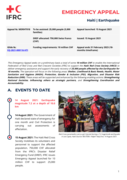
Early damage assessments indicate that at least 800,000 people could be directly exposed to minor to severe damages, including communication, access, security, loss of livelihoods, infrastructure, and health services could be impacted.
