
Filter
4615
Text search:
National
Centre
for
Disease
Control
Featured
511
1254
Language
4225
311
84
76
49
36
21
13
7
4
4
4
3
3
3
3
2
2
2
2
2
2
2
2
2
2
2
2
1
1
1
1
1
1
1
1
1
1
1
1
1
1
1
1
1
1
1
1
1
1
1
1
1
Document type
2304
828
752
301
222
72
69
38
12
7
7
2
1
Countries
324
206
138
130
124
105
102
95
84
82
76
72
72
66
64
63
60
55
54
48
45
43
42
38
38
36
36
35
30
29
29
29
28
28
25
25
25
22
22
21
20
20
20
18
17
14
14
14
14
13
13
12
12
11
10
10
8
8
8
8
8
7
7
7
7
7
7
7
7
6
6
6
5
5
4
4
4
4
4
4
4
3
3
3
3
3
3
3
3
3
3
3
3
3
2
2
2
2
2
2
2
2
2
2
2
2
2
2
2
2
1
1
1
1
1
1
1
1
1
1
1
1
1
1
1
1
1
1
1
1
1
1
1
1
1
1
1
1
1
1
1
1
1
1
1
1
Authors & Publishers
747
222
134
132
117
70
58
55
41
39
36
35
31
31
27
27
26
25
25
23
22
22
21
20
20
19
19
19
18
17
16
16
16
16
16
14
14
14
14
13
13
13
13
13
13
13
13
12
12
12
10
10
10
10
10
10
10
10
10
10
10
10
9
9
9
9
8
8
8
8
8
8
8
8
8
8
8
7
7
7
7
7
7
7
7
7
7
7
7
7
7
6
6
6
6
6
6
6
6
6
6
6
6
6
6
6
6
6
6
5
5
5
5
5
5
5
5
5
5
5
5
5
5
5
5
5
5
5
5
5
5
5
5
5
5
5
5
5
5
5
5
4
4
4
4
4
4
4
4
4
4
4
4
4
4
4
4
4
4
4
4
4
4
4
4
4
4
4
4
4
4
4
4
3
3
3
3
3
3
3
3
3
3
3
3
3
3
3
3
3
3
3
3
3
3
3
3
3
3
3
3
3
3
3
3
3
3
3
3
3
3
3
3
3
3
3
3
3
3
3
3
3
3
3
3
3
3
3
3
3
3
3
3
3
3
3
3
3
3
3
3
3
3
3
3
3
3
3
3
3
3
3
3
3
3
3
3
3
3
3
3
3
3
3
2
2
2
2
2
2
2
2
2
2
2
2
2
2
2
2
2
2
2
2
2
2
2
2
2
2
2
2
2
2
2
2
2
2
2
2
2
2
2
2
2
2
2
2
2
2
2
2
2
2
2
2
2
2
2
2
2
2
2
2
2
2
2
2
2
2
2
2
2
2
2
2
2
2
2
2
2
2
2
2
2
2
2
2
2
2
2
2
2
2
2
2
2
2
2
2
2
2
2
2
2
2
2
2
2
2
2
2
2
2
2
2
2
2
2
2
2
2
2
2
2
2
2
2
2
2
2
2
2
2
2
2
2
2
2
2
2
2
2
2
2
2
2
2
2
2
2
2
2
2
2
2
2
2
2
2
2
2
2
2
2
2
2
2
2
2
2
2
2
2
2
2
2
2
2
2
2
2
2
2
2
2
2
2
2
2
2
2
2
2
2
2
2
2
2
2
2
2
2
2
2
2
2
2
2
2
2
2
2
2
2
2
2
2
2
2
2
2
2
2
2
2
2
2
2
2
2
2
2
2
2
2
2
1
1
1
1
1
1
1
1
1
1
1
1
1
1
1
1
1
1
1
1
1
1
1
1
1
1
1
1
1
1
1
1
1
1
1
1
1
1
1
1
1
1
1
1
1
1
1
1
1
1
1
1
1
1
1
1
1
1
1
1
1
1
1
1
1
1
1
1
1
1
1
1
1
1
1
1
1
1
1
1
1
1
1
1
1
1
1
1
1
1
1
1
1
1
1
1
1
1
1
1
1
1
1
1
1
1
1
1
1
1
1
1
1
1
1
1
1
1
1
1
1
1
1
1
1
1
1
1
1
1
1
1
1
1
1
1
1
1
1
1
1
1
1
1
1
1
1
1
1
1
1
1
1
1
1
1
1
1
1
1
1
1
1
1
1
1
1
1
1
1
1
1
1
1
1
1
1
1
1
1
1
1
1
1
1
1
1
1
1
1
1
1
1
1
1
1
1
1
1
1
1
1
1
1
1
1
1
1
1
1
1
1
1
1
1
1
1
1
1
1
1
1
1
1
1
1
1
1
1
1
1
1
1
1
1
1
1
1
1
1
1
1
1
1
1
1
1
1
1
1
1
1
1
1
1
1
1
1
1
1
1
1
1
1
1
1
1
1
1
1
1
1
1
1
1
1
1
1
1
1
1
1
1
1
1
1
1
1
1
1
1
1
1
1
1
1
1
1
1
1
1
1
1
1
1
1
1
1
1
1
1
1
1
1
1
1
1
1
1
1
1
1
1
1
1
1
1
1
1
1
1
1
1
1
1
1
1
1
1
1
1
1
1
1
1
1
1
1
1
1
1
1
1
1
1
1
1
1
1
1
1
1
1
1
1
1
1
1
1
1
1
1
1
1
1
1
1
1
1
1
1
1
1
1
1
1
1
1
1
1
1
1
1
1
1
1
1
1
1
1
1
1
1
1
1
1
1
1
1
1
1
1
1
1
1
1
1
1
1
1
1
1
1
1
1
1
1
1
1
1
1
1
1
1
1
1
1
1
1
1
1
1
1
1
1
1
1
1
1
1
1
1
1
1
1
1
1
1
1
1
1
1
1
1
1
1
1
1
1
1
1
1
1
1
1
1
1
1
1
1
1
1
1
1
1
1
1
1
1
1
1
1
1
1
1
1
1
1
1
1
1
1
1
1
1
1
1
1
1
1
1
1
1
1
1
1
1
1
1
1
1
1
1
1
1
1
1
1
1
1
1
1
1
1
1
1
1
1
1
1
1
1
1
1
1
1
1
1
1
1
1
1
1
1
1
1
1
1
1
1
1
1
1
1
1
1
1
1
1
1
1
1
1
1
1
1
1
1
1
1
1
1
1
1
1
1
1
1
1
1
1
1
1
1
1
1
1
1
1
1
1
1
1
1
1
1
1
1
1
1
1
1
1
1
1
1
1
1
1
1
1
1
1
1
1
1
1
1
1
1
1
1
1
1
1
1
1
1
1
1
1
1
1
1
1
1
1
1
1
1
1
1
1
1
1
1
1
1
1
1
1
1
1
1
1
1
1
1
1
1
1
1
1
1
1
1
1
1
1
1
1
1
1
1
1
1
1
1
1
1
1
1
1
1
1
1
1
1
1
1
1
1
1
1
1
1
1
1
1
1
1
1
1
1
1
1
1
1
1
1
1
1
1
1
1
1
1
1
1
1
1
1
1
1
1
1
1
1
1
1
1
1
1
1
1
1
1
1
1
1
1
1
1
1
1
1
1
1
1
1
1
1
1
1
1
1
1
1
1
1
1
1
1
1
1
1
1
1
1
1
1
1
1
1
1
1
1
1
1
1
1
1
1
1
1
1
1
1
1
1
1
1
1
1
1
1
1
1
1
1
1
1
1
1
1
1
1
1
1
1
1
1
1
1
1
1
1
1
1
1
1
1
1
1
1
1
1
1
1
1
1
1
1
1
1
1
1
1
1
1
1
1
1
1
1
1
1
1
1
1
1
1
1
1
1
1
1
1
1
1
1
1
1
1
1
1
1
1
1
1
1
1
1
1
1
1
1
1
1
1
1
1
1
1
1
1
1
1
1
1
1
1
1
1
1
1
1
1
1
1
1
1
1
1
1
1
1
1
1
1
1
1
1
1
1
1
1
1
1
1
1
1
1
1
1
1
1
1
1
1
1
1
1
1
1
1
1
1
1
1
1
1
1
1
1
1
1
1
1
1
1
1
1
1
1
1
1
1
1
1
1
1
1
1
1
1
1
1
1
1
1
1
1
1
1
1
1
1
1
1
1
1
1
1
1
1
1
1
1
1
1
1
1
1
1
1
1
1
1
1
1
1
1
1
1
1
1
1
1
1
1
1
1
1
1
1
1
1
1
1
1
1
1
1
1
1
1
1
1
1
1
1
1
1
1
1
1
1
1
1
1
1
1
1
1
1
1
1
1
1
1
1
1
1
1
1
1
1
1
1
1
1
1
1
1
1
1
1
1
1
1
1
1
1
1
1
1
1
1
1
1
1
1
1
1
1
1
1
1
1
1
1
1
1
1
1
1
1
1
1
1
1
1
1
1
1
1
1
1
1
1
1
1
1
1
1
1
1
1
1
1
1
1
1
1
1
1
1
1
1
1
1
1
1
1
1
1
1
1
1
1
1
1
1
1
1
1
1
1
1
1
1
1
1
1
1
1
1
1
1
1
1
1
1
1
1
1
1
1
1
1
1
1
1
1
1
1
1
1
1
1
1
1
1
1
1
1
1
1
1
1
1
1
1
1
1
1
1
1
1
1
1
1
1
1
1
1
1
1
1
1
1
1
1
1
1
1
1
1
1
1
1
1
1
1
1
1
1
1
1
1
1
1
1
1
1
1
1
1
1
1
1
1
1
1
1
1
1
1
1
1
1
1
1
1
1
1
1
1
1
1
1
1
1
1
1
1
1
1
1
1
1
1
1
1
1
1
1
1
1
1
1
1
1
1
1
1
1
1
1
1
1
1
1
1
1
1
1
1
1
1
1
1
1
1
1
1
1
1
1
1
1
1
1
1
1
1
1
1
1
1
1
1
1
1
1
1
1
1
1
1
1
1
1
1
1
1
1
1
1
1
1
1
1
1
1
1
1
1
1
1
1
1
1
1
1
1
1
1
1
1
1
1
1
1
1
1
1
1
1
1
1
1
1
1
1
1
1
1
1
1
1
1
1
1
1
1
1
1
1
1
1
1
1
1
1
1
1
1
1
1
1
1
1
1
1
1
1
1
1
1
1
1
1
1
1
1
1
1
1
1
1
1
1
1
1
1
1
1
1
1
1
1
1
1
1
1
1
1
1
1
1
1
1
1
1
1
1
1
1
1
1
1
1
1
1
1
1
1
1
1
1
1
1
1
1
1
1
1
1
1
1
1
1
1
1
1
1
1
1
1
1
1
1
1
1
1
1
1
1
1
1
1
1
1
1
1
1
1
1
1
1
1
1
1
1
1
1
1
1
1
1
1
1
1
1
1
1
1
1
1
1
1
1
1
1
1
1
1
1
1
1
1
1
1
1
1
1
1
1
1
1
1
1
1
1
1
1
1
1
1
1
1
1
1
1
1
1
1
1
1
1
1
1
1
1
1
1
1
1
1
1
1
1
1
1
1
1
1
1
1
1
1
1
1
1
1
1
1
1
1
1
1
1
1
1
1
1
1
1
1
1
1
1
1
1
1
1
1
1
1
1
1
1
1
1
1
1
1
1
1
1
1
1
1
1
1
1
1
1
1
1
1
1
1
1
1
1
1
1
1
1
1
1
1
1
1
1
1
1
1
1
1
1
1
1
1
1
1
1
1
1
1
1
1
1
1
1
1
1
1
1
1
1
1
1
1
1
1
1
1
1
1
1
1
1
1
1
1
1
1
1
1
1
1
1
1
1
1
1
1
1
1
1
1
1
1
1
1
1
1
1
1
1
1
1
1
1
1
1
1
1
1
1
1
1
1
1
1
1
1
1
1
1
1
1
1
1
1
1
1
1
1
1
1
1
1
1
1
1
1
1
1
1
1
1
1
1
1
1
1
1
1
1
1
1
1
1
1
1
1
1
1
1
1
1
1
1
1
1
1
1
1
1
1
1
1
1
1
1
1
1
1
1
1
1
1
1
1
1
1
1
1
1
1
1
1
1
1
1
1
1
1
1
1
1
1
1
1
1
1
1
1
1
1
1
1
1
1
1
1
1
1
1
1
1
1
1
1
1
1
1
1
1
1
1
1
1
1
1
1
1
1
1
1
1
1
1
1
1
1
1
1
1
1
1
1
1
1
1
1
1
1
1
1
1
1
1
1
1
1
1
1
1
1
1
1
1
1
1
1
1
1
1
1
1
1
1
1
1
1
1
1
1
1
1
1
1
1
1
1
1
1
1
1
1
1
1
1
1
1
1
1
1
1
1
1
1
1
1
1
1
1
1
1
1
1
1
1
1
1
1
1
1
1
1
1
1
1
1
1
1
1
1
1
1
1
1
1
1
1
1
1
1
1
1
1
1
1
1
1
1
1
1
1
1
1
1
1
1
1
1
1
1
1
1
1
1
1
1
1
1
1
1
1
1
1
1
1
1
1
1
1
1
1
1
1
1
1
1
1
1
1
1
1
1
1
1
1
1
1
1
1
1
1
1
1
1
1
1
1
1
1
1
1
1
1
1
1
1
1
1
1
1
1
1
1
1
1
1
1
1
1
1
1
1
1
1
1
1
1
1
1
1
1
1
1
1
1
1
1
1
1
1
1
1
1
1
1
1
1
1
1
1
1
1
1
1
1
1
1
1
1
1
1
1
1
1
1
1
1
1
1
1
1
1
1
1
1
1
1
1
1
1
1
1
1
1
1
1
1
1
1
1
1
1
1
1
1
1
1
1
1
1
1
1
1
1
1
1
1
1
1
1
1
1
1
1
1
1
1
1
1
1
1
1
1
1
1
1
1
1
1
1
1
1
1
1
1
1
1
1
1
1
1
1
1
1
1
1
1
1
1
1
1
1
1
1
1
1
1
1
1
1
1
1
1
1
1
1
1
1
1
1
1
1
1
1
1
1
1
1
1
1
1
1
1
1
1
1
1
1
1
1
1
1
1
1
1
1
1
1
1
1
1
1
1
1
1
1
1
1
1
1
1
1
1
1
1
1
1
1
1
1
1
1
1
1
1
1
1
1
1
1
1
1
1
1
1
1
1
1
1
1
1
1
1
1
1
1
1
1
1
1
1
1
1
1
1
1
1
1
1
1
1
1
1
1
1
1
1
1
1
1
1
1
1
1
1
1
1
1
1
1
1
1
1
1
1
1
1
1
1
1
1
1
1
1
1
1
1
1
1
1
1
1
1
1
1
1
1
1
1
1
1
1
1
1
1
1
1
1
1
1
1
1
1
1
1
1
1
1
1
1
1
1
1
1
1
1
1
1
1
1
1
1
1
1
1
1
1
1
1
1
1
1
1
1
1
1
1
1
1
1
1
1
1
1
1
1
1
1
1
1
1
1
1
1
1
1
1
1
1
1
1
1
1
1
1
1
1
1
1
1
1
1
1
1
1
1
1
1
1
1
1
1
1
1
1
1
1
1
1
1
1
1
1
1
1
1
1
1
1
1
1
1
1
1
1
1
1
1
1
1
1
1
1
1
1
1
1
1
1
1
1
1
1
1
1
1
1
1
1
1
1
1
1
1
1
1
1
1
1
1
1
1
1
1
1
1
1
1
1
1
1
1
1
1
1
1
1
1
1
1
1
1
1
1
1
1
1
1
1
1
1
1
1
1
1
1
1
1
1
1
1
1
1
1
1
1
1
1
1
1
1
1
1
1
1
1
1
1
1
1
1
1
1
1
1
1
1
1
1
1
1
1
1
1
1
1
1
1
1
1
1
1
1
1
1
1
1
1
1
1
1
1
1
1
1
1
1
1
1
1
1
1
1
1
1
1
1
1
1
1
1
1
1
1
1
1
1
1
1
1
1
1
1
1
1
1
1
1
1
1
1
1
1
1
1
1
1
1
1
1
1
1
1
1
1
1
1
1
1
1
1
1
1
1
1
1
1
1
1
1
1
1
1
1
1
1
1
1
1
1
1
1
1
1
1
1
1
1
1
1
1
1
1
1
1
1
1
1
1
1
1
1
1
1
1
1
1
1
1
1
1
1
1
1
1
1
1
1
1
1
1
1
1
1
1
1
1
1
1
1
1
1
1
1
1
1
1
1
1
1
1
1
1
1
1
1
1
1
1
1
1
1
1
1
1
1
1
1
1
1
1
1
1
1
1
1
1
1
1
1
1
1
1
1
1
1
1
1
1
1
1
1
1
1
1
1
1
1
1
1
1
1
1
1
1
1
1
1
1
1
1
1
1
1
1
1
1
1
1
1
1
1
1
1
1
1
1
1
1
1
1
1
1
1
1
1
1
1
1
1
1
1
1
1
1
1
1
1
1
1
1
1
1
1
1
1
1
1
1
1
1
1
1
1
1
1
1
1
1
1
1
1
1
1
1
1
1
1
1
1
1
1
1
1
1
1
1
1
1
1
1
1
1
1
1
1
1
1
1
1
1
1
1
1
1
1
1
1
1
1
1
1
1
1
1
1
1
1
1
1
1
1
1
1
1
1
1
1
Publication Years
1476
2696
412
30
1
Category
1814
413
282
256
192
77
67
Toolboxes
415
336
297
228
180
173
168
133
125
122
105
99
92
88
88
79
70
66
51
47
43
41
35
24
10
1
This report is documenting the global incidence of attacks and threats against health workers, facilities, and transport around the world. The report cites 806 incidents of violence against or obstruction of health care in 43 countries and territories in ongoing wars and violent conflicts in 2020, r
...
anging from the bombing of hospitals in Yemen to the abduction of doctors in Nigeria. Attacks -- including killings, kidnappings, and sexual assaults, as well as destruction and damage of health facilities and transports -- compounded the threats to health in every country as health systems struggled to prepare for and respond to the outbreak of the COVID-19 pandemic.
more

Annals of Global Health, 87(1), p.43. DOI: http://doi.org/10.5334/aogh.3269;
The aim of this study was to examine the prevalence of mental health symptoms (anxiety, depression, and stress) in Bangladesh and the factors associated with these symptoms during the COVID-19 pandemic.
They found that
...
about 64%, 87%, and 61% of the respondents in Bangladesh reported high levels of depression, anxiety, and stress, respectively and this varied between divisions (regions), more in women, those who self-quarantined, and those that experienced classical symptoms of COVID-19. We think there is a need for mental health support in this population to minimise the long term effects.
more
Community-based strategies play a significant role in many health systems in low- and middle-income countries, especially in light of critical shortages in the health workforce. The term community health worker has been used to refer to volunteers and salaried, professional or lay health workers wit
...
h a wide range of training, experience, scope of practice and integration in health systems. In the context of this study, we use the term community-based practitioner (CBPs) to reflect the diverse nature of these cadres of health workers.
CBPs provide preventive, promotive, curative and palliative services across a range of areas, including reproductive, maternal, newborn and child health, HIV, tuberculosis, malaria, control of other endemic diseases, and noncommunicable diseases. Significant evidence has emerged over the past two decades on their effectiveness, which has triggered interest in the potential to use their services to expand access to care, in particular in rural and underserved areas where deployment and retention of more qualified health workers is problematic. Calls have been made to integrate CBP programmes in human resources and health strategies, and to scale up rapidly the extent and coverage of CBP initiatives.
more

The toolkit provides practical guidance and tools that can support efforts, including planning and implementation activities, to create dementia-inclusive societies.
The toolkit is divided into two parts. Part I contains background information and a conceptual framework
...
for creating dementia-inclusive societies. Part II includes four practical modules, each featuring a series of practical steps and exercises. The four modules focus on: starting a new dementia-friendly initiative (DFI), integrating dementia into an existing initiative, monitoring and evaluation a DFI, and scaling a DFI. The modules can be used together or separately and offer guidance that can be adapted to suit local needs and settings.
more
During the first year of the Covid-19 pandemic, the world’s economy slowed. Yet, the global annual average particulate pollution (PM2.5) was largely unchanged from 2019 levels. At the same time, growing evidence shows air pollution—even when experienced at very low levels—hurts human health. T
...
his recently led the World Health Organization (WHO) to revise its guideline for what it considers a safe level of exposure of particulate pollution, bringing most of the world—97.3 percent of the global population—into the unsafe zone. The AQLI finds that particulate air pollution takes 2.2 years off global average life expectancy, or a combined 17 billion life-years, relative to a world that met the WHO guideline. This impact on life expectancy is comparable to that of smoking, more than three times that of alcohol use and unsafe water, six times that of HIV/AIDS, and 89 times that of conflict and terrorism.
more

WHO today released its first roadmap to tackle postpartum haemorrhage (PPH) – defined as excessive bleeding after childbirth - which affects millions of women annually and is the world’s leading cause of maternal deaths.
Despite being preventable and treatable, PPH results in around 70 000 de
...
aths every year. For those who survive, it can cause disabilities and psychological trauma that last for years.
“Severe bleeding in childbirth is one of the most common causes of maternal mortality, yet it is highly preventable and treatable,” said Dr Tedros Adhanom Ghebreyesus, WHO Director-General. “This new roadmap charts a path forward to a world in which more women have a safe birth and a healthy future with their families.”
The Roadmap aims to help countries address stark differences in survival outcomes from PPH, which reflect major inequities in access to essential health services. Over 85% of deaths from PPH happen in sub-Saharan Africa and South Asia. Risk factors include anaemia, placental abnormalities, and other complications in pregnancy such as infections and pre-eclampsia.
Many risk factors can be managed if there is quality antenatal care, including access to ultrasound, alongside effective monitoring in the hours after birth. If bleeding starts, it also needs to be detected and treated extremely quickly. Too often, however, health facilities lack necessary healthcare workers or resources, including lifesaving commodities such as oxytocin, tranexamic acid or blood for transfusions.
“Addressing postpartum haemorrhage needs a multipronged approach focusing on both prevention and response - preventing risk factors and providing immediate access to treatments when needed - alongside broader efforts to strengthen women’s rights,” said Dr Pascale Allotey, WHO Director for Sexual and Reproductive Health and HRP, the UN’s special programme on research development and training in human reproduction. “Every woman, no matter where she lives, should have access to timely, high quality maternity care, with trained health workers, essential equipment and shelves stocked with appropriate and effective commodities – this is crucial for treating postpartum bleeding and reducing maternal deaths.”
more
Global and regional estimates of violence against women
he report presents the first global systematic review of scientific data on the prevalence of two forms of violence against women: violence by an intimate partner (intimate partner violence) and sexual violence by someone other than a partner
...
(non-partner sexual violence). It shows, for the first time, global and regional estimates of the prevalence of these two forms of violence, using data from around the world. Previous reporting on violence against women has not differentiated between partner and non-partner violence. You can download the report in different languages
more
This curricula guide builds on several existing products of WHO and partners, aimed at supporting countries in their effort to address the first objective of the GAP-AMR (to improve awareness and understanding of AMR). It is targeted specifically at health educators and policy planners, and applies
...
a systematic modular and submodular collection of learning objectives and outcomes that are organized according to the key occupational groups involved in the use of antimicrobials in human health. It is hoped that educators, faculties of heath personnel training institutions, health regulatory institutions and other users will find it a useful resource in meeting their respective needs for strengthening health workers’ contributions to containing AMR.
more
This document is one of eight PDF documents that comprise the Guidance on Child-focused Victim
Assistance. All are available in PDF at
Training Manual on Interpersonal Violence Prevention and Stress Management in Health Care Facilities
In many contexts, the safe delivery of health care services is challenged by the lack of respect for health care personnel who face insults, threats and violence. Consequences include the disruption of health services, high staff turnover in health
...
facilities, high levels of stress impacting the quality of the services and health care personnel being forced to flee. This manual intends to complement the existing training materials and is aimed at supporting staff in health care facilities to cope with stress and violent experiences, including how they can protect themselves by de-escalating potentially violent situations.
No publication year indicated more
No publication year indicated more
In recognition of the growing problem of antimicrobial resistance (AMR), its increasing threat to human, animal and plant health, and the need for a One Health approach to address this issue, the 39th Session of the Codex Alimentarius Commission (CA
...
C) agreed it was important for the food safety community to play its part and re-established the ad hoc Codex Intergovernmental Task Force on Antimicrobial Resistance (TFAMR) ). The objectives of the Task Force were
to revise the current Codex Code of Practice to Minimise and Contain Antimicrobial Resistance and to develop new guidance on surveillance programmes relevant to foodborne AMR.
more

These guidelines provide new and updated recommendations on the use of point-of-care testing in children under 18 months of age and point-of-care tests to monitor treatment in people living with HIV; the treatment monitoring algorithm; and timing of antiretroviral therapy (ART) among people living w
...
ith HIV who are being treated for tuberculosis.
New recommendations launched today outline key new actions that countries can take to improve the delivery of HIV testing, treatment and care services by providing greater options for differentiated approaches such as, supporting HIV treatment start in the community, ensuring that children are diagnosed and treated early, and that viral load treatment monitoring is more accessible, focused and triggers clinical action
more
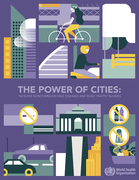
The report is geared towards mayors, local government officials and city policy planners.It highlights key areas where city leaders can tackle the drivers of NCDs, including tobacco use, air pollution, poor diets and lack of exercise, and improve road safety.
From anti-tobacco actions in Beijing a
...
nd Bogor, to road safety initiatives in Accra and Bangkok, a bike sharing scheme in Fortaleza, and actions to create walkable streets for seniors that have reduced elderly pedestrian deaths by 16% in New York City, the report aims to share knowledge between urban policy planners.
Of the 19 case studies cited, 15 are from developing countries, where 85% of premature adult deaths through NCDs take place, and over 90% of road traffic fatalities are recorded. You can download the case studieson the website https://www.who.int/ncds/publications/tackling-ncds-in-cities/en/.
Over 90% of future urban population growth will be in low or middle-income countries, and seven of the world’s 10 largest cities are in developing countries.
more

When situations occur in which unwanted events are rightly or wrongly connected with vaccination, they may erode confidence in vaccines and the authorities delivering them. This document presents the scientific evidence behind WHO’s recommendations on building and restoring confidence in vaccines
...
and vaccination, both in ongoing work and during crises. The evidence draws on a vast reserve of laboratory research and fieldwork within psychology and communication. It examines how people make decisions about vaccination; why some people are hesitant about vaccination; and the factors that drive a crisis, covering how building trust, listening to and understanding people, building relations, communicating risk and shaping messages to the audiences may mitigate crises. This document provides a knowledge base for stakeholders who develop communication strategies or facilitate workshops on communication and trust-building activities in relation to vaccines and immunization, such as immunization programme units, ministries of health, public relations and health promotion units, vaccine safety communication trainers and immunization advisory bodies.
more
Key questions
What is already known?
Critical illness is common throughout the world and COVID-19 has caused a global surge of critically ill patients.
There are large gaps in the quality of care for critically ill patients, especially in
...
low-staffed and low-resourced settings, and mortality rates are high.
Essential Emergency and Critical Care (EECC) is the effective lifesaving care of low-cost and low-complexity that all critically ill patients should receive in all wards in all hospitals in the world.
What are the new findings?
The clinical processes that comprise EECC and the essential care of critically ill patients with COVID-19 have been specified in a large consensus among clinical experts worldwide.
The resource requirements for hospitals to be ready to provide this care has been described.
What do the new findings imply?
The findings can be used across medical specialties in hospitals worldwide to prioritise and implement essential care for reducing preventable deaths.
Inclusion of the EEEC processes could increase the impact of pandemic preparedness and response programmes and policies for health systems strengthening.
more

This report presents the performance results of 21 household water treatment (HWT) products evaluated in Rounds III and IV of the WHO International Scheme to Evaluate Household Water Treatment Technologies (the Scheme). Released alongside a consolidated overview of findings from Rounds I–II, it re
...
presents the third and final report in a series of laboratory-based evaluations of microbial performance. With these latest evaluations, a total of 51 HWT products have been evaluated under the Scheme. The findings equip procurers with the evidence needed to make informed selection of HWT that supports safer drinking water for all.
more
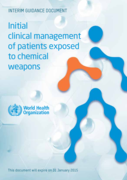
This interim guidance is aimed at healthcare workers who may receive patients
exposed to chemical weapons at their healthcare facilities.
It provides questions to guide the identification of contaminated patients,
recommendations on personal protection, procedures
...
for decontamination,
guidance for triage and identification of categories of exposure, and treatment
regimens for individual chemicals.
Arabic version available: http://www.who.int/environmental_health_emergencies/deliberate_events/interim_guidance_ar.pdf
more
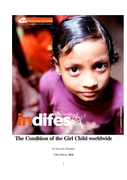
In the last five years, i.e. how old turned the Campaign “Indifesa” (Defenceless) in 2016, that was launched by Terre des Hommes in 2012, the world has become smaller. One can actually say that the derangements following the Arab Spring in 2011 reshuffled what is stable and what produces instabi
...
lity; between those, who live in a peaceful world, and those, who try to survive in areas affected by violence. All that significantly reduced the distance between those, who live there, along the Mediterranean cost, and those, who live here. Such deep disorder made even more acute, visible and tangible also for the so called developed world all the serious violations of the human rights suffered by little girls and girls: on the one hand the widespread political instability and violence made even more precarious the little girls and young women’s conditions on the Mediterranean southern coast, where they were already fragile; and on the other hand the migration flows further worsened them, matching at the same time the conditions of those young and very young migrants to those of the European girls of the same age.
more
Report of the 23rd WHO Expert Committee on the selection and use of essential medicines
This executive summary reports the recommendations made by the Expert Committee for the 2021 update of the WHO Model List of Essential Medicines (EML) and the M
...
odel List of Essential Medicine for Children (EMLc).
The 23rd meeting of the WHO Expert Committee on Selection and Use of Essential Medicines was coordinated from Geneva, Switzerland, and held virtually from 21 June to 2 July 2021. The Committee considered 88 applications proposing additions, changes and deletions of medicines, medicine classes and formulation on the Model Lists of Essential Medicines. The Committee evaluated the scientific evidence for comparative effectiveness, safety and cost-effectiveness of the medicines in question. The Committee also considered a review of the therapeutic alternatives for medicines on the Model Lists, and update to the AWaRe classification of antibiotics, and reviews and reports relevant to the selection and use of essential medicines.
more
Community health workers (CHWs) play a significant role in Primary health Care due to their proximity to households, communities and the health care system. Many studies focus on CHWs and the work they do. However, few have examined their experiences and identity and how that might influence how the
...
y view and perform their roles. The objectives of the study were to: Describe the role of CHWs in community-based health care in Northern Cape, Identify the perceived barriers and enablers to CHWs role performance, Explore CHWs views regarding the support from the communities and the formal healthcare system in Northern Cape. An exploratory qualitative design using focus groups was adopted. Forty-six (46) CHWs were purposively selected using the critical case sampling approach. Data were collected through three focus group interviews in three regions. Analysis followed the Graneheim & Lundman thematic analysis. Three themes emerged from data: perceived contribution to Primary Health Care, recognition of CHWs role, measures to improve working conditions. Findings showed that CHWs were engaged in various health and social care roles, they believed that they made a significant contribution to PHC, and that the health system persistently relied on their services. The enabler for finding meaning in their work was the positive community response and the good relations they had with the team leaders. The major barrier was the structure of the CHWs programme and the perceived lack of support by the government. The complex issues CHWs address in the community call for a review of their roles and workload as well as the support they receive from the formal healthcare system.
more
