
Filter
5144
Text search:
vulnerable
groups
Featured
443
1398
Language
5025
111
94
57
51
30
28
21
10
7
6
6
5
5
5
5
4
4
4
4
4
3
3
3
3
3
3
2
2
2
2
2
2
2
2
2
2
2
2
1
1
1
1
1
1
1
1
1
1
1
1
1
1
1
Document type
2671
1024
570
282
275
116
105
64
15
8
5
4
1
Countries
281
189
142
139
120
108
100
97
97
94
84
84
84
84
83
75
74
68
63
61
61
54
52
52
45
39
37
37
37
37
35
35
35
34
32
29
26
26
26
25
24
23
23
22
22
21
21
20
20
18
17
17
15
15
15
13
13
12
12
12
10
10
10
9
9
9
8
8
7
7
7
7
7
6
6
6
6
6
6
5
5
5
5
5
4
4
4
4
4
4
4
3
3
3
3
3
3
3
3
3
3
3
3
3
2
2
2
2
2
2
2
2
2
2
2
2
2
2
2
1
1
1
1
1
1
1
1
1
1
1
1
1
1
1
1
1
1
1
1
1
1
1
1
1
1
Authors & Publishers
591
144
141
139
128
100
71
68
56
56
40
36
31
29
28
27
27
27
26
26
25
24
23
23
23
23
23
22
22
20
19
19
19
18
18
18
18
17
17
16
15
15
15
15
14
14
14
13
13
13
13
13
13
12
12
12
12
12
11
11
11
11
11
11
11
11
11
10
10
10
10
10
9
9
9
9
9
9
9
9
9
9
9
9
9
8
8
8
8
8
8
8
8
8
8
8
7
7
7
7
7
7
7
7
7
7
7
7
7
7
7
7
7
6
6
6
6
6
6
6
6
6
6
6
6
6
6
6
6
6
6
6
6
6
6
6
6
6
6
6
6
6
6
5
5
5
5
5
5
5
5
5
5
5
5
5
5
5
5
5
5
5
5
5
5
5
5
5
5
5
5
5
5
4
4
4
4
4
4
4
4
4
4
4
4
4
4
4
4
4
4
4
4
4
4
4
4
4
4
4
4
4
4
4
4
4
4
4
4
4
4
4
4
4
4
4
4
4
4
4
4
3
3
3
3
3
3
3
3
3
3
3
3
3
3
3
3
3
3
3
3
3
3
3
3
3
3
3
3
3
3
3
3
3
3
3
3
3
3
3
3
3
3
3
3
3
3
3
3
3
3
3
3
3
3
3
3
3
3
3
3
3
3
3
3
3
3
3
3
3
3
3
3
3
3
3
3
3
3
3
3
3
3
3
3
3
3
3
3
3
3
3
3
3
2
2
2
2
2
2
2
2
2
2
2
2
2
2
2
2
2
2
2
2
2
2
2
2
2
2
2
2
2
2
2
2
2
2
2
2
2
2
2
2
2
2
2
2
2
2
2
2
2
2
2
2
2
2
2
2
2
2
2
2
2
2
2
2
2
2
2
2
2
2
2
2
2
2
2
2
2
2
2
2
2
2
2
2
2
2
2
2
2
2
2
2
2
2
2
2
2
2
2
2
2
2
2
2
2
2
2
2
2
2
2
2
2
2
2
2
2
2
2
2
2
2
2
2
2
2
2
2
2
2
2
2
2
2
2
2
2
2
2
2
2
2
2
2
2
2
2
2
2
2
2
2
2
2
2
2
2
2
2
2
2
2
2
2
2
2
2
2
2
2
2
2
2
2
2
2
2
2
2
2
2
2
2
2
2
2
2
2
2
2
2
2
2
2
2
2
2
2
2
2
2
2
2
2
2
2
2
2
2
2
2
2
2
2
2
2
2
2
2
2
2
2
2
2
2
2
2
2
2
2
2
2
2
2
2
2
2
2
2
2
2
2
2
2
2
2
2
2
2
2
2
2
2
2
2
2
2
2
2
2
2
2
2
2
2
2
2
2
2
2
2
2
2
2
2
2
2
2
2
2
2
2
1
1
1
1
1
1
1
1
1
1
1
1
1
1
1
1
1
1
1
1
1
1
1
1
1
1
1
1
1
1
1
1
1
1
1
1
1
1
1
1
1
1
1
1
1
1
1
1
1
1
1
1
1
1
1
1
1
1
1
1
1
1
1
1
1
1
1
1
1
1
1
1
1
1
1
1
1
1
1
1
1
1
1
1
1
1
1
1
1
1
1
1
1
1
1
1
1
1
1
1
1
1
1
1
1
1
1
1
1
1
1
1
1
1
1
1
1
1
1
1
1
1
1
1
1
1
1
1
1
1
1
1
1
1
1
1
1
1
1
1
1
1
1
1
1
1
1
1
1
1
1
1
1
1
1
1
1
1
1
1
1
1
1
1
1
1
1
1
1
1
1
1
1
1
1
1
1
1
1
1
1
1
1
1
1
1
1
1
1
1
1
1
1
1
1
1
1
1
1
1
1
1
1
1
1
1
1
1
1
1
1
1
1
1
1
1
1
1
1
1
1
1
1
1
1
1
1
1
1
1
1
1
1
1
1
1
1
1
1
1
1
1
1
1
1
1
1
1
1
1
1
1
1
1
1
1
1
1
1
1
1
1
1
1
1
1
1
1
1
1
1
1
1
1
1
1
1
1
1
1
1
1
1
1
1
1
1
1
1
1
1
1
1
1
1
1
1
1
1
1
1
1
1
1
1
1
1
1
1
1
1
1
1
1
1
1
1
1
1
1
1
1
1
1
1
1
1
1
1
1
1
1
1
1
1
1
1
1
1
1
1
1
1
1
1
1
1
1
1
1
1
1
1
1
1
1
1
1
1
1
1
1
1
1
1
1
1
1
1
1
1
1
1
1
1
1
1
1
1
1
1
1
1
1
1
1
1
1
1
1
1
1
1
1
1
1
1
1
1
1
1
1
1
1
1
1
1
1
1
1
1
1
1
1
1
1
1
1
1
1
1
1
1
1
1
1
1
1
1
1
1
1
1
1
1
1
1
1
1
1
1
1
1
1
1
1
1
1
1
1
1
1
1
1
1
1
1
1
1
1
1
1
1
1
1
1
1
1
1
1
1
1
1
1
1
1
1
1
1
1
1
1
1
1
1
1
1
1
1
1
1
1
1
1
1
1
1
1
1
1
1
1
1
1
1
1
1
1
1
1
1
1
1
1
1
1
1
1
1
1
1
1
1
1
1
1
1
1
1
1
1
1
1
1
1
1
1
1
1
1
1
1
1
1
1
1
1
1
1
1
1
1
1
1
1
1
1
1
1
1
1
1
1
1
1
1
1
1
1
1
1
1
1
1
1
1
1
1
1
1
1
1
1
1
1
1
1
1
1
1
1
1
1
1
1
1
1
1
1
1
1
1
1
1
1
1
1
1
1
1
1
1
1
1
1
1
1
1
1
1
1
1
1
1
1
1
1
1
1
1
1
1
1
1
1
1
1
1
1
1
1
1
1
1
1
1
1
1
1
1
1
1
1
1
1
1
1
1
1
1
1
1
1
1
1
1
1
1
1
1
1
1
1
1
1
1
1
1
1
1
1
1
1
1
1
1
1
1
1
1
1
1
1
1
1
1
1
1
1
1
1
1
1
1
1
1
1
1
1
1
1
1
1
1
1
1
1
1
1
1
1
1
1
1
1
1
1
1
1
1
1
1
1
1
1
1
1
1
1
1
1
1
1
1
1
1
1
1
1
1
1
1
1
1
1
1
1
1
1
1
1
1
1
1
1
1
1
1
1
1
1
1
1
1
1
1
1
1
1
1
1
1
1
1
1
1
1
1
1
1
1
1
1
1
1
1
1
1
1
1
1
1
1
1
1
1
1
1
1
1
1
1
1
1
1
1
1
1
1
1
1
1
1
1
1
1
1
1
1
1
1
1
1
1
1
1
1
1
1
1
1
1
1
1
1
1
1
1
1
1
1
1
1
1
1
1
1
1
1
1
1
1
1
1
1
1
1
1
1
1
1
1
1
1
1
1
1
1
1
1
1
1
1
1
1
1
1
1
1
1
1
1
1
1
1
1
1
1
1
1
1
1
1
1
1
1
1
1
1
1
1
1
1
1
1
1
1
1
1
1
1
1
1
1
1
1
1
1
1
1
1
1
1
1
1
1
1
1
1
1
1
1
1
1
1
1
1
1
1
1
1
1
1
1
1
1
1
1
1
1
1
1
1
1
1
1
1
1
1
1
1
1
1
1
1
1
1
1
1
1
1
1
1
1
1
1
1
1
1
1
1
1
1
1
1
1
1
1
1
1
1
1
1
1
1
1
1
1
1
1
1
1
1
1
1
1
1
1
1
1
1
1
1
1
1
1
1
1
1
1
1
1
1
1
1
1
1
1
1
1
1
1
1
1
1
1
1
1
1
1
1
1
1
1
1
1
1
1
1
1
1
1
1
1
1
1
1
1
1
1
1
1
1
1
1
1
1
1
1
1
1
1
1
1
1
1
1
1
1
1
1
1
1
1
1
1
1
1
1
1
1
1
1
1
1
1
1
1
1
1
1
1
1
1
1
1
1
1
1
1
1
1
1
1
1
1
1
1
1
1
1
1
1
1
1
1
1
1
1
1
1
1
1
1
1
1
1
1
1
1
1
1
1
1
1
1
1
1
1
1
1
1
1
1
1
1
1
1
1
1
1
1
1
1
1
1
1
1
1
1
1
1
1
1
1
1
1
1
1
1
1
1
1
1
1
1
1
1
1
1
1
1
1
1
1
1
1
1
1
1
1
1
1
1
1
1
1
1
1
1
1
1
1
1
1
1
1
1
1
1
1
1
1
1
1
1
1
1
1
1
1
1
1
1
1
1
1
1
1
1
1
1
1
1
1
1
1
1
1
1
1
1
1
1
1
1
1
1
1
1
1
1
1
1
1
1
1
1
1
1
1
1
1
1
1
1
1
1
1
1
1
1
1
1
1
1
1
1
1
1
1
1
1
1
1
1
1
1
1
1
1
1
1
1
1
1
1
1
1
1
1
1
1
1
1
1
1
1
1
1
1
1
1
1
1
1
1
1
1
1
1
1
1
1
1
1
1
1
1
1
1
1
1
1
1
1
1
1
1
1
1
1
1
1
1
1
1
1
1
1
1
1
1
1
1
1
1
1
1
1
1
1
1
1
1
1
1
1
1
1
1
1
1
1
1
1
1
1
1
1
1
1
1
1
1
1
1
1
1
1
1
1
1
1
1
1
1
1
1
1
1
1
1
1
1
1
1
1
1
1
1
1
1
1
1
1
1
1
1
1
1
1
1
1
1
1
1
1
1
1
1
1
1
1
1
1
1
1
1
1
1
1
1
1
1
1
1
1
1
1
1
1
1
1
1
1
1
1
1
1
1
1
1
1
1
1
1
1
1
1
1
1
1
1
1
1
1
1
1
1
1
1
1
1
1
1
1
1
1
1
1
1
1
1
1
1
1
1
1
1
1
1
1
1
1
1
1
1
1
1
1
1
1
1
1
1
1
1
1
1
1
1
1
1
1
1
1
1
1
1
1
1
1
1
1
1
1
1
1
1
1
1
1
1
1
1
1
1
1
1
1
1
1
1
1
1
1
1
1
1
1
1
1
1
1
1
1
1
1
1
1
1
1
1
1
1
1
1
1
1
1
1
1
1
1
1
1
1
1
1
1
1
1
1
1
1
1
1
1
1
1
1
1
1
1
1
1
1
1
1
1
1
1
1
1
1
1
1
1
1
1
1
1
1
1
1
1
1
1
1
1
1
1
1
1
1
1
1
1
1
1
1
1
1
1
1
1
1
1
1
1
1
1
1
1
1
1
1
1
1
1
1
1
1
1
1
1
1
1
1
1
1
1
1
1
1
1
1
1
1
1
1
1
1
1
1
1
1
1
1
1
1
1
1
1
1
1
1
1
1
1
1
1
1
1
1
1
1
1
1
1
1
1
1
1
1
1
1
1
1
1
1
1
1
1
1
1
1
1
1
1
1
1
1
1
1
1
1
1
1
1
1
1
1
1
1
1
1
1
1
1
1
1
1
1
1
1
1
1
1
1
1
1
1
1
1
1
1
1
1
1
1
1
1
1
1
1
1
1
1
1
1
1
1
1
1
1
1
1
1
1
1
1
1
1
1
1
1
1
1
1
1
1
1
1
1
1
1
1
1
1
1
1
1
1
1
1
1
1
1
1
1
1
1
1
1
1
1
1
1
1
1
1
1
1
1
1
1
1
1
1
1
1
1
1
1
1
1
1
1
1
1
1
1
1
1
1
1
1
1
1
1
1
1
1
1
1
1
1
1
1
1
1
1
1
1
1
1
1
1
1
1
1
1
1
1
1
1
1
1
1
1
1
1
1
1
1
1
1
1
1
1
1
1
1
1
1
1
1
1
1
1
1
1
1
1
1
1
1
1
1
1
1
1
1
1
1
1
1
1
1
1
1
1
1
1
1
1
1
1
1
1
1
1
1
1
1
1
1
1
1
1
1
1
1
1
1
1
1
1
1
1
1
1
1
1
1
1
1
1
1
1
1
1
1
1
1
1
1
1
1
1
1
1
1
1
1
1
1
1
1
1
1
1
1
1
1
1
1
1
1
1
1
1
1
1
1
1
1
1
1
1
1
1
1
1
1
1
1
1
1
1
1
1
1
1
1
1
1
1
1
1
1
1
1
1
1
1
1
1
1
1
1
1
1
1
1
1
1
1
1
1
1
1
1
1
1
1
1
1
1
1
1
1
1
1
1
1
1
1
1
1
1
1
1
1
1
1
1
1
1
1
1
1
1
1
1
1
1
1
1
1
1
1
1
1
1
1
1
1
1
1
1
1
1
1
1
1
1
1
1
1
1
1
1
1
1
1
1
1
1
1
1
1
1
1
1
1
1
1
1
1
1
1
1
1
1
1
1
1
1
1
1
1
1
1
1
1
1
1
1
1
1
1
1
1
1
1
1
1
1
1
1
1
1
1
1
1
1
1
1
1
1
1
1
1
1
1
1
1
1
1
1
1
1
1
1
1
1
1
1
1
1
1
1
1
1
1
1
1
1
1
1
1
1
1
1
1
1
1
1
1
1
1
1
1
1
1
1
1
1
1
1
1
1
1
1
1
1
1
1
1
1
1
1
1
1
1
1
1
1
1
1
1
1
1
1
1
1
1
1
1
1
1
1
1
1
1
1
1
1
1
1
1
1
1
1
1
1
1
1
1
1
1
1
1
1
1
1
1
1
1
1
1
1
1
1
1
1
1
1
1
1
1
1
1
1
1
1
1
1
1
1
1
1
1
1
1
1
1
1
1
1
1
1
1
1
1
1
1
1
1
1
1
1
1
1
1
1
1
1
1
1
1
1
1
1
1
1
1
1
1
1
1
1
1
1
1
1
1
1
1
1
1
1
1
1
1
1
1
1
1
1
1
1
1
1
1
1
1
1
1
1
1
1
1
1
1
1
1
1
1
1
1
1
1
1
1
1
1
1
1
1
1
1
1
1
1
1
1
1
1
1
1
1
1
1
1
1
1
1
1
1
1
1
1
1
1
1
1
1
1
1
1
1
1
1
1
1
1
1
1
1
1
1
1
1
1
1
1
1
1
1
1
1
1
1
1
1
1
1
1
1
1
1
1
1
1
1
1
1
1
1
1
1
1
1
1
1
1
1
1
1
1
1
1
1
1
1
1
1
1
1
1
1
1
1
1
1
1
1
1
1
1
1
1
1
1
1
1
1
1
1
1
1
1
1
1
1
1
1
1
1
1
1
1
1
1
1
1
1
1
1
1
1
1
1
1
1
1
1
1
1
1
1
1
1
1
1
1
1
1
1
1
1
1
1
1
1
1
1
1
1
1
1
1
1
1
1
1
1
1
1
1
1
1
1
1
1
1
1
1
1
1
1
1
1
1
1
1
1
1
1
1
1
1
1
1
1
1
1
1
1
1
1
1
1
1
1
1
1
1
1
1
1
1
1
1
1
1
1
1
1
1
1
1
1
1
1
1
1
1
1
1
1
1
1
1
1
1
1
1
1
1
1
1
1
1
1
1
1
1
1
1
1
1
1
1
1
1
1
1
1
1
1
1
1
1
1
1
1
1
1
1
1
1
1
1
1
1
1
1
1
1
1
1
1
1
1
1
1
1
1
1
1
1
1
1
1
1
1
1
1
1
1
1
1
1
1
1
1
1
1
1
1
1
1
1
1
1
1
1
1
1
1
1
1
1
1
1
1
1
1
1
1
1
1
1
1
1
1
1
1
1
1
1
1
1
1
1
1
1
1
1
1
1
1
1
1
1
1
1
1
1
1
1
1
1
1
1
1
1
1
1
1
1
1
1
1
1
1
1
1
1
1
1
1
1
1
1
1
1
1
1
1
1
1
1
1
1
1
1
1
1
1
1
1
1
1
1
1
1
1
1
1
1
1
1
1
1
1
1
1
1
1
1
1
1
1
1
1
1
1
1
1
1
1
1
1
1
1
1
1
1
1
1
1
1
1
1
1
1
1
1
1
1
1
1
1
1
1
1
1
1
1
1
1
1
1
1
1
1
1
1
1
1
1
1
1
1
1
1
1
1
1
1
1
1
1
1
1
1
1
1
1
1
1
1
1
1
1
1
1
1
1
1
1
1
1
1
1
1
1
1
1
1
1
1
1
1
1
1
1
1
1
1
1
1
1
1
1
1
1
1
1
1
1
1
1
1
1
1
1
1
1
1
1
1
1
1
1
1
1
1
1
1
1
1
1
1
1
1
1
1
1
1
1
1
1
1
1
1
1
1
1
1
1
1
1
1
1
1
1
1
1
1
1
1
1
1
1
1
1
1
1
1
1
1
1
1
1
1
1
1
1
1
1
1
1
1
1
1
1
1
1
1
1
1
1
1
1
1
1
1
1
1
1
1
1
1
1
1
1
1
1
1
1
1
1
1
1
1
1
1
1
1
1
1
1
1
1
1
1
1
1
1
1
1
1
1
1
1
1
1
1
1
1
1
1
1
1
1
1
1
1
1
1
1
1
1
1
1
1
1
1
1
1
1
1
1
1
1
1
1
1
1
1
1
1
1
1
1
1
1
1
1
1
1
1
1
1
1
1
1
1
1
1
1
1
1
1
1
1
1
1
1
1
1
1
1
1
1
1
1
1
1
1
1
1
1
1
1
1
1
1
1
1
1
1
1
1
1
1
1
1
1
1
1
1
1
1
1
1
1
1
1
1
1
1
1
1
1
1
1
1
1
1
1
1
1
1
1
1
1
1
1
1
1
1
1
1
1
1
1
1
1
1
1
1
1
1
1
1
1
1
1
1
1
1
1
1
1
1
1
1
1
1
1
1
1
1
1
1
1
1
1
1
1
1
1
1
1
1
1
1
1
1
1
1
1
1
1
1
1
1
1
1
1
1
1
1
1
1
1
1
1
1
1
1
1
1
1
1
1
1
1
1
1
1
1
1
1
1
1
1
1
1
1
1
1
1
1
1
1
1
1
1
1
1
1
1
1
1
1
1
1
1
1
1
1
1
1
1
1
1
1
1
1
1
1
1
1
1
1
1
1
1
1
1
1
1
1
1
1
1
1
1
1
1
1
1
1
1
1
1
1
1
1
1
1
1
1
1
1
1
1
1
1
1
1
1
1
1
1
1
1
1
Publication Years
1
1770
2971
389
13
Category
2014
433
268
265
219
101
15
2
Toolboxes
574
436
269
258
256
231
170
169
119
112
109
98
92
81
74
71
70
66
56
39
33
25
21
21
20
6
2

he United Nations Development Programme’s (UNDP) Gender Equality Strategy 2022-2025 has
been created during turbulent times. Multiple crises and risks are threatening the world and
we are witnessing an alarming backlash against women’s rights and gender equality. Since the
COVID-19 pandemic h
...
it, women have been nearly twice as likely to lose their jobs compared to
men. Yet less than 20 percent of policy measures implemented by countries across the world have
addressed women’s economic insecurity. Gender inequality also takes a toll on men and other
affected groups. For men, rigid gender norms can fuel risky behaviours resulting in violence, poor
health, and lower life expectancy.
more

Artificial intelligence for tuberculosis control: a scoping review of applications in public health
Menon, S.; and K. Ghislein Kuro
(2025)
J Glob Health. 2025;15:04192. This scoping review highlights the potential of AI-driven predictions in national TB programmes to enhance diagnostics, track trends, and strengthen public health surveillance. While promising for reducing transmission and support-
ing TB care in low-resource settings,
...
these models require large-scale validation to ensure real-world applicability, especially for high-risk groups
more

The United Nations Children's Fund (UNICEF), the International Organization for Migration (IOM), Georgetown University, and the United Nations University have today launched new guidelines to provide the first-ever global policy framework that will help protect, include, and empower children on the
...
move in the context of climate change.
The Guiding Principles for Children on the Move in the Context of Climate Change provides a set of 9 principles that address the unique and layered vulnerabilities of children on the move both internally and across borders as a result of the adverse impacts of climate change. Currently, most child-related migration policies do not consider climate and environmental factors, while most climate change policies overlook the unique needs of children.
The guidelines note that climate change is intersecting with existing environmental, social, political, economic, and demographic conditions contributing to people’s decisions to move. In 2020 alone, nearly 10 million children were displaced in the aftermath of weather-related shocks. With around one billion children – nearly half of the world’s 2.2 billion children – living in 33 countries at high risk of the impacts of climate change, millions more children could be on the move in the coming years.
Developed in collaboration with young climate and migration activists, academics, experts, policymakers, practitioners, and UN agencies, the guiding principles are based on the globally ratified Convention on the Rights of the Child and are further informed by existing operational guidelines and frameworks.
Recommendations for safeguarding the rights and well-being of children regardless of their location or migration status.
The guiding principles provide national and local governments, international organizations and civil society groups with a foundation to build policies that protect children’s rights. The organizations and institutions are calling on governments, local and regional actors, international organizations, and civil society groups to embrace the guiding principles to help protect, include, and empower children on the move in the context of climate change.
more

The 2030 health-related Sustainable Development Goals call on countries to end AIDS as a public health threat and also to achieve universal health coverage. The World Health Organization (WHO) promotes primary health care (PHC) as the key mechanism for achieving universal health coverage, and the PH
...
C approach is also essential for ending AIDS and reaching other Sustainable Development Goal targets.
The PHC approach is defined as a whole-of-society approach to health that aims to maximize the level and distribution of health and well-being through three components: (1) primary care and essential public health functions as the core of integrated health services; (2) multisectoral policy and action; and (3) empowered people and communities.
This publication helps decision-makers to consider and optimize the synergies between existing and future assets and investments intended for both PHC and disease-specific responses, including HIV. Specifically, it aims to:
• provide guidance to policy-makers, health system managers and programmatic leads from both PHC and HIV backgrounds regarding opportunities to jointly advance their respective efforts to strengthen PHC and end AIDS as a public health threat; and
• provide a resource for all stakeholders who seek to contribute to strengthening PHC and ending AIDS as a public health threat in a synergistic manner, including people living with HIV, members of key and vulnerable populations, community and civil society representatives, people working in all areas of health systems, researchers, funders and private-sector decision-makers.
more

State of Health in the WHO African Region
recommended
This report is not a country scorecard. Rather, its purpose is to act as a compass to guide progress towards health in the SDGs.
There has been a significant improvement in the state of health in the region with healthy life expectancy - time spent in full health - in the region increasing from 50
...
.9 years to 53.8 between 2012 and 2015 - the most marked increase of any region in the world.
What is making Africans sick is changing. The top killers are still lower respiratory infections, HIV and diarrhoeal disease and countries have routinely focused on preventing and treating this trio, often through specialized programmes. The payoff has been significant declines in deaths due to these diseases. There has been a 50% reduction in the burden of disease caused by what have been the top 10 killers since 2000 and death rates have dropped from 87.7 to 51.1 deaths per 100,000 persons between 2000 and 2015...
Chronic diseases like heart disease and cancer are now claiming more lives with a person aged 30 to 70 in the region having a one in five chance of dying from a noncommunicable disease (NCDs).
Countries are specifically failing to provide essential services to two critical age groups – adolescents and the elderly...
more

Pakistan Global Antibiotic Resistance Partnership (GARP) was formed in the wake of international and national efforts for AMR curtailment. A group of experts from microbiology, infectious diseases and veterinary medicine formed a core group at the organizational meet
...
ing of GARP in Kathmandu, Nepal in July 2016. In the meeting, this core group was expanded to include other members from different sectors with the selection of the Chair and co-chairs. These were asked to serve on a voluntary basis, in their own individual capacities, with no personal gains, or gains to the institutions to which they are affiliated. The first phase of GARP took place from 2009 to 2011 and involved four countries: India, Kenya, South Africa and Vietnam. Phase one culminated in the 1st Global Forum on Bacterial Infections, held in October 2011 in New Delhi, India. In 2012, phase two of GARP was initiated with the addition of working groups in Mozambique, Tanzania, Nepal and Uganda. Phase three has added Bangladesh, Lao PDR, Nigeria, Pakistan and Zimbabwe to the network to date.
more

The objective of this concept note and the framework it outlines is the elimination of a group of CDs and the negative health effects they generate, which together create a tangible burden on affected individuals, their families and communities, and on health care systems throughout the Region. Thou
...
gh there is no unified consensus on the best measures to use for the public’s health and a nation’s epidemiologic situation, it is common for the disease burden to be measured by disease rates (incidence, prevalence, etc.), disease-specific death rates, comparative morbidity and mortality rates, geographic distribution, and disability-adjusted life years (DALYs). The current epidemiological situation, including data on disease rates or geographic distribution for the diseases in Table 1, is discussed below in Section 4. Hotez et al. (2008) were the first to review and compare the burden of DALYs in Latin America and the Caribbean—for NTDs, HIV/AIDS, malaria, and TB—as it existed about 10 years ago. Though the regional burden of TB, malaria, and neglected infectious diseases (NIDs) is somewhat less than it was 10 years ago, work (and schooling) continue to be lost to illness and premature death or disability, and the need for stepping up disease elimination efforts is evident in all communities living in vulnerable conditions....
more

Multiple pandemics, numerous outbreaks, thousands of lives lost and billions of dollars of national income wiped out—all since the turn of this century, in barely 17 years—and yet the world’s investments in pandemic preparedness and response remain woefully inadequate. We know by now that the
...
world will see another pandemic in the not-too-distant future; that random mutations occur often enough in microbes that help them survive and adapt; that new pathogens will inevitably find a way to break through our defenses; and that there is the increased potential for intentional or accidental release of a synthesized agent. Every expert commentary and every analysis in recent years tells us that the costs of inaction are immense. And yet, as
the havoc caused by the last outbreak turns into a fading memory, we become complacent and relegate the case for investing in preparedness on a back burner, only to bring it to the forefront when the next outbreak occurs. The result is that the world remains scarily vulnerable.
more

The World Health Organization (WHO) is releasing the second edition of its Global Accelerated Action for the Health of Adolescents (AA-HA!) guidance. The document aims to equip governments to respond to the health and well-being challenges, opportunities and needs of adolescents.
The guidance pro
...
vides the latest available data on adolescent health and well-being. It also outlines an updated list of core indicators that data should be collected on. Globally, road injury was the top cause of death for adolescent males in 2019. Among female adolescents, the leading causes of death were diarrhoeal diseases among the younger group (10-14 years) and tuberculosis (TB) in the older group (15-19 years).
Over the last 20 years, mortality rates have declined among adolescents globally, with the largest decline in older (15–19 years) adolescent girls. For non-fatal diseases, the burden has not improved over the past two decades, with the main causes of ill health in this category being: mental health conditions (depressive and anxiety disorders, childhood behavioural disorders), iron deficiency anaemia, skin diseases and migraine.
Adolescent well-being depends on a range of factors, including healthy food, education, life skills and employability, connectedness, feeling valued by society, safe and supportive environments, resilience, and the freedom to make choices. To take an appropriately holistic approach, the guidance outlines how to take crosscutting action to support adolescent health and well-being, with mutually reinforcing interventions across sectors, such as health, education, social protection, and telecommunications. Targeted efforts are also required to engage adolescents, as they trust health systems less than adults do and are especially vulnerable to modern-day trends, like online bullying and gaming.
more
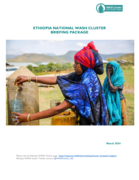
The document is part of the briefing package for Ethiopia's Water, Sanitation, and Hygiene (WASH) Cluster, which consists of resources that provide greater clarity and guidance to the cluster partners and other humanitarian actors.
The document is divided into four sections. Each section represen
...
ts the cluster’s coordination system (i) WASH Cluster coordination management, (ii) HPC process, (iii) Response monitoring, (iv) WASH response, and (v) Cluster meeting coordination.
Cluster Overview
The WASH Cluster in Ethiopia is part of and supports the Ministry of Water and Energy (MoWE). MoWE leads the WASH cluster emergency task force (ETF), which is co-led by the WASH Cluster secretariat hosted by UNICEF. In Ethiopia, the WASH Cluster was established with the activation of the cluster approach in 2006, and UNICEF, as the global Cluster Lead Agency, was assigned to appoint the WASH Cluster Coordinator.
The WASH Cluster aims to provide guidance and support to its partners to ensure well-coordinated, quality assistance reaches those in need in accordance with humanitarian standards and principles. Conflict, severe drought conditions, seasonal flooding, and Cholera remain the key drivers of WASH needs in Ethiopia.
In 2024, the WASH Cluster aims to work with 79 partners to preserve life, well-being, and dignity and reduce the risk of WASH-related disease through timely interventions to vulnerable populations and preparedness to respond to shocks. Significant humanitarian WASH needs in 2024 are projected with a rigorous HPC process in Ethiopia.
The Humanitarian Program Cycle
The humanitarian program cycle (HPC) is a coordinated series of actions to help prepare for, manage, and deliver humanitarian response. It consists of five coordinated elements, each step logically building on the previous and leading to the next. Successful implementation of the HPC depends on effective emergency preparedness, effective coordination with national/local authorities and humanitarian actors, and information management. Affected people are central to the response; preparedness, coordination, and information management processes continually occur.
more
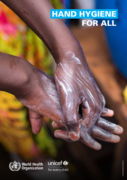
Three billion people – 40 per cent of the world’s population – do not have a place in their homes to wash their hands with water and soap. Three quarters of those who lack access to water and soap live in the world’s poorest countries and are amongst the most
...
vulnerable: children and families living in informal settlements, migrant and refugee camps, or in areas of active conflict. This puts an estimated 1 billion people at immediate risk of COVID-19 simply because they lack basic handwashing facilities.
The Hand Hygiene for All initiative aims to move the world towards this goal: supporting the most vulnerable communities with the means to protect their health and environment. It brings together international partners, national governments, public and private sectors, and civil society to ensure affordable products and services are available, especially in disadvantaged areas, and to enable a culture of hygiene.
more

Scabies is a global health concern disproportionately affecting vulnerable populations such as refugees and asylum seekers. Greece is a main point of entry in Europe for refugees, but epidemiological data on scabies in this population are scarce. We
...
aimed to describe the epidemiology of scabies, including trends over the study period.
more
Health care and social service systems are facing exceptional demands at this time. Evidence is emerging that the COVID-19 pandemic is disproportionately impacting low-income neighborhoods, communities of color, immigrant and other economically and medically
...
vulnerable patients. These are the patients and communities Community Health Workers (CHWs) are best prepared
to serve. This workforce is defined by their connection to these populations and by their ability to communicate in linguistically and culturally appropriate ways.
more
Interim guidance, 26 October 2021
This interim guidance has been developed on the basis of the advice issued by the Strategic Advisory Group of Experts (SAGE) on Immunization at its meeting on 5 October 2021.
SAGE said moderately and severely immunocompromised persons should be offered an addition
...
al dose of all WHO approved vaccines “since these individuals are less likely to respond adequately to vaccination following a standard primary vaccine series and are at high risk of severe COVID-19 disease.”
People aged 60 and older who received the Sinovac and Sinopharm vaccines should get a third dose too, the experts added, though use of other vaccines may also be considered depending on supply and access.
“When implementing this recommendation, countries should initially aim at maximizing 2-dose coverage in that population, and thereafter administer the third dose, starting in the oldest age groups”, they said.
SAGE has also reviewed a vaccine developed by Indian company Bharat Biotech and will issue a policy recommendation after WHO greenlights it for emergency use.
more
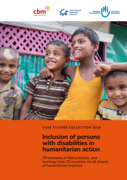
39 examples of field practices, and learnings from 20 countries, for all phases of humanitarian response. The report shows that deliberate and proactive action is required to ensure that persons with disabilities from all constituencies are systematically included and meaningfully participate in DRR
...
and humanitarian preparedness, response and recovery. It draws lessons from field practices, but does not provide technical guidance. The newly published IASC Guidelines are the reference document to seek in-depth theoretical and technical information.
more
Polic brief. In this policy brief, we give an update on those parts of the guidelines which are relevant for people in prisons and other closed setting
Policy brief. In this policy brief, we give an update on those parts of the guidelines which are relevant for trans and gender diverse people.
Polic brief. In this policy brief, we give an update on those parts of the guidelines which are relevant for men who have sex with men.
Policy brief. In this policy brief, we give an update on those parts of the guidelines which are relevant for sex workers

These guidelines were developed through an interagency process with participation by United Nations (UN) organiza-
tions, nongovernmental organizations, the International Red Cross and Red Crescent Movement and the International
Organization for Migration.
