
Filter
3216
Text search:
sanitation
facilities
Featured
323
1084
Language
3125
59
45
31
29
19
16
6
6
5
4
3
3
2
2
2
2
2
2
1
1
1
1
1
1
1
1
1
1
1
1
1
1
1
1
1
1
1
Document type
1727
535
400
192
179
59
56
45
9
8
4
2
Countries
184
148
147
123
101
91
89
81
81
71
68
58
55
54
51
50
50
49
44
43
33
32
31
30
30
30
29
27
26
26
25
21
21
21
20
20
20
17
17
16
14
14
14
13
13
11
11
11
10
10
9
9
9
9
9
9
8
8
7
7
7
6
6
6
6
6
6
5
5
5
5
4
4
4
4
3
3
3
3
3
3
3
3
3
2
2
2
2
2
2
2
2
2
2
2
2
2
2
2
2
2
1
1
1
1
1
1
1
1
1
1
1
1
1
1
1
1
1
1
1
1
1
1
1
1
1
1
1
1
Authors & Publishers
394
121
95
78
74
68
65
51
39
32
24
24
23
23
22
22
22
21
19
18
18
16
16
16
15
15
15
14
14
14
12
12
12
11
11
10
10
10
10
10
9
9
9
9
9
9
8
8
8
8
8
8
8
8
8
8
7
7
7
7
7
7
7
7
7
7
7
7
7
7
6
6
6
6
6
6
6
6
6
6
6
6
6
5
5
5
5
5
5
5
5
5
5
5
5
5
5
5
5
5
5
5
5
5
4
4
4
4
4
4
4
4
4
4
4
4
4
4
4
4
4
4
4
4
4
4
4
4
4
4
4
4
4
4
4
4
4
4
3
3
3
3
3
3
3
3
3
3
3
3
3
3
3
3
3
3
3
3
3
3
3
3
3
3
3
3
3
3
3
3
3
3
3
3
3
3
3
3
3
3
3
3
3
3
3
3
3
3
3
3
3
3
3
3
3
3
3
3
3
3
3
3
3
3
3
3
3
3
3
3
3
3
2
2
2
2
2
2
2
2
2
2
2
2
2
2
2
2
2
2
2
2
2
2
2
2
2
2
2
2
2
2
2
2
2
2
2
2
2
2
2
2
2
2
2
2
2
2
2
2
2
2
2
2
2
2
2
2
2
2
2
2
2
2
2
2
2
2
2
2
2
2
2
2
2
2
2
2
2
2
2
2
2
2
2
2
2
2
2
2
2
2
2
2
2
2
2
2
2
2
2
2
2
2
2
2
2
2
2
2
2
2
2
2
2
2
2
2
2
2
2
2
2
2
2
2
2
2
2
2
2
2
2
2
2
2
2
2
2
2
2
2
2
2
2
2
2
2
2
2
2
2
2
2
2
2
2
2
2
2
2
2
2
2
2
2
2
2
2
2
2
2
2
2
2
2
2
2
2
2
2
2
2
2
2
2
2
2
1
1
1
1
1
1
1
1
1
1
1
1
1
1
1
1
1
1
1
1
1
1
1
1
1
1
1
1
1
1
1
1
1
1
1
1
1
1
1
1
1
1
1
1
1
1
1
1
1
1
1
1
1
1
1
1
1
1
1
1
1
1
1
1
1
1
1
1
1
1
1
1
1
1
1
1
1
1
1
1
1
1
1
1
1
1
1
1
1
1
1
1
1
1
1
1
1
1
1
1
1
1
1
1
1
1
1
1
1
1
1
1
1
1
1
1
1
1
1
1
1
1
1
1
1
1
1
1
1
1
1
1
1
1
1
1
1
1
1
1
1
1
1
1
1
1
1
1
1
1
1
1
1
1
1
1
1
1
1
1
1
1
1
1
1
1
1
1
1
1
1
1
1
1
1
1
1
1
1
1
1
1
1
1
1
1
1
1
1
1
1
1
1
1
1
1
1
1
1
1
1
1
1
1
1
1
1
1
1
1
1
1
1
1
1
1
1
1
1
1
1
1
1
1
1
1
1
1
1
1
1
1
1
1
1
1
1
1
1
1
1
1
1
1
1
1
1
1
1
1
1
1
1
1
1
1
1
1
1
1
1
1
1
1
1
1
1
1
1
1
1
1
1
1
1
1
1
1
1
1
1
1
1
1
1
1
1
1
1
1
1
1
1
1
1
1
1
1
1
1
1
1
1
1
1
1
1
1
1
1
1
1
1
1
1
1
1
1
1
1
1
1
1
1
1
1
1
1
1
1
1
1
1
1
1
1
1
1
1
1
1
1
1
1
1
1
1
1
1
1
1
1
1
1
1
1
1
1
1
1
1
1
1
1
1
1
1
1
1
1
1
1
1
1
1
1
1
1
1
1
1
1
1
1
1
1
1
1
1
1
1
1
1
1
1
1
1
1
1
1
1
1
1
1
1
1
1
1
1
1
1
1
1
1
1
1
1
1
1
1
1
1
1
1
1
1
1
1
1
1
1
1
1
1
1
1
1
1
1
1
1
1
1
1
1
1
1
1
1
1
1
1
1
1
1
1
1
1
1
1
1
1
1
1
1
1
1
1
1
1
1
1
1
1
1
1
1
1
1
1
1
1
1
1
1
1
1
1
1
1
1
1
1
1
1
1
1
1
1
1
1
1
1
1
1
1
1
1
1
1
1
1
1
1
1
1
1
1
1
1
1
1
1
1
1
1
1
1
1
1
1
1
1
1
1
1
1
1
1
1
1
1
1
1
1
1
1
1
1
1
1
1
1
1
1
1
1
1
1
1
1
1
1
1
1
1
1
1
1
1
1
1
1
1
1
1
1
1
1
1
1
1
1
1
1
1
1
1
1
1
1
1
1
1
1
1
1
1
1
1
1
1
1
1
1
1
1
1
1
1
1
1
1
1
1
1
1
1
1
1
1
1
1
1
1
1
1
1
1
1
1
1
1
1
1
1
1
1
1
1
1
1
1
1
1
1
1
1
1
1
1
1
1
1
1
1
1
1
1
1
1
1
1
1
1
1
1
1
1
1
1
1
1
1
1
1
1
1
1
1
1
1
1
1
1
1
1
1
1
1
1
1
1
1
1
1
1
1
1
1
1
1
1
1
1
1
1
1
1
1
1
1
1
1
1
1
1
1
1
1
1
1
1
1
1
1
1
1
1
1
1
1
1
1
1
1
1
1
1
1
1
1
1
1
1
1
1
1
1
1
1
1
1
1
1
1
1
1
1
1
1
1
1
1
1
1
1
1
1
1
1
1
1
1
1
1
1
1
1
1
1
1
1
1
1
1
1
1
1
1
1
1
1
1
1
1
1
1
1
1
1
1
1
1
1
1
1
1
1
1
1
1
1
1
1
1
1
1
1
1
1
1
1
1
1
1
1
1
1
1
1
1
1
1
1
1
1
1
1
1
1
1
1
1
1
1
1
1
1
1
1
1
1
1
1
1
1
1
1
1
1
1
1
1
1
1
1
1
1
1
1
1
1
1
1
1
1
1
1
1
1
1
1
1
1
1
1
1
1
1
1
1
1
1
1
1
1
1
1
1
1
1
1
1
1
1
1
1
1
1
1
1
1
1
1
1
1
1
1
1
1
1
1
1
1
1
1
1
1
1
1
1
1
1
1
1
1
1
1
1
1
1
1
1
1
1
1
1
1
1
1
1
1
1
1
1
1
1
1
1
1
1
1
1
1
1
1
1
1
1
1
1
1
1
1
1
1
1
1
1
1
1
1
1
1
1
1
1
1
1
1
1
1
1
1
1
1
1
1
1
1
1
1
1
1
1
1
1
1
1
1
1
1
1
1
1
1
1
1
1
1
1
1
1
1
1
1
1
1
1
1
1
1
1
1
1
1
1
1
1
1
1
1
1
1
1
1
1
1
1
1
1
1
1
1
1
1
1
1
1
1
1
1
1
1
1
1
1
1
1
1
1
1
1
1
1
1
1
1
1
1
1
1
1
1
1
1
1
1
1
1
1
1
1
1
1
1
1
1
1
1
1
1
1
1
1
1
1
1
1
1
1
1
1
1
1
1
1
1
1
1
1
1
1
1
1
1
1
1
1
1
1
1
1
1
1
1
1
1
1
1
1
1
1
1
1
1
1
1
1
1
1
1
1
1
1
1
1
1
1
1
1
1
1
1
1
1
1
1
1
1
1
1
1
1
1
1
1
1
1
1
1
1
1
1
1
1
1
1
1
1
1
1
1
1
1
1
1
1
1
1
1
1
1
1
1
1
1
1
1
1
1
1
1
1
1
1
1
1
1
1
1
1
1
1
1
1
1
1
1
1
1
1
1
1
1
1
1
1
1
1
1
1
1
1
1
1
1
1
1
1
1
1
1
1
1
1
1
1
1
1
1
1
1
1
1
1
1
1
1
1
1
1
1
1
1
1
1
1
1
1
1
1
1
1
1
1
1
1
1
1
1
1
1
1
1
1
1
1
1
1
1
1
1
1
1
1
1
1
1
1
1
1
1
1
1
1
1
1
1
1
1
1
1
1
1
1
1
1
1
1
1
1
1
1
1
1
1
1
1
1
1
1
1
1
1
1
1
1
1
1
1
1
1
1
1
1
1
1
1
1
1
1
1
1
1
1
1
1
1
1
1
1
1
1
1
1
1
1
1
1
1
1
1
1
1
1
1
1
1
1
1
1
1
1
1
1
1
1
1
1
1
1
1
1
1
1
1
1
1
1
1
1
1
1
1
1
1
1
1
1
1
1
1
1
1
1
1
1
1
1
1
1
1
1
1
1
1
1
1
1
1
1
1
1
1
1
1
1
1
1
1
1
1
1
1
1
1
1
1
1
1
1
1
1
1
1
1
1
1
1
1
1
1
1
1
1
1
1
1
1
1
1
1
1
1
1
1
1
1
1
1
1
1
1
1
1
1
1
1
1
1
1
1
1
1
1
1
1
1
1
1
1
1
1
1
1
1
1
1
1
1
1
1
1
1
1
1
1
1
1
1
1
1
1
1
1
1
1
1
1
1
1
1
1
1
1
1
1
1
1
1
1
1
1
1
1
1
1
1
1
1
1
1
1
1
1
1
1
1
1
1
1
1
1
1
1
1
1
1
1
1
1
1
1
1
1
1
1
1
1
1
1
1
1
1
1
1
1
1
1
1
1
1
1
1
1
1
1
1
1
1
1
1
1
1
1
1
1
1
1
1
1
1
1
1
1
1
1
1
1
1
1
1
1
1
1
1
1
1
1
1
1
1
1
1
1
1
1
1
1
1
1
1
1
1
1
1
1
1
1
1
1
1
1
1
1
1
1
1
1
1
1
1
1
1
1
1
1
1
1
1
1
1
1
1
1
1
1
1
1
1
1
1
1
1
1
1
1
1
1
1
1
1
1
1
1
1
1
1
1
1
1
1
1
1
1
1
1
1
1
1
1
1
1
1
1
1
1
1
1
1
1
1
1
1
1
1
1
1
1
1
1
1
1
1
1
1
1
1
1
1
1
1
1
1
1
1
1
1
1
1
1
1
1
1
1
1
1
1
1
1
1
1
1
1
1
1
1
1
1
1
1
1
1
1
1
1
1
1
1
1
1
1
1
1
1
1
1
1
1
1
1
1
1
1
1
1
1
1
1
1
1
1
1
1
1
1
1
1
1
1
1
1
1
1
1
1
1
1
1
1
1
1
1
1
1
1
1
1
1
1
1
1
1
1
1
1
1
1
1
1
1
1
1
1
1
1
1
1
1
1
1
1
1
1
1
1
1
1
1
1
1
1
1
1
1
1
1
1
1
1
Publication Years
986
1941
271
16
2
Category
1536
400
146
129
110
62
13
1
Toolboxes
314
173
167
152
139
129
114
91
88
73
71
67
62
59
56
36
33
23
18
17
15
12
10
7
7
4
1
This report tells the stories of some of the world’s 7.1 million refugee children of school age under UNHCR’s mandate. In addition, it looks at the educational aspirations of refugee youth eager to continue learning after secondary education, and highlights the need for strong partnerships in o
...
rder to break down the barriers to education for millions of refugee children.
more

This publication’s primary purpose is to provide a compilation of actions to address malnutrition in all its forms, in a concise and user-friendly format to help in decision-making processes for integration of nutrition interventions in national health policies, strategies, and plans based on coun
...
try-specific needs and global priorities.
more
Hidden cities: unmasking and overcoming health inequities in urban settings
WHO, UN-HABITAT
(2010)
C_WHO
The World Health Organization (WHO) and United NationsHuman Settlements Programme (UN-HABITAT) joint globalreport, Hidden cities: unmasking and overcoming healthinequities in urban settings, exposes the extent to whichcertain city dwellers suffer disproportionately from a wide range of diseases and
...
health problems. This report provides information and tools to helpgovernments and local leaders reduce health inequities in their cities. The objective of the report is not tocompare rural and urban health inequities. Urban healthinequities need to be addressed specifically for they aredifferent in their magnitude and in their distribution.
more

Stronger collaboration, better health: global action plan for healthy lives and well-being for all
recommended
The overall objective of the Global Action Plan is to enhance collaboration among 12 global organizations engaged in health, development and humanitarian responses to accelerate country progress on the health-related SDG targets. The Plan presents a new approach to strengthening collaboration among
...
and joint action by the organizations, building on an initial joint commitment made in October 2018. The Plan is primarily intended to be strategic but provides some operational detail to guide implementation while also allowing flexibility for adjustment based on regular reviews of progress and learning from experience. Although the purpose of the Global Action Plan is not to provide or seek additional resources, the Plan will enable better use of existing resources as a result of improved collaboration, recognizing that each agency has its own unique mandate and area of expertise.
more
This report considers how to integrate health into urban planning, investments, and policy decisions, so as to support the implementation and achievement of the goals and objectives of the New Urban Agenda.
Rwanda: Ebola Preparedness Emergency Plan of Action (EPoA) Final Report - DREF Operation n° MDRRW017
Eleven (11) districts in Rwanda were initially were considered most at risk of the outbreak, namely:
• Rusizi, Nyamasheke, Karongi, Rutsiro, Rubavu (bordering DRC)
• Musanze, Burera, Gicumbi and Nyagatare (bordering Uganda)
• Kigali city (comprised of 3 localities) due to the presence of Ki
...
gali International Airport.
The National Contingency plan was revised in February 2019 and two districts added to the list (Nyabihu and Nyanza), bring total districts at risk to 13. During the timeframe, the operation, however covered the 11 initial districts.
more

At present at least 2.2 billion people around the world have a vision impairment, of whom at least 1 billion have a vision impairment that could have been prevented or is yet to be addressed. The world faces considerable challenges in terms of eye care, including inequalities in the coverage and qua
...
lity of prevention, treatment and rehabilitation services; a shortage of trained eye care service providers; and poor integration of eye care services into health systems, among others. The World report on vision aims to address these challenges and galvanize action.
more

Relevance and effectiveness of World Bank support for public sector capacity building in Sub-Saharan Africa from 1995 to 2004. Benin is part of a six country case study.
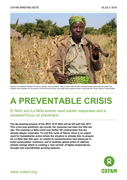
A preventable crisis - El Niño and La Niña events need earlier responses and a renewed focus on prevention
Oxfam
(2016)
C2
The devastating impacts of the 2015–16 El Niño will be felt well into 2017. This crisis was predicted, yet overall, the response has been too little too late. The looming La Niña event may further hit communities that are already deeply vulnerable. To end this cycle of failure, there is an urgen
...
t need for humanitarian action where the situation is already dire, to prepare for La Niña later this year, to commit to comprehensive new measures to build communities’ resilience, and to mobilize global action to address climate change which is creating a ‘new normal’ of higher temperatures, drought and unpredictable growing seasons.
more
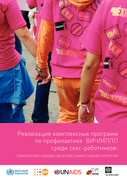
Реализация комплексных программ по профилактике ВИЧ/ИППП среди секс-работников: ПРактИЧескИе Подходы на осноВе соВместных меРоПРИятИй
Всемирная организация здравоохранения (World Health Organization); UNFPA; UNAIDS; et al.
Всемирная организация здравоохранения (World Health Organization); UNFPA; UNAIDS; et al.
(2015)
C_WHO
Данный инструмент предназначен для использования должностными лицами в сфере общественного здравоохранения и руководителями программ по ВИЧ и ИППП; НПО, включая
...
общественные и гражданские организации; а также медицинскими работниками. Он также может представлять интерес для международных финансирующих организаций, лиц, ответственных за формирование политики в сфере здравоохранения, и правозащитников.
more

Thirty years ago, the United Nations General Assembly adopted the Convention on the Rights of the Child at a moment of rapid global change marked by the end of apartheid, the fall of the Berlin Wall and the birth of the World Wide Web. These developments and more brought momentous and lasting evolut
...
ion, as well as a sense of renewal and hope for future generations. In a reflection of that hopeful spirit, the Convention has since become the most widely ratified human rights treaty in history.
more

On the Fast-Track to end AIDS
UNAIDS
(2019)
C2
UNAIDS | 2016–2021 Strategy
Accessed: 20.11.2019

The report showed commitments made three decades ago to protect the rights of children remain unfulfilled for millions. Violence still affects countless children. Discrimination based on age, gender, disability, sexual orientation and religion harms children worldwide.
Key factors include a lack
...
of investment in critically important services. Most countries fall well short of spending the 5-6% of GDP needed to ensure universal coverage of essential health care. And foreign aid, which many lower income countries rely on, is falling short in areas such as health, education, protection and child care.
Another factor, the report said, is the lack of quality data. Governments tend to rely on data that reflects national averages, making it difficult to identify the needs of specific children and to monitor progress. Comprehensive data collection and disaggregation of data by gender, age, disability and locality, are increasingly important as rights violations disproportionately affect disadvantaged children.
more
The project will support preventive actions, traditional medicine and the coordination and
implementation capacities of the national framework for HIV/AIDS control.

Accessed Febr. 6, 2020

Accessed Febr. 6, 2020
The toolkit presents step-by-step guidance that district health teams (DHTs), district leaders, MOH/UNEPI, immunisation partners, and civil society organisations (CSOs) can use to engage NHS and maximise the benefits of their participation in strengthening RI through activities such as community dia
...
logue meetings. Tables and annexes outline this process
more

Antibiotics use with care

In recognition of the growing problem of antimicrobial resistance (AMR), its increasing threat to human, animal and plant health, and the need for a One Health approach to address this issue, the 39th Session of the Codex Alimentarius Commission (CAC) agreed it was important for the food safety comm
...
unity to play its part and re-established the ad hoc Codex Intergovernmental Task Force on Antimicrobial Resistance (TFAMR) ). The objectives of the Task Force were
to revise the current Codex Code of Practice to Minimise and Contain Antimicrobial Resistance and to develop new guidance on surveillance programmes relevant to foodborne AMR.
more
